< img height="1" width="1" style="display:none" src="https://www.facebook.com/tr?id=573800378452652&ev=PageView&noscript=1" />

2026 Bamboo Charcoal Wood Veneer Price Trend

Published on: 02 مارس, 2026
جدول المحتويات

ال bamboo charcoal wood veneer market has experienced remarkable transformation over the past decade, gaining traction in both residential and commercial construction, furniture manufacturing, interior décor, and sustainable architecture. As we head into 2026, many manufacturers, distributors, architects, and import–export professionals are asking: what is the price trend for bamboo charcoal wood veneer in 2026?

This comprehensive article explores the key drivers influencing pricing, historical trends, regional differences, supply chain dynamics, forecast models, and purchasing strategies for global buyers. Whether you are a distributor in the United States, a furniture brand in Europe, or an architectural firm in Asia, understanding the price trend of bamboo charcoal wood veneer in 2026 will help you make smarter sourcing decisions.

What Is Bamboo Charcoal Wood Veneer and Why It Matters

Before diving into prices, it’s essential to define what bamboo charcoal wood veneer really is.

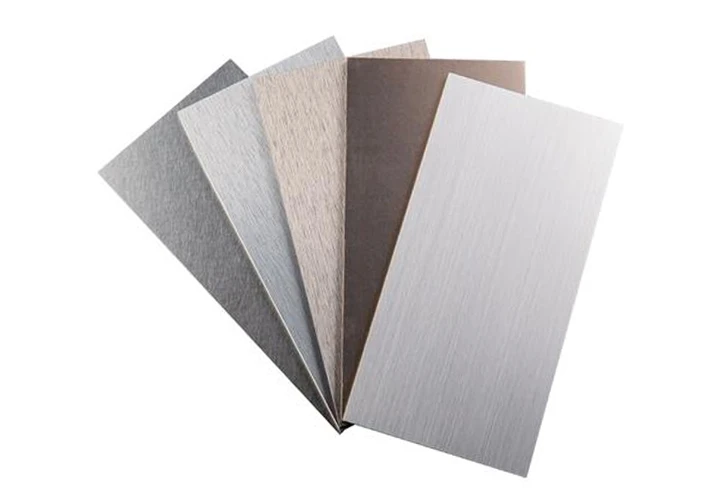
Bamboo charcoal wood veneer is a thin slice of engineered bamboo material that incorporates charcoal properties into the surface or core. This gives the veneer:

  • Enhanced moisture absorption
  • Natural odor control
  • Antibacterial characteristics
  • Aesthetically pleasing wood grain patterns
  • Compatibility with eco-friendly design standards

This product is used widely in:

  • Furniture surfaces (tables, cabinets, wardrobes)
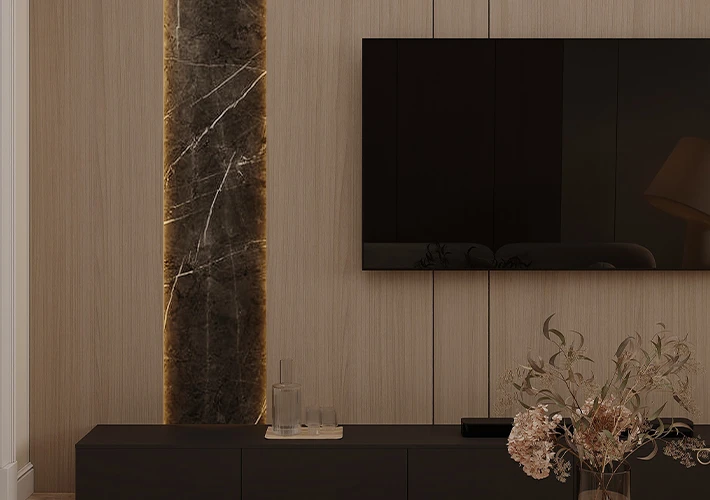
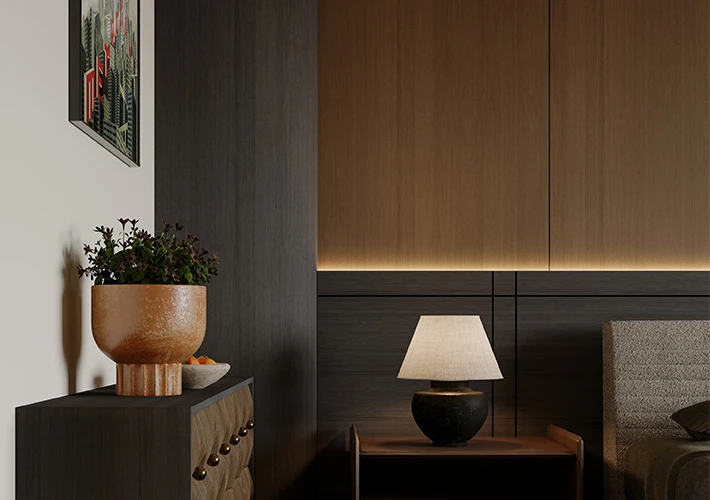
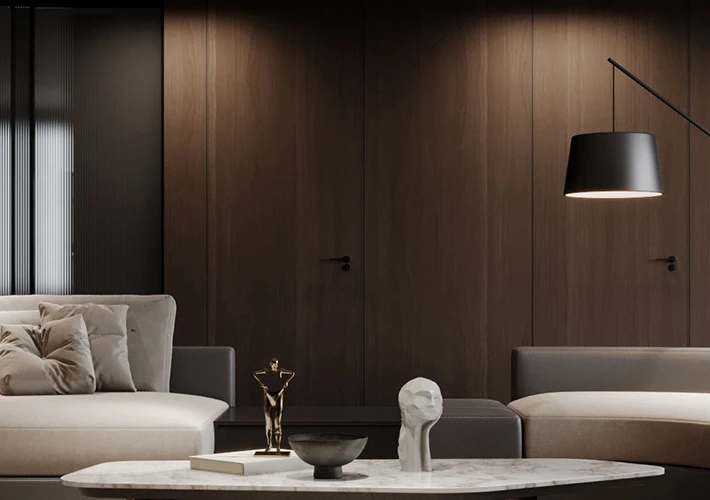
  • Wall panels and feature walls
  • Ceiling panels
  • Flooring overlays
  • Acoustic boards
  • Surface finishes for eco-homes

Because of its sustainable credentials — bamboo grows faster than traditional hardwoods and charcoal adds functional benefits — demand for bamboo charcoal wood veneer has surged over the past several years. And where demand rises, pricing trends become key signals for the industry.

Historical Price Trend — 2018 to 2025

To understand the 2026 price trend, we must look back on how prices moved over the recent past.

2018–2019:
During these early years, the bamboo charcoal veneer market was still niche. Prices were relatively stable, ranging roughly between $4.50–$6.00 per square foot for standard grades. There was moderate demand primarily from eco-focused design firms.

2020–2021:
The pandemic triggered a supply chain disruption that drove raw material costs up worldwide. Transportation delays, labor shortages, and increased freight rates pushed veneer costs higher — often reaching $6.50–$8.00 per square foot.

2022–2023:
As global logistics began to stabilize, prices fluctuated sharply. Environmental regulations in China — a major producer — tightened harvesting and processing standards, increasing production costs. The average price for mid-grade bamboo charcoal wood veneer hovered near $7.50–$9.50 per square foot.

2024:
Growing interest in sustainable interiors and green building certifications accelerated adoption. More manufacturers entered the market, bringing competitive pricing but also introducing varied quality levels. Prices ranged widely: $6.80–$10.20 per square foot for commercial quantities.

2025:
Demand continued to expand, especially in North America and Europe, where bamboo charcoal veneer is increasingly specified in high-end furniture and architectural projects. The broader price range reflected tiered product categories: economy ($6.30–$7.50), standard ($7.50–$9.00), and premium grades ($9.00–$12.00).

From these historic trends, we see that prices have generally increased, though not uniformly — influenced by raw materials, sustainability standards, supply chain costs, and market demand.

Key Factors Affecting Bamboo Charcoal Wood Veneer Prices in 2026

Several key drivers are shaping the price trajectory for 2026:

1.Raw Material Costs

Bamboo cultivation costs, charcoal processing, and transportation remain major contributors to final veneer pricing. Increased investment in sustainable agriculture and carbon-neutral processing elevates input costs.

2.Energy and Labor Costs

Energy costs for carbonization (turning bamboo into charcoal) and skilled labor for precision veneer cutting and finishing influence price. Regions with cheaper energy and labor often offer more competitive pricing.

3.Environmental Regulations

Stricter environmental policies in China, Indonesia, Vietnam, and other bamboo-producing regions increase processing costs. Compliance with emissions standards and waste treatment adds to manufacturing expenses.

4.Demand Growth in Key Markets

Interest from the U.S., EU, Japan, and Middle East drives volume orders. Higher international demand can push prices upward, especially for sustainably certified products.

5.Freight and Shipping Rates

Despite post-pandemic improvements, freight rates fluctuate due to geopolitical tensions and fuel prices. Bulk orders shipped by sea remain cost-effective, while air freight can be prohibitive.

6.Certification and Quality Standards

Products certified by certified sustainable forestry programs or eco-labels command premium pricing. Clients seeking LEED or WELL building compliance are willing to pay more.

These drivers interact in complex ways. For instance, improved sustainability standards may raise production costs, but also expand market appeal — ultimately affecting prices in 2026.

Regional Price Differences — Asia, North America, Europe

Pricing is not uniform across regions. Major differences arise due to production location, tariff policies, and demand concentrations.

Asia Pacific

Asia remains the manufacturing hub for bamboo charcoal wood veneer. China leads production, followed by Vietnam and Indonesia. Local prices are generally lower due to proximity to raw materials:

  • Standard grades: $6.00–$8.50 per sq ft
  • Premium grades: $8.50–$10.50 per sq ft

However, domestic environmental rules and rising labor costs have narrowed the price gap with other regions.

North America

The U.S. and Canada import most of their bamboo charcoal veneer from Asia. After shipping and tariffs:

  • Standard grades: $8.00–$10.50 per sq ft
  • Premium grades: $10.50–$13.00 per sq ft

Large-volume buyers often negotiate better pricing, and regional distributors play a key role in offering inventory buffers.

Europe

European markets see similar pricing to North America but with additional value-adds like EU compliance checks and green certifications:

  • Standard: $8.50–$11.00
  • Premium: $11.00–$14.00

High logistical standards and inspection fees contribute to higher landed costs.

Understanding these regional variations helps buyers anticipate negotiation points and total landed costs.

2026 Price Forecast — What to Expect

Based on current data, market analysis, and emerging trends, here is the 2026 price forecast for bamboo charcoal wood veneer:

GradeEstimated Price Range (per sq ft)
Economy$7.00–$8.50
Standard$8.50–$10.50
Premium$10.50–$14.00

Growth Drivers Supporting These Forecasts

✔ Increasing sustainability demand in architecture
✔ Higher raw material and production standards
✔ Expansion of eco-friendly furniture markets
✔ Rising acceptance in commercial projects (hotels, offices)

Price Moderators

✔ More manufacturers entering the market
✔ Technological improvements in processing
✔ Efficient logistics solutions

This forecast reflects stable growth, with moderate price increases compared to 2025. Buyers can expect higher prices for premium and certified products, while economy and standard grades may remain competitive.

How Buyers Can Navigate the 2026 Price Landscape

For businesses planning purchases in 2026, the following strategies can help optimize costs:

Bulk Orders and Long-Term Contracts

Buying in bulk or establishing annual contracts with suppliers secures better pricing and delivery assurances.

Supplier Audits

Evaluating supplier quality, sustainability practices, and certifications ensures pricing reflects true value rather than just cost.

Flexible Shipping Terms

Choosing FOB (Free On Board) or CIF (Cost, Insurance and Freight) wisely can optimize total landed costs depending on your logistics capabilities.

Diversified Sourcing

Considering multiple production hubs (e.g., Vietnam+China), buyers can compare quality and cost trade-offs.

Invest in Quality Specification

High-end projects may demand premium veneers. Investing in quality upfront reduces long-term remodeling costs and enhances brand reputation.

Sustainability and Its Influence on Pricing

Sustainability is not just a trend — it’s a pricing factor.

Products with recognized certifications such as FSC (Forest Stewardship Council), carbon neutrality attestations, or third-party eco verification often command higher prices but deliver stronger marketing and compliance value.

Designers, architects, and eco-brands increasingly specify green materials, making bamboo charcoal wood veneer a go-to choice — even at premium costs.

This sustainability premium is predicted to remain a staple of pricing in 2026 and beyond.

Final Thoughts — 2026 Bamboo Charcoal Wood Veneer Price Trend

As we approach 2026, the bamboo charcoal wood veneer market is stable, growing, and increasingly premiumized. Prices reflect not only material and production costs, but also environmental standards and global demand patterns.

Buyers should prepare for moderate price increases, especially for certified and high-grade products. Smart sourcing, clear specifications, and strong supplier relationships will help businesses navigate this evolving landscape.

Are you planning to source bamboo charcoal wood veneer in 2026? Whether you're a furniture manufacturer, interior designer, or global distributor, connect with verified suppliers and get competitive pricing today!

📩 اتصل بنا now for a free quote and expert sourcing support — secure the best 2026 prices before others do!

اتصل بنا

أرسل لنا رسالة على الواتس اب +86 189 5395 5575وسوف نقوم بالرد عليك على الفور!

    arArabic