Les couleurs et les applications les plus populaires des panneaux muraux en WPC

Publié le : 05 Sep, 2024
Table des matières

Panneaux muraux en WPC (Wood-Plastic Composite) sont très populaires en raison de leur durabilité, de leur faible entretien et de leur attrait esthétique. Le choix des couleurs et des applications peut varier en fonction des tendances, des préférences et de l'environnement spécifique dans lequel elles sont utilisées.

Expanding on the popular colors and applications of WPC (Wood-Plastic Composite) wall panels, let's delve deeper into the specific characteristics, trends, and examples to provide a more comprehensive understanding.

Quick Answer: What Are the Most Popular WPC Wall Panel Colors and Applications?

The most popular WPC wall panel colors include Light Oak, Teak, Walnut, Mahogany, Charcoal Gray, Light Gray, Beige, Taupe, Classic White, and Ivory. Natural wood tones such as Light Oak, Teak, and Walnut are commonly selected when a warm and natural appearance is required, while Charcoal Gray and Light Gray are popular for modern and minimalist interiors.

In terms of applications, WPC wall panels are widely used for residential interiors, offices, retail stores, restaurants, cafés, feature walls, facade cladding, garden walls, and fencing. The best color depends on the design style, lighting conditions, project type, and the visual effect the buyer wants to achieve.

For commercial projects, Walnut, Teak, and Charcoal Gray are particularly suitable when the goal is to create a premium and distinctive appearance. For bright and minimalist spaces, Classic White, Ivory, and Light Gray provide a cleaner visual effect. Beige and Taupe are versatile choices for projects that require a warm and neutral background.

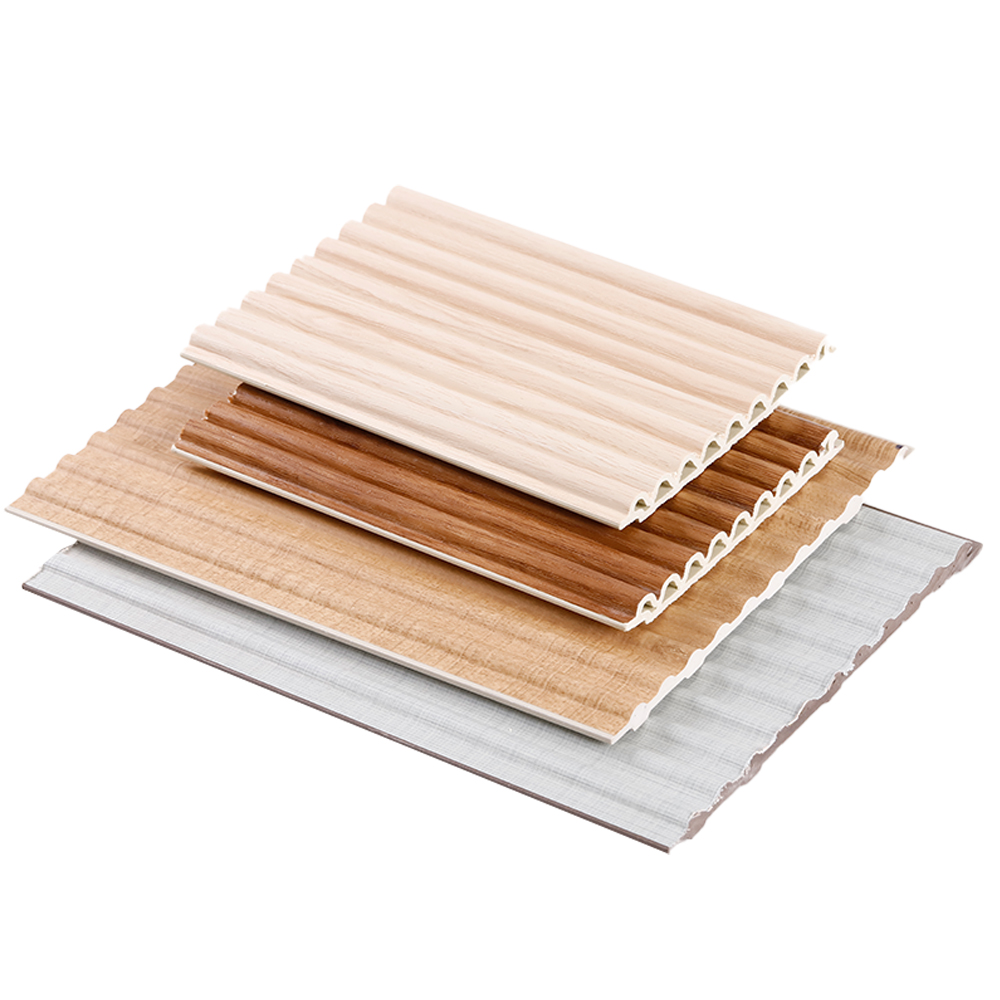
wpc panels for walls

Couleurs les plus populaires :

Tons de bois naturels :

Chêne clair :

  • Caractéristiques : Le chêne clair se caractérise par sa couleur jaune pâle et dorée, avec des veinures subtiles qui imitent le bois de chêne naturel.
  • Trends: This color is trending in modern and Scandinavian interior designs, where a light and airy atmosphere is desired. It's popular for creating a sense of openness and warmth in smaller spaces.
  • Applications : Souvent utilisé dans les salons, les chambres à coucher et même les salles de bains pour apporter une touche de nature à l'intérieur sans l'entretien du bois véritable.

Teck :

  • Caractéristiques : Le teck a une couleur riche, brun moyen, avec une nuance chaude. Il présente des veinures distinctes qui lui confèrent un attrait luxueux et intemporel.
  • Trends: Teak remains a favorite due to its classic appearance and versatility. It's often seen in both contemporary and traditional designs.
  • Applications : Idéal pour les murs d'apparat dans les salons, les salles à manger et les bureaux. Également populaire dans les applications extérieures telles que les revêtements de façade et les clôtures de jardin grâce à ses propriétés de résistance aux intempéries.

Noyer :

  • Caractéristiques : Le noyer est d'un brun foncé profond, avec une teinte rougeâtre et un fil droit. Il respire le luxe et la sophistication.
  • Tendances : Fréquemment choisi pour les intérieurs résidentiels et commerciaux haut de gamme où un aspect riche et élégant est recherché.
  • Applications : Couramment utilisé dans les bureaux, les salles de conférence et les maisons de luxe. Il est également utilisé dans les restaurants et les halls d'entrée des hôtels pour créer une atmosphère chaleureuse et accueillante.

Acajou :

  • Caractéristiques : L'acajou présente une couleur rouge-brun profonde et un grain fin. Son aspect exotique et riche est associé aux styles traditionnels et coloniaux.
  • Tendances : L'acajou est très prisé dans les lieux qui évoquent le patrimoine et la grandeur.
  • Applications : Idéal pour les murs d'apparat dans les espaces formels tels que les bibliothèques, les bureaux à domicile et les salles à manger. Également utilisé dans les hôtels haut de gamme et les bâtiments de style patrimonial.

Teintes grises :

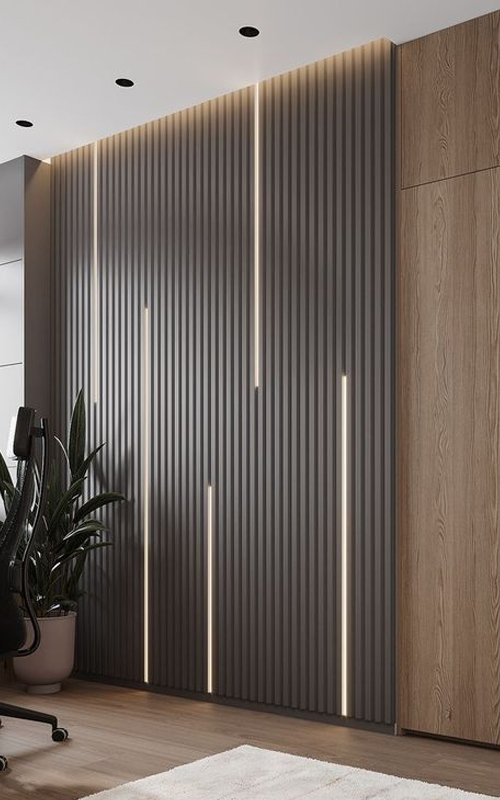
wpc wall panels designs

Gris anthracite :

  • Caractéristiques : Le gris anthracite est une nuance de gris foncé, presque noir, qui offre un aspect élégant et moderne.
  • Tendances : Cette couleur est à l'avant-garde des tendances contemporaines et industrielles, souvent utilisée pour créer des intérieurs audacieux et spectaculaires.
  • Applications: Used in modern living rooms, kitchens, and bathrooms. It's also popular in commercial spaces like tech offices, retail stores, and urban lofts.

Gris clair :

  • Caractéristiques : Le gris clair est une couleur douce et neutre avec des nuances froides. Il constitue une toile de fond subtile qui s'harmonise avec un large éventail de styles de décoration.
  • Tendances : Le gris clair est une couleur polyvalente qui reste populaire dans les environnements résidentiels et commerciaux, offrant un aspect à la fois moderne et intemporel.
  • Applications : Fréquemment utilisé dans les chambres à coucher, les couloirs et les bureaux où un environnement neutre et apaisant est souhaité.

Couleurs neutres et terreuses :

Beige :

  • Caractéristiques : Le beige est une couleur chaude, brun clair, avec des nuances de jaune. C'est un ton neutre qui se marie bien avec d'autres couleurs.
  • Tendances : Le beige est privilégié dans les espaces qui recherchent une sensation de confort et d'accueil, en particulier dans les styles de décoration traditionnels et transitionnels.
  • Applications : Couramment utilisé dans les salons, les salles à manger et les entrées. Il est également populaire dans les environnements de vente au détail où un arrière-plan neutre est nécessaire pour mettre en valeur les produits.

Taupe :

  • Caractéristiques : Le taupe est une couleur gris-brun avec des nuances terreuses. C'est une couleur neutre sophistiquée qui donne de la profondeur aux intérieurs.
  • Tendances : Le taupe est à la mode dans les designs modernes, minimalistes et rustiques-chic.
  • Applications : On le retrouve souvent dans les salons, les chambres à coucher et les bureaux. Il est également utilisé dans les espaces commerciaux tels que les cafés et les boutiques pour un aspect chaleureux et sophistiqué.

Blanc et blanc cassé :

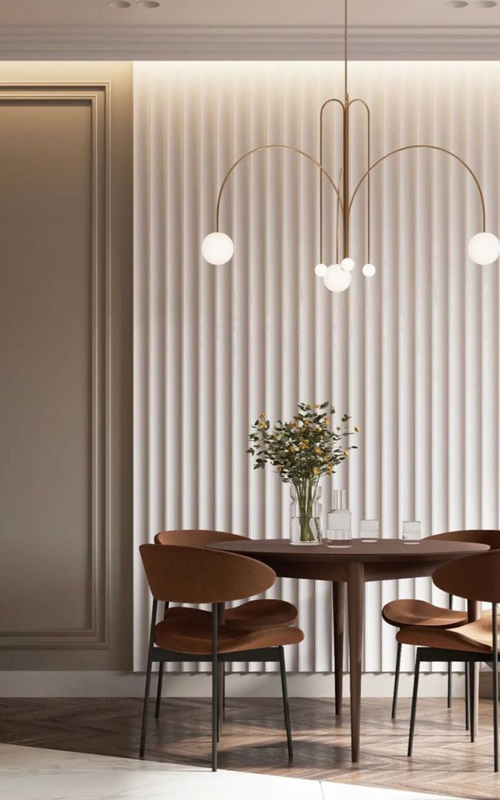
wpc wall panel installation

Blanc classique :

  • Caractéristiques : Le blanc est l'incarnation de la pureté et de la simplicité. Il offre un aspect net et propre qui peut illuminer n'importe quel espace.
  • Tendances : Le blanc reste un choix intemporel, en particulier dans les designs modernes, minimalistes et côtiers.
  • Applications : Les panneaux blancs sont largement utilisés dans les cuisines, les salles de bains et les petits espaces pour créer une ambiance lumineuse et ouverte. Dans les environnements commerciaux, ils sont populaires dans les établissements de santé et les espaces de vente au détail.

Ivoire :

  • Caractéristiques : L'ivoire est une couleur douce, blanc cassé, avec une nuance chaude et crémeuse. Elle constitue une alternative plus douce au blanc éclatant.
  • Tendances : L'ivoire est populaire dans les designs traditionnels et transitionnels, offrant une esthétique chaleureuse et accueillante.
  • Applications : Utilisé dans les salons, les salles à manger et les chambres à coucher. Dans les espaces commerciaux, il est souvent choisi pour les boutiques et les cafés où une atmosphère accueillante est essentielle.

How to Choose the Right WPC Wall Panel Color

Choosing a WPC wall panel color should be based on the overall design style, project function, lighting, and the desired visual effect. Instead of selecting a color only because it is currently popular, project owners, designers, contractors, and distributors should consider how the panel color works with flooring, furniture, lighting, ceilings, and other interior or exterior materials.

For natural and warm interiors: Light Oak, Teak, Walnut, and Mahogany are strong choices. Light Oak creates a brighter and more spacious feeling, while Teak and Walnut provide more warmth and visual depth.

For modern and industrial spaces: Charcoal Gray and Light Gray are commonly suitable. Charcoal Gray creates a stronger visual statement, while Light Gray provides a softer and more neutral background.

For neutral and versatile projects: Beige and Taupe can work across residential, hospitality, retail, and office environments. They can be combined with different furniture and decorative styles without dominating the overall design.

For bright and minimalist interiors: Classic White and Ivory are practical choices. White creates a clean and crisp appearance, while Ivory offers a warmer and softer alternative.

For B2B projects, the best-selling colors are often those that can be used across multiple applications. Neutral colors, natural wood tones, and modern gray shades can therefore be useful options for distributors and project suppliers looking to build a versatile WPC wall panel product range.

Applications populaires :

Intérieurs résidentiels :

Salles de séjour :

  • Couleurs populaires : Chêne clair, noyer, gris anthracite.
  • Détails : Les panneaux WPC sont utilisés pour créer des murs d'accent ou des revêtements muraux complets, en ajoutant de la chaleur et de la texture. Le chêne clair et le noyer apportent une touche naturelle et confortable, tandis que le gris anthracite offre un look moderne et audacieux.

Chambres à coucher :

  • Couleurs populaires : Gris clair, Ivoire, Teck.
  • Détails : Le gris clair et l'ivoire sont utilisés pour créer un environnement calme et serein, parfait pour la relaxation. Le teck ajoute une touche de luxe et de chaleur, rendant la chambre plus accueillante.

Cuisines et salles à manger :

  • Couleurs populaires : Blanc classique, Beige, Taupe.
  • Détails : Le blanc classique est idéal pour une cuisine propre et lumineuse, tandis que le beige et le taupe offrent une atmosphère plus traditionnelle et chaleureuse dans les salles à manger. Les panneaux WPC sont utilisés comme dosseret ou comme revêtement mural complet.

WPC Wall Panel Colors by Application

ApplicationRecommended ColorsMain Design Effect
Salles de séjourLight Oak, Walnut, Charcoal GrayWarm, elegant, or contemporary
Chambres à coucherLight Gray, Ivory, TeakCalm, comfortable, and warm
CuisinesClassic White, Beige, TaupeClean, bright, and practical
Dining AreasBeige, Taupe, TeakWarm and welcoming
BureauxWalnut, Charcoal Gray, Light GrayProfessional and sophisticated
Magasins de détailBeige, Taupe, Charcoal GrayNeutral, modern, and product-focused
Restaurants & CafésTeak, Walnut, Charcoal GrayWarm, premium, or contemporary
Facade CladdingTeak, Walnut, Charcoal GrayNatural, modern, and architectural
Garden Walls & FencingLight Oak, Teak, BeigeNatural and harmonious

This color-to-application guide provides a quick reference for architects, interior designers, contractors, distributors, and project buyers when selecting WPC wall panels for different environments.

Espaces commerciaux :

Bureaux :

  • Couleurs populaires : Noyer, gris anthracite, gris clair.
  • Détails : Dans les bureaux, le noyer et le gris anthracite sont utilisés pour créer des environnements professionnels et sophistiqués. Le gris clair offre une toile de fond neutre et apaisante, favorisant la productivité et la concentration.

Magasins de détail :

  • Couleurs populaires : Beige, Taupe, Gris anthracite.
  • Détails : Le beige et le taupe créent une toile neutre qui met en valeur les produits, tandis que le gris anthracite ajoute une touche moderne et élégante. Les panneaux WPC sont souvent utilisés pour les murs d'accent ou les magasins entiers.

Restaurants et cafés :

  • Couleurs populaires : Teck, noyer, gris anthracite.
  • Détails : Le teck et le noyer ajoutent de la chaleur et de la richesse, créant une atmosphère accueillante pour les convives. Le gris anthracite est utilisé dans les restaurants plus modernes et urbains pour ajouter une touche d'audace et de contemporanéité.
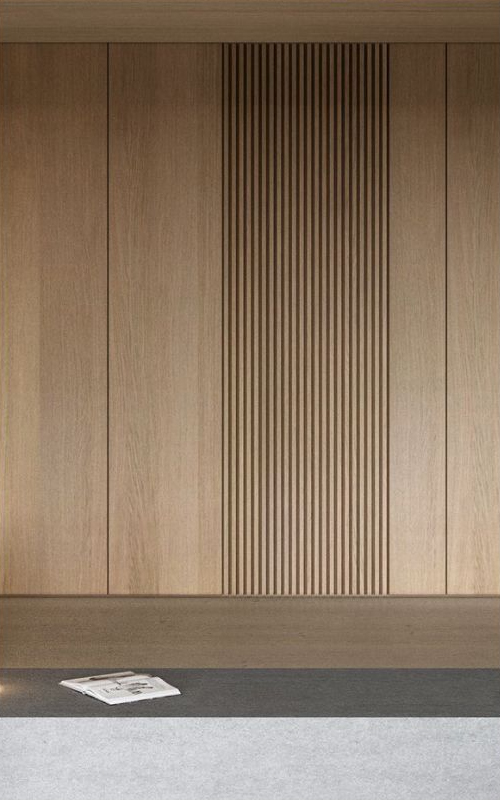
wpc wall panel size

Applications extérieures :

Revêtement de façade :

  • Couleurs populaires : Teck, noyer, gris anthracite.
  • Détails : Les panneaux WPC sont largement utilisés pour le revêtement extérieur en raison de leur durabilité et de leur résistance aux intempéries. Le teck et le noyer donnent aux bâtiments un aspect naturel et intemporel, tandis que le gris anthracite offre un aspect moderne et industriel.

Murs et clôtures de jardin :

  • Couleurs populaires : Chêne clair, Teck, Beige.
  • Détails : En extérieur, le chêne clair et le teck créent un aspect naturel et harmonieux qui se marie bien avec la verdure. Le beige ajoute un ton doux et neutre qui s'harmonise avec une variété de styles de jardins.

WPC Wall Panels for Indoor and Outdoor Applications

WPC wall panels can be selected for both interior and exterior design applications, but the preferred colors often differ according to the environment and design objective.

Pour indoor applications, Light Oak, Walnut, Light Gray, Ivory, Beige, and Taupe are frequently suitable for creating comfortable, elegant, neutral, or modern interiors. These colors can be used on accent walls, full wall coverings, offices, bedrooms, living rooms, restaurants, and retail spaces.

Pour applications extérieures, Teak, Walnut, Charcoal Gray, Light Oak, and Beige can provide a strong architectural appearance. They are suitable for applications such as facade cladding, garden walls, and fencing where the visual connection between the building and surrounding environment is important.

When selecting WPC wall panels for a commercial or construction project, buyers should consider not only the color but also the intended application, environmental conditions, installation requirements, and overall project design.

What Should B2B Buyers Consider When Selecting WPC Wall Panels?

For importers, distributors, contractors, and project buyers, color selection is only one part of choosing a WPC wall panel supplier. A suitable product range should combine popular colors with consistent product quality and reliable supply.

Buyers should consider whether the supplier can provide a stable selection of popular wood tones, neutral colors, and gray shades for different projects. Consistency between batches is also important for commercial projects where multiple panels are installed across the same wall or multiple locations.

For larger projects, buyers may also need to evaluate panel specifications, surface finishes, packaging, installation requirements, customization options, production capacity, and export experience. Working with a manufacturer that can support different project requirements can make product sourcing more efficient.

A practical WPC wall panel product portfolio can therefore include natural wood colors such as Light Oak, Teak, and Walnut, modern shades such as Charcoal Gray and Light Gray, and versatile neutral colors such as Beige, Taupe, White, and Ivory.

Frequently Asked Questions About WPC Wall Panel Colors and Applications

What are the most popular WPC wall panel colors?

The most popular WPC wall panel colors include Light Oak, Teak, Walnut, Charcoal Gray, Light Gray, Beige, Taupe, Classic White, Ivory, and Mahogany. Natural wood tones and neutral colors are particularly versatile for residential and commercial projects.

Which WPC wall panel color is best for modern interiors?

Charcoal Gray, Light Gray, Classic White, and Walnut are suitable choices for modern interiors. Charcoal Gray creates a stronger contemporary appearance, while Light Gray and White provide a cleaner and more minimalist effect.

Which WPC wall panel colors are suitable for hotels and commercial spaces?

Walnut, Teak, Charcoal Gray, Light Gray, Beige, and Taupe can be considered for commercial environments such as hotels, offices, restaurants, cafés, and retail stores. The final choice should match the project's overall interior design.

Are WPC wall panels suitable for outdoor applications?

WPC wall panels can be used for outdoor applications such as facade cladding, garden walls, and fencing. Teak, Walnut, Charcoal Gray, Light Oak, and Beige are among the colors discussed for outdoor applications in this guide.

Which WPC wall panel colors make a room look brighter?

Classic White, Ivory, Light Gray, and Light Oak can help create a brighter and more open visual appearance. They are particularly suitable for minimalist interiors and spaces where a light atmosphere is desired.

What WPC wall panel colors are best for commercial projects?

For commercial projects, versatile colors such as Walnut, Teak, Charcoal Gray, Light Gray, Beige, and Taupe can be considered because they can support professional, premium, modern, or neutral design styles.

How should distributors choose WPC wall panel colors?

Distributors should consider a balanced product range rather than focusing on only one color. A combination of natural wood tones, gray shades, and neutral colors can cover a wider range of residential, commercial, and outdoor applications.

Conclusion

Panneaux muraux en WPC offer a combination of visual versatility and practical applications, making them suitable for residential, commercial, and outdoor projects. The most popular color options range from natural wood tones such as Light Oak, Teak, Walnut, and Mahogany to modern shades such as Charcoal Gray and Light Gray, as well as neutral colors including Beige, Taupe, White, and Ivory.

The right color depends on the project type and desired design effect. Light Oak and lighter neutral shades can create a brighter atmosphere, Walnut and Teak can add warmth and sophistication, while Charcoal Gray and Light Gray are suitable for contemporary spaces.

For B2B buyers, distributors, contractors, and project suppliers, selecting a WPC wall panel supplier with a versatile color range and stable product supply can make it easier to meet different project requirements. By combining popular colors with appropriate applications, WPC wall panels can provide a flexible solution for both interior and exterior design projects.

Recherche
Dernier blog

How to Choose a Hexagon Acoustic Panel Manufacturer in China

Sep 09, 2026

How to Cut PVC Marble Sheet Wall Panels: Tools, Methods and Installation Tips

Sep 07, 2026

What Are WPC Slat Wall Panels?

Sep 04, 2026

Hotel Mirror Panels vs Traditional Mirrors: Which Is Better for Luxury Interiors?

Août 31, 2026

Are SPC Wall Panels Suitable for Australian Bathrooms and Wet Areas?

Août 26, 2026

Decorative Acoustic Panels NRC Rating, Materials and Design Options

Août 25, 2026
fr_FRFrench