< img height="1" width="1" style="display:none" src="https://www.facebook.com/tr?id=573800378452652&ev=PageView&noscript=1" />

Why Are Acoustic Wood Panels So Popular in Canada?

Published on: 01 ديسمبر, 2025
جدول المحتويات

Acoustic wood panels have rapidly become one of the most in-demand interior materials in the Canadian market. Whether in residential renovations, commercial buildings, offices, hospitality projects, schools, government facilities, or luxury custom homes, architects and contractors have increasingly chosen acoustic wood panels as the preferred solution for modern Canadian spaces.

Canada has a unique architectural environment—large open spaces, strict building energy regulations, a cold climate that requires warm indoor ambience, and a strong cultural appreciation for wood design. These factors have together driven the widespread adoption of acoustic wood panels across the country.

Canada’s Climate and Architectural Style Strongly Favor Wood-Based Interiors

1.1 The cold climate encourages warm interior design

Canada’s long winters and low temperatures make interior comfort extremely important. Compared with metals, ceramics, or concrete, wood materials have a warmer, softer, more psychologically comfortable visual effect. Acoustic wood panels naturally align with the desire for:

  • Warm texture
  • Natural tone
  • Soft ambiance
  • Relaxing interior atmosphere

As a result, they are particularly popular in:

  • Homes
  • Restaurants
  • Hotels
  • Libraries
  • Offices
  • Schools

The feeling of intimacy and comfort that wood provides is highly valued in the Canadian lifestyle.

1.2 Scandinavian and modern minimalist interior trends dominate

Canada’s interior design preferences are heavily influenced by:

  • Scandinavian minimalist style
  • Japandi fusion aesthetics
  • Contemporary natural-modern style

All of these rely on light wood, clean lines, and natural materials.

Acoustic slat wood panels perfectly match these aesthetics by offering:

  • Modern linear slat patterns
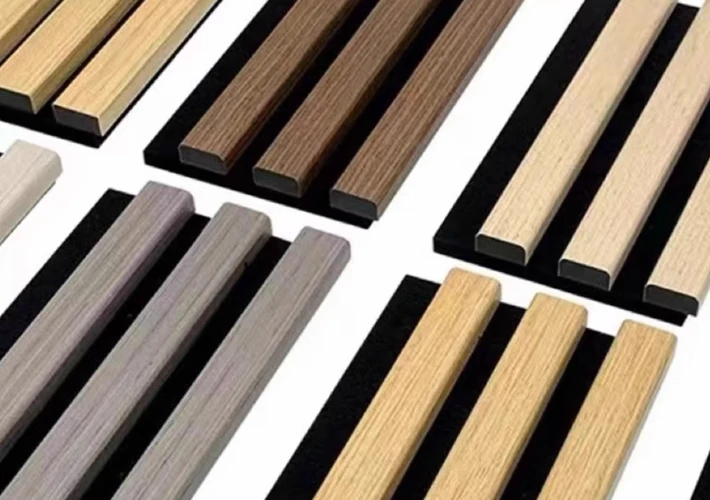
  • Light oak, walnut, ash, and maple tones
  • Minimalist geometric textures
  • Clean, elegant visual rhythm

This coherence between acoustic panels and mainstream design styles significantly boosts their popularity.

1.3 Canada’s cultural connection with wood

Canada is one of the world’s largest producers and exporters of timber. Wood has long been a core element of Canadian architecture, interior design, and cultural identity. The preference for natural materials means that acoustic wood panels are not only accepted but celebrated.

Building Regulations and Acoustic Standards Are Strict in Canada

2.1 Increasing acoustic privacy requirements

Canadian cities—especially Toronto, Vancouver, Calgary, and Montreal—have increasingly dense populations. As a result, noise control has become a major concern in:

  • Multi-family residential buildings
  • Student housing
  • Commercial offices
  • Healthcare facilities
  • Schools and universities

Government building codes often require minimum sound insulation and reverberation control, making acoustic panels a practical and compliant choice.

2.2 Adoption of WELL, LEED, and green building certifications

Canada has one of the highest adoption rates of:

  • LEED
  • WELL Building Standard
  • Passive House design

Acoustic comfort is a major scoring category. Projects seeking certification increasingly specify:

  • High NRC (Noise Reduction Coefficient) materials
  • Eco-friendly interior finishes
  • Improved occupant wellbeing

Acoustic wood panels support all three goals by offering:

  • NRC 0.75–0.95 depending on construction
  • Eco-conscious MDF/PET felt cores
  • Improved speech clarity
  • Reduced echo and reverberation

2.3 Mandatory acoustic control in public facilities

According to various provincial building codes, acoustic treatment is required in:

  • Auditoriums
  • Classrooms
  • Meeting rooms
  • Public halls
  • Recreation centers

This directly boosts demand for acoustic wood panels that are tested, certified, and compliant with Canadian safety standards.

Acoustic Wood Panels Deliver Excellent Sound Absorption for Modern Canadian Spaces

3.1 Open-concept spaces require acoustic treatment

Most modern Canadian homes and offices feature:

  • Open-concept layouts
  • High ceilings
  • Hard flooring (vinyl, hardwood, tiles)
  • Large windows

These create significant acoustic issues:

  • Echo
  • Sound reflection
  • Poor speech clarity
  • Noise transfer between rooms

Acoustic wood panels solve these challenges by:

  • Breaking up sound waves
  • Reducing reverberation
  • Improving audio comfort
  • Enhancing privacy

3.2 NRC performance meets professional acoustic needs

High-quality acoustic slat panels typically achieve:

  • NRC 0.75 (single layer)
  • NRC 0.85–0.95 (with insulation)

This makes them suitable for:

  • Home theatres
  • Podcast studios
  • Conference rooms
  • Music practice rooms
  • Open-plan offices

3.3 Growing interest in home offices and remote work

Since the pandemic, remote work has become mainstream in Canada. Homeowners increasingly need:

  • Soundproofing
  • Echo control
  • Noise reduction for video calls

Acoustic wood panels have become a top choice for:

  • Home office walls
  • Behind desks
  • Video-conference backgrounds
  • Meeting rooms in hybrid workplaces

Sustainability, Eco-Friendliness, and Green Materials Drive Demand

4.1 Canadians prioritize environmentally responsible building materials

Canada is known for environmental awareness. Architects and contractors frequently prioritize:

  • Renewable materials
  • Low-emission manufacturing
  • Recyclable components

Many acoustic wood panels—especially PET-felt backed ones—are made from:

  • Recycled PET bottles
  • FSC-certified wood veneer
  • Low-VOC adhesives

This aligns perfectly with Canadian expectations.

4.2 Government projects have strict environmental requirements

Federal and provincial projects often require:

  • Low formaldehyde emissions
  • Sustainable sourcing
  • Recycling-supportive design

Acoustic wood panels easily meet:

  • E0/E1 emission standards
  • FSC materials
  • LEED credits

4.3 Aesthetic sustainability trend

Consumers increasingly seek natural-looking eco-friendly products that still offer contemporary style. Acoustic wood panels provide:

  • Natural wood grain appearance
  • Sustainable design
  • Warm, timeless beauty

This combination explains their rising popularity among homeowners and commercial designers.

Versatile Applications in Residential, Commercial, and Public Projects

5.1 Residential applications

Acoustic wood panels are widely used in Canadian homes, especially in:

  • Living rooms
  • غرف النوم
  • Home theatres
  • Home offices
  • Hallways
  • Dining areas

They add both acoustic comfort و modern décor appeal.

5.2 Commercial and corporate spaces

Businesses increasingly specify acoustic panels for:

  • Offices
  • Boardrooms
  • Lobbies
  • Phone booths
  • Co-working spaces
  • Retail stores

The panels help achieve:

  • Noise control
  • Modern branding aesthetics
  • Professional atmosphere

5.3 Hospitality and tourism

Hotels, restaurants, and cafes in Canada value:

  • Noise comfort for customers
  • Stylish interior design
  • Warm wood finishes

Acoustic wood panels are used in:

  • Hotel lobbies
  • Guest rooms
  • Restaurant dining areas
  • Coffee shops

5.4 Government and educational buildings

Schools and government facilities need reliable sound performance. Common applications include:

  • Auditoriums
  • Lecture halls
  • Meeting rooms
  • Libraries

5.5 Luxury projects and custom homes

High-end homes in Ontario, Alberta, and British Columbia frequently use acoustic panels for:

  • Feature walls
  • Staircase walls
  • Basement theatres
  • High-ceiling living rooms

The material communicates a sense of craftsmanship and premium quality.

Easy Installation, Low Maintenance, and Long Service Life

6.1 Simple installation increases contractor adoption

Installers in Canada appreciate materials that save time and lower labor cost. Acoustic wood panels:

  • Can be installed on drywall, concrete, or studs
  • Allow nail, screw, or adhesive installation
  • Can be cut with common tools
  • Require no complex preparation

This efficiency has accelerated adoption among renovation contractors.

6.2 Easy to maintain

Unlike real wood, acoustic wood panels usually have:

  • Durable melamine or veneer finish
  • Scratch resistance
  • Moisture resistance
  • Long-lasting color stability

They only require occasional wiping, ideal for:

  • Busy commercial settings
  • Airbnb units
  • Restaurants
  • Offices

6.3 Long service life

High-quality acoustic panels typically last 10–20 yearsمما يجعلها استثمارًا فعالاً من حيث التكلفة على المدى الطويل.

Import Market Growth: Why Canadian Buyers Favor Chinese Acoustic Wood Panels

In addition to domestic suppliers, many Canadian companies increasingly import acoustic wood panels from China due to:

7.1 Competitive pricing

Chinese manufacturers offer:

  • Lower production cost
  • Bulk shipping advantages
  • Factory-direct pricing

This significantly reduces material costs for Canadian distributors and project developers.

7.2 Advanced manufacturing technology

Top factories provide:

  • CNC-precision slat cutting
  • Fire-rated MDF cores
  • PET felt made from recycled materials
  • High-quality wood veneers
  • Large production capacity

7.3 Customization capability

Chinese suppliers can tailor:

  • Color
  • مقاس
  • سماكة
  • NRC level
  • Fire ratings
  • Packaging

This flexibility is highly valuable to Canadian B2B buyers.

7.4 Strong supply chain and stable output

Factories with automated production can meet large-scale project needs without delays.

Future Market Trends: Why Popularity Will Continue Growing

8.1 Increasing demand for sound comfort

As population density rises and remote work continues, noise management will remain a priority.

8.2 Growing renovation market

Canada’s renovation industry exceeds billions annually, with acoustic upgrades being a key component.

8.3 Demand for sustainable materials

Eco-friendly products are expected to dominate future building trends.

8.4 Rising adoption in luxury residential spaces

Premium homeowners are shifting from plain painted drywall to textured wood-acoustic finishes.

8.5 More commercial spaces adopting modern, stylish interiors

Retail, hospitality, and corporate offices will continue replacing outdated materials with acoustic wood panels.

خاتمة

Acoustic wood panels have become extremely popular in Canada due to a combination of factors:

  • Aesthetic alignment with Canadian design preferences
  • Excellent acoustic performance for modern spaces
  • Eco-friendly materials supporting sustainable construction
  • Easy installation and low maintenance
  • Strong demand from residential and commercial markets
  • Government acoustic regulations
  • Growth of remote work
  • Expansion of the renovation industry
  • Increasing imports from high-quality Chinese factories

Their unique blend of beauty, functionality, and sustainability ensures that acoustic wood panels will continue to be one of the fastest-growing interior materials in Canada for years to come.

اتصل بنا

أرسل لنا رسالة على الواتس اب +86 189 5395 5575وسوف نقوم بالرد عليك على الفور!

    arArabic