< img height="1" width="1" style="display:none" src="https://www.facebook.com/tr?id=573800378452652&ev=PageView&noscript=1" />

Is Bamboo Charcoal Wood Veneer Sustainable?

Published on: 25 مارس, 2026
جدول المحتويات

In today’s global construction and interior design industry, sustainability is no longer a marketing buzzword—it is a decisive factor for architects, developers, and importers. As eco-conscious materials gain momentum, قشرة خشب فحم الخيزران has emerged as a promising alternative to traditional wood-based decorative panels. But the key question remains:

Is bamboo charcoal wood veneer truly sustainable?

As a leading Chinese manufacturer, Aesthedge provides a comprehensive, fact-based analysis of this material—from raw material sourcing to lifecycle impact—helping B2B buyers make informed procurement decisions.

What Is Bamboo Charcoal Wood Veneer?

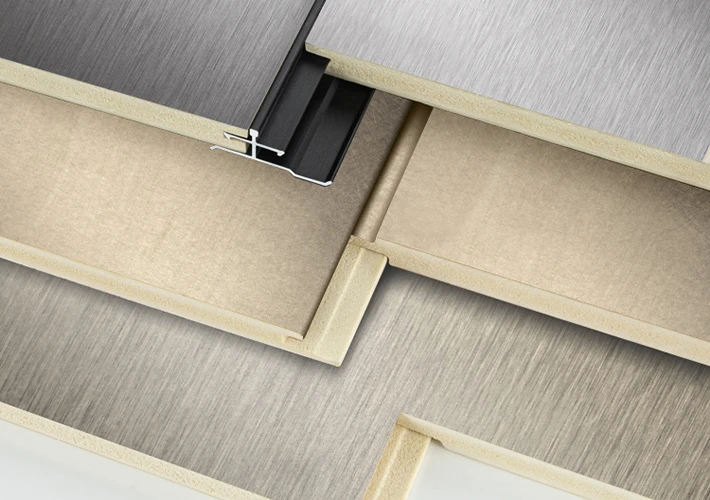
Bamboo charcoal wood veneer is a composite decorative panel made from bamboo fibers, bamboo charcoal powder, and surface finishing layers such as PVC film or resin coatings. It is produced through high-temperature carbonization and pressing processes to create a stable, functional, and aesthetic material.

Unlike traditional wood veneer, which relies heavily on slow-growing hardwoods, this material integrates renewable bamboo resources with advanced material engineering, offering both environmental and performance advantages.

Why Sustainability Matters in Decorative Materials

In global construction markets—especially in Europe, North America, and Southeast Asia—green building standards such as LEED and WELL are driving demand for sustainable materials.

Key sustainability criteria include:

  • Renewable raw materials
  • Low carbon footprint
  • Reduced VOC emissions
  • Recyclability or circular use
  • Long product lifespan

Bamboo charcoal wood veneer aligns with many of these criteria, but the reality is nuanced and requires deeper evaluation.

Renewable Raw Material – The Core Sustainability Advantage

The foundation of bamboo charcoal wood veneer’s sustainability lies in bamboo itself.

Fast Growth Cycle

  • Bamboo matures in 3–5 years, compared to 20–50 years for hardwood trees
  • It regenerates naturally without replanting, reducing land degradation

High Yield Efficiency

  • Bamboo produces more usable material per hectare than traditional timber
  • Nearly every part of the plant can be utilized, supporting zero-waste production models

Lower Agricultural Inputs

  • Requires less water, fertilizer, and pesticides than most wood species

👉 B2B Insight (Aesthedge):
For importers and distributors, bamboo-based materials offer a stable and scalable supply chain, reducing dependency on restricted hardwood exports.

Carbon Footprint and Environmental Impact

Carbon Sequestration

Bamboo absorbs more CO₂ than many tree species, making it a strong carbon sink.

Carbon Storage via Charcoal

The carbonization process converts bamboo into charcoal, which locks carbon into a stable form, reducing emissions over time.

Lower Overall Emissions

Studies indicate that bamboo charcoal veneer can have up to 60% lower carbon footprint compared to traditional wood veneer.

👉 Aesthedge Advantage:
Our production lines optimize energy use and raw material efficiency, ensuring reduced environmental impact across the supply chain.

Resource Efficiency and Waste Reduction

One of the biggest sustainability strengths of bamboo charcoal veneer is resource utilization.

  • Bamboo waste (chips, residues) is reused to produce charcoal
  • High material efficiency reduces landfill waste
  • Manufacturing processes can be optimized for closed-loop production

Additionally, many high-quality products use recycled bamboo fibers, further enhancing sustainability.

👉 B2B Value:
This directly supports ESG compliance and green procurement requirements for large-scale projects.

Indoor Environmental Benefits (Health Sustainability)

Sustainability is not only about the environment—it also includes human health.

Low VOC Emissions

High-quality bamboo charcoal veneer uses low-emission adhesives, improving indoor air quality.

Air Purification

The porous structure of bamboo charcoal can:

  • Absorb odors
  • Reduce formaldehyde and VOC levels

Moisture Regulation

Helps maintain indoor humidity balance, reducing mold risks.

👉 Application Scenarios:

  • Hotels
  • Hospitals
  • Residential interiors
  • Office buildings

👉 Aesthedge Insight:
For commercial projects, this translates into health-focused interior solutions, increasingly demanded in post-pandemic construction.

Durability and Lifecycle Sustainability

A truly sustainable material must last longer and reduce replacement frequency.

Key Performance Features

  • Moisture-resistant and anti-mildew
  • Scratch-resistant and durable
  • Pest-resistant and dimensionally stable

Lifecycle Benefits

  • Lower maintenance costs
  • Reduced material replacement
  • Less construction waste over time

👉 B2B Perspective:
Longer lifecycle = better ROI for developers and contractors

Limitations of Sustainability (Important for Buyers)

While bamboo charcoal wood veneer has strong eco-credentials, it is not 100% perfect.

Use of Resins and PVC Layers

  • Some products include synthetic binders or PVC coatings
  • These can reduce recyclability if not properly managed

Energy Consumption in Carbonization

  • High-temperature processing requires energy input
  • Sustainability depends on whether factories use clean energy systems

Transportation Impact

  • Exporting from Asia to global markets adds carbon emissions

👉 Aesthedge Transparency:
We continuously improve:

  • Low-VOC adhesive systems
  • Energy-efficient production
  • Optimized logistics for global clients

مقارنة مع المواد التقليدية

CriteriaBamboo Charcoal VeneerTraditional Wood VeneerPVC Panels
Raw MaterialRenewable bambooSlow-growing hardwoodPetroleum-based
Carbon FootprintقليلعاليModerate–High
متانةعاليMediumعالي
VOC EmissionsقليلMediumعالي
Sustainability Score⭐⭐⭐⭐⭐⭐⭐⭐⭐⭐

👉 Conclusion:
Bamboo charcoal wood veneer offers a balanced combination of sustainability and performance, outperforming both traditional wood and fully synthetic materials.

Why Global Buyers Choose Aesthedge

As a professional Chinese manufacturer, Aesthedge provides more than just products—we deliver sustainable solutions for global B2B clients.

Our Strengths:

  • Advanced production technology
  • Stable large-scale supply capacity
  • Strict quality control systems
  • Customization for international markets
  • Compliance with eco-certifications

Our Sustainability Commitment:

  • Responsible bamboo sourcing
  • Waste reduction manufacturing
  • Low-emission materials
  • Continuous innovation in green building products

Final Conclusion: Is It Truly Sustainable?

Yes—but conditionally.

Bamboo charcoal wood veneer is one of the most sustainable decorative materials available today when produced responsibly.

It is sustainable because:

✔ Rapidly renewable raw material
✔ Lower carbon footprint
✔ Resource-efficient production
✔ Health-friendly indoor performance
✔ Long service life

But sustainability depends on:

✔ Manufacturing quality
✔ Adhesive and coating selection
✔ Supply chain transparency

If you are looking for eco-friendly, high-performance wall panel solutions for your next project, Aesthedge is your trusted partner.

👉 Contact us today for:

  • Free samples
  • Product catalogs
  • Custom OEM/ODM solutions
  • Competitive wholesale pricing

Aesthedge – Sustainable Innovation from China, Empowering Global Projects.

اتصل بنا

أرسل لنا رسالة على الواتس اب +86 189 5395 5575وسوف نقوم بالرد عليك على الفور!

    arArabic