في التصميم الداخلي الحديث، لوحات حائط ثلاثية الأبعاد اصنعها بنفسكبرزت هذه الألواح كحل مبتكر وفعّال من حيث التكلفة لتعزيز الجماليات والوظائف. تُحوّل هذه الألواح الجدران العادية إلى أسطح أنيقة ومزخرفة، مُقدمةً طريقة فريدة للارتقاء بالديكورات الداخلية للمنازل والشركات. وتعود شعبيتها المتزايدة إلى أسعارها المعقولة، وسهولة تركيبها، وخياراتها الصديقة للبيئة.
تستكشف هذه المقالة مزايا ومواد وطرق التركيب والتطبيقات المختلفة لألواح الجدران ثلاثية الأبعاد DIY لمساعدة أصحاب المنازل والمصممين والشركات على اتخاذ خيارات مستنيرة.
What Are DIY 3D Wall Panels?
DIY 3D wall panels are decorative wall covering products designed to add three-dimensional texture, depth, and visual interest to interior surfaces without requiring complex professional installation. Depending on the product, they can be manufactured from PVC, PU foam, bamboo fiber, MDF, or other composite materials.
The main difference between 3D wall panels and conventional flat wall coverings is their raised or recessed surface pattern. Instead of relying only on paint or printed graphics, 3D panels create a physical texture that can enhance light, shadow, and architectural detail.
For homeowners and commercial buyers, DIY 3D wall panels are particularly attractive because they combine decorative performance with relatively simple installation. Many products can be installed using adhesive, nails, or other basic fixing methods, making them suitable for feature walls, bedrooms, living rooms, offices, retail spaces, hotels, restaurants, and exhibition areas.
In simple terms, DIY 3D wall panels are lightweight decorative panels that create a textured wall effect while reducing the installation complexity associated with traditional materials such as brick, stone, or ceramic tile.
مزايا لوحات الحائط ثلاثية الأبعاد DIY
1. الجاذبية الجمالية والتصميم الحديث
من أهم أسباب الشعبية المتزايدة لألواح الجدران ثلاثية الأبعاد قدرتها على خلق بيئة أنيقة وجذابة بصريًا. فعلى عكس الجدران المطلية المسطحة، تُضفي هذه الألواح لمسةً من العمق والملمس، مما يجعل المساحات تبدو أكثر فخامةً وحيوية.
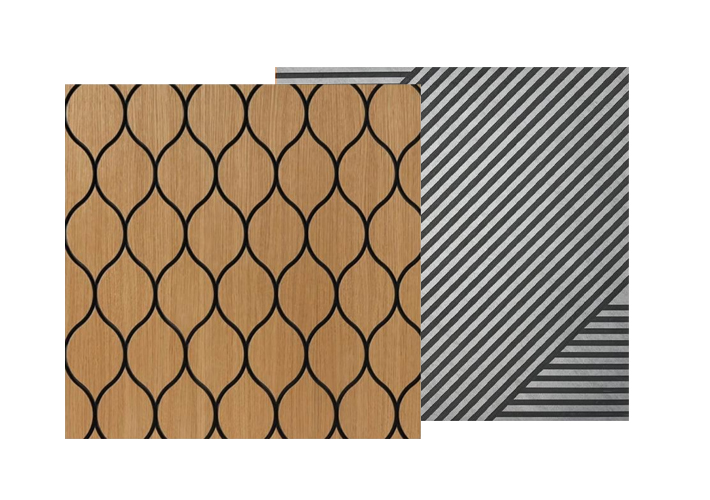
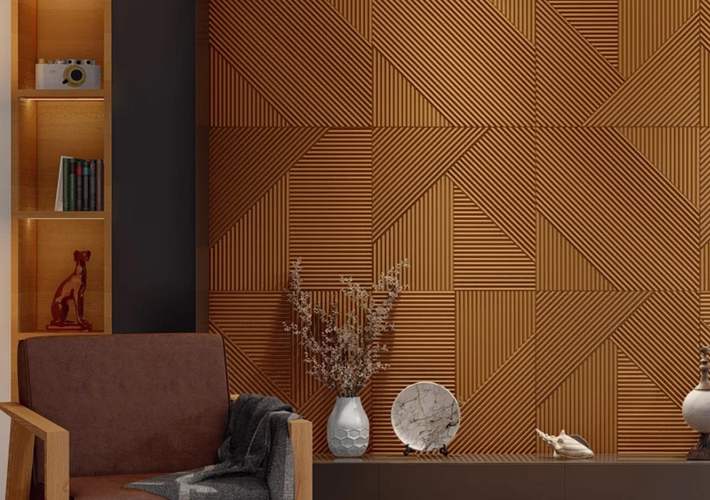
مجموعة واسعة من التصاميم: من الأنماط الهندسية إلى الأنماط الزهرية والمموجة والمجردة، هناك خيارات لجميع أنماط الديكور الداخلي.
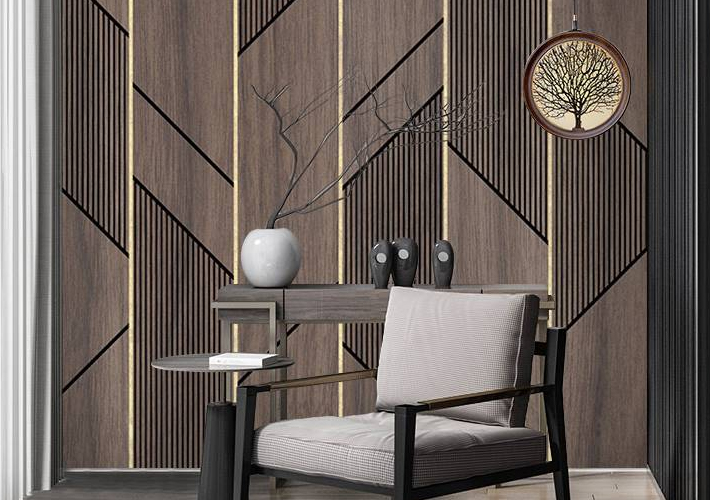
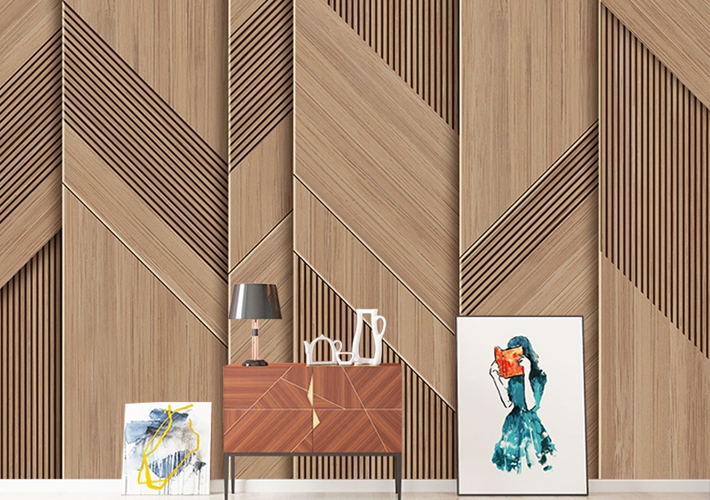
تقليد المواد الطبيعية: بعض الألواح تحاكي مظهر الخشب أو الطوب أو الرخام أو الحجر، مما يوفر مظهرًا راقيًا دون تكلفة أو وزن المواد الحقيقية.
ألوان قابلة للتخصيص: تأتي العديد من الألواح بدرجات اللون الأبيض المحايدة التي يمكن طلائها بأي لون لتتناسب مع موضوعات داخلية مختلفة.
2. سهولة التركيب بنفسك
تم تصميم لوحات الحائط ثلاثية الأبعاد DIY لـ سريع وخالٍ من المتاعب التثبيت، مما يجعلها مثالية لكل من أصحاب المنازل والمصممين المحترفين.
خيارات اللصق الذاتي: تأتي بعض الألواح مع ظهر لاصق قابل للتقشير واللصق، مما يسمح بالتطبيق المباشر على الأسطح النظيفة.
التثبيت بالغراء أو المسامير: يتطلب البعض الآخر التثبيت باستخدام لاصق البناء أو المسامير، والذي لا يزال يوفر إعدادًا بسيطًا مقارنة بمعالجات الجدران التقليدية.
لا حاجة لأدوات خاصة: على عكس البلاط أو الحجر، والتي تتطلب آلات القطع وتطبيق الجص، يمكن تركيب لوحات الحائط DIY باستخدام سكين متعدد الاستخدامات، والغراء، ومسطرة مستوية.
3. بديل فعال من حيث التكلفة لمواد الجدران التقليدية
توفر ألواح الجدران ثلاثية الأبعاد نفس الشعور الفاخر الذي توفره المواد الراقية مقابل جزء بسيط من التكلفة.
مقارنة المواد
التكلفة التقريبية لكل متر مربع
متانة
صيانة
لوحات جدارية ثلاثية الأبعاد
$5 - $25
عالي
قليل
بلاط السيراميك
$20 - $50
عالي
معتدل
الطوب الحقيقي
$40 - $80
عالية جدًا
عالي
ألواح خشبية
$30 - $100
معتدل
عالي
من خلال اختيار لوحات الحائط ثلاثية الأبعاد، يمكن للمستخدمين توفير المال على المواد وعمالة التركيب وتكاليف الصيانة.
4.خفيف الوزن ولكنه متين
تُصنع معظم ألواح الجدران ثلاثية الأبعاد من مواد خفيفة الوزن ولكنها قوية مثل:
MDF (لوح ألياف متوسط الكثافة): يوفر ملمسًا يشبه الخشب ولكنه أثقل من PVC.
نظرًا لأن هذه الألواح أخف وزنًا من المواد مثل البلاط السيراميكي أو الطوب الحقيقي، فهي أسهل في التعامل ولا تضع ضغطا زائدا على الجدران.
5. الفوائد البيئية
تم تصميم العديد من لوحات الحائط ثلاثية الأبعاد DIY باستخدام الاستدامة في الاعتبار:
مصنوعة من مواد معاد تدويرها: يتم تصنيع بعضها من البلاستيك المعاد تدويره أو الألياف النباتية الطبيعية، مما يقلل من النفايات.
انبعاثات منخفضة من المركبات العضوية المتطايرة: على عكس دهانات الجدران التقليدية التي تطلق المركبات العضوية المتطايرة (VOCs)، فإن هذه الألواح لديها انبعاثات كيميائية ضئيلة.
كفاءة الطاقة: توفر بعض الألواح عزلًا حراريًا، مما يساعد في الحفاظ على استقرار درجات الحرارة الداخلية وتقليل استهلاك الطاقة.
6. عزل الصوت والفوائد الصوتية
تُستخدم ألواح الجدران ثلاثية الأبعاد غالبًا في المسارح المنزلية واستوديوهات التسجيل والمكاتب للتحكم في الضوضاء. تساعد أسطحها المزخرفة على امتصاص وتشتيت الموجات الصوتية، مما يقلل من الصدى والتلوث الضوضائي.
ألواح PVC: عزل صوتي متوسط.
ألواح الرغوة PU: امتصاص الصوت بمستوى عالي.
ألواح خشب MDF: مفيدة لتقليل الصدى في الغرف الكبيرة.
7. مقاومة الماء والرطوبة
بعض المواد، مثل PVC ورغوة البولي يوريثان، مقاومة للماء تمامًا، مما يجعلها مثالية للبيئات الرطبة يحب:
الحمامات
المطابخ
غرف الغسيل
الأقبية
على عكس ورق الحائط أو الجدران المطلية، هذه الألواح لا تتقشر أو تتشكل فقاعات أو تتشوه بسبب التعرض للرطوبة.
8. صيانة منخفضة وعمر طويل
تتطلب ألواح الجدران ثلاثية الأبعاد صيانة بسيطة. على عكس معالجات الجدران التقليدية، فهي لا تتلاشى أو تتشقق أو تتطلب إعادة طلاء متكررة. التنظيف سهل للغاية، حيث يتم مسحه بقطعة قماش مبللة أو منظف خفيف.
9. التنوع والتخصيص
يمكن تطبيق هذه الألواح على:
الجدران
الأسقف
أسطح الأثاث
الأبواب
بعض التصاميم المتقدمة تسمح ألواح متشابكة، مما يجعل من السهل إنشاء أسطح سلسة ذات مظهر احترافي.
How to Choose the Right 3D Wall Panel Material
The best 3D wall panel material depends on the installation environment, required appearance, moisture exposure, durability requirements, and budget.
PVC 3D wall panels are a practical choice for areas where moisture resistance and easy maintenance are important. They are commonly considered for kitchens, bathrooms, commercial interiors, and other areas where occasional water exposure may occur.
PU foam 3D wall panels are lightweight and easy to handle. Their relatively low weight makes them suitable for decorative feature walls, TV backgrounds, bedrooms, and creative interior projects where installation flexibility is important.
Bamboo fiber wall panels are often selected by buyers who prioritize natural-looking decorative surfaces and material-related sustainability considerations. They can provide a warm visual appearance while maintaining the textured effect associated with 3D wall design.
MDF 3D wall panels can provide a wood-like appearance and are suitable for interior spaces where a more traditional or furniture-inspired aesthetic is preferred. However, MDF should generally be evaluated carefully for moisture exposure because its performance depends strongly on its construction and surface treatment.
Quick Material Selection Guide
مادة
Main Advantage
Suitable Applications
PVC
Moisture resistance and easy maintenance
Kitchens, bathrooms, commercial walls
PU Foam
Lightweight and easy to install
Feature walls, bedrooms, TV walls
Bamboo Fiber
Natural appearance and decorative appeal
Residential and hospitality interiors
MDF
Wood-like appearance
Offices, bedrooms, furniture-style interiors
For buyers choosing 3D wall panels, the material should be selected based on the actual installation environment rather than appearance alone.
الاستخدامات الشائعة لألواح الجدران ثلاثية الأبعاد التي تصنعها بنفسك
1.ديكور المنزل
تعمل لوحات الحائط ثلاثية الأبعاد التي يمكنك صنعها بنفسك على تعزيز التصميمات الداخلية السكنية بجماليات أنيقة.
غرف المعيشة: جدران مميزة خلف الأرائك أو وحدات التلفزيون.
غرف النوم: خلفيات رأس السرير المزخرفة.
أماكن تناول الطعام: نسيج أنيق لخلق أجواء مريحة.
الممرات والمداخل: جدران مميزة لإبهار الضيوف.
2. المساحات التجارية والمكتبية
تستخدم الشركات لوحات الحائط ثلاثية الأبعاد لإنشاء محترف وجذاب بيئة.
المكاتب الرئيسية: مناطق الاستقبال وقاعات الاجتماعات.
المطاعم والمقاهي: تصميمات فريدة لتعزيز تجارب تناول الطعام.
3. لوحات الحائط للتلفزيون والترفيه
يؤدي تركيب لوحات الحائط ثلاثية الأبعاد خلف أجهزة التلفاز إلى إنشاء خلفية إعلامية متطورة. بعض التصاميم تشمل دمج ضوء LED لمسة عصرية.
4. بلاط الحمام والمطبخ
توفر الألواح الجدارية ثلاثية الأبعاد المقاومة للماء الحماية من البقع والرذاذ مع إضافة قيمة زخرفية. ألواح PVC و PU مناسبة بشكل خاص لهذه المساحات.
5. مشاريع حرفية وفنية اصنعها بنفسك
يستخدم العديد من محبي الأعمال اليدوية هذه الألواح في مشاريع إبداعية مثل:
ترقية الأثاث (تغطية الخزائن والخزائن).
لوحات رأسية للسرير.
فنون جدارية ولوحات جدارية مخصصة.
6. أجنحة الفعاليات والمعارض
ل المعارض التجارية والفعاليات الخاصةتوفر ألواح الجدران ثلاثية الأبعاد خفيفة الوزن سهل التركيب حل زخرفي يعزز العلامة التجارية والجاذبية البصرية.
How to Install DIY 3D Wall Panels
Although installation methods vary by product, most DIY 3D wall panels follow a relatively simple installation process.
Step 1: Prepare the wall. Make sure the wall surface is clean, dry, smooth, and free from dust, grease, or loose paint. Uneven surfaces may affect adhesion and the final appearance.
Step 2: Measure the installation area. Measure the height and width of the wall and calculate the required panel quantity. It is recommended to purchase some additional material to account for cutting and installation waste.
Step 3: Plan the panel layout. Before applying adhesive, arrange the panels on the floor or mark reference lines on the wall. This helps maintain pattern alignment and reduces unnecessary cutting.
Step 4: Cut the panels if necessary. Depending on the material, panels can often be cut with a utility knife, saw, or other suitable cutting tool. Always follow the manufacturer's recommended cutting method.
Step 5: Apply adhesive or fixing materials. Apply the recommended construction adhesive to the back of the panel or use the specified fixing method. Self-adhesive products can be applied directly after removing the protective backing.
Step 6: Install and align the panel. Press the panel firmly against the wall and check its horizontal and vertical alignment before moving to the next panel.
Step 7: Finish the edges and joints. Use suitable trim, sealant, filler, or finishing accessories when required to create a cleaner and more professional appearance.
Step 8: Allow the adhesive to cure. The curing time depends on the adhesive and environmental conditions. Avoid excessive movement or cleaning until the installation system has fully cured.
The key to a successful DIY installation is proper wall preparation, accurate measurement, correct adhesive selection, and careful panel alignment.
3D Wall Panels for Commercial and B2B Projects
For commercial projects, 3D wall panels can provide a practical alternative to more labor-intensive decorative wall materials. Their lightweight construction, design flexibility, and relatively simple installation can help contractors and interior designers manage both material and installation requirements.
Common commercial applications include:
Hotel lobby feature walls
Guest room accent walls
Restaurant interiors
Retail store displays
Office reception areas
Meeting rooms
Shopping centers
Exhibition booths
Showrooms
Entertainment venues
For B2B buyers, product appearance is only one part of the purchasing decision. Important factors may include panel dimensions, material composition, surface finish, fire-performance requirements, moisture resistance, packaging, MOQ, production capacity, customization options, and delivery time.
When sourcing 3D wall panels from a manufacturer, buyers should also confirm whether the supplier can provide OEM/ODM services, customized colors or patterns, samples, technical specifications, bulk packaging, and export support.
What Should You Consider When Buying DIY 3D Wall Panels?
Before purchasing DIY 3D wall panels, consider the following factors:
1. Material
Choose PVC, PU, bamboo fiber, MDF, or another material according to the application environment and performance requirements.
2. Panel Size
Larger panels can reduce the number of joints and installation time, while smaller panels may provide greater flexibility for complex layouts.
3. Surface Design
Choose geometric, wood-look, stone-look, wave, fluted, or other textures according to the interior design concept.
4. Installation Method
Check whether the product is self-adhesive, glue-fixed, nail-fixed, or designed for another installation system.
5. Moisture Resistance
For kitchens, bathrooms, basements, and other humid areas, confirm the product's moisture-resistance specifications before purchasing.
6. Maintenance Requirements
Consider whether the surface can be easily cleaned and whether it is suitable for the expected level of daily use.
7. Supplier Capability
For wholesale and commercial projects, evaluate the supplier's production capacity, quality control, customization capability, packaging, MOQ, lead time, and export experience.
For large projects, requesting samples before bulk purchasing is recommended because color, texture, surface finish, installation method, and actual product quality can be evaluated more accurately from a physical sample.
اتجاهات الصناعة ومستقبل ألواح الجدران ثلاثية الأبعاد
1. تزايد الطلب على الألواح الذكية والصديقة للبيئة
دمج الإضاءة LED للتأثيرات التفاعلية.
تكتسب ألواح ألياف الخيزران الصديقة للبيئة شعبية كبيرة.
2. زيادة الاستخدام في التصميمات الداخلية الفاخرة والبسيطة
يتم الآن طباعة الألواح المصممة حسب الطلب بتقنية الطباعة ثلاثية الأبعاد للحصول على حلول داخلية فريدة وشخصية.
Frequently Asked Questions About DIY 3D Wall Panels
Are 3D wall panels good for DIY projects?
Yes. Many 3D wall panels are specifically designed for relatively simple installation using adhesive, nails, or self-adhesive backing. However, installation difficulty varies according to the panel material, wall condition, panel size, and fixing method.
Can 3D wall panels be painted?
Some 3D wall panels, particularly certain unfinished or paintable products, can be painted. However, not every panel is designed to accept paint. Always check the manufacturer's surface-treatment recommendations before painting.
Can 3D wall panels be used in bathrooms?
Some moisture-resistant or waterproof 3D wall panels can be used in bathrooms, but suitability depends on the material and product specification. Panels intended for wet areas should be selected according to the manufacturer's recommendations.
Are 3D wall panels cheaper than tiles?
In many applications, 3D wall panels can reduce material and installation costs compared with more labor-intensive wall treatments. However, the actual project cost depends on the panel material, product quality, installation method, labor rates, and project size.
Can 3D wall panels be used on ceilings?
Some lightweight 3D wall panels can be installed on ceilings, but the fixing method and product weight must be considered carefully. Buyers should confirm that the specific panel is approved for ceiling applications.
What is the best material for 3D wall panels?
There is no single best material for every application. PVC can be suitable where moisture resistance is important, PU is valued for its lightweight characteristics, bamboo fiber can provide a natural decorative appearance, and MDF can offer a wood-like interior finish.
Can 3D wall panels be customized?
Many manufacturers offer customization options such as colors, patterns, surface finishes, dimensions, packaging, and private-label solutions. For commercial projects, buyers should discuss customization requirements with the supplier before production.
How do I choose a reliable 3D wall panel supplier?
For B2B purchasing, evaluate the manufacturer's production capability, quality control process, product range, customization services, sample policy, MOQ, packaging, lead time, export experience, and after-sales support rather than comparing price alone.
خاتمة
DIY 3D wall panels provide a practical way to add texture, depth, and decorative character to residential and commercial interiors. Compared with traditional wall finishes, their main advantages can include easier installation, lightweight construction, design flexibility, low maintenance, and cost-effective decorative performance.
The right panel, however, depends on the application. PVC may be preferred for moisture-resistant applications, PU foam for lightweight decorative projects, bamboo fiber for natural-looking interiors, and MDF for wood-inspired designs. Buyers should always evaluate the material, installation method, moisture resistance, maintenance requirements, and manufacturer's technical specifications before purchasing.
For homeowners, DIY 3D wall panels can provide an accessible way to create feature walls and upgrade interior spaces. For contractors, designers, hotels, retailers, and wholesalers, they can also serve as a scalable decorative wall solution for commercial projects.
If you are sourcing DIY 3D wall panels for a wholesale or commercial project, working directly with an experienced manufacturer can provide greater flexibility in product specifications, customization, packaging, MOQ, and project support.



 Arabic
  English
  French
  Russian
  Spanish
  Portuguese
  Japanese