< img height="1" width="1" style="display:none" src="https://www.facebook.com/tr?id=573800378452652&ev=PageView&noscript=1" />

Benefits of Using Acoustic Panels on Ceiling in Hotels

Published on: 05 فبراير, 2026
جدول المحتويات

مقدمة

In modern hospitality design, guest comfort goes far beyond visual aesthetics. Today, sound quality is one of the most important — yet often overlooked — components of hotel performance. As hotel brands compete through guest experience, online reviews, and brand reputation, controlling noise has become a strategic priority rather than just a technical upgrade.

Acoustic ceiling panels are now widely used across guest rooms, lobbies, restaurants, corridors, and meeting facilities. These panels are engineered to absorb sound energy, reduce reverberation, and create balanced sound environments. Their porous structures convert sound waves into small amounts of heat energy, preventing excessive reflections and echo buildup.

For hotel owners, operators, and designers, ceiling acoustic panels offer a combination of operational, financial, and branding advantages. This article explores the full value of acoustic ceiling panels in hotels, including guest satisfaction, operational efficiency, regulatory compliance, and long-term ROI.

Why hotel acoustics matter

Noise is one of the top reasons for guest complaints in hotels. Even moderate background noise can disrupt sleep, reduce comfort, and negatively impact reviews. Studies in hospitality design consistently show that better acoustic environments directly improve guest satisfaction and overall well-being.

In hotel environments, major noise sources include:

  • Corridor foot traffic and luggage movement
  • HVAC and mechanical systems
  • Adjacent room conversations or TV sound
  • Lobby crowd noise
  • Restaurant and bar sound buildup
  • Exterior traffic or urban noise

Acoustic ceiling panels address these issues by absorbing reflected sound waves, reducing ambient noise levels, and improving speech clarity.

Without acoustic treatment, high ceilings, glass walls, stone floors, and metal decorative elements can create strong sound reflections. These reflections increase reverberation time (RT60), which reduces speech clarity and amplifies overall noise perception.

Sound absorption performance

The core function of ceiling acoustic panels is sound absorption. Their effectiveness is measured using key acoustic metrics such as:

NRC (Noise Reduction Coefficient)

  • Range: 0 to 1
  • NRC 0.80 = 80% sound absorption
  • Hotels often target NRC ≥ 0.7 in public spaces
  • Guest room ceilings often require NRC ≥ 0.6

High NRC values help reduce background noise and improve overall acoustic comfort.

STC (Sound Transmission Class)

STC measures how well materials block sound transmission between spaces. Panels with STC ≥ 40 can significantly reduce cross-room noise interference.

Reverberation Time (RT60)

Acoustic panels shorten RT60, which improves speech clarity and reduces echo. Excessive RT60 causes speech to blur and increases perceived noise levels.

Better guest sleep quality

Sleep quality is the single most important factor influencing hotel reviews and repeat bookings. Acoustic ceiling panels help create quieter perceived environments even when external noise sources remain present.

They reduce:

  • Corridor noise reflections
  • Internal room echo
  • HVAC sound spread
  • Upper-floor impact noise perception

By minimizing sound reflections, hotel rooms feel quieter and more comfortable psychologically, improving sleep comfort and overall satisfaction.

Acoustic control is especially critical for:

  • Business hotels
  • Airport hotels
  • City-center properties
  • Luxury and wellness hotels

Soft acoustic ceiling treatment combined with wall panels and door sealing forms a complete acoustic comfort system in modern hotel rooms.

Improved privacy and comfor

Privacy is a key value driver in hospitality — especially for business travelers and high-end guests.

Acoustic ceiling panels help by:

  • Reducing airborne sound reflections
  • Lowering speech intelligibility outside rooms
  • Supporting confidential conversations

While structural insulation blocks sound transmission, interior acoustic panels reduce internal sound energy, making conversations less audible outside the room.

This is particularly important for:

  • Executive suites
  • Meeting lounges
  • VIP floors
  • Long-stay residences

Some advanced ceiling systems also integrate sound masking technology to enhance privacy in shared business environments.

Enhanced public space atmosphere

Public areas often suffer from noise buildup due to architectural design trends such as:

  • Double-height ceilings
  • Glass curtain walls
  • Marble or tile flooring
  • Open-plan layouts

Acoustic ceiling panels reduce background noise and improve communication clarity in high-traffic areas.

Lobby and reception

Acoustic ceilings help create calm, premium first impressions by reducing chaotic sound reflections and improving conversation clarity between staff and guests.

Restaurants and bars

Panels reduce:

  • Dish clattering noise
  • Crowd conversation buildup
  • Background reverberation

This improves dining comfort, encourages longer stays, and supports positive online reviews.

Corridors

Corridors act as sound channels. Ceiling acoustic treatment absorbs footsteps, luggage noise, and conversations before they reach guest rooms.

Higher meeting space performance

For business hotels, acoustic quality directly affects conference revenue.

Poor acoustics cause:

  • Listener fatigue
  • Poor presentation clarity
  • Reduced meeting effectiveness

Acoustic ceiling panels improve speech intelligibility and sound distribution across meeting rooms.

Hotels meeting acoustic performance benchmarks are more competitive for:

  • Corporate bookings
  • International conferences
  • Government events
  • High-value exhibitions

Energy efficiency advantages

Many acoustic ceiling panels provide thermal insulation benefits due to their material density.

Examples include:

  • Mineral wool panels reducing heat transfer
  • Wood wool panels helping regulate temperature

This leads to:

  • Lower HVAC load
  • Reduced energy consumption
  • More stable indoor comfort

Thermal performance improvements can reduce operating costs over time.

Fire safety and compliance

Commercial acoustic ceiling panels are often designed to meet strict fire safety standards.

Many achieve Class A fire ratings under ASTM E84, indicating low flame spread and smoke development.

This is critical for:

  • International hotel brand compliance
  • Insurance requirements
  • Local building codes
  • Public safety certification

Sustainability and green building value

Many modern acoustic ceiling panels are manufactured using sustainable materials such as:

  • Recycled PET fiber
  • Engineered wood
  • Low-emission adhesives

Some acoustic panel systems contribute to green building certifications such as LEED and C2C.

For hotel brands focused on ESG goals, acoustic ceiling solutions support:

  • Carbon reduction targets
  • Sustainable construction standards
  • Green marketing positioning

Design flexibility and aesthetics

Modern acoustic ceiling panels are no longer purely functional.

Today they are available in:

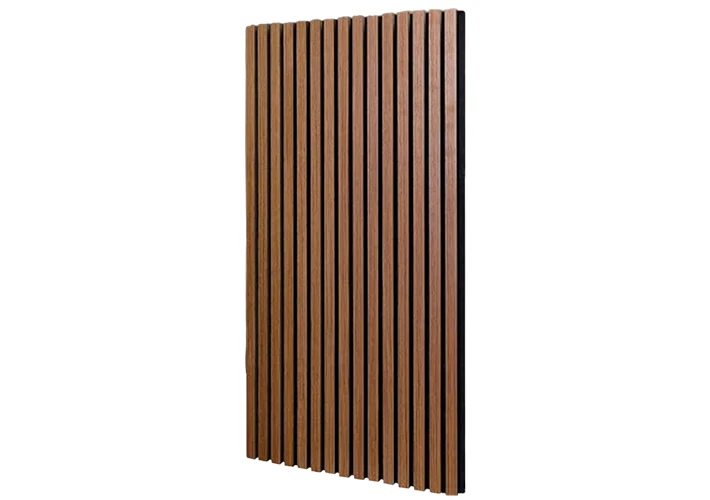
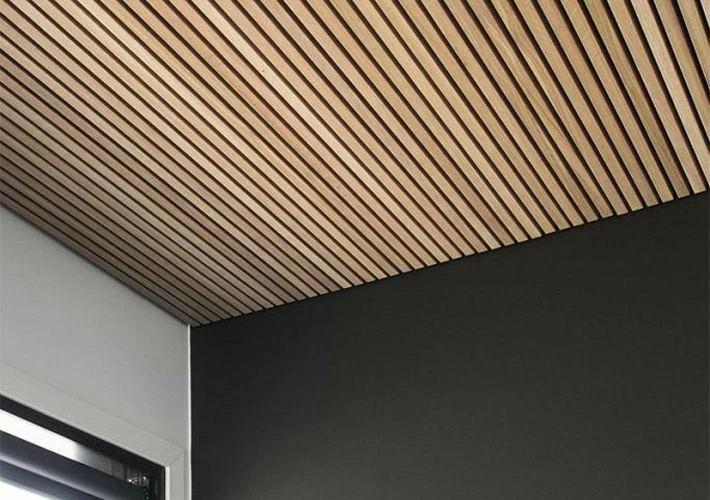
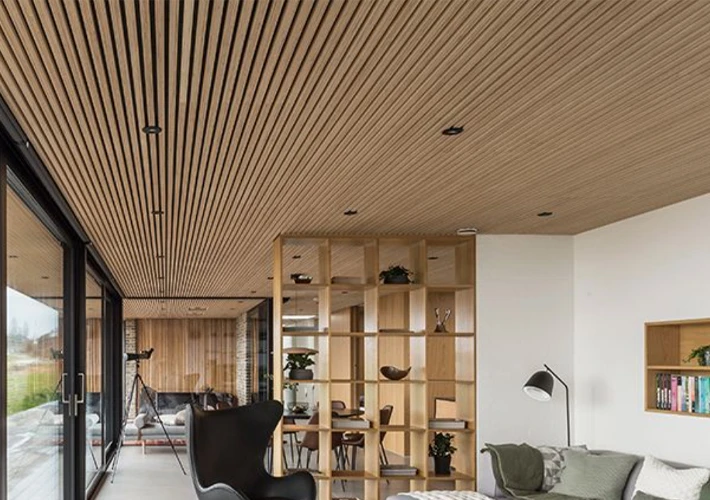
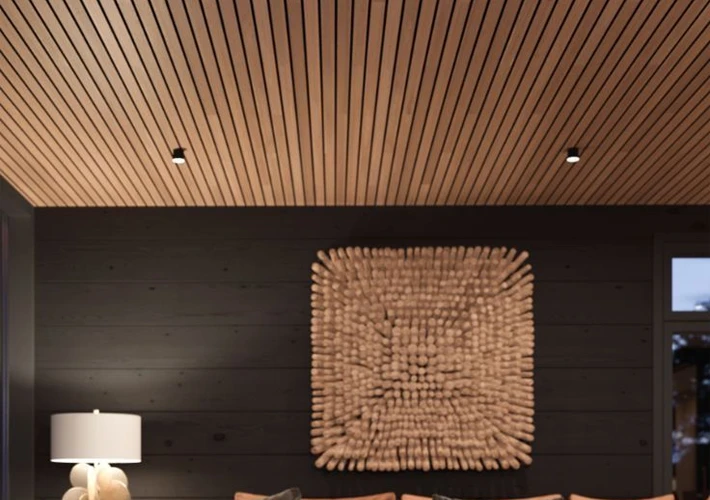
  • Wood slat designs
  • Fabric wrapped finishes
  • 3D sculptural panels
  • Perforated metal systems
  • Custom printed acoustic surfaces

This allows hotels to integrate acoustic performance without compromising design identity.

Acoustic ceilings can also serve as signature visual features in:

  • Boutique hotels
  • Luxury resorts
  • Lifestyle hotel brands

Cost effectiveness and ROI

Acoustic ceiling panels offer strong long-term value due to:

  • Reduced renovation complexity
  • Faster installation compared to structural modifications
  • Lower maintenance requirements
  • Improved guest satisfaction scores

Because they can be installed without major structural changes, they are ideal for hotel renovations and brand upgrades.

Indirect ROI drivers include:

  • Higher review ratings
  • Increased repeat bookings
  • Better corporate contract win rates
  • Lower staff stress and turnover

Better acoustic environments also improve staff working conditions, supporting retention and productivity.

Future trends in hotel acoustic ceiling design

The future of hotel acoustic ceiling systems is moving toward:

Smart acoustic integration

Integration with lighting, HVAC, and IoT building management systems.

Hybrid acoustic + decorative systems

Combining absorption, diffusion, and aesthetic features.

Sustainable material innovation

Increased use of bio-based and recycled materials.

Modular renovation systems

Faster installation for hotel refurbishment projects.

خاتمة

Acoustic ceiling panels have evolved from optional upgrades to essential infrastructure in modern hotel design. They improve guest sleep quality, enhance privacy, optimize public space comfort, support business event performance, and reduce operational costs.

As hospitality competition continues to focus on experience-driven value, sound comfort will become as important as visual design and service quality. Hotels that invest in acoustic ceiling solutions gain a measurable advantage in guest satisfaction, brand reputation, and long-term financial performance.

For hotel developers, architects, and operators, ceiling acoustic panels represent one of the most cost-effective ways to upgrade both guest experience and building performance simultaneously.

اتصل بنا

أرسل لنا رسالة على الواتس اب +86 189 5395 5575وسوف نقوم بالرد عليك على الفور!

    arArabic