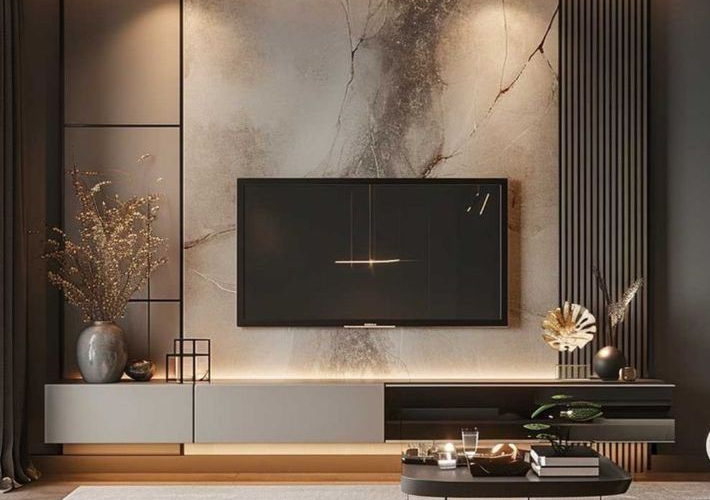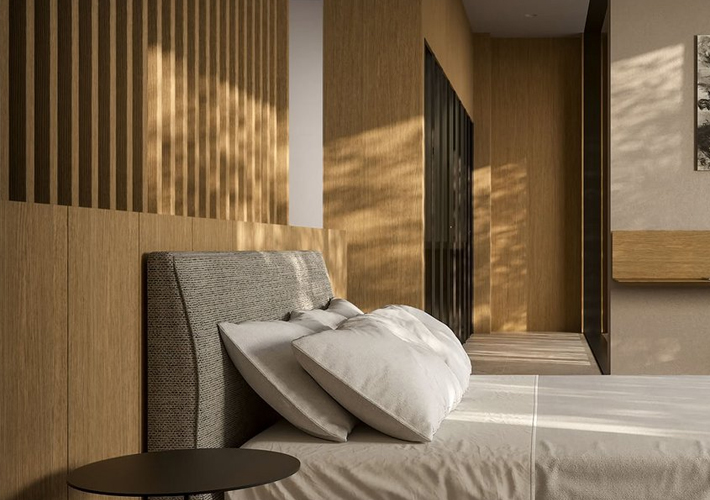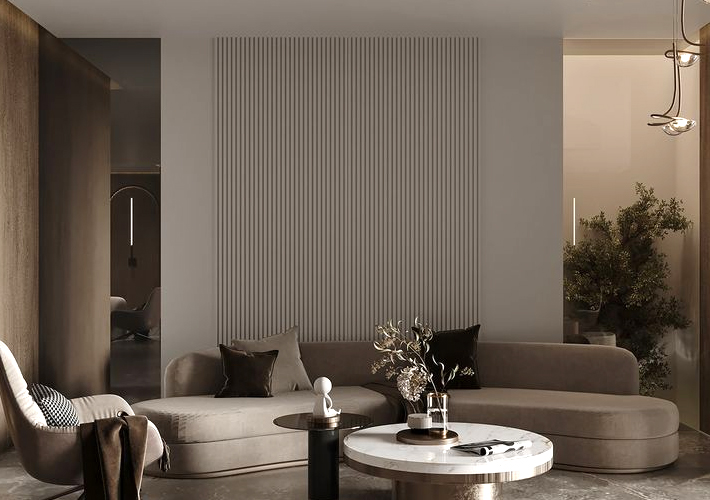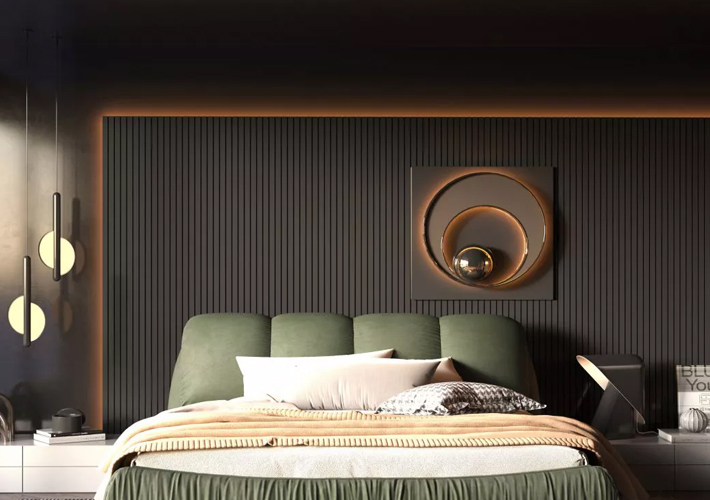
Interior decoration has evolved significantly in recent years, with a growing emphasis on sustainable and environmentally friendly materials. As people become more aware of the environmental impact of their purchasing decisions, interior designers, builders, and homeowners are increasingly choosing eco-friendly options for their interior spaces. This shift toward greener materials is driven by a desire to reduce waste, conserve resources, and promote healthier indoor environments. In this article, we will explore various types of environmentally friendly interior decoration materials, their benefits, applications, and how they contribute to a sustainable future.

1.Bamboo: The Green Marvel of Interior Design
الخيزران is one of the most sustainable materials available today. It grows quickly, requires little water, and absorbs carbon dioxide at a higher rate than many other plants. These properties make it an excellent choice for interior decoration, from flooring to furniture and wall panels.
Benefits:
Applications:
2.Cork: Renewable and Versatile
Cork is another renewable and environmentally friendly material used extensively in interior decoration. Harvested from the bark of cork oak trees, cork is a sustainable resource that can be reused for decades without damaging the tree. Cork's versatility and unique properties make it ideal for various applications in interior design.
Benefits:
Applications:

3.Recycled Wood: Giving New Life to Old Materials
Recycled wood is one of the most sustainable materials in the construction and interior decoration industry. This material repurposes old timber from structures like barns, factories, or old furniture, offering a unique, weathered aesthetic while contributing to waste reduction.
Benefits:
Applications:
4.WPC (Wood-Plastic Composite): Combining Sustainability with Innovation
Wood-Plastic Composite (WPC) is a composite material made from recycled wood fibers and plastic. WPC is becoming increasingly popular in interior design due to its blend of environmental sustainability and innovative features. It combines the natural appeal of wood with the durability and weather resistance of plastic.
Benefits:
Applications:

5.Recycled Glass: Elegant and Eco-Friendly
Recycled glass is a versatile material that has been gaining popularity in the interior design world due to its elegance and eco-friendliness. Glass that has been recycled is processed and transformed into tiles, countertops, and other interior finishes.
Benefits:
Applications:
6.Natural Stone: Timeless and Sustainable
Natural stone, such as granite, marble, and limestone, has been used for centuries in both interior and exterior decoration. These materials are sustainable when sourced responsibly, and their timeless beauty ensures they remain in demand.
Benefits:
Applications:

7.Hemp: A Renewable Fabric for Eco-Friendly Interiors
Hemp is one of the oldest cultivated fibers in human history, and its resurgence in recent years is due to its versatility and eco-friendly properties. Hemp can be used for various interior decoration purposes, including textiles, wall coverings, and even insulation.
Benefits:
Applications:
8.Low-VOC Paints and Finishes: Healthy and Safe Interior Air Quality
Traditional paints and finishes often contain volatile organic compounds (VOCs), which can be harmful to both the environment and human health. Low-VOC and no-VOC paints and finishes have become popular for interior decoration, offering a healthier, greener option.
Benefits:
Applications:
Different regions around the world show distinct preferences when it comes to environmentally friendly interior decoration materials, influenced by climate conditions, building standards, and cultural aesthetics.
In North America, materials such as recycled wood, cork wall panels, and low-VOC paints are widely adopted in both residential and commercial projects. Green building certifications like LEED strongly influence material selection, pushing designers toward recyclable and low-emission products.
In Europe, sustainability is deeply embedded in construction regulations. Natural stone sourced responsibly, hemp-based textiles, cork insulation, and recycled glass tiles are commonly specified, especially in hospitality and public buildings. Countries such as Germany, the Netherlands, and Scandinavia place strong emphasis on lifecycle assessment (LCA) and carbon footprint reduction.
In Asia-Pacific, including markets like Southeast Asia and Australia, WPC wall panels, bamboo-based materials, and moisture-resistant eco-composites are increasingly popular due to high humidity and rapid urban development. These regions value durability, ease of installation, and long-term maintenance performance alongside environmental benefits.
The application of sustainable interior materials differs significantly between commercial and residential projects.
ل commercial interiors—such as hotels, offices, shopping centers, and educational facilities—materials like WPC wall panels, recycled glass surfaces, and low-VOC finishes are preferred due to their durability, fire resistance options, and compliance with international safety standards. Acoustic performance and maintenance cost are also key decision factors.
In residential interiors, homeowners often prioritize comfort, aesthetics, and health. Bamboo flooring, cork flooring, hemp fabrics, and natural stone countertops are widely chosen for living rooms, bedrooms, and kitchens, offering a balance between sustainability and design appeal.
This distinction is crucial for global buyers and designers when selecting materials for different project types.
Green building certifications play a critical role in accelerating the adoption of environmentally friendly interior decoration materials worldwide.
Certifications such as LEED (USA), BREEAM (Europe)، و Green Star (Australia) encourage the use of recycled content, low-emission materials, and renewable resources. Materials like recycled wood, WPC, low-VOC paints, and cork panels often contribute positively to certification scoring.
As a result, developers and contractors increasingly require suppliers to provide environmental declarations, VOC testing reports، و recycled material content documentation, making eco-friendly materials not just a design choice but a compliance necessity.
Among all eco-friendly interior materials, WPC (Wood-Plastic Composite) stands out as one of the fastest-growing categories in global interior decoration markets.
Its popularity is driven by:
WPC wall panels and flooring are increasingly specified in hotels, serviced apartments, and commercial interiors across Asia, Europe, and the Middle East, especially in regions where traditional wood faces durability challenges.
One key misconception about environmentally friendly materials is that they are always more expensive. In reality, many sustainable interior materials offer better long-term cost efficiency.
Recycled wood, WPC, cork, and low-VOC finishes often reduce:
For global buyers and developers, especially in large-scale projects, lifecycle cost analysis increasingly favors eco-friendly materials over traditional alternatives.
خاتمة
The demand for environmentally friendly interior decoration materials continues to rise as people become more aware of the need to reduce their carbon footprint and live sustainably. From bamboo and cork to recycled glass and low-VOC paints, the options available today are both functional and aesthetically appealing. By incorporating these materials into interior design, we not only create beautiful spaces but also contribute to the health of our planet and its future. Sustainable living is no longer a niche movement; it’s becoming the standard for modern interior design, and the variety of eco-friendly materials available ensures that it’s easy to make sustainable choices.
أرسل لنا رسالة على الواتس اب +86 189 5395 5575وسوف نقوم بالرد عليك على الفور!