< img height="1" width="1" style="display:none" src="https://www.facebook.com/tr?id=573800378452652&ev=PageView&noscript=1" />

ما هي المواد المستخدمة في ألواح السقف الصوتية؟

Published on: 12 مارس, 2025
جدول المحتويات

مقدمة

Acoustic ceiling panels are widely used in modern architecture to control sound, reduce noise pollution, and improve speech clarity. They are commonly installed in offices, hotels, schools, hospitals, theaters, and commercial buildings where acoustic comfort is important.
ال material used in acoustic ceiling panels plays a crucial role in determining their sound absorption performance, fire resistance, durability, and aesthetic appearance. Different materials are designed to absorb or diffuse sound waves at different frequencies, making them suitable for various environments.
In this guide, we will explore the most commonly used materials for acoustic ceiling panels, including their composition, acoustic performance, advantages, disadvantages, and ideal applications.

Types of Acoustic Ceiling Panel Materials

1.1 Mineral Fiber Acoustic Ceiling Panels

Composition:

Mineral fiber panels are manufactured using a blend of natural and synthetic minerals such as basalt, slag wool, and fiberglass. These are mixed with starch, clay, and recycled paper fibers to create a sound-absorbing structure.

Key Features:

  • Noise Reduction Coefficient (NRC): 0.50 – 0.90, depending on thickness and density
  • Fire-resistant properties
  • Available in various textures and perforation designs
  • Lightweight, making installation easy

المزايا:

✔ High sound absorption, particularly for mid-frequency sounds
✔ Fire-resistant and meets most building safety regulations
✔ Cost-effective compared to other acoustic materials
✔ Lightweight and easy to install

العيوب:

✖ Absorbs moisture, leading to sagging or discoloration in humid environments
✖ Limited design options compared to wood or metal

Best Applications:

  • Offices and commercial spaces for reducing ambient noise
  • Educational institutions such as classrooms and lecture halls
  • Healthcare facilities where sound control is important for patient comfort

1.2 Fiberglass Acoustic Ceiling Panels

Composition:

Made from tightly woven glass fibers, fiberglass panels are lightweight and highly effective at absorbing sound waves.

Key Features:

  • NRC: 0.70 – 0.95
  • High fire resistance
  • Available in smooth, textured, or fabric-wrapped designs
  • Moisture and mold-resistant

المزايا:

✔ Superior sound absorption, particularly in high-frequency ranges
✔ Lightweight and easy to handle
✔ Resistant to moisture and mold growth
✔ Highly customizable in terms of shape, size, and colors

العيوب:

✖ Requires careful handling due to the fine glass particles
✖ Higher cost compared to mineral fiber panels

Best Applications:

  • Theaters and recording studios requiring high sound clarity
  • Cinemas and conference halls where speech intelligibility is crucial
  • Music rooms and rehearsal spaces

1.3 Metal Acoustic Ceiling Panels (Aluminum or Steel)

Composition:

Metal panels are typically made from perforated aluminum or steel with an acoustically absorbent backing material such as fiberglass or fabric.

Key Features:

  • NRC: 0.50 – 0.70 (higher when paired with acoustic backing)
  • Fireproof and highly durable
  • Resistant to moisture, mold, and mildew

المزايا:

✔ Long-lasting and highly durable
✔ Fire-resistant and ideal for safety-critical applications
✔ Easy to clean and maintain
✔ Modern aesthetic suitable for industrial-style interiors

العيوب:

✖ Limited sound absorption unless paired with additional acoustic backing
✖ Higher installation cost compared to traditional materials

Best Applications:

  • Airports and shopping malls requiring durability and easy maintenance
  • Industrial and commercial buildings with high fire safety requirements
  • Modern office spaces with an industrial design theme

1.4 Wooden Acoustic Ceiling Panels

Composition:

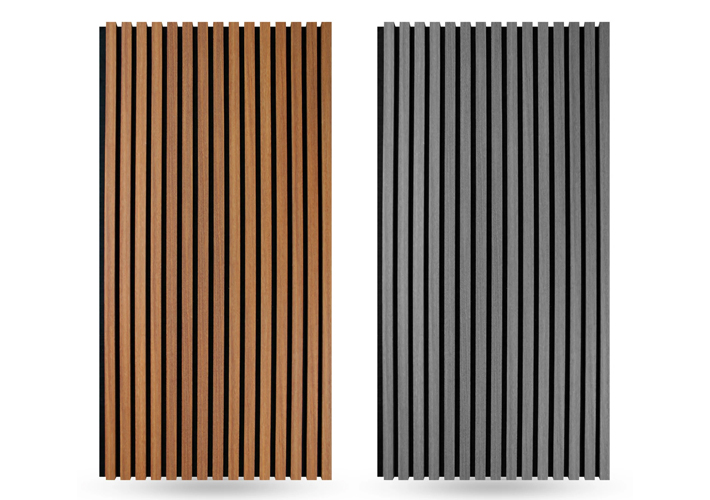
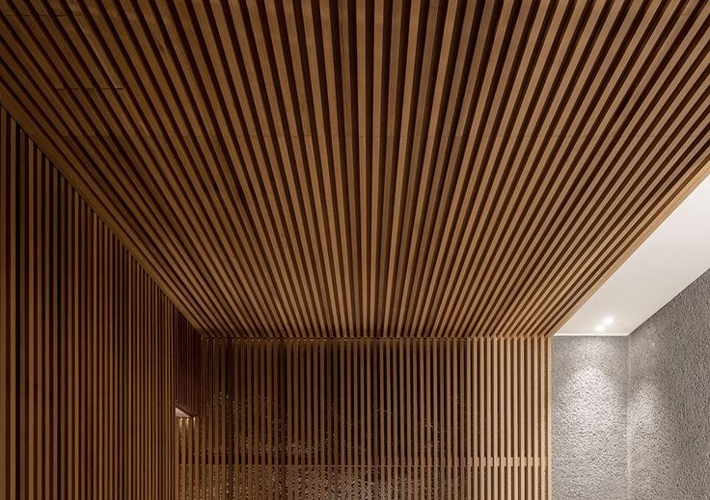
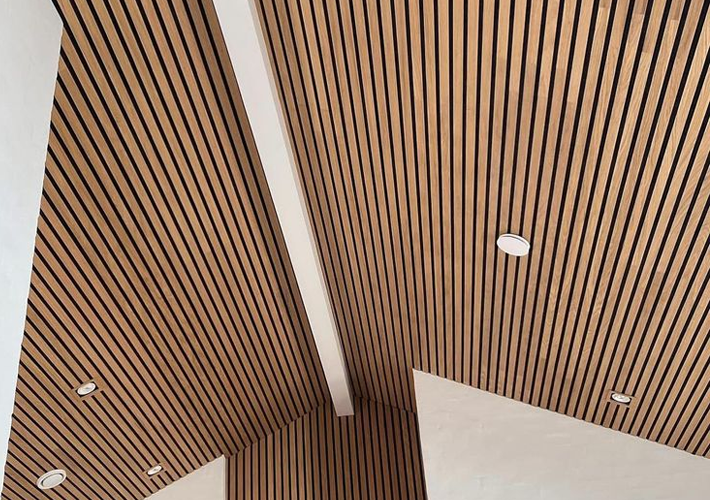
مصنوعة من MDF (Medium Density Fiberboard), plywood, or solid wood, wooden acoustic panels typically feature perforations, slats, or grooves to enhance sound absorption.

Key Features:

  • NRC: 0.60 – 0.85
  • Provides both sound diffusion and absorption
  • Adds natural aesthetics to any space

المزايا:

✔ Warm, natural aesthetics that enhance interior design
✔ Provides good sound absorption with properly designed perforations
✔ Available in various finishes, including veneers and laminates

العيوب:

✖ Susceptible to moisture damage if not properly sealed
✖ Requires more maintenance compared to synthetic materials

Best Applications:

  • Concert halls and auditoriums requiring acoustic performance with elegant aesthetics
  • Luxury hotels and restaurants
  • Corporate boardrooms where aesthetics and function matter

1.5 Polyester Fiber Acoustic Ceiling Panels

Composition:

Made from compressed polyester fibers, often derived from recycled plastic bottles, making them an صديق للبيئة acoustic solution.

Key Features:

  • NRC: 0.60 – 0.90
  • Flame-retardant and moisture-resistant
  • Available in a variety of colors and designs

المزايا:

✔ Excellent sound absorption for mid and high-frequency noises
✔ Lightweight and easy to install
✔ Non-toxic and environmentally friendly
✔ Customizable in shape and color

العيوب:

✖ Less effective for low-frequency sound absorption
✖ May require additional treatment in very noisy environments

Best Applications:

  • Office environments to reduce noise pollution
  • Schools and educational buildings
  • Home theaters and gaming rooms

1.6 Foam Acoustic Panels (Polyurethane or Melamine)

Composition:

Foam panels are made from polyurethane or melamine foam, often molded into pyramid, wedge, or egg-crate shapes to enhance sound absorption.

Key Features:

  • NRC: 0.70 – 1.00
  • Low-density and flexible
  • Available in self-adhesive formats for easy installation

المزايا:

✔ Budget-friendly acoustic solution
✔ Excellent absorption of mid-to-high frequencies
✔ Easy to install and remove

العيوب:

✖ Not highly durable; prone to wear and tear
✖ Lower fire resistance unless treated

Best Applications:

  • Home recording studios and podcast rooms
  • Gaming setups and home theaters
  • Rehearsal spaces and small performance venues

1.7 Gypsum Acoustic Ceiling Panels

Composition:

مصنوعة من calcium sulfate dihydrate (gypsum) and sometimes combined with sound-absorbing layers for improved performance.

Key Features:

  • NRC: 0.50 – 0.80
  • Highly fire-resistant
  • Heavy-duty and impact-resistant

المزايا:

✔ Provides good acoustic performance in large spaces
✔ Resistant to fire and high temperatures
✔ Long-lasting and durable

العيوب:

✖ Heavier than other acoustic materials, requiring a strong framework
✖ Installation can be more complex

Best Applications:

  • Conference halls and large commercial spaces
  • Luxury hotels and premium office spaces
  • Educational and healthcare institutions

1.8 Fabric-Wrapped Acoustic Ceiling Panels

Composition:

Fabric-wrapped panels consist of a core material (fiberglass, mineral wool, or foam) covered with an acoustically transparent fabric.

Key Features:

  • NRC: 0.70 – 0.95
  • High aesthetic appeal
  • Customizable in texture, color, and shape

المزايا:

✔ High-performance sound absorption
✔ Enhances the visual appeal of a space
✔ Available in various textures and designs

العيوب:

✖ Requires maintenance to prevent staining or fabric wear
✖ Can be costly compared to simpler materials

Best Applications:

  • Theaters and concert venues
  • Luxury office spaces and hotels
  • Corporate boardrooms and meeting rooms

How to Choose the Right Acoustic Ceiling Panel Material

Choosing the right acoustic ceiling material depends on several factors:

1.Acoustic Performance

Spaces requiring high sound control should use materials with NRC above 0.80, such as fiberglass or polyester fiber panels.

2.Moisture Resistance

In humid environments like kitchens or transportation hubs, metal or fiberglass panels are more suitable.

3.Aesthetic Requirements

High-end commercial projects often prefer wood acoustic panels or fabric-wrapped panels.

4.Budget Considerations

Mineral fiber panels remain one of the most cost-effective acoustic ceiling solutions.

5.Fire Safety

Commercial buildings often require fire-rated acoustic ceiling panels that comply with local safety regulations.

خاتمة

Acoustic ceiling panels are essential for improving sound quality and creating comfortable indoor environments. The material used in these panels significantly influences their acoustic performance, durability, fire resistance, and design flexibility.

Common materials such as mineral fiber, fiberglass, metal, wood, polyester fiber, foam, and gypsum each offer unique benefits and are suited to different architectural and acoustic requirements.

By understanding the characteristics of each material, architects, designers, and contractors can select the most suitable acoustic ceiling solution for offices, hotels, educational institutions, and commercial buildings.

اتصل بنا

أرسل لنا رسالة على الواتس اب +86 189 5395 5575وسوف نقوم بالرد عليك على الفور!

    arArabic