< img height="1" width="1" style="display:none" src="https://www.facebook.com/tr?id=573800378452652&ev=PageView&noscript=1" />

How Acoustic Panels Improve Sound Quality in Hotels

Published on: 09 يناير, 2026
جدول المحتويات

Introduction: Acoustic Quality Is Now a Core Metric of Hotel Value

In the global hospitality industry, guest experience has become increasingly measurable. Online reviews, brand perception, occupancy rates, and average daily room prices are all influenced by factors that guests may not consciously notice—but sound quality is one of the most decisive among them.

For hotel investors, acoustic comfort is directly linked to asset performance and long-term return on investment.
For architects and designers, acoustics determine whether a space feels calm, professional, and premium—or chaotic and stressful.
For wholesalers and project contractors, acoustic solutions must be cost-effective, scalable, compliant, and easy to install.

As a China-based acoustic panel manufacturer supplying hotels worldwide, we have worked with business hotels, luxury resorts, serviced apartments, and mixed-use developments. Across these projects, one conclusion is consistent:

Hotels that invest in professional acoustic panels achieve higher guest satisfaction, fewer operational complaints, and stronger brand competitiveness.

This article provides a comprehensive explanation of how acoustic panels improve sound quality in hotels, with a clear focus on commercial value, architectural logic, and B2B sourcing decisions.

Why Poor Hotel Acoustics Create Long-Term Business and Investment Risks

From a hotel investment perspective, noise is not a minor inconvenience—it is a systemic operational risk.

1.Noise Is One of the Top Causes of Negative Hotel Reviews

Across major booking platforms, noise-related complaints frequently include:

  • “Could hear people talking next door”
  • “Corridor noise at night”
  • “Echo in the lobby and restaurant”
  • “Poor sound insulation”

Even when hotels meet visual and service expectations, poor acoustics can significantly reduce overall ratings.

2.Acoustic Problems Are Hard to Fix After Opening

Unlike furniture or décor, acoustic performance is embedded in:

  • Space volume
  • Surface materials
  • Interior layout

Once a hotel is operational, structural changes become expensive and disruptive. Acoustic panels offer one of the few post-construction solutions that can dramatically improve sound quality without major reconstruction.

3.Traditional Building Materials Are Not Designed for Acoustic Comfort

Concrete, stone, glass, and tiles—commonly used in hotels—are acoustically reflective. While they provide durability and aesthetics, they also:

  • Increase reverberation time
  • Amplify background noise
  • Reduce speech intelligibility

Without acoustic panels, even high-end hotels can feel noisy and uncomfortable.

How Acoustic Panels Improve Sound Quality from an Acoustic Engineering Perspective

To understand the value of acoustic panels, it is essential to understand how sound behaves inside hotel spaces.

1.Reflection, Reverberation, and Perceived Noise

Sound waves reflect off hard surfaces. In hotels, this leads to:

  • Echo in large lobbies
  • Noise buildup in corridors
  • Unclear speech in restaurants and meeting rooms

The human brain interprets excessive reflection as “loudness,” even if actual decibel levels are moderate.

2.What Acoustic Panels Actually Do

Acoustic panels are designed to absorb reflected sound energy. When sound enters the panel:

  • It passes through porous or perforated surfaces
  • Energy is dissipated through friction
  • Reflected sound is reduced

This results in:

  • Shorter reverberation time (RT60)
  • Lower background noise perception
  • Clearer speech and calmer environments

3.Acoustic Panels vs Soundproofing Materials

For hotel decision-makers, this distinction is critical:

  • Soundproofing blocks sound transmission between rooms
  • Acoustic panels improve sound quality within rooms

Most hotel complaints are not about extreme noise, but about uncomfortable acoustic environments, which acoustic panels address directly and efficiently.

High-ROI Hotel Areas Where Acoustic Panels Deliver Maximum Impact

From a B2B project perspective, not all areas deliver equal returns. The following zones provide the highest acoustic ROI.

Guest Rooms: Protecting the Core Revenue Asset

Guest rooms are where noise sensitivity is highest. Acoustic panels:

  • Reduce echo and sound reflection
  • Improve sleep quality
  • Enhance perceived privacy

Common applications include:

  • Headboard wall acoustic panels
  • Ceiling-mounted panels
  • Panels on shared walls between rooms

These solutions improve comfort without reducing room size—critical for hotel operators.

Corridors and Hallways: The Hidden Noise Channels

Corridors amplify:

  • Footsteps
  • Luggage wheels
  • Housekeeping carts
  • Late-night conversations

Acoustic panels installed on ceilings or walls:

  • Prevent sound from traveling into guest rooms
  • Reduce nighttime disturbance
  • Improve overall quietness perception

For wholesalers, corridor solutions are standardized, repeatable, and cost-efficient.

Lobbies, Restaurants, and Public Areas

Large public spaces often suffer from:

  • Long reverberation times
  • Poor speech clarity
  • Excessive background noise

Acoustic panels:

  • Improve communication at reception desks
  • Enhance dining comfort
  • Support premium brand positioning

Decorative acoustic panels are increasingly used as design features, not hidden elements.

Conference Rooms, Ballrooms, and Business Facilities

Business hotels and MICE-focused properties rely on:

  • Clear speech intelligibility
  • Reliable AV performance

Acoustic panels are now standard specifications for:

  • Meeting rooms
  • Ballrooms
  • Executive lounges

Without them, even expensive AV systems perform poorly.

Wellness, Spa, and Fitness Areas

Different hotel zones require different sound environments:

  • Gyms need controlled impact noise
  • Spas require quiet, calming atmospheres

Acoustic panels enable zoning without heavy construction.

Acoustic Panel Types for Hotel Projects (B2B Selection Logic)

From a China factory and B2B supplier perspective, hotel projects typically choose panels based on performance, durability, compliance, and cost control.

Fabric-Wrapped Acoustic Panels

  • High sound absorption
  • Flexible sizing and colors
  • Ideal for guest rooms and meeting spaces

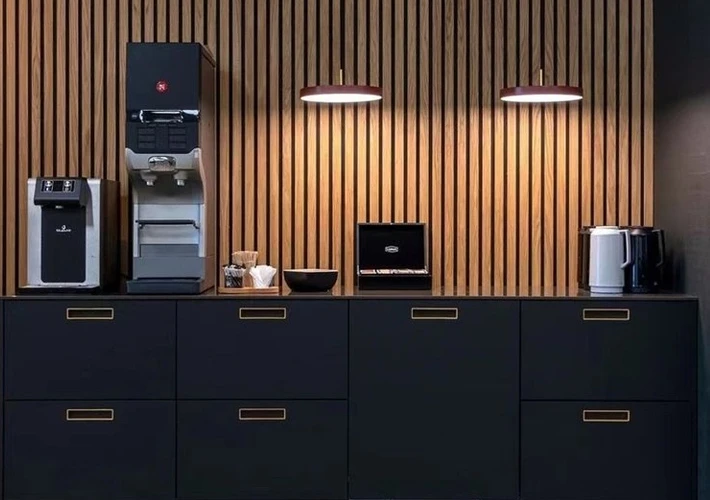
Wooden Slat Acoustic Panels

  • Strong decorative value
  • Popular in modern and luxury hotels
  • Combine wood aesthetics with acoustic backing

PET Polyester Acoustic Panels

  • Made from recycled materials
  • Lightweight and moisture-resistant
  • Suitable for sustainable hotel projects

Perforated MDF or Gypsum Acoustic Panels

  • Cost-effective for large-scale developments
  • Suitable for corridors and public areas
  • Available with fire-rated options

Professional manufacturers help hotels balance acoustic performance with budget constraints.

Architectural Integration, Fire Safety, and Renovation Advantages

Acoustic Panels as Design Elements

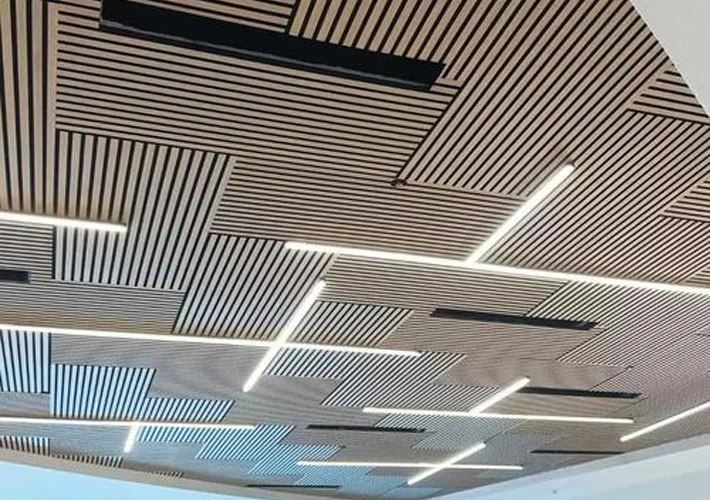
Modern hotel design integrates acoustic panels into:

  • Feature walls
  • Ceiling systems
  • Brand identity concepts

Factory-direct customization enables architects to achieve design goals while controlling costs.

Fire Safety and International Compliance

For global hotel projects, acoustic panels must meet:

  • Fire ratings (B1, B-s1,d0, Class A)
  • VOC and indoor air quality standards
  • Local building regulations

Reliable China factories produce panels compliant with European, American, and Middle Eastern standards.

Renovation-Friendly Solution

Acoustic panels are ideal for operating hotels:

  • Fast installation
  • Minimal disruption
  • Phased renovation possible

This makes them a preferred solution for asset upgrades and repositioning projects.

Why Global Hotel Investors and Wholesalers Source Acoustic Panels from China

China has become a major global supply base for hotel acoustic panels due to:

  • Large-scale production capacity
  • Stable quality control systems
  • Competitive pricing
  • Customization for international projects

For hotel investors, acoustic panels deliver strong ROI through:

  • Higher guest satisfaction
  • Fewer complaints
  • Improved brand competitiveness
  • Increased long-term asset value

Conclusion: Acoustic Panels Are a Strategic Investment, Not a Decorative Option

For hotel investors, architects, and wholesale buyers, acoustic panels are essential building components, not optional accessories.

They improve:

  • Sound quality
  • Guest comfort
  • Operational efficiency
  • Financial performance

When sourced from experienced manufacturers and integrated correctly, acoustic panels provide one of the highest returns on investment in hotel construction and renovation.

In an increasingly competitive hospitality market, acoustic comfort is no longer a luxury—it is a standard expectation.

اتصل بنا

أرسل لنا رسالة على الواتس اب +86 189 5395 5575وسوف نقوم بالرد عليك على الفور!

    arArabic