Top 10 Benefits of Acoustic Panels for Soundproofing Offices, Homes, and Studios

Published on: 21 Juil, 2025
Table des matières

In an increasingly noisy world, the demand for better acoustic environments is growing rapidly—not just in recording studios, but also in homes, offices, and public spaces. Whether you're dealing with the chatter of open-plan offices, the hum of air conditioning units in homes, or the fine-tuning of sound quality in professional studios, acoustic panels have become an essential soundproofing solution.

Cet article explore les top 10 benefits of panneaux acoustiques, with a focus on their applications in offices, homes, and studios. We’ll also look at the materials, performance metrics, and how choosing the right panel can significantly impact the effectiveness of soundproofing.

What Do Acoustic Panels Actually Do?

Acoustic panels are designed primarily to absorb sound reflections inside a room, helping reduce echo, reverberation, and excessive reflected noise. They are particularly useful in offices, conference rooms, hotel interiors, restaurants, classrooms, podcast rooms, and other spaces where speech clarity and acoustic comfort matter.

However, acoustic panels are not the same as complete soundproofing systems. Standard decorative acoustic panels generally improve the sound inside a room but do not necessarily prevent noise from passing through walls, floors, doors, or windows. Projects that require strong sound isolation may also need additional measures, such as airtight construction, insulated partitions, acoustic doors, and properly designed wall or ceiling assemblies.

For commercial buyers, understanding this difference is essential. Selecting products according to the actual acoustic problem helps avoid unnecessary costs and improves the likelihood of achieving the intended project results.

In short, acoustic panels are most effective when their sound absorption performance, installation method, coverage area, and application are matched to the requirements of the space.

Enhanced Sound Insulation and Noise Reduction

The most obvious benefit of acoustic panels is their ability to absorb sound and reduce noise levels. Unlike hard surfaces that reflect sound waves, acoustic panels are made of porous materials like foam, fabric, PET, or mineral wool that trap and dampen sound energy.

  • For offices: This results in a quieter, more focused work environment, reducing distractions and improving employee productivity.
  • For homes: It minimizes unwanted noise from neighboring rooms or external sources, creating a more peaceful living space.
  • For studios: It ensures high-quality sound recording and mixing by preventing echo and reverb.

Technical Note:

Les Noise Reduction Coefficient (NRC) of high-quality acoustic panels typically ranges from 0.7 to 1.0, meaning they can absorb 70–100% of the sound that hits them.

How to Understand NRC Ratings When Buying Acoustic Panels

The Noise Reduction Coefficient (NRC) is a useful indicator when comparing sound-absorbing materials. It summarizes sound absorption performance across specified test frequencies on a scale commonly reported from 0 to 1. A higher NRC generally indicates greater average sound absorption under the relevant test conditions.

For example, an acoustic panel with an NRC of 0.80 is generally a stronger sound-absorption option than a comparable panel with an NRC of 0.40. However, NRC alone does not determine the acoustic performance of an entire room. Results also depend on the panel thickness, mounting method, air gap behind the panel, total installed coverage, room dimensions, and the frequencies that need to be controlled.

Importers, distributors, and project contractors should request product-specific test reports rather than relying only on general performance claims. When comparing suppliers, confirm that the reported NRC applies to the exact panel construction and installation configuration being quoted.

For offices and meeting rooms, speech clarity and reverberation control may be the primary objectives. For recording studios, the design may also need to address frequency-dependent reflections and room modes. These requirements should be considered before finalizing panel specifications.

Improved Speech Intelligibility

Poor acoustics make conversations difficult to follow, particularly in large or open spaces. By reducing echo and background noise, acoustic panels improve speech clarity.

  • In open-plan offices, employees can hear and understand each other better, which supports teamwork.
  • In home theaters or classrooms, viewers and students enjoy clearer dialogues and lectures.
  • In studios, voice recordings are sharper and require less post-production editing.

Case Study:

A study in educational spaces found that installing acoustic panels increased speech intelligibility scores by over 30%, leading to better student comprehension.

How Much Acoustic Panel Coverage Does a Commercial Room Need?

The amount of acoustic panel coverage required depends on the room's volume, existing finishes, intended use, and target reverberation time. There is no single coverage percentage that works for every office, hotel, restaurant, or studio.

A practical project assessment starts with the room dimensions, ceiling height, floor and wall materials, occupancy, and main noise sources. Hard surfaces such as glass, tile, concrete, and untreated plasterboard can reflect sound and contribute to excessive reverberation. Adding suitable absorptive panels to selected walls or ceilings can help control these reflections.

For a commercial project, buyers should consider the following factors:

  • Room function: Conference rooms, hotel lobbies, restaurants, and recording studios have different acoustic requirements.
  • Panel specifications: Thickness, core material, surface construction, and mounting details affect performance.
  • Installation area: The location and total area of treatment influence the result.
  • Project constraints: Fire-performance requirements, cleaning needs, moisture exposure, design consistency, and installation access may affect product selection.

For larger projects, consult an acoustic professional when specific reverberation targets, speech privacy requirements, or formal performance criteria must be met. A supplier can then help identify suitable product options based on the confirmed project specifications.

Aesthetic Enhancement with Custom Design Options

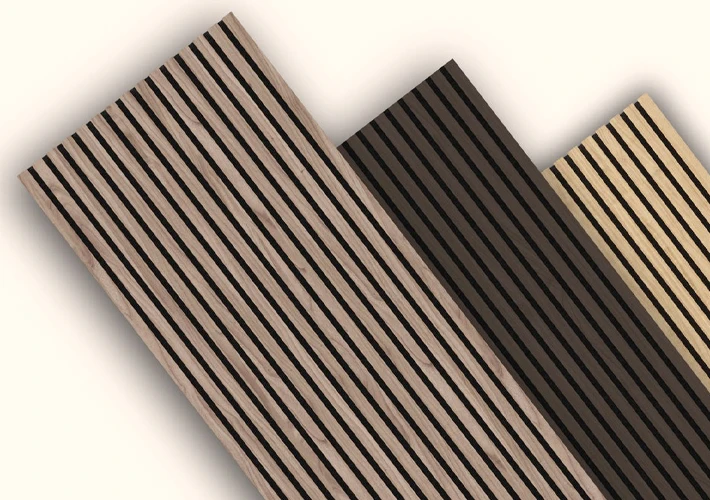
Modern acoustic panels are not only functional but also visually appealing. Available in a wide variety of textures, colors, shapes, and sizes, they can blend with or enhance interior design.

  • Bureaux can use panels as part of a branding strategy by printing logos or company colors.
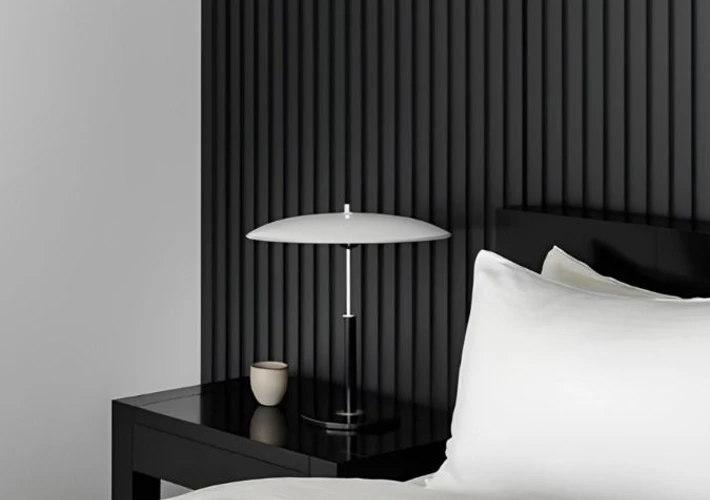
  • Homes benefit from decorative slat wood panels or 3D wall tiles that add depth and elegance.
  • Studios often feature layered designs and lighting integration for creative environments.

Tip:

Choisir bambou placage bois charbon de bois ou slatted acoustic panels for a balance between high performance and premium aesthetics.

Decorative Acoustic Panels for Hotels and Commercial Interiors

For hotel developers, interior contractors, architects, and material distributors, acoustic performance is only one part of the purchasing decision. The product must also complement the interior concept, meet installation requirements, and remain consistent across multiple rooms or project phases.

Decorative acoustic slat panels, fabric-wrapped panels, PET acoustic panels, and selected wood-look finishes can help combine visual appeal with sound absorption. They may be specified for hotel reception areas, guestroom feature walls, corridors, meeting rooms, office partitions, and restaurant interiors, subject to the product's tested performance and suitability for the installation environment.

When sourcing decorative acoustic panels in bulk, buyers should confirm the available colors, surface finishes, panel dimensions, edge details, mounting systems, and sample approval process. For projects involving multiple buildings or phases, consistency between approved samples and subsequent production batches is particularly important.

A customized panel should not be selected on appearance alone. Buyers should verify the acoustic test data, substrate compatibility, fire-performance documentation where required, and maintenance instructions before approving the final specification.

Easy Installation and Flexibility

Most acoustic panels are designed for quick and easy installation. They can be mounted on walls or ceilings using adhesive, nails, clips, or even magnetic systems.

  • Modular panels allow flexible arrangements and can be repositioned or expanded as needs change.
  • Suspended ceiling baffles are ideal for large spaces like conference halls or rehearsal rooms.
  • Portable sound panels can be moved or folded for temporary use, such as mobile recording booths.

Acoustic Comfort and Mental Well-Being

Excessive noise is more than an annoyance—it can lead to stress, fatigue, and reduced cognitive function. Acoustic panels promote a more comfortable environment by lowering background noise levels.

  • In offices, this leads to lower stress levels and better job satisfaction.
  • In homes, especially urban apartments, acoustic panels help create a relaxing atmosphere.
  • In music studios, a calm and focused environment is critical for creativity and concentration.

Research Insight:

Studies show that noise pollution increases stress hormone levels by up to 30%. Proper acoustic treatment can help mitigate this.

Increased Productivity and Focus

Workplace studies consistently show that acoustic comfort is directly linked to productivity. Reducing background noise and improving concentration levels is crucial, especially in open-plan or co-working spaces.

  • According to a Steelcase study, productivity can improve by up to 15% in acoustically treated offices.
  • In home offices, acoustic panels reduce distractions from traffic, children, or appliances.
  • Studios and edit rooms benefit from uninterrupted work, especially during long sessions.

Enhanced Privacy and Confidentiality

In many settings, confidential conversations must remain private. Acoustic panels provide sound masking and barrier properties that reduce sound transmission between rooms.

  • In offices, this ensures client meetings, HR discussions, or medical consultations are protected.
  • In homes, it reduces sound leakage between bedrooms, bathrooms, and living spaces.
  • In recording studios, it prevents bleed from adjacent rooms or instruments.

Product Suggestion:

Use high-density acoustic wall panels with STC (Sound Transmission Class) ratings for maximum privacy.

Energy Efficiency and Temperature Regulation

Certain acoustic panels—especially those made from mineral wool or dense foam—provide thermal insulation benefits alongside soundproofing.

  • This helps maintain indoor temperatures, reducing heating and cooling costs.
  • In large office buildings, this can translate into significant energy savings.
  • Pour home theaters or studios, temperature control enhances comfort during long hours of use.

Sustainable and Eco-Friendly Options

With growing attention to environmental responsibility, many acoustic panels are now made from recycled and sustainable materials.

  • PET acoustic panels, made from recycled plastic bottles, are lightweight, durable, and safe.
  • Bamboo-based panels are naturally renewable and add a warm, natural look to interiors.
  • Formaldehyde-free panels meet international indoor air quality standards, ensuring safety for children and pets.

Certification Examples:

Look for products with LEED points, GREENGUARD Gold, or RoHS compliance for green building projects.

Versatile Applications Across Various Spaces

Acoustic panels are highly adaptable and can be used in numerous residential, commercial, and industrial settings:

Bureaux :

  • Conference rooms
  • Open workspaces
  • Call centers
  • CEO cabins

Homes:

  • Living rooms
  • Théâtres à domicile
  • Chambres à coucher
  • Home studios

Studios :

  • Recording booths
  • Mixing rooms
  • Broadcast studios
  • Podcast rooms

Other:

  • Hotels, restaurants, schools, libraries, hospitals, and more.

Their modular and customizable nature makes them a go-to solution for both new construction and renovation projects.

How to Choose an Acoustic Panel Manufacturer for Bulk Orders

For importers, wholesalers, building-material distributors, and commercial project contractors, choosing an acoustic panel manufacturer involves more than comparing unit prices. Product consistency, documented performance, customization capabilities, packaging, and export coordination can all affect the total cost and reliability of a project.

Before placing a bulk order, buyers should evaluate the following areas:

1. Product specifications and testing

Ask for the exact panel dimensions, thickness, material composition, installation instructions, and available acoustic test reports. NRC values should be supported by relevant test documentation. If a project has fire-safety or indoor-air-quality requirements, request the applicable certificates or test reports for the specific product.

2. Customization and product consistency

For projects with a defined interior design, confirm whether the manufacturer can provide the required colors, surface finishes, panel sizes, and compatible accessories. Approve a physical sample before mass production and clarify the acceptable tolerances for dimensions, color, and surface appearance.

3. Installation and technical support

Confirm the recommended fixing method, substrate requirements, accessory list, and installation sequence. Clear technical information helps installers plan labor, reduce material waste, and coordinate acoustic panels with lighting, electrical fixtures, and other interior finishes.

4. Packaging and international shipping

For export orders, review protective packaging, carton or pallet specifications, loading arrangements, shipping marks, and documentation requirements. Packaging should be suitable for the product's dimensions and the planned transport method.

5. Quotation and order planning

Compare quotations on a like-for-like basis. Confirm the minimum order quantity, sample cost, production lead time, customization charges, payment terms, and warranty conditions. A lower quoted unit price may not represent better overall value if important accessories, packaging, or testing documents are excluded.

A reliable supplier should provide clear answers to these questions and help buyers match the product to the project's technical and commercial requirements.

For B2B buyers sourcing from China, requesting samples and a detailed quotation is a practical first step toward evaluating product quality, design suitability, and long-term supply capability.

Frequently Asked Questions About Acoustic Panels

Do acoustic panels soundproof a room?

Acoustic panels primarily absorb reflected sound and reduce echo and reverberation inside a room. They do not automatically provide soundproofing between rooms. Effective sound isolation usually requires a properly designed wall, ceiling, floor, door, or window assembly.

What is a good NRC rating for acoustic panels?

The appropriate NRC depends on the application and the specific product. A higher NRC generally indicates greater average sound absorption, but buyers should also consider panel thickness, mounting configuration, frequency-dependent performance, and total coverage area. Always check the relevant product test report.

Where are acoustic panels commonly used in commercial projects?

Common applications include open-plan offices, conference rooms, hotel lobbies, guestroom feature walls, restaurants, classrooms, podcast rooms, and recording studios. The appropriate product depends on acoustic objectives, interior design, fire requirements, and environmental conditions.

Are decorative acoustic panels suitable for hotel projects?

They can be suitable when their acoustic performance, surface durability, installation system, and relevant fire-performance documentation meet the project's specifications. Buyers should verify these requirements before approving the product for installation.

What should importers check before ordering acoustic panels from China?

Importers should compare product specifications, acoustic test reports, customization options, minimum order quantities, sample approval procedures, production lead times, packaging, shipping arrangements, and warranty terms. For commercial projects, it is also important to confirm that the quoted product matches the approved sample and project requirements.

Can acoustic panels be customized for wholesale orders?

Customization options depend on the manufacturer and product range. Potential options include panel dimensions, colors, finishes, surface patterns, and installation accessories. Buyers should confirm the available options, minimum quantities, costs, and production schedule with the supplier before placing an order.

Conclusion: A Sound Investment for Comfort and Performance

Whether you're designing a peaceful home, a productive office, or a world-class recording studio, acoustic panels offer a multitude of advantages. From improving sound quality and aesthetics to promoting wellness and confidentiality, they are an investment that delivers both immediate and long-term value.

For bulk buyers, importers, and project managers, working with a professional acoustic panel manufacturer in China can ensure:

  • High-quality materials
  • Competitive factory prices
  • Customizable designs
  • Fast international shipping

If you're looking for a reliable supplier of acoustic panels for your next project, contact us today for free samples, factory quotes, and expert consultation.

Recherche
Dernier blog

1200 x 600 Marble SPC Wall Panels: Design Options and Bulk Buying Guide

Oct 22, 2026

Where Can Teak-Colored Acoustic Panels Be Used?

Oct 20, 2026

Primary Application Scenarios for 3D Deep-Vein PVC Marble Sheets

Oct 16, 2026

Why Choose a Chinese WPC Louver Factory as Your Supplier?

Oct 13, 2026

Bamboo Wall Panels for Hotel Interiors: Benefits and Applications

Oct 09, 2026

Are SPC Wall Panels Waterproof Enough for Showers?

Sep 30, 2026
fr_FRFrench