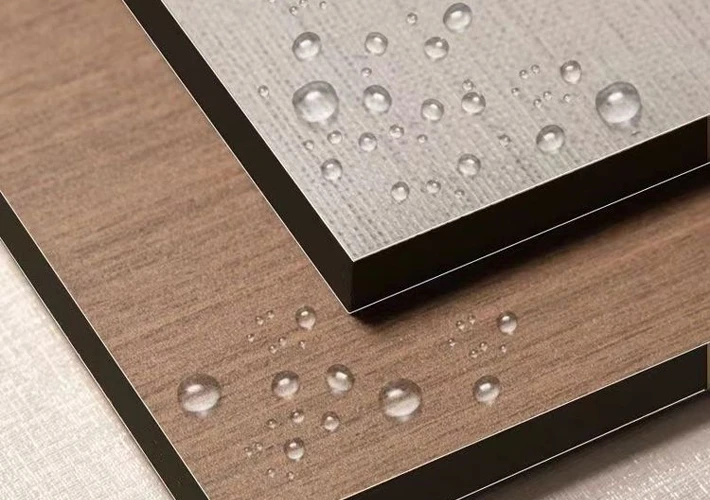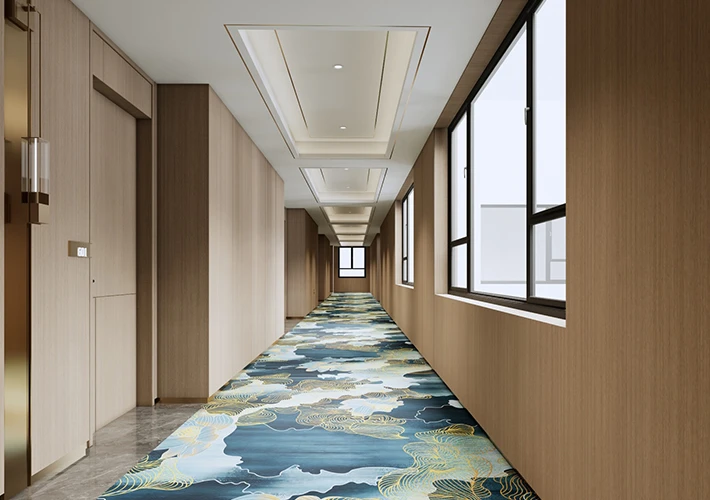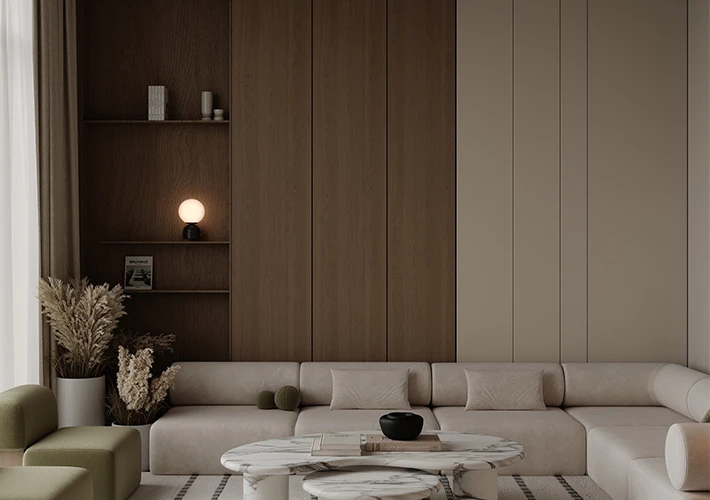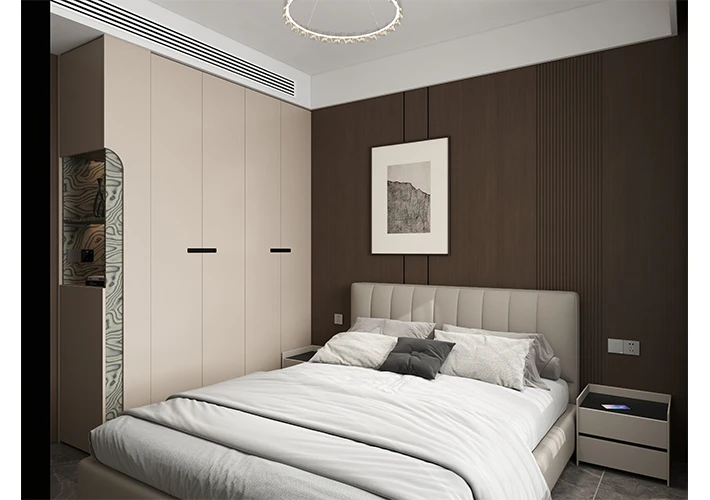
En los últimos años, bambú carbón chapa de madera has rapidly gained popularity in global interior decoration and commercial renovation projects. From luxury hotels and offices to residential wall and ceiling applications, this eco-friendly decorative material is increasingly favored by architects, designers, and B2B buyers worldwide.
However, one of the most frequently asked questions by international buyers is:
Why do bamboo charcoal wood veneer prices vary so significantly across suppliers, regions, and product grades?
Understanding the true cost structure behind bamboo charcoal wood veneer is essential for wholesalers, distributors, and project buyers who want to control procurement budgets, avoid quality risks, and establish long-term supplier partnerships.
This article provides an in-depth analysis of the key factors affecting bamboo charcoal wood veneer costs, combining material science, manufacturing processes, supply chain logic, and international trade realities.
As a Chinese factory brand, Aesthedge shares industry insights from the production side to help global buyers make informed sourcing decisions.
Bamboo charcoal wood veneer is a composite decorative panel made by combining bamboo charcoal powder, polymer resiny decorative surface layers such as PVC film, PET film, or melamine paper. Compared with traditional wood veneer or PVC panels, bamboo charcoal veneer offers a unique combination of:
From a cost perspective, bamboo charcoal veneer sits between Placas de mármol de PVC y natural wood veneer, but its price range is much broader than many buyers expect.
The reason is simple:
Bamboo charcoal wood veneer is not a standardized commodity.
Its final cost is influenced by multiple technical, material, and commercial variables, which we will analyze in detail below.

The quality of bamboo charcoal powder is the foundation of product performance and cost.
Key cost-driving variables include:
High-purity bamboo charcoal with strong adsorption performance requires:
This directly increases raw material costs.
Low-cost products often use industrial-grade or recycled charcoal powder, which reduces cost but also weakens odor adsorption, stability, and long-term performance.
Another critical factor is the polymer resin system, which binds bamboo charcoal powder into a stable core.
Common resin options include:
Higher-quality resins offer:
However, premium resin formulations can increase material cost by 10–25% compared to basic PVC systems.
At Aesthedge, resin ratios are adjusted depending on the target market’s fire rating, environmental standards, and climate conditions, which directly influences final pricing.
Bamboo charcoal veneer manufacturing is not simply extrusion. Cost differences often come from process complexity.
Advanced factories invest in:
These systems improve:
But they also require high initial capital investment and higher operating costs, which are reflected in product pricing.
Factories with poor process control often experience:
To compensate, they may lower prices, but buyers face higher project risks.
Professional manufacturers like Aesthedge maintain strict QC systems, ensuring consistent batch quality. While this increases production cost, it significantly reduces after-sales disputes and project delays for overseas buyers.

The decorative surface film is one of the most visible cost components.
Common options include:
Each option varies greatly in cost, durability, and aesthetic performance.
PET films, for example, can cost 30–50% more than standard PVC films but offer superior scratch resistance and color depth, making them popular in high-end hotel and commercial projects.
Film thickness typically ranges from 0.12 mm to 0.35 mm.
Thicker films:
But they also raise material costs and lamination difficulty.
Custom textures such as synchronized wood grain or stone embossing require specialized rollers and tooling, further increasing costs.
Bamboo charcoal veneer is commonly produced in thicknesses such as:
Thicker panels consume more raw material and require stronger structural design.
Additionally, core density plays a critical role. Higher-density panels:
However, increased density means higher raw material usage and energy consumption.
Standard sizes are more cost-efficient due to mass production.
Customized dimensions, private molds, or exclusive designs increase costs due to:
As an OEM-focused Chinese factory, Aesthedge offers customization while optimizing batch planning to help B2B buyers balance flexibility and cost.

Different markets impose different regulatory requirements:
Meeting higher environmental standards requires:
These compliance costs are often invisible but significantly affect pricing.
Fire performance grades (such as B1 or higher) require flame-retardant additives and process adjustments, increasing costs by 8–20% depending on the formulation.
Buyers should be cautious of extremely low-priced products claiming high fire ratings without valid test reports.
Bamboo charcoal veneer production is energy-intensive due to:
Fluctuations in electricity and fuel costs directly impact manufacturing expenses.
While China maintains competitive labor costs, modern factories increasingly invest in automation to ensure quality consistency.
Automated lines reduce defect rates but increase depreciation costs, which are reflected in product pricing.
Aesthedge’s factory model balances automation and skilled labor, ensuring stable quality while maintaining cost competitiveness for global buyers.
Export-grade bamboo charcoal veneer requires:
Customized packaging or branding adds further cost but reduces damage risk during transit.
Final landed cost is influenced by:
Experienced exporters optimize loading plans to reduce per-square-meter shipping cost, an often-overlooked factor in price comparisons.

While brand premium may slightly increase unit price, established factory brands offer:
For large-scale projects, these factors significantly reduce hidden costs such as rework, delays, and disputes.
As a China-based bamboo charcoal wood veneer manufacturer, Aesthedge focuses on:
Rather than competing purely on low price, Aesthedge emphasizes long-term value, helping partners build sustainable businesses in their local markets.
The cost of bamboo charcoal wood veneer is shaped by multiple interconnected factors, including raw materials, manufacturing technology, surface design, compliance standards, logistics, and supplier reliability.
For global buyers, the key is not to ask “Who offers the lowest price?”
But rather:
“Which supplier offers the best balance of quality, compliance, stability, and long-term value?”
By understanding these cost drivers, wholesalers and project buyers can:
As bamboo charcoal wood veneer continues to expand globally, informed sourcing decisions will be the true competitive advantage.
Envíenos un mensaje por whatsapp +86 189 5395 5575y le responderemos de inmediato.