Common HS Codes Used for WPC Wall Panels

Published on: 26 Ene, 2026
Índice

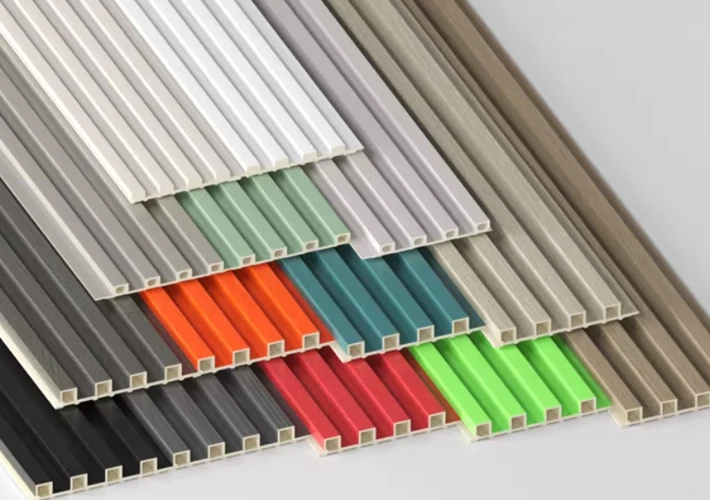
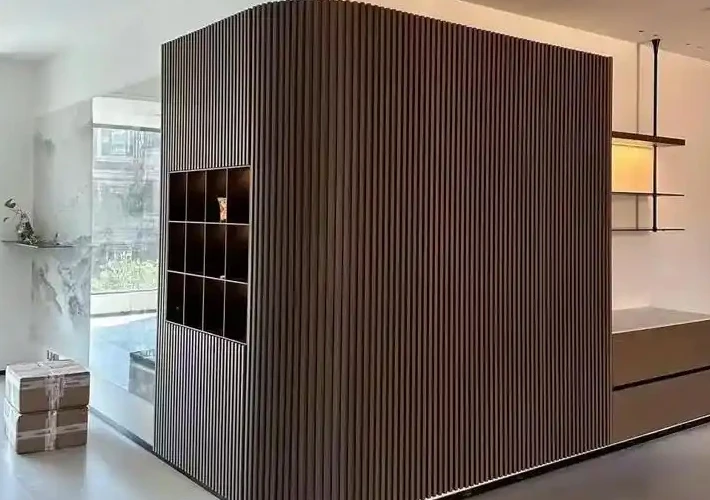
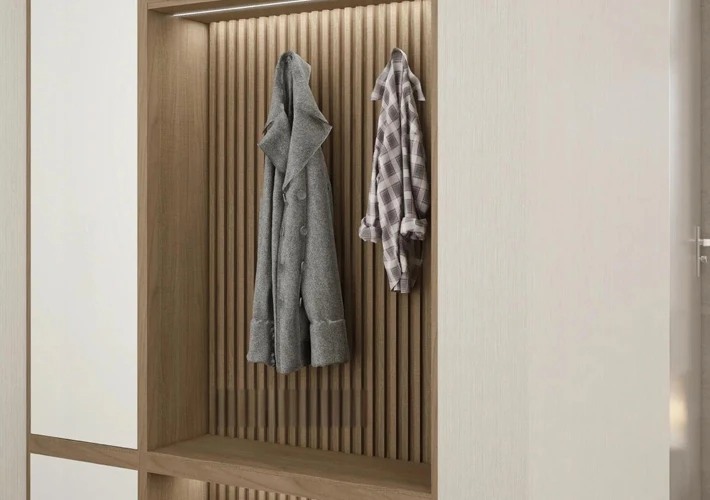
As global demand for eco-friendly and cost-effective decorative materials continues to rise, Paneles de pared de WPC (compuesto de madera y plástico) have become a popular choice in residential, commercial, and hospitality projects worldwide. From Europe and North America to the Middle East, Southeast Asia, and Australia, WPC wall panels are increasingly specified by architects, contractors, and developers.

However, for international buyers, one critical issue often overlooked is HS code classification. Choosing the correct HS code for WPC wall panels directly affects import duties, customs clearance speed, compliance risks, and total landed cost.

This article provides a comprehensive, practical guide to the most commonly used HS codes for WPC wall panels, explains how different countries classify these products, and offers real-world insights from the perspective of experienced Chinese manufacturers and exporters.

Understanding WPC Wall Panels and Their Material Composition

Before discussing HS codes, it is essential to understand what WPC wall panels are from a customs and regulatory perspective.

WPC wall panels are composite decorative panels made primarily from:

  • Wood fiber or wood powder
  • Thermoplastic materials such as PVC, PE, or PP
  • Additives including stabilizers, lubricants, pigments, and UV agents

Unlike solid wood panels or pure plastic sheets, WPC wall panels are hybrid products, which is exactly why HS classification can become complicated.

From a customs standpoint, authorities typically look at:

  • Material composition ratio (wood vs plastic)
  • Manufacturing process (extrusion, molding)
  • End use (interior wall decoration, cladding, partitioning)
  • Tratamiento de superficies (laminated, coated, embossed, printed)

These factors determine whether WPC wall panels are classified closer to wood products, plastic products, or other building materials.

The Most Common HS Code: 39259000 (Plastic Building Materials)

Globally, the most widely used HS code for WPC wall panels is 39259000, under Chapter 39:

HS Code 3925 – Builders’ ware of plastics, not elsewhere specified
HS Code 39259000 – Other builders’ ware of plastics

Why 39259000 Is So Common

Many customs authorities classify WPC wall panels as plastic-based building materials because:

  • Plastic often acts as the binding and structural matrix
  • The panels are manufactured through plastic extrusion processes
  • The final product behaves more like plastic than wood in terms of moisture resistance, durability, and dimensional stability

This HS code is commonly accepted in:

  • European Union countries
  • United States
  • Canada
  • Australia
  • Middle East markets
  • Southeast Asia

Typical Products Declared Under 39259000

  • Interior WPC wall panels
  • Decorative WPC cladding
  • WPC ceiling panels
  • Waterproof wall panel systems
  • Commercial and hotel wall panel solutions

For many importers, 39259000 offers relatively stable duty rates and fewer inspection risks, making it the preferred option when technically justifiable.

Alternative HS Code: 39219090 (Other Plastic Sheets or Panels)

Another frequently used classification is HS Code 39219090, which falls under:

HS Code 3921 – Other plates, sheets, film, foil, and strip, of plastics

This HS code is often used when WPC wall panels are:

  • Supplied in flat sheet form
  • Not clearly installed as “builders’ ware”
  • Used for interior decorative purposes rather than structural cladding

When 39219090 Is Used

  • Thin WPC decorative panels
  • Laminated WPC sheets
  • Panels sold as semi-finished materials
  • Products marketed as wall covering sheets rather than wall systems

Some importers prefer 39219090 because:

  • It may have lower import duties in certain countries
  • It aligns better with how the product is described in sales contracts or catalogs

However, customs authorities may request additional technical documentation to confirm suitability under this code.

HS Codes Based on Wood Content: Chapter 44 Considerations

In some cases, especially when the wood content is significantly higher, customs may consider classification under Chapter 44 (Wood and articles of wood).

Commonly discussed codes include:

  • 44129900 – Plywood, veneered panels, and similar laminated wood
  • 44219999 – Other articles of wood

Why Chapter 44 Is Less Common for WPC

Although WPC contains wood fiber, it is:

  • Not solid wood
  • Not a traditional wood-based panel like plywood or MDF
  • Manufactured using plastic extrusion technology

As a result, Chapter 44 HS codes are rarely accepted unless:

  • Wood content exceeds plastic content by a large margin
  • The product visually and functionally resembles wood boards
  • Plastic acts merely as a minor additive

Using Chapter 44 HS codes incorrectly can lead to:

  • Reclassification penalties
  • Retroactive duty payments
  • Customs delays or audits

HS Code Differences by Importing Country and Region

HS code interpretation may vary slightly by country, even under the same six-digit structure.

European Union

  • Common HS Code: 39259000
  • Emphasis on material dominance and functional use
  • CE compliance and fire rating documentation often reviewed alongside HS code

United States

Common HS Code: 39259000

U.S. Customs may request:

  • Material composition breakdown
  • Manufacturing process description

Anti-dumping is usually not applicable to WPC wall panels

Middle East

  • Often flexible but document-driven
  • Both 39259000 y 39219090 are commonly accepted
  • Clear product descriptions reduce clearance risks

Southeast Asia

HS classification is often influenced by:

  • Invoice description
  • Product samples

Lower tolerance for inconsistent declarations

Understanding local customs habits is just as important as understanding HS code definitions.

How Incorrect HS Codes Impact Import Costs and Risks

Choosing the wrong HS code is not a minor administrative issue—it can directly impact your business.

Potential Consequences

  • Higher import duties than necessary
  • Customs clearance delays
  • Cargo inspection or sampling
  • Administrative fines
  • Shipment detention or return
  • Long-term risk profiling by customs authorities

For project-based buyers, delays caused by HS code disputes can:

  • Disrupt installation schedules
  • Increase storage and demurrage costs
  • Damage supplier–buyer trust

That is why experienced importers work closely with manufacturers who understand HS classification from a trade perspective, not just from a production standpoint.

Documentation Required to Support HS Code Declaration

To ensure smooth clearance, the following documents are commonly prepared by professional WPC wall panel exporters:

  • Commercial invoice with clear product description
  • Packing list
  • HS code declaration
  • Material composition statement
  • Product catalog or datasheet
  • Installation or usage description
  • Photos of finished panels
  • Test reports (if requested)

A well-prepared documentation package significantly reduces the risk of HS code challenges during customs inspection.

Best Practices for Importers Buying WPC Wall Panels from China

From a factory-export perspective, the following practices are highly recommended:

1.Confirm HS code before order placement, not after shipment

2.Ensure invoice descriptions match HS code logic

3.Avoid vague terms like “decorative board” without material clarification

4.Align HS code usage with your local customs broker’s advice

5.Work with manufacturers experienced in your target market

6.Keep HS code usage consistent across shipments

7.Prepare technical documents in advance for large-volume imports

Reliable Chinese manufacturers typically support buyers by:

  • Recommending commonly accepted HS codes
  • Sharing previous clearance experience
  • Adjusting product descriptions for compliance
  • Assisting in customs communication if required

Conclusion: Choosing the Right HS Code for Long-Term Trade Success

The most commonly used HS code for WPC wall panels worldwide is 39259000, followed by 39219090 in specific scenarios. While alternative classifications under Chapter 44 exist, they are far less common and carry higher compliance risks.

For international buyers, HS code selection should never be treated as a formality. It is a strategic decision that affects cost, compliance, and supply chain reliability.

By understanding how WPC wall panels are classified across different markets and working with experienced manufacturers, importers can ensure:

  • Faster customs clearance
  • Predictable import costs
  • Reduced regulatory risk
  • Smoother long-term cooperation

As WPC wall panels continue to gain global popularity, correct HS code usage will remain a key foundation of successful international trade.

Llámanos

Envíenos un mensaje por whatsapp +86 189 5395 5575y le responderemos de inmediato.

    es_ESSpanish