What Is the Price of Bamboo Charcoal Wood Veneer?

Published on: 12 Ene, 2026
Índice

Introduction: Why Bamboo Charcoal Wood Veneer Pricing Requires Professional Analysis

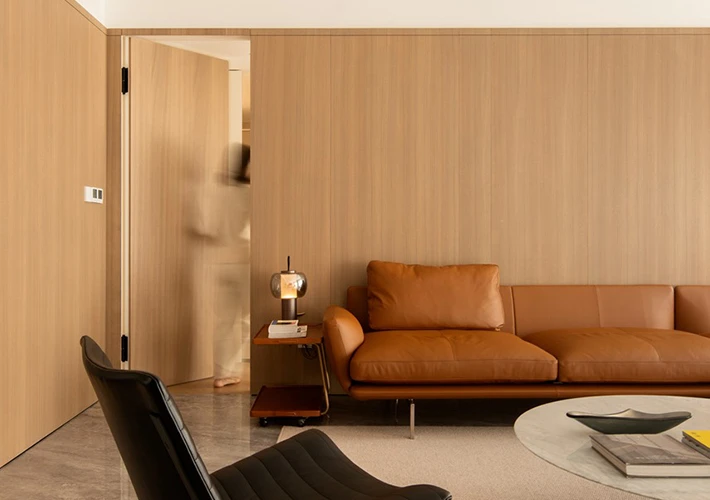
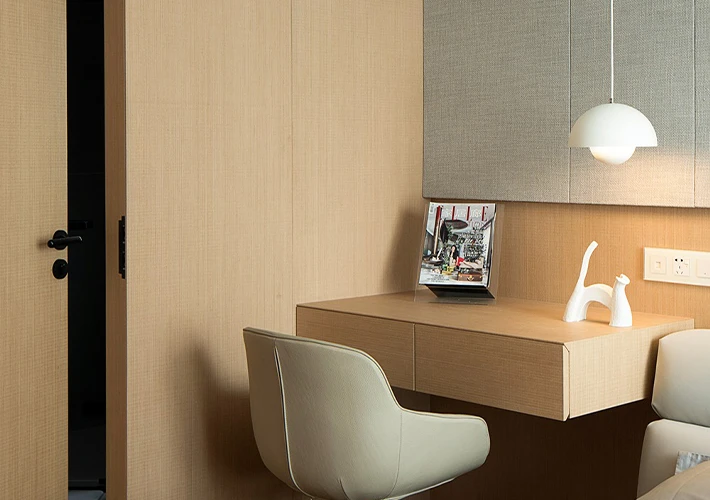
En los últimos años, bambú carbón chapa de madera has rapidly evolved from a niche decorative material into a mainstream solution for modern interior projects. It is now widely used in hotels, residential developments, office buildings, retail spaces, and prefabricated construction systems.

For global buyers, however, pricing remains one of the least transparent aspects of this product category. Unlike traditional wood veneer or standardized panels, bamboo charcoal wood veneer pricing varies significantly depending on structure, performance requirements, production methods, and supply chain positioning.

For overseas wholesalers, importers, contractors, and developers, a simple price-per-square-meter quotation is not enough to support accurate budgeting or long-term sourcing decisions.

This article provides a comprehensive, factory-level price analysis of bamboo charcoal wood veneer, focusing on:

  • Realistic price ranges at different trade levels
  • Cost structure from a manufacturing perspective
  • Key factors that drive price differences
  • Global market trends and future outlook
  • Practical procurement strategies for B2B buyers

The goal is not only to answer “how much does bamboo charcoal wood veneer cost,” but to explain why prices differ and how professional buyers should evaluate value rather than price alone.

What Is Bamboo Charcoal Wood Veneer From a Manufacturing Perspective?

Before discussing price, it is important to clearly define what bamboo charcoal wood veneer actually is.

Bamboo charcoal wood veneer is a composite decorative panel, not a natural veneer in the traditional sense. It is typically composed of:

  • A bamboo charcoal-based core layer, made from bamboo fiber, bamboo charcoal powder, and composite binders
  • A structural base board, such as calcium silicate board, high-density fiber board, or composite substrate
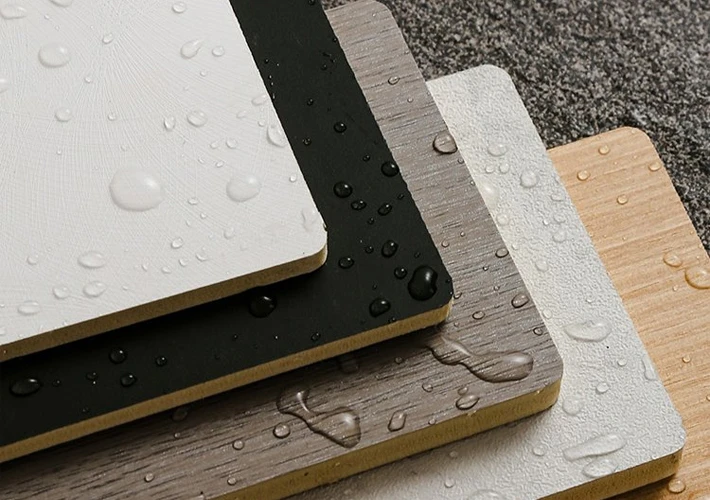
  • A decorative surface layer, often PVC film, PET film, or engineered veneer film

The bamboo charcoal component provides functional benefits such as adsorption capacity, moisture regulation, and improved indoor air quality, while the decorative layer delivers consistent aesthetics.

From a factory standpoint, bamboo charcoal wood veneer sits between decorative wall panels and functional interior boards, which explains why its pricing structure is more complex than conventional wall materials.

Typical Price Range of Bamboo Charcoal Wood Veneer

2.1 Factory Price in China (EXW Level)

China is currently the largest manufacturing base for bamboo charcoal wood veneer, supplying the majority of global demand. When purchasing directly from a Chinese factory, the EXW (Ex Works) price typically falls within the following range:

  • USD 2.0 – 6.0 per square meter

This range applies to standard specifications, common thicknesses, and conventional surface finishes. Entry-level products designed for price-sensitive markets are generally positioned at the lower end, while higher-density boards or refined surface treatments move toward the upper range.

At the EXW level, prices do not include domestic transportation, export packaging, port charges, or international freight.

2.2 FOB China Pricing for Export Orders

For most overseas B2B buyers, FOB China pricing is the most practical reference point. Under FOB terms, the supplier covers domestic logistics and export clearance, making cost comparison more transparent.

Typical FOB price ranges are:

  • USD 8.0 – 25.0 per square meter

The wide range reflects differences in:

  • Panel thickness and density
  • Surface film type and brand
  • Performance requirements
  • Order quantity
  • Customization level

Standard decorative-grade products for container orders often fall between USD 8.0 and 12.0 per square meter, while premium or project-specific products are priced higher.

2.3 Wholesale and Project-Based Pricing

For wholesalers and project contractors purchasing in volume, pricing is usually negotiated on a case-by-case basis.

Common scenarios include:

  • Container-based wholesale orders:
    USD 6.5 – 12.0 per square meter (FOB), depending on specification stability and order continuity.
  • Hotel, apartment, or commercial project supply:
    USD 10.0 – 18.0 per square meter is typical, especially when fire resistance, color consistency, and long-term supply stability are required.

Factories often offer more competitive pricing to long-term B2B partners who can provide accurate forecasts and repeat orders.

2.4 Retail and Distribution-Level Pricing

Once bamboo charcoal wood veneer enters local distribution channels, prices increase substantially.

Retail or distributor pricing commonly ranges from:

  • USD 25.0 – 80.0+ per square meter

This pricing includes logistics, warehousing, marketing, local compliance, and often installation services. It should not be used as a benchmark for manufacturing or export-level procurement.

Key Factors That Determine Bamboo Charcoal Wood Veneer Price

3.1 Raw Material Structure and Quality

The internal structure of bamboo charcoal wood veneer is one of the most decisive cost factors.

Variables include:

  • Purity and particle size of bamboo charcoal powder
  • Ratio of bamboo fiber to binder materials
  • Density and compressive strength of the core
  • Type of base board used

Higher-density panels offer better mechanical stability and longer service life, but they also require more raw material and higher pressing energy, increasing cost.

3.2 Thickness, Size, and Dimensional Stability

Common thickness options include 5 mm, 6 mm, 8 mm, and 9 mm, with custom thicknesses available for specific applications.

Standard sheet size is usually 1220 × 2440 mm. Deviations from standard sizes may increase waste and machining cost.

In general:

  • Thicker panels cost more per square meter
  • Custom dimensions increase production complexity
  • Higher flatness tolerance requirements raise quality control costs

3.3 Surface Finish and Decorative Layer

Surface treatment is one of the most visible price differentiators.

Common surface options include:

  • PVC decorative film
  • PET matte or high-gloss film
  • Wood grain, fabric, or stone-pattern films
  • UV-coated or scratch-resistant surfaces

Imported films, color-customized films, or high-wear resistance coatings significantly increase unit cost, but they also improve market competitiveness in premium segments.

3.4 Functional Performance Requirements

Many international markets require bamboo charcoal wood veneer to meet specific performance standards.

Typical requirements include:

  • Low formaldehyde emission (E0, E1, CARB)
  • Fire resistance (B1 or equivalent)
  • Moisture resistance for humid environments
  • Antibacterial or anti-mold treatment

Each additional function increases material, testing, and certification costs. From a factory perspective, performance-driven products are positioned as higher-value items rather than price-competitive commodities.

3.5 Order Quantity and Customization

Pricing efficiency improves significantly with volume.

  • Small trial orders usually have higher unit costs
  • Full-container orders allow optimized production planning
  • Long-term contracts reduce raw material procurement risk

Customization such as exclusive colors, branded packaging, or private labeling further increases cost but strengthens brand differentiation for overseas buyers.

Bamboo Charcoal Wood Veneer Price Trends and Market Outlook

4.1 Historical Price Movement

Over the past five years, bamboo charcoal wood veneer prices have followed a relatively stable upward trajectory.

Key influences included:

  • Rising raw material and energy costs
  • Temporary logistics cost spikes
  • Increased demand for eco-friendly interior materials

Despite short-term volatility, competition among Chinese manufacturers has prevented excessive price inflation.

4.2 Future Pricing Expectations

Looking ahead, several factors will shape future pricing:

  • Continued growth of green building standards
  • Expansion of modular and prefabricated construction
  • Higher demand for certified, performance-based products

Rather than sharp price increases, the market is expected to see gradual value-driven pricing, where premium products command higher margins while standard products remain competitive.

How Professional B2B Buyers Should Evaluate Cost

5.1 Beyond Unit Price: Total Landed Cost

Professional buyers should evaluate bamboo charcoal wood veneer based on total landed cost, including:

  • FOB price
  • International freight
  • Import duties and taxes
  • Inland transportation
  • Storage and handling

A lower FOB price does not necessarily result in lower project cost.

5.2 Trade Terms and Procurement Strategy

Common trade terms include EXW, FOB, CIF, and DDP.

For most international buyers, FOB provides the best balance between cost control and operational simplicity, while CIF or DDP may be suitable for buyers without logistics infrastructure.

5.3 Why Direct Factory Cooperation Matters

Working directly with a Chinese manufacturer rather than multiple intermediaries offers several advantages:

  • More competitive pricing
  • Clear technical communication
  • Better quality consistency
  • Flexible customization capability
  • Stable long-term supply

Experienced factories understand international standards and can support documentation, testing, and export compliance.

China Factory Positioning in the Global Supply Chain

From a global supply chain perspective, Chinese bamboo charcoal wood veneer factories play a critical role.

Key advantages include:

  • Integrated raw material sourcing
  • Scalable production capacity
  • Mature decorative film supply chains
  • Competitive labor and energy efficiency
  • Strong export logistics infrastructure

For overseas wholesalers and project contractors, sourcing directly from China allows better control over cost, specification, and delivery schedules.

Factories that focus on B2B export markets typically emphasize process stability, specification consistency, and long-term cooperation, rather than one-time transactions.

Conclusion: Understanding Price as a Reflection of Value

The price of bamboo charcoal wood veneer is not a fixed number but a reflection of material structure, performance requirements, production efficiency, and supply chain strategy.

For B2B buyers, the key is not to pursue the lowest price, but to identify products that offer stable quality, predictable performance, and long-term cost efficiency.

By understanding how prices are formed at the factory level and how different specifications affect cost, importers and project buyers can make more informed decisions and build sustainable supply relationships.

In a market that increasingly values environmental responsibility and functional performance, bamboo charcoal wood veneer is positioned as a long-term material solution rather than a short-term decorative trend.

Llámanos

Envíenos un mensaje por whatsapp +86 189 5395 5575y le responderemos de inmediato.

    es_ESSpanish