In the hospitality industry, guest experience is everything. While factors like visual aesthetics, luxury furniture, and lighting design often receive the most attention, acoustic comfort is equally important. Guests expect hotel rooms, lobbies, restaurants, and conference spaces to provide a calm, quiet, and comfortable atmosphere. Poor acoustics can lead to noise complaints, negative reviews, and reduced customer satisfaction.
This is where acoustical panels play a crucial role in hotel interior design. These specialized sound-absorbing materials help reduce echo, minimize noise transfer, and improve overall sound quality within a space. In modern hotel design, acoustical panels are not only functional but also decorative, blending seamlessly with architectural aesthetics.
For hotel developers, architects, and interior designers, selecting the right acoustic solutions is essential to creating a premium hospitality environment. As a professional Chinese manufacturer of decorative acoustic materials, Aesthedge provides high-quality acoustical panels designed specifically for hotels, resorts, and commercial interior projects worldwide.
This article explores the role of acoustical panels in hotel interiors, including their benefits, applications, design options, material types, and how hotels can choose the right supplier.
Hotels are complex environments where many activities occur simultaneously. Guests sleep, relax, work, dine, and attend events—all within the same building. Without proper acoustic planning, sound easily travels between rooms and public spaces.
Common acoustic problems in hotels include:
When these issues are not properly addressed, they negatively affect guest comfort.

In today’s digital world, hotel reviews heavily influence booking decisions. Noise-related complaints are among the most common issues mentioned in hotel reviews. A single negative comment about poor sound insulation can affect the reputation of a property.
Hotels that invest in acoustic comfort often experience:
Architects and designers increasingly consider acoustics during the early stages of hotel design. Acoustical panels are now a standard element in modern hospitality architecture because they allow designers to balance functionality, comfort, and visual appeal.
Acoustical panels are specially engineered materials designed to absorb sound waves and reduce noise reflections within indoor spaces.
Unlike traditional decorative wall panels, acoustic panels contain sound-absorbing structures that help control reverberation and improve sound clarity.
Most acoustic panels consist of several layers:
1.Decorative Surface Layer
This layer determines the panel's visual appearance. It can include wood veneer, fabric, PET felt, or laminated finishes.
2.Sound-Absorbing Core
The core material absorbs sound energy and reduces reverberation.
3.Backing Material
The backing layer provides structural support and additional sound absorption.
When sound waves hit hard surfaces such as glass, marble, or concrete, they bounce back into the room, causing echoes and noise buildup.
Acoustical panels work by:
The result is a quieter and more comfortable environment.
Hotels typically use several types of acoustic panels, including:
Each type is suitable for different hotel areas depending on acoustic and aesthetic requirements.
Acoustic panels provide many advantages beyond simple noise reduction. They are essential elements for creating modern, comfortable hospitality spaces.
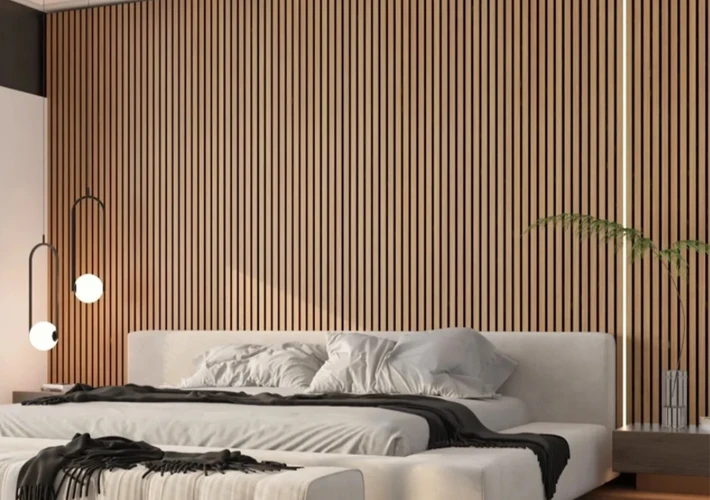
Guest rooms require quiet environments to ensure quality sleep. Acoustic panels installed on walls or headboard areas help reduce noise from neighboring rooms and corridors.
This significantly improves guest comfort and satisfaction.
Hotel lobbies often feature high ceilings, marble floors, and large glass surfaces. These materials reflect sound and create excessive echo.
Acoustic panels help absorb sound reflections, making conversations more comfortable and reducing background noise.
Meeting rooms and conference halls require clear speech transmission. Without proper acoustic treatment, sound reflections can make presentations difficult to understand.
Acoustic panels improve:
This is especially important for business hotels that host corporate events.
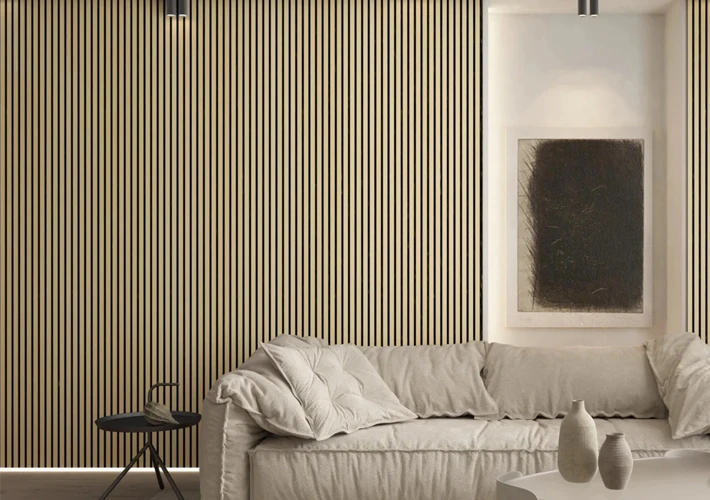
Modern acoustic panels are available in a wide range of colors, textures, and finishes. Designers can incorporate them as decorative elements rather than hiding them.
Popular design styles include:
This allows acoustic panels to enhance both function and aesthetics.
Hotels that prioritize acoustic comfort often achieve higher perceived value. High-end resorts and luxury hotels invest heavily in sound control because it contributes to the overall guest experience.
Acoustic improvements can therefore increase:

Acoustic panels can be used in many areas within a hotel building. Each space has different acoustic requirements.
The lobby is often the first impression guests have of a hotel. However, it is also one of the noisiest spaces due to high ceilings and heavy foot traffic.
Acoustic panels installed on walls or ceilings help reduce noise and create a calm atmosphere.
Guest rooms require the highest level of acoustic comfort. Panels are often installed:
These panels help reduce external noise and improve room acoustics.
Hotel corridors often amplify footstep noise and conversation sounds. Acoustic wall panels help absorb sound and prevent noise from traveling between rooms.
Dining areas can become very noisy during peak hours. Acoustic ceiling panels and wall panels reduce crowd noise and make conversations more comfortable.
Meeting rooms require controlled acoustics to ensure presentations and discussions are clearly heard.
Acoustic panels help reduce reverberation and improve sound quality for microphones and speakers.
Spa areas must maintain a relaxing and quiet environment. Acoustic materials help prevent noise from other parts of the hotel from disturbing the space.
The choice of material plays an important role in both performance and design.
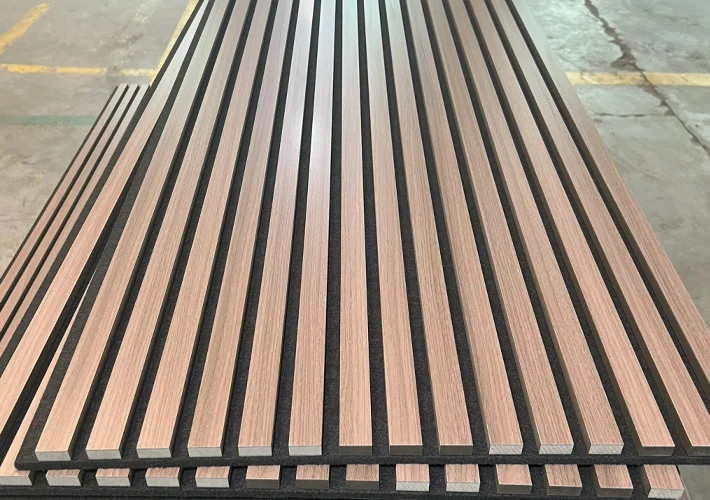
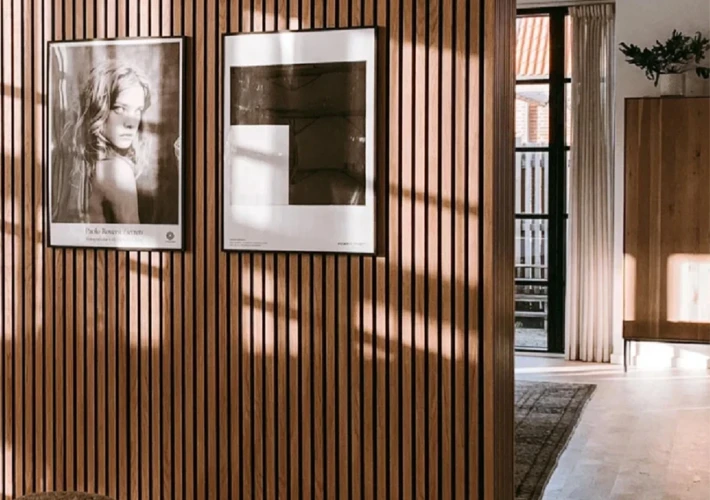
Wood slat panels are among the most popular acoustic solutions for hotel interiors. They combine natural aesthetics with excellent sound absorption.
Advantages include:
These panels are widely used in hotel lobbies, corridors, and guest rooms.
Fabric panels provide excellent sound absorption and allow for a wide range of colors and textures.
They are commonly used in:
PET acoustic panels are made from recycled polyester fibers. They are environmentally friendly and lightweight.
Benefits include:
Many modern eco-friendly hotels choose PET panels for sustainable interior design.

Perforated wood panels provide a more traditional architectural appearance while maintaining good acoustic performance.
They are often used in:
Selecting a reliable manufacturer is essential for hotel developers and contractors.
Suppliers with extensive manufacturing experience can provide consistent product quality and professional support.
Hotels often require customized designs, colors, and sizes. A capable manufacturer should offer flexible customization options.
Acoustic materials used in hotels must meet international standards such as:
Certified products ensure safety and compliance with building regulations.
Large hotel projects require reliable supply and consistent product batches. Factories with large-scale production capacity are better suited for such projects.
Aesthedge is a professional Chinese manufacturer specializing in decorative acoustic panels and interior wall solutions for hospitality and commercial projects.
With years of experience in manufacturing acoustic materials, Aesthedge provides products that combine high performance, modern design, and international quality standards.
Aesthedge operates modern production lines that ensure consistent quality and high production capacity. This allows the company to supply large hotel projects worldwide.
The company offers various acoustic solutions, including:
These products are widely used in hotels, resorts, office buildings, and commercial interiors.
As a Chinese factory with extensive export experience, Aesthedge works with clients in Europe, North America, the Middle East, and Southeast Asia.
The company understands international project requirements and provides professional support for global buyers.
Aesthedge offers flexible customization services, including:
This allows architects and designers to create unique hotel interiors.

As hospitality design evolves, acoustic panels continue to play an increasingly important role.
Future acoustic panels will increasingly combine sound control with decorative design, allowing them to function as architectural elements.
Eco-friendly materials such as recycled PET fiber panels are becoming more popular in green building projects.
Advanced acoustic engineering technologies are improving sound absorption efficiency while maintaining lightweight structures.
Modular acoustic panel systems allow faster installation and easier maintenance for large hotel projects.
These innovations will further expand the use of acoustic panels in hospitality environments.
Acoustical panels have become an essential component of modern hotel interior design. They help create quieter, more comfortable environments for guests while enhancing the aesthetic appeal of hotel spaces.
From lobbies and guest rooms to restaurants and conference halls, acoustic panels improve sound control and overall guest experience. As hotels continue to prioritize comfort and luxury, acoustic design will play an even greater role in future hospitality architecture.
For developers, architects, and contractors seeking reliable acoustic solutions, choosing a professional manufacturer is critical.
Aesthedge, as a trusted Chinese acoustic panel manufacturer, provides high-quality decorative acoustic solutions for global hotel projects. With strong manufacturing capacity, customizable products, and extensive export experience, Aesthedge helps hospitality developers create quieter, more elegant interior spaces.
If you are planning a hotel construction or renovation project, contact Aesthedge to explore professional acoustical panel solutions tailored to your design and acoustic requirements.
Envoyez-nous un message sur whatsapp +86 189 5395 5575et nous vous répondrons immédiatement !