How Acoustic Panels Improve Sound Quality in Hotels

Published on: 06 1月, 2026
目次

In hotels, guest satisfaction often depends on sound conditions as much as service or layout. Hotels face layered acoustic pressure from HVAC systems, busy corridors, adjacent rooms, elevators, food service areas, and constant foot traffic.

Many hotel projects treat acoustics late, after finishes and layouts are set. However, this choice leaves little control once hard surfaces like stone, tile, glass, and metal reflect sound across open areas.

As a manufacturer, we understand that generic acoustic approaches often fail at scale. Hotels need products and acoustic systems engineered to deliver consistent performance across multiple applications.

We provide quality acoustic panels to manage sound through absorption, measured using Noise Reduction Coefficient (NRC) ratings. In hospitality projects, the NRC target is above 0.7 for guest comfort. Let’s discuss how our products and systems deliver consistent results across diverse hotel applications. 

Sound Absorption vs Sound Insulation: What’s the Distinction?

Sound absorption controls how sound behaves inside a space. Acoustic panels fall into this category. 

Panels use porous materials such as fiberglass cores and fabric finishes that trap sound waves and convert that energy into low-level heat. Echo and long reverberation times drop as a result, due to which conversations become easier to follow and background noise becomes fainter. 

Sound insulation works at the building assembly level. Dense constructions such as layered gypsum, added mass, and specialty membranes limit sound passing between rooms. This approach supports privacy by reducing speech, television, and music transfer. 

Privacy in hotel rooms depends on both strategies. High-STC wall systems manage transmission, while absorption inside rooms improves how sound behaves once it enters. From a project delivery view, panels also suit retrofit work, while insulation upgrades usually require structural changes.

What Are NRC Ratings? 

NRC stands for Noise Reduction Coefficient. It is a standardized rating on a scale from 0 to 1.0. The value shows how much sound a material absorbs at common speech frequencies. These include 250, 500, 1000, and 2000 Hz.
A simple way to read it: an NRC of 0.7 means about 70 percent of sound energy gets absorbed, while the rest reflects back into the space. Higher values mean stronger absorption and often fewer panels required to reach target conditions.
NRC also represents an average. Lower-frequency noise from mechanical systems may require thicker panels, offset mounting, or integrated ceiling solutions. Due to this, full frequency data matters when selecting systems for demanding hotel environments.

Hotel-Specific Applications: Where Our Acoustic Panels Deliver Value

An acoustic panel manufacturing factory approaches hotel acoustics as a system problem. We understand that large properties like hotels demand consistency across very different spaces, tight installation schedules, and performance that matches tested data.

Our acoustic panels are engineered, tested, and supplied as coordinated systems so hotels can meet NRC targets above 0.7 across multiple areas. Here are some of these areas. 

Reverberation Control in Lobby and Reception Areas

Lobbies tend to combine height, open plans, and hard finishes. Stone floors, plaster ceilings, glass walls, and metal details reflect voices, footsteps, and elevator activity. 

In our hospitality acoustic paneling experience, wall-mounted acoustic panels placed across 10% to 20% of the surface area help control reflections. Ceiling clouds and stretch fabric systems also add coverage without altering circulation. Factory-sized panels and layout guidance support us in fast installation across large surfaces. 

We can also match panels with interior palettes through fabric color and texture selection. This way, acoustic treatment can blend within the design concept rather than standing apart from it.

Noise Control in Restaurants and Dining Spaces

In dining spaces, conversations stack on top of each other while plates, cutlery, and service moments add sharp peaks. Hard finishes make this worse. Background noises can make the dining experience uncomfortable for guests. 

Factories manufacture panels with hospitality-grade finishes and controlled core densities to reach NRC targets between 0.75 and 0.85. Wall systems and ceiling elements work together to manage overlapping conversations and service noise. With less noise, the room feels calmer even during busy service. 

Disturbance Reduction in Guess Corridors and Hallways

Hotel corridors act like sound tunnels, with footsteps, rolling luggage, and door impacts traveling far when surfaces reflect energy back and forth. Our absorptive wall panels are produced in repeatable sizes with standardized mounting systems, allowing long corridor runs to be treated quickly.

When paired with ceiling solutions, these systems reduce footfall and luggage noise without structural changes, especially in high-traffic floors. 

Speech Definition in Conference Rooms

Meeting rooms demand a strong speech definition for presentations and group discussions. We supply acoustic panels with NRC values between 0.8 and 0.9 for walls and ceilings to help speech reach the back of the room.
In commercial hotels, panels must meet Class A fire requirements. Our fire-rated construction and documented performance support approvals and inspections.

Manufacturer Perspective: Quality, Customization, and Compliance

From a manufacturing standpoint, the effectiveness of acoustic panels for hotels depends on their compliance with certain standards, customization, and quality. Here’s how that works out. 

Performance Control and Verification at Factory Level

From our position as a manufacturer, performance consistency starts long before panels reach a hotel site. Absorption behavior gets checked through recognized laboratory testing methods, with NRC values matching documented reports. For multi-floor or multi-building projects, this verification step protects spec intent across large volumes.

Production control is just as important, as small changes in core density, fabric tension, or backing selection can alter how panels behave once installed. Acoustic panel manufacturing factories manage these variables through fixed production standards rather than ad-hoc sourcing.

More importantly, verified data supports smoother approvals for project managers and architects. Panels supplied with proper test documentation reduce risk during inspection and handover.

Customization for Hospitality Interiors

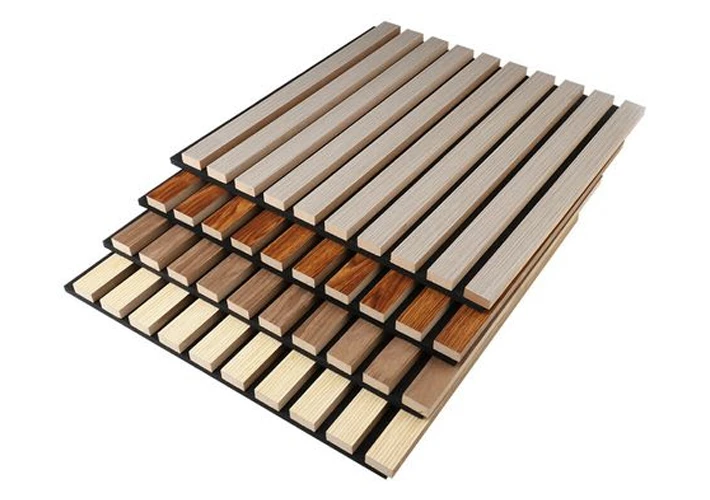
Hotels expect acoustic products to fit the design, so panels need finishes that blend into interiors. Our fabric-wrapped options support this because of their broad color ranges and textures. 

The core material section also comes into play. Fiberglass, mineral wool, and recycled PET vary in cost and absorption behavior. The choice depends on your target NRC range and budget limits. We engineer panels to meet specific NRC targets even when design constraints limit wall or ceiling coverage.

Backing systems and perforation patterns further influence how panels respond across noise frequencies. As a factory, we align these elements with the room function so performance remains predictable once panels are installed.

Fire Compliance and Export Readiness

Acoustic panels must meet Class A ratings and resist flame spread under tested conditions. We supply panels with certified fire performance to support code review across regions. These fire-retardant treatments and certified materials help get approvals.

If acoustic panels are to be exported, they bring even more operational demands. Custom orders require coordinated lead times for fabric sourcing and production. Multiple quality checkpoints cover dimensions, flatness, finish attachment, and packing before shipment. At our factory, complete documentation accompanies each order to support smooth delivery and contractor coordination on site. 

結論

Acoustic panels improve sound quality by controlling how sound behaves inside hotel spaces. They reduce echo, shorten reverberation, and make speech easier to understand. Lobbies, restaurants, rooms, corridors, and meeting rooms benefit most from targeted placement.

NRC ratings help guide selection, with higher values delivering stronger absorption. When specified correctly, panels support guest comfort and operational efficiency without major construction changes.

In most instances, factory-prepared systems simplify installation and maintain consistent performance across multiple hotel areas. Panels arrive sized, labeled, and ready to mount, which reduces on-site labor and alignment errors. Most importantly, this approach helps hotels meet NRC targets while preserving design intent throughout the property. 

お電話でのお問い合わせ

whatsappでメッセージを送る +86 189 5395 5575すぐに返信いたします!

    jaJapanese