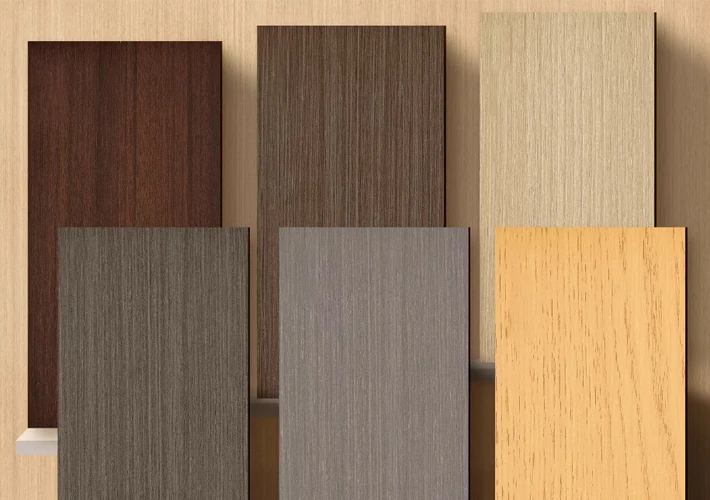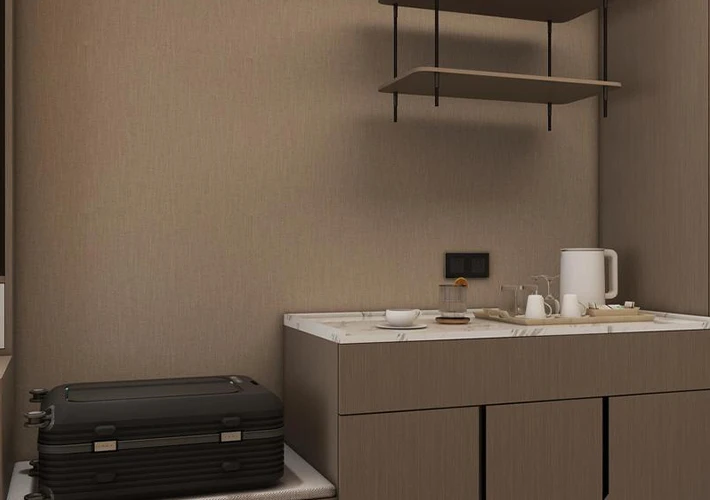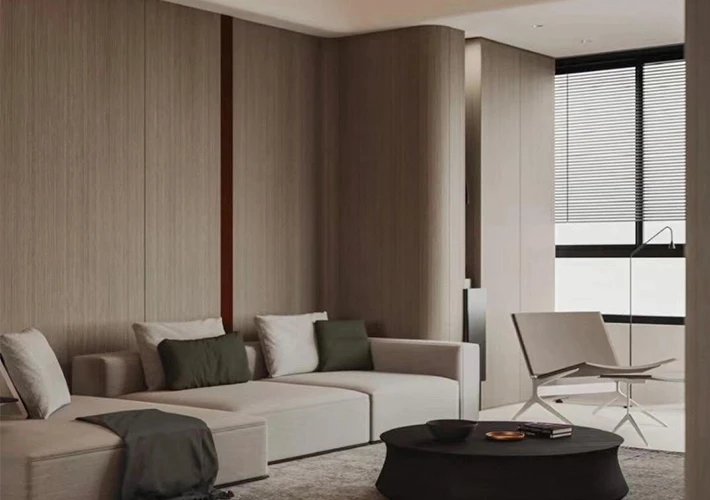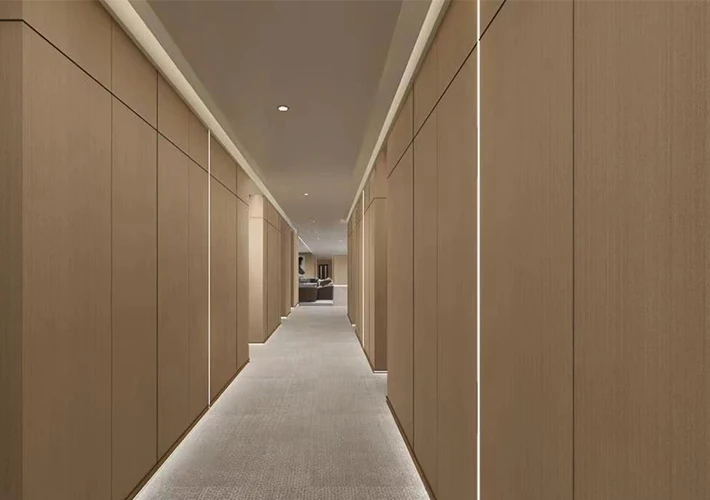
Bamboo charcoal wood veneer has rapidly grown from a niche sustainable material into a mainstream choice for interior design, commercial projects, and high-end architectural finishes. Its eco-friendly profile, natural aesthetics, moisture-resistant qualities, and antibacterial properties make it increasingly attractive to designers and purchasers worldwide. Understanding the price trends of this material over the past five years is essential for importers, distributors, project planners, and manufacturers who need to make informed decisions about procurement, inventory, and pricing strategies.
In this article, we detail the pricing trajectory from 2019 to 2024/2025, analyze the factors driving price changes, explore market demand patterns, and offer guidance on how stakeholders can navigate future price volatility.

The global market for bamboo charcoal wood veneer has experienced notable fluctuations over the last five years due to factors such as supply chain disruptions, energy cost changes, global demand shifts, and evolving product specifications. Below is a year-by-year summary of average price ranges and market context:
| Year | Average Price Range (FOB China) | Market Context & Key Factors |
|---|---|---|
| 2019 | USD 9–12 / m² | Pre-pandemic stability, steady demand |
| 2020 | USD 10–14 / m² | COVID-19 disruptions, logistics costs soar |
| 2021 | USD 13–16 / m² | Demand rebound, raw material cost increases |
| 2022 | USD 15–18 / m² | Peak production costs, energy price shock |
| 2023 | USD 14–17 / m² | Supply chain stabilization, quality segmentation |
| 2024 | ~USD 14–30 / m² (varied by grade) | Mature market, differentiation by specification |
In 2019, prior to the COVID-19 pandemic, prices for bamboo charcoal wood veneer were relatively stable. Manufacturers operated under normal supply and demand conditions, with abundant bamboo raw materials and predictable shipping costs. The average FOB China price range was approximately USD 9–12 per square meter. This level reflected the material’s cost structure — relatively low compared with traditional hardwood veneers — and the steady but not explosive international demand for eco-friendly panels.
The onset of the pandemic in early 2020 profoundly affected every link in the supply chain. Lockdowns in major manufacturing hubs, port closures, and container scarcity drove up logistics expenses. These disruptions pushed veneer prices higher, with average FOB ranges rising to USD 10–14 per square meter. Furthermore, demand for sustainable building materials increased as more people focused on health and indoor environment quality during lockdowns.
While raw material availability (bamboo stocks) remained relatively intact, delays and higher transportation costs directly translated into elevated export prices. Contractors and importers faced challenges with uncertain lead times and increased inventory costs.
With global markets gradually reopening in 2021, demand for building materials rebounded strongly. Hotels, offices, and residential projects resumed after delays, increasing orders from international buyers — especially in North America, Europe, and Southeast Asia. As a result, prices climbed further to an average range of USD 13–16 per square meter.
Two main cost pressures pushed prices up:
1.Raw Material and Chemical Cost Increases: Bamboo fiber prices rose due to labor shortages and increased energy costs. Adhesives and finishing chemicals — essential in veneer processing — also saw price hikes tied to global oil price increases.
2.Freight and Logistics Premiums: Although shipping issues eased compared to 2020, freight was still significantly more expensive than pre-pandemic levels.
These cost pressures were passed on through the supply chain, making 2021 a year of recovery coupled with higher production and export costs.
Global inflation and climbing energy costs in 2022 exerted upward pressure on manufacturing and logistics. Electricity, fuel, and other input costs increased sharply — a trend reflected in the average price reaching USD 15–18 per square meter for mid-range products.
Additionally, stricter environmental regulations in China and other supplier countries necessitated cleaner production methods. Though these investments improved sustainability, they also increased operational costs for factories, especially small and mid-tier producers.
Overall, 2022 marked the highest price point in the five-year period, driven by both macroeconomic and industry-specific cost pressures

In 2023, supply chains normalized significantly. Freight rates fell closer to pre-pandemic norms, and factories optimized production processes. As a result, average prices saw a modest correction and stabilized between USD 14–17 per square meter for standard grades.
However, the market began to segment more clearly:
This shift towards differentiated value offerings allowed manufacturers to position higher-end products at a premium, appealing to customers who prioritize additional performance and certification.
By 2024, the bamboo charcoal wood veneer market had reached a more mature stage. Prices varied widely depending on product grade, treatment, and functionality, ranging from basic decorative panels to premium acoustic or fire-resistant options. High-end products could reach up to USD 30/m² FOB China, while entry-level products remained at lower price points.
1.Product Differentiation: Enhanced treatments such as deep carbonization, fireproof coatings, and acoustic modifications increased the value and price of certain products.
2.Stable Bamboo Supply: Bamboo resource availability remained strong, providing a stable base for raw material costs.
3.Global Demand Shifts: Continued demand from sustainable design sectors — including hospitality, commercial offices, and high-end residential projects — supported stable pricing.
4.Regional Trade Policies: Stricter regulations in markets like North America (e.g., formaldehyde emissions standards) raised compliance costs for suppliers targeting these regions
Understanding why prices change requires examining both supply-side and demand-side factors.
The price of bamboo — the primary raw material — affects veneer prices directly. Although bamboo is abundant, seasonal variations and harvesting practices influence supply costs. Additionally, bamboo charcoal processing adds extra production cost, especially for high-quality carbonization.
Production facilities use significant energy for carbonization, pressing, and finishing processes. Global energy price increases — particularly during 2021–2022 — translated into higher manufacturing costs passed on to buyers. Labor cost fluctuations, especially in China and Southeast Asia where most veneer factories are located, also influence final prices
Shipping rates, container availability, tariffs, and import/export regulations deeply impact landed costs. For example, pandemic-era freight spikes significantly raised delivered costs for overseas buyers in 2020 and 2021. Trade compliance requirements in key markets add further cost layers due to testing, certification, and documentation.
As sustainability becomes a priority in building codes and consumer preferences, demand for bamboo-based veneer has grown. This increased adoption — particularly in North America and Europe — supports price resilience, especially for certified eco-friendly products.

These regions place strong emphasis on environmental performance, requiring low-VOC emissions and formaldehyde compliance. This often means additional testing and certification costs for suppliers, which can increase price points on exported veneer products.
Asia, led by China as a major production hub, plays a central role in global supply. The Asia Pacific region also accounts for substantial domestic demand, especially in China, Japan, and Southeast Asian markets, where sustainable interior materials are increasingly adopted.
To understand the positioning of bamboo charcoal wood veneer, it is useful to compare it with other decorative panel materials:
| 素材 | Typical Price Range (2023) | Features |
|---|---|---|
| 竹炭ウッドパネル | USD 25–32/m² | Eco-friendly, antibacterial, moisture-resistant |
| PVCマーブルシート | USD 8–15/m² | Cost-effective, decorative |
| WPC Panels | USD 12–20/m² | Waterproof, versatile |
Bamboo charcoal veneer commands higher prices than PVC and some WPC panels due to its sustainable profile, aesthetic appeal, and performance advantages in certain applications.
Given the price volatility and segmentation in this market, here are practical strategies for buyers:
Bulk Purchasing: Larger orders can secure more favorable unit prices.
Supplier Diversification: Working with multiple factories provides pricing flexibility and risk mitigation.
Specification Clarity: Clearly defining technical requirements (e.g., finish type, thickness, certification needs) helps avoid price surprises.
Timing Procurement: Understanding seasonal raw material availability can help time purchases for lower costs.

Looking ahead, the price outlook for bamboo charcoal wood veneer suggests:
Continued demand from sustainable design sectors.
Stable raw material supply with nominal cost inflation.
Growth in premium product segments (acoustic, fire-resistant, certified eco-friendly).
Potential moderate price increases in mid-to-high-end veneers, driven by innovation and value-added features.
Over the past five years, the price trends of bamboo charcoal wood veneer reflect broader economic conditions, supply chain dynamics, and evolving market demands. From pandemic-induced volatility to stabilization and differentiation by product grade, prices have shown resilience and adaptability. For stakeholders — from importers to designers — understanding these trends is key to making informed purchasing, pricing, and strategic decisions.
Whether you’re sourcing materials for global projects, managing procurement budgets, or evaluating long-term market opportunities, a detailed grasp of historical and projected price trends will give you a competitive edge in this sustainable product market.
whatsappでメッセージを送る +86 189 5395 5575すぐに返信いたします!