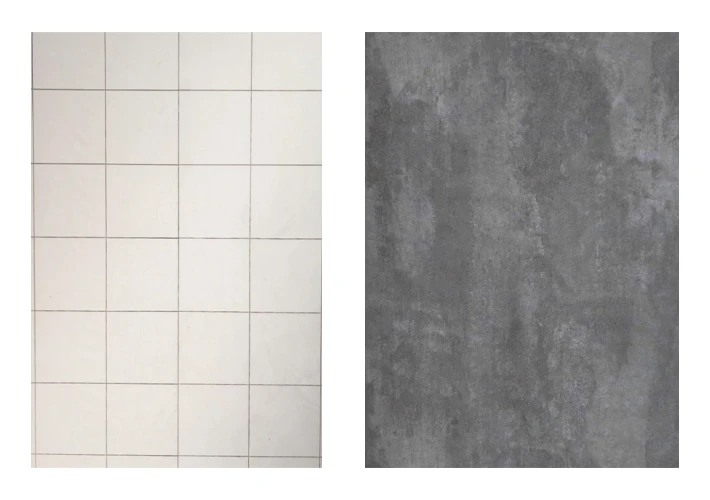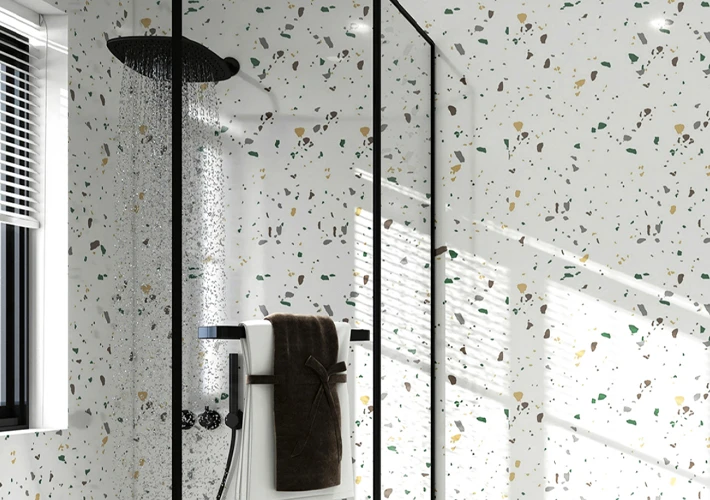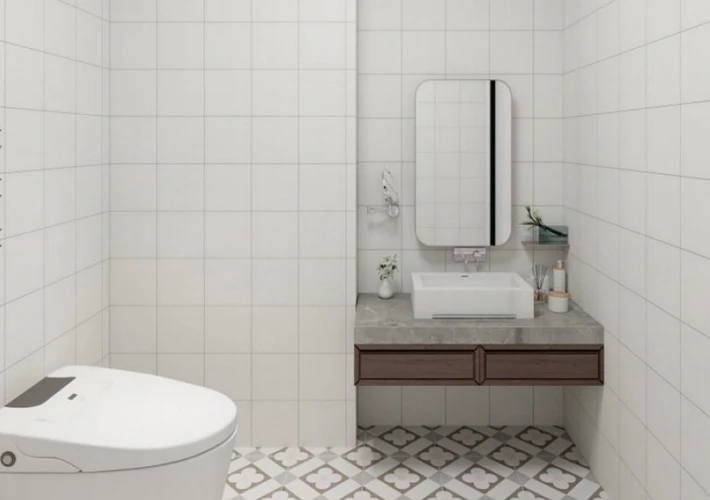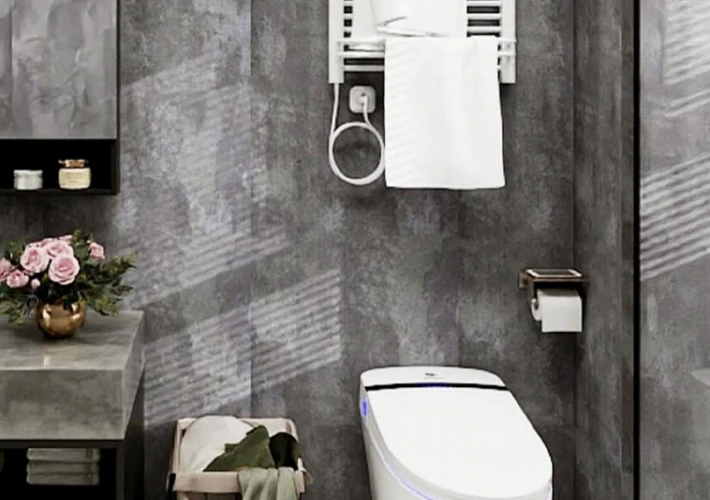
In recent years, SPC壁パネル have rapidly gained popularity in residential, commercial, and hospitality projects around the world. As global demand grows for decorative wall materials that are durable, waterproof, eco-friendly, and easy to install, SPC wall panels have emerged as a modern solution that meets both functional and aesthetic requirements.
This article provides a comprehensive, in-depth explanation of what an SPC wall panel is, how it is made, its structure, advantages, applications, installation methods, and why it has become a preferred wall cladding option for global wholesale buyers, contractors, and developers. As a China-based manufacturer and exporter of SPC wall panels, we will also share insights from a factory and B2B perspective to help buyers make informed decisions.
SPC wall panel stands for Stone Plastic Composite wall panel. It is a rigid decorative wall panel made from a blend of natural limestone powder, PVC resin, and stabilizers, processed through high-temperature extrusion.
Originally developed from SPC flooring technology, SPC wall panels inherit the same core advantages—high rigidity, dimensional stability, and water resistance—while being optimized for vertical wall applications.
Unlike traditional wall materials such as tiles, paint, plywood, or gypsum boards, SPC wall panels offer a ready-to-install decorative surface with consistent quality, minimal maintenance, and strong resistance to environmental changes.

Because of these characteristics, SPC wall panels are widely used in hotels, apartments, commercial spaces, bathrooms, kitchens, hospitals, offices, and retail interiors.
Understanding the structure of SPC wall panels is essential for buyers evaluating quality, durability, and performance.
A standard SPC wall panel typically consists of the following layers:
Some premium SPC wall panels also include sound-insulating layers or antibacterial coatings, depending on application requirements.
From a factory and export perspective, raw material quality directly determines panel performance.
Calcium Carbonate (CaCO₃):
High-purity limestone powder ensures strength and dimensional stability.
PVC Resin:
Acts as a binding agent, providing flexibility and water resistance.
Stabilizers & Additives:
Improve heat resistance, fire retardancy, and processing stability.
High-quality SPC wall panels use virgin PVC and carefully controlled formulations to meet international standards such as CE, ISO, SGS, and ASTM.
The rapid global adoption of SPC wall panels is driven by a combination of performance, aesthetics, and cost efficiency.
Unlike MDF, plywood, or gypsum boards, SPC wall panels do not absorb water. They will not swell, deform, or rot in humid environments.
This makes them ideal for:
Thanks to the stone-plastic composite core, SPC wall panels are:
They perform well in environments with fluctuating climates, making them suitable for export to Europe, North America, the Middle East, and Southeast Asia.

Most SPC wall panels can reach B1 fire-retardant grade, meaning:
This is especially important for hotels, hospitals, schools, and public spaces.
SPC wall panels are designed for easy and fast installation, often using:
Compared with ceramic tiles or stone slabs, SPC panels:
This translates into lower total project cost, a key factor for developers and contractors.
Modern SPC wall panels offer excellent decorative flexibility:
As a factory supplier, customization options include:
SPC wall panels are considered environmentally friendly because:
Many SPC panels comply with E0 or FloorScore standards, making them suitable for green building projects.
SPC wall panels are versatile and can be used across a wide range of industries.
In homes and apartments, SPC wall panels are used for:
They provide a modern look while remaining practical and easy to clean.
Hotels increasingly choose SPC wall panels because they offer:
Typical hotel applications include:
SPC wall panels are widely used in:
Their durability and clean appearance help maintain a professional environment with minimal upkeep.
With antibacterial coatings and moisture resistance, SPC wall panels are suitable for:
They support hygiene standards and long-term durability.

Understanding how SPC wall panels compare to traditional materials helps buyers make better decisions.
SPC wall panels can be installed using:
Walls should be:
Proper installation ensures long-term performance and appearance.
One of the biggest advantages of SPC wall panels is low maintenance:
This makes them ideal for high-traffic commercial environments.
The global SPC wall panel market continues to grow due to:
From an export perspective, key markets include:
Buyers increasingly prefer direct factory sourcing from China to ensure:

China is one of the world’s leading producers of SPC wall panels due to:
Working directly with a Chinese factory offers:
Professional manufacturers also provide:
So, what is an SPC wall panel?
It is a modern, high-performance wall cladding solution that combines strength, waterproof performance, safety, and decorative flexibility.
Whether for residential decoration, hotel projects, or commercial spaces, SPC wall panels offer a balance of aesthetics, durability, and cost efficiency that traditional materials struggle to match.
If you are looking for a reliable SPC wall panel manufacturer and exporter in China, we offer:
📩 お問い合わせ to request samples, technical specifications, or a competitive quotation for your next SPC wall panel project.
Let us help you grow your business with high-quality SPC wall panels designed for global markets.
whatsappでメッセージを送る +86 189 5395 5575すぐに返信いたします!