< img height="1" width="1" style="display:none" src="https://www.facebook.com/tr?id=573800378452652&ev=PageView&noscript=1" />

Reasons why wpc wall panels are environmentally friendly

Published on: 29 Aug, 2024
Table of Contents

Wood-Plastic Composite (WPC) wall panels are an innovative and eco-friendly building material that plays a significant role in environmental protection. By combining recycled wood fibers and plastics, WPC panels not only minimize waste and reduce the demand for virgin materials but also offer a sustainable alternative to traditional wood, helping to conserve forests and decrease plastic pollution.

WPC wall panels are considered environmentally friendly for several reasons:

Recycled Materials

  • Wood Content: WPC wall panels incorporate wood fibers or wood flour, which are typically by-products or waste from other wood processing industries. These materials are repurposed instead of being discarded, reducing waste and conserving natural resources.
  • Plastic Content: The plastic component in WPC panels often comes from recycled plastics, such as polyethylene, polypropylene, or polyvinyl chloride. By recycling plastics that would otherwise end up in landfills, WPC manufacturing contributes to reducing plastic pollution.

Reduced Deforestation

  • Sustainable Sourcing: WPC panels help in reducing the demand for solid wood products, which directly lowers the rate of deforestation. The wood used in WPC panels is often sourced from fast-growing, sustainable plantations or is repurposed waste material.
  • Preservation of Old-Growth Forests: By opting for WPC panels instead of traditional wood, there is less pressure to harvest old-growth forests, which are crucial for maintaining biodiversity and carbon sequestration.

Long Lifespan and Durability

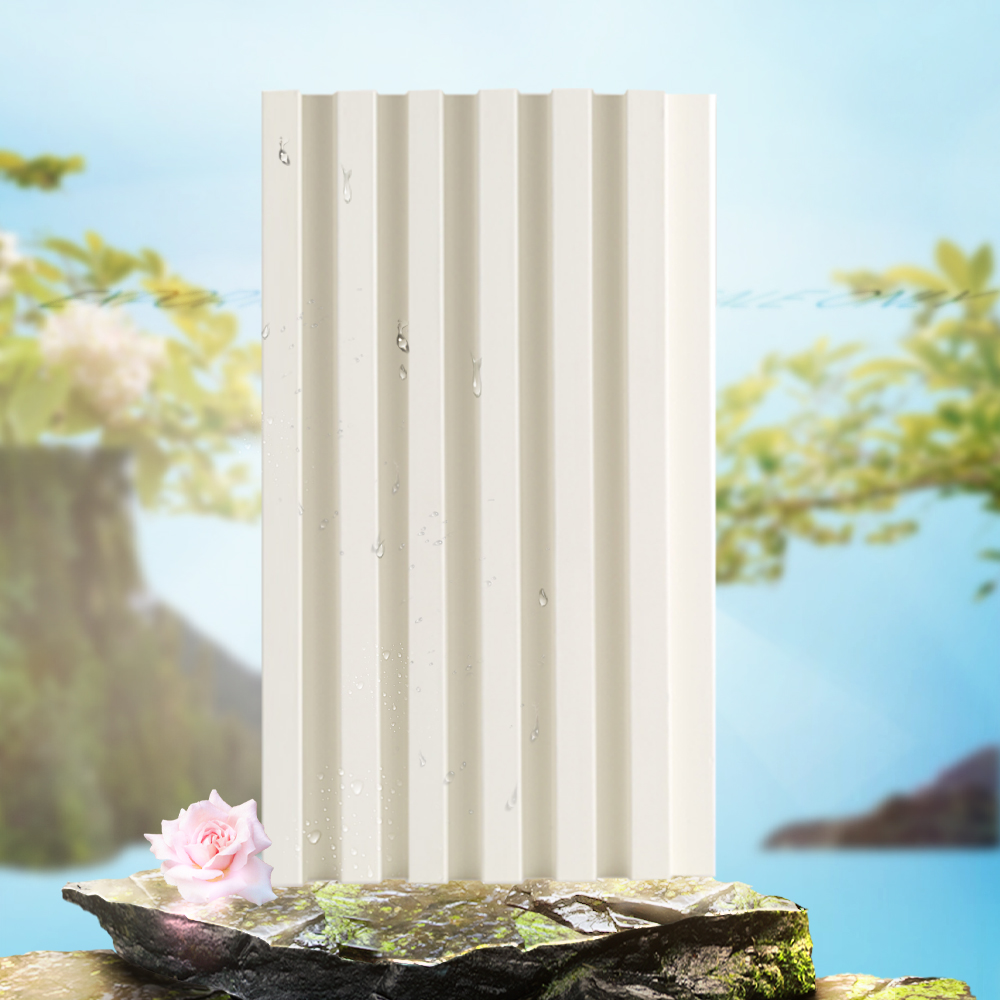
  • Resistance to Decay: WPC panels are engineered to be resistant to rot, mold, and insect damage, unlike traditional wood, which can degrade quickly in certain environments. This resilience means that WPC panels can last several decades with minimal deterioration.
  • Impact on Resource Consumption: The extended lifespan of WPC panels means they do not need to be replaced as frequently as traditional wood panels. This reduces the overall demand for raw materials, contributing to resource conservation.

Low Maintenance

  • Minimal Chemical Use: Traditional wood often requires chemical treatments, paints, or sealants to prevent decay, insect damage, and weathering. These chemicals can be harmful to the environment, releasing VOCs and other pollutants. WPC panels, however, do not require such treatments, reducing the environmental impact.
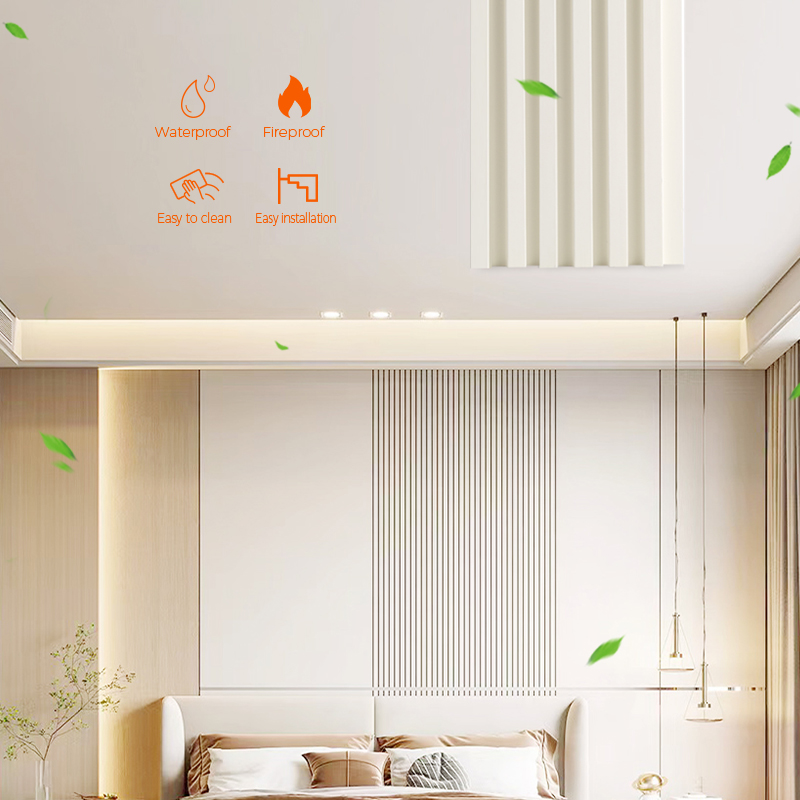
  • Water Efficiency: WPC panels are easy to clean and maintain, often only requiring water and mild detergent. This contrasts with wood, which might need harsher chemicals and more frequent maintenance, contributing to water and chemical conservation.

Energy-Efficient Production

  • Lower Energy Requirements: The production of WPC panels typically requires less energy compared to traditional wood products, which often involve energy-intensive processes such as kiln drying and sawing. The use of recycled plastics also reduces the energy required to produce new plastic.
  • Emission Reduction: Since WPC production can be more energy-efficient, it also results in lower greenhouse gas emissions, contributing to a reduction in the overall carbon footprint of the building industry.

Recyclable

  • End-of-Life Recycling: WPC panels are often recyclable, meaning that at the end of their useful life, they can be processed into new WPC products or other applications. This capability supports a circular economy, reducing the need for virgin materials and minimizing waste.
  • Recycling Processes: The recycling of WPC panels can involve mechanical recycling, where the material is ground into granules and reprocessed, or chemical recycling, where the components are broken down and reconstituted.

Reduced Waste

  • Waste Valorization: WPC manufacturing often involves using waste materials that would otherwise be discarded. For example, sawdust, wood chips, and plastic scraps are combined to create a valuable product, diverting waste from landfills and reducing the environmental impact.
  • Optimized Manufacturing: The manufacturing process for WPC panels is designed to minimize waste, with precise control over the mixture of wood and plastic, resulting in fewer offcuts and less material waste.

Lower Carbon Footprint

  • Material Efficiency: The combination of wood fibers and plastic in WPC panels results in a material that is strong yet lightweight, reducing transportation energy and associated emissions. The energy savings extend across the product’s lifecycle, from production to installation and eventual disposal.
  • Carbon Sequestration: The wood component of WPC panels continues to store carbon throughout its lifecycle, helping to offset some of the carbon emissions associated with the plastic component.

Less Environmental Impact from Harvesting

  • Reduced Soil Erosion: Traditional logging for wood panels can lead to significant soil erosion, disrupting local ecosystems and water cycles. WPC panels, by using wood waste and recycled materials, help mitigate these environmental risks.
  • Habitat Preservation: WPC panels help in preserving natural habitats that would otherwise be disturbed by logging activities. This preservation supports biodiversity and the health of forest ecosystems.

Compliance with Green Building Standards

  • LEED Certification: WPC panels are often used in projects seeking LEED (Leadership in Energy and Environmental Design) certification, as they contribute to credits in categories such as recycled content, regional materials, and low-emitting materials.
  • Sustainable Building Practices: The use of WPC panels aligns with broader sustainable building practices, promoting energy efficiency, resource conservation, and environmental stewardship.

Contribution to Circular Economy

  • Waste Reduction: The production and recycling of WPC panels are in line with circular economy principles, where materials are kept in use for as long as possible, waste is minimized, and resources are reused and recycled.

Innovative Solutions for Sustainable Construction

  • Technological Advancements: Continuous innovations in the production of WPC panels are making them even more environmentally friendly, with improvements in recycling technologies, material efficiency, and the incorporation of biodegradable plastics.

Why Global Builders Prefer Chinese WPC Wall Panel Manufacturers

As global demand for sustainable construction materials continues to grow, China has become one of the leading manufacturing hubs for WPC wall panels. Chinese factories like Aesthedge provide cost-effective production, stable raw material supply chains, and scalable manufacturing capacity for international wholesale buyers.

For importers and distributors in North America, Europe, Southeast Asia, the Middle East, and Australia, sourcing WPC wall panels from China offers several advantages:

  • Competitive factory-direct pricing
  • Large-scale OEM and ODM customization
  • Fast container loading and export experience
  • Stable product quality for commercial projects
  • Compliance with international environmental standards

Aesthedge supports global B2B clients with customized colors, surface textures, sizes, packaging solutions, and project-based specifications.

WPC Wall Panels for Sustainable Construction Projects

WPC wall panels are increasingly used in green building projects because they support environmentally responsible construction practices. Architects and developers choose WPC materials for:

  • Hotel interior decoration
  • Commercial office wall systems
  • Residential wall cladding
  • Retail store decoration
  • Restaurant and hospitality projects
  • Apartment renovation projects
  • Eco-friendly modular buildings

Compared with traditional decorative materials, WPC panels help reduce long-term maintenance costs while improving energy efficiency and durability.

Environmental Benefits for International Markets

Different regions are strengthening environmental regulations for building materials. WPC wall panels help builders comply with green construction trends in markets such as:

North America

The U.S. and Canadian markets increasingly prefer recyclable decorative materials that meet LEED certification requirements and reduce environmental impact.

Europe

European buyers focus heavily on low-carbon building materials, recycled content, and sustainable sourcing. WPC wall panels fit well within EU sustainability initiatives.

Southeast Asia

In humid tropical climates, WPC wall panels are popular because of their waterproof, anti-mold, and termite-resistant performance.

Middle East

Builders in the Middle East prefer WPC panels for luxury commercial interiors due to their durability, modern appearance, and heat resistance.

Australia

Australian construction projects increasingly use eco-friendly wall cladding systems that require low maintenance and long service life.

Frequently Asked Questions About Eco-Friendly WPC Wall Panels

Are WPC wall panels recyclable?

Yes. Many WPC wall panels can be recycled and reprocessed into new decorative materials, supporting circular economy principles.

Do WPC wall panels contain harmful chemicals?

High-quality WPC wall panels from professional manufacturers like Aesthedge are produced with low-VOC materials and environmentally responsible processes.

Are WPC wall panels suitable for humid environments?

Yes. WPC panels offer excellent moisture resistance, making them ideal for bathrooms, kitchens, hotels, and tropical climates.

Can WPC wall panels replace natural wood?

In many applications, WPC panels are an excellent alternative to natural wood because they offer similar aesthetics with better durability and lower maintenance.

Conclusion

These detailed aspects highlight why WPC wall panels are considered an environmentally sustainable option in the construction industry, supporting eco-friendly practices from production to end-of-life disposal.

As a trusted China factory, Aesthedge is committed to providing high-quality eco-friendly WPC wall panel solutions for global distributors, contractors, and wholesale buyers. With strong manufacturing capacity, customization support, and export experience, Aesthedge helps clients achieve both sustainability goals and commercial success.

Call Us

Send us a message at whatsapp +86 189 5395 5575, and we will reply to you immediately!

    en_USEnglish