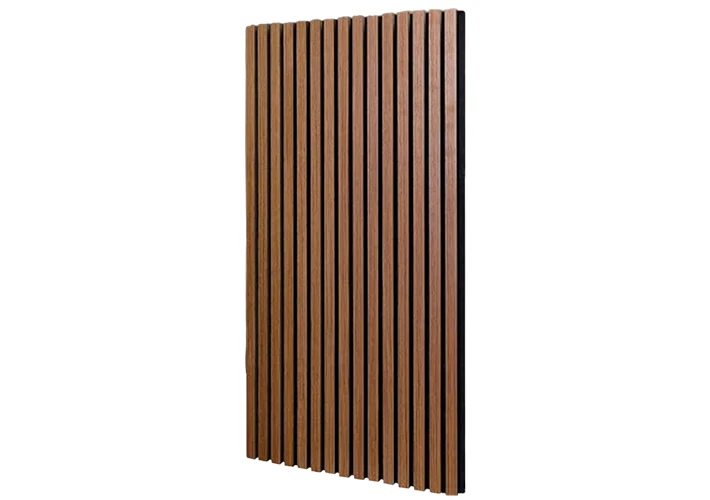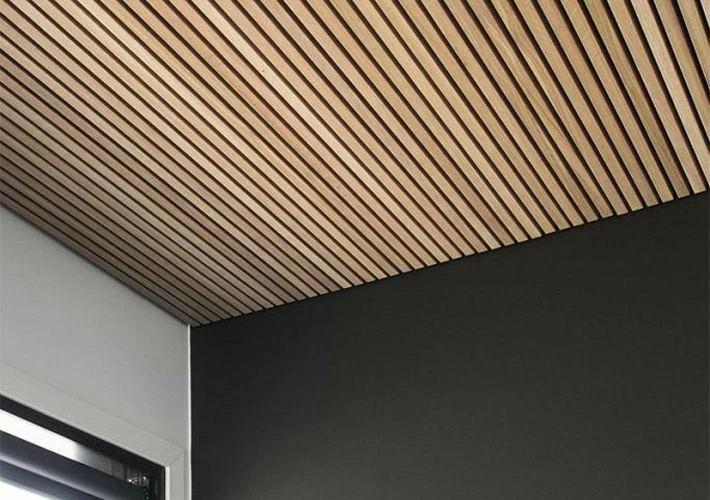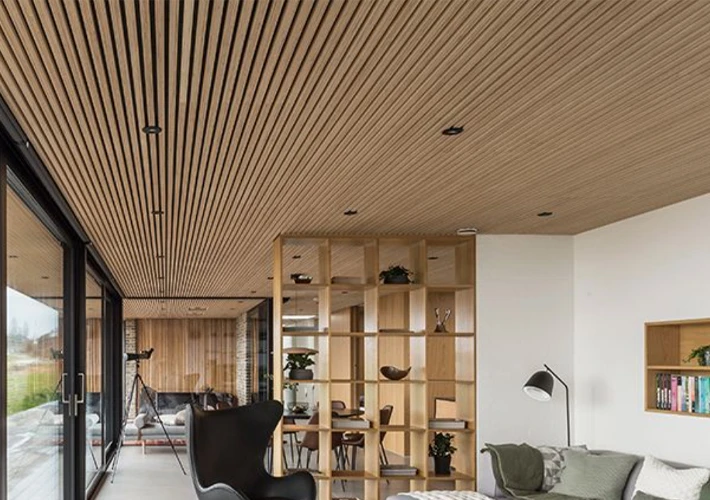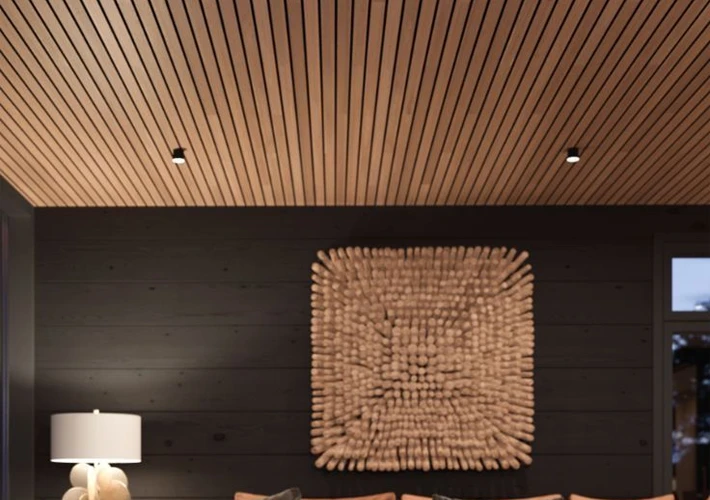
In modern hospitality design, guest comfort goes far beyond visual aesthetics. Today, sound quality is one of the most important — yet often overlooked — components of hotel performance. As hotel brands compete through guest experience, online reviews, and brand reputation, controlling noise has become a strategic priority rather than just a technical upgrade.
Acoustic ceiling panels are now widely used across guest rooms, lobbies, restaurants, corridors, and meeting facilities. These panels are engineered to absorb sound energy, reduce reverberation, and create balanced sound environments. Their porous structures convert sound waves into small amounts of heat energy, preventing excessive reflections and echo buildup.
For hotel owners, operators, and designers, ceiling acoustic panels offer a combination of operational, financial, and branding advantages. This article explores the full value of acoustic ceiling panels in hotels, including guest satisfaction, operational efficiency, regulatory compliance, and long-term ROI.
Noise is one of the top reasons for guest complaints in hotels. Even moderate background noise can disrupt sleep, reduce comfort, and negatively impact reviews. Studies in hospitality design consistently show that better acoustic environments directly improve guest satisfaction and overall well-being.
In hotel environments, major noise sources include:
Acoustic ceiling panels address these issues by absorbing reflected sound waves, reducing ambient noise levels, and improving speech clarity.
Without acoustic treatment, high ceilings, glass walls, stone floors, and metal decorative elements can create strong sound reflections. These reflections increase reverberation time (RT60), which reduces speech clarity and amplifies overall noise perception.

The core function of ceiling acoustic panels is sound absorption. Their effectiveness is measured using key acoustic metrics such as:
High NRC values help reduce background noise and improve overall acoustic comfort.
STC measures how well materials block sound transmission between spaces. Panels with STC ≥ 40 can significantly reduce cross-room noise interference.
Acoustic panels shorten RT60, which improves speech clarity and reduces echo. Excessive RT60 causes speech to blur and increases perceived noise levels.
Sleep quality is the single most important factor influencing hotel reviews and repeat bookings. Acoustic ceiling panels help create quieter perceived environments even when external noise sources remain present.
They reduce:
By minimizing sound reflections, hotel rooms feel quieter and more comfortable psychologically, improving sleep comfort and overall satisfaction.
Acoustic control is especially critical for:
Soft acoustic ceiling treatment combined with wall panels and door sealing forms a complete acoustic comfort system in modern hotel rooms.
Privacy is a key value driver in hospitality — especially for business travelers and high-end guests.
Acoustic ceiling panels help by:
While structural insulation blocks sound transmission, interior acoustic panels reduce internal sound energy, making conversations less audible outside the room.
This is particularly important for:
Some advanced ceiling systems also integrate sound masking technology to enhance privacy in shared business environments.

Public areas often suffer from noise buildup due to architectural design trends such as:
Acoustic ceiling panels reduce background noise and improve communication clarity in high-traffic areas.
Acoustic ceilings help create calm, premium first impressions by reducing chaotic sound reflections and improving conversation clarity between staff and guests.
Panels reduce:
This improves dining comfort, encourages longer stays, and supports positive online reviews.
Corridors act as sound channels. Ceiling acoustic treatment absorbs footsteps, luggage noise, and conversations before they reach guest rooms.
For business hotels, acoustic quality directly affects conference revenue.
Poor acoustics cause:
Acoustic ceiling panels improve speech intelligibility and sound distribution across meeting rooms.
Hotels meeting acoustic performance benchmarks are more competitive for:

Many acoustic ceiling panels provide thermal insulation benefits due to their material density.
Examples include:
This leads to:
Thermal performance improvements can reduce operating costs over time.
Commercial acoustic ceiling panels are often designed to meet strict fire safety standards.
Many achieve Class A fire ratings under ASTM E84, indicating low flame spread and smoke development.
This is critical for:
Many modern acoustic ceiling panels are manufactured using sustainable materials such as:
Some acoustic panel systems contribute to green building certifications such as LEED and C2C.
For hotel brands focused on ESG goals, acoustic ceiling solutions support:
Modern acoustic ceiling panels are no longer purely functional.
Today they are available in:
This allows hotels to integrate acoustic performance without compromising design identity.
Acoustic ceilings can also serve as signature visual features in:
Acoustic ceiling panels offer strong long-term value due to:
Because they can be installed without major structural changes, they are ideal for hotel renovations and brand upgrades.
Indirect ROI drivers include:
Better acoustic environments also improve staff working conditions, supporting retention and productivity.

The future of hotel acoustic ceiling systems is moving toward:
Integration with lighting, HVAC, and IoT building management systems.
Combining absorption, diffusion, and aesthetic features.
Increased use of bio-based and recycled materials.
Faster installation for hotel refurbishment projects.
Acoustic ceiling panels have evolved from optional upgrades to essential infrastructure in modern hotel design. They improve guest sleep quality, enhance privacy, optimize public space comfort, support business event performance, and reduce operational costs.
As hospitality competition continues to focus on experience-driven value, sound comfort will become as important as visual design and service quality. Hotels that invest in acoustic ceiling solutions gain a measurable advantage in guest satisfaction, brand reputation, and long-term financial performance.
For hotel developers, architects, and operators, ceiling acoustic panels represent one of the most cost-effective ways to upgrade both guest experience and building performance simultaneously.
Send us a message at whatsapp +86 189 5395 5575, and we will reply to you immediately!