< img height="1" width="1" style="display:none" src="https://www.facebook.com/tr?id=573800378452652&ev=PageView&noscript=1" />

How Long Can the Acoustic Panel Be Used?

Published on: 18 Jun, 2025
Table of Contents

Quick Answer: How Long Can Acoustic Panels Last?

Acoustic panels typically last 10–30 years or more, depending on the panel material, installation environment, usage frequency, and maintenance practices.

The average lifespan of common acoustic panels is:

  • Wood slat acoustic panels: 15–25 years
  • PET acoustic panels: 10–20 years
  • Fabric-wrapped acoustic panels: 8–15 years
  • Perforated MDF or metal acoustic panels: 15–30 years

For commercial projects such as hotels, offices, conference centers, and public buildings, selecting the right acoustic panel material and working with an experienced manufacturer can significantly improve long-term performance and reduce replacement costs.

As acoustic panels gain popularity in commercial, industrial, and residential spaces, one question often asked by architects, designers, and importers alike is: "How long can the acoustic panel be used?" This article aims to answer this question with a detailed analysis based on panel types, materials, maintenance practices, and environmental factors.

Understanding the longevity of acoustic panels is vital for contractors, wholesalers, and project planners because it affects long-term budgeting, renovation cycles, and the overall return on investment (ROI). As a leading manufacturer and exporter of acoustic panels in China, we believe it is important to provide clarity on this topic for our global partners.

Types of Acoustic Panels and Their Lifespans

Acoustic Panel Lifespan Comparison by Material

Different acoustic panel materials have different durability levels. For architects, contractors, and distributors, understanding lifespan differences helps select the right solution for specific projects.

Acoustic Panel TypeAverage LifespanCommon ApplicationsMain Durability Factors
Wood Slat Acoustic Panels15–25 yearsHotels, offices, luxury interiors, lobbiesMoisture resistance, surface coating, installation quality
PET Acoustic Panels10–20 yearsSchools, offices, auditoriumsMaterial density, cleaning frequency, UV exposure
Fabric-Wrapped Acoustic Panels8–15 yearsMeeting rooms, cinemas, studiosFabric quality, dust control, physical protection
Foam Acoustic Panels5–10 yearsRecording studios, home theatersUV resistance, temperature, material aging
Perforated MDF/Metal Acoustic Panels15–30 yearsAirports, commercial buildings, industrial spacesCore material, coating quality, mounting system

For large-scale commercial projects, lifespan is not only determined by the acoustic absorption performance but also by structural stability, appearance retention, and maintenance requirements.

Acoustic panels are not one-size-fits-all. Different materials and constructions have different durability characteristics. Here are some of the most common types:

1.1 Fabric-Wrapped Acoustic Panels

Average lifespan: 8–15 years

Fabric-wrapped panels are often made from mineral wool or fiberglass cores with a polyester or textile surface. The lifespan largely depends on fabric quality, exposure to dust, and physical wear.

Applications: Offices, meeting rooms, cinemas, music studios
Durability tips: Regular vacuuming or dry wiping can extend their appearance and acoustic effectiveness.

1.2 Wood Slat Acoustic Panels

Average lifespan: 15–25 years

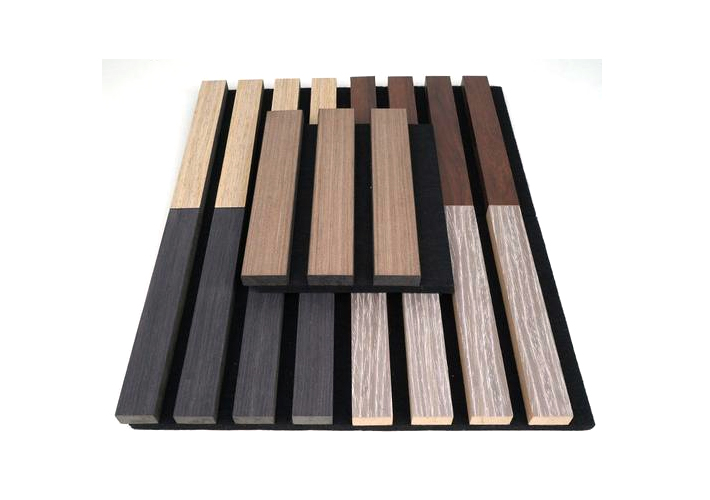
Wood slat acoustic panels, especially those using MDF with a veneer or laminate finish, are known for their elegant design and structural integrity. With proper care, they can last decades.

Applications: Hotels, conference halls, luxury homes, lobbies
Durability tips: Keep away from moisture, use anti-scratch coatings, and avoid direct sunlight.

1.3 Polyester Fiber Acoustic Panels (PET Panels)

Average lifespan: 10–20 years

Made from recycled polyester, PET panels are popular due to their eco-friendliness and resistance to mold and mildew. They retain their shape and performance over many years.

Applications: Classrooms, offices, auditoriums
Durability tips: Can be cleaned with a damp cloth or vacuumed; very low maintenance required.

1.4 Foam Acoustic Panels

Average lifespan: 5–10 years

While cost-effective, foam panels are prone to yellowing, tearing, and degradation over time, especially when exposed to UV light.

Applications: Recording studios, home theaters
Durability tips: Avoid exposure to direct light and heat sources; replace if sagging or crumbling occurs.

1.5 Perforated Acoustic Panels (MDF/Metal)

Average lifespan: 15–30 years

These panels are extremely durable, especially when installed in commercial and industrial environments. The perforated design combined with a sound-absorbing core makes them highly functional and long-lasting.

Applications: Airports, train stations, public buildings
Durability tips: Regular surface cleaning and inspection of mounting hardware.

Key Factors That Affect the Lifespan of Acoustic Panels

2.1 Material Quality

The durability of an acoustic panel heavily depends on the materials used. For example:

  • High-density fiberglass lasts longer than low-density alternatives.
  • Virgin PET performs better than recycled material with poor binding.
  • Wood-based panels must be treated to resist humidity and pests.

2.2 Installation Environment

  • Humidity: Excess moisture can cause mold growth or material warping.
  • UV Exposure: Constant sunlight may degrade surface colors or weaken certain adhesives.
  • Temperature: High temperatures may soften adhesives or deform foam-based panels.

2.3 Maintenance Practices

Just like flooring or paint, acoustic panels need regular care:

  • Cleaning: Dust buildup can reduce acoustic performance and visual appeal.
  • Inspections: Mounting systems should be checked periodically to prevent sagging.
  • Protection: Installing in low-traffic areas or using protective coatings can extend life.

Average Lifespan by Application Scenario

Application ScenarioRecommended Panel TypeExpected Lifespan
Luxury Hotel LobbyWood Slat / Perforated MDF20–30 years
Office Meeting RoomFabric-Wrapped / PET10–15 years
Music StudioFoam / Fabric-Wrapped5–10 years
School ClassroomPET / Fabric-Wrapped10–20 years
Cinema HallFabric-Wrapped / PET12–20 years
Industrial WarehouseMetal Perforated Panels25–30 years
Home TheaterFoam / Wood Slat8–15 years

How Long Do Acoustic Panels Last in Hotels and Commercial Projects?

For commercial applications, acoustic panels are usually selected based on durability, appearance, acoustic performance, and maintenance requirements.

Hotels

In hotels, acoustic panels are commonly installed in:

  • Hotel lobbies
  • Guest room feature walls
  • Corridors
  • Restaurants
  • Conference rooms

Wood slat acoustic panels and premium PET acoustic panels are popular choices because they combine decorative design with sound control. With proper installation and maintenance, many hotel acoustic wall solutions can maintain performance for 15–25 years.

Offices and Commercial Buildings

Office projects require acoustic solutions that improve speech clarity and reduce noise distractions. PET panels, fabric panels, and wood acoustic systems are widely used in:

  • Open offices
  • Meeting rooms
  • Reception areas
  • Training rooms

Choosing durable materials helps companies reduce renovation frequency and long-term operating costs.

Public and Industrial Projects

For airports, transportation facilities, and industrial buildings, durability is a key consideration. Metal and perforated acoustic systems can provide decades of service because of their structural strength and resistance to heavy use.

How to Extend the Life of Your Acoustic Panels

4.1 Choose the Right Type for the Right Space

Don't install foam panels in high-humidity areas or wood panels in rooms without proper climate control. Choose based on usage intensity and environmental conditions.

4.2 Perform Regular Cleaning

  • Vacuum gently or wipe with a dry microfiber cloth
  • For PET panels, a damp cloth works well
  • Avoid chemical cleaners unless recommended by the manufacturer

4.3 Avoid Physical Damage

  • Install at appropriate heights away from heavy traffic
  • Use corner guards or protective strips for exposed areas
  • Avoid leaning furniture or ladders against panels

4.4 Monitor Environmental Conditions

  • Use dehumidifiers in moist areas
  • Add UV film to windows to reduce sun damage
  • Maintain a stable room temperature

Do Acoustic Panels Lose Performance Over Time?

A common concern among project owners and designers is whether acoustic panels lose their sound absorption ability after years of use.

In most cases, high-quality acoustic panels do not suddenly lose acoustic performance. Instead, performance gradually changes due to several environmental factors:

1. Dust and Surface Contamination

Dust accumulation can reduce the efficiency of some acoustic materials by blocking the porous structure that absorbs sound waves. Regular cleaning helps maintain both appearance and acoustic performance.

2. Moisture and Humidity Exposure

Continuous exposure to high humidity may affect wood-based panels, adhesives, and acoustic cores. For hotels, restaurants, and coastal projects, choosing moisture-resistant materials is especially important.

3. Physical Damage

Cracks, deformation, damaged edges, or loose mounting systems may reduce sound absorption performance and affect the overall appearance.

4. Material Aging

High-quality acoustic panels from reliable manufacturers are designed for long-term use. However, after many years, surface finishes, fabrics, or acoustic cores may require inspection or replacement depending on project requirements.

When Should You Replace Acoustic Panels?

Even the best materials eventually degrade. Signs that it's time for a replacement include:

  • Loss of acoustic performance (increased echo or reverberation)
  • Fading, tearing, or sagging of the panel surface
  • Unpleasant odors or signs of mold
  • Physical damage from impact, fire, or water
  • Outdated design that no longer fits the décor or function

In general, panels should be assessed every 8–10 years, even if they appear intact.

Sustainability and Long-Term Value

With environmental concerns rising globally, many buyers are shifting toward sustainable options. Long-lasting acoustic panels not only reduce costs over time but also minimize waste.

Our Recommended Materials:

  • PET Acoustic Panels: Made from recycled plastic bottles, durable, and recyclable again after use
  • Wood Slat Panels with E0 MDF Core: Formaldehyde-free and sustainably sourced
  • Metal Perforated Panels: Long-lasting and fully recyclable

By choosing durable and eco-friendly materials, buyers benefit from:

  • Reduced maintenance and replacement costs
  • Better indoor air quality (no VOC emissions)
  • Compliance with green building standards (e.g., LEED, BREEAM)

Conclusion: Invest in Longevity, Invest in Quality

The lifespan of acoustic panels varies widely depending on material, environment, usage, and maintenance. On average, well-selected and properly maintained panels can last from 10 to 30 years or more.

For businesses, designers, and importers, this makes acoustic panels not just a performance product, but also a long-term investment. Choosing a reputable manufacturer that uses quality raw materials, offers installation guidance, and provides after-sales support can significantly improve the value and performance of your project.

Why Choose AesthEdge as Your Acoustic Panel Manufacturing Partner?

For international buyers, acoustic panel lifespan is closely related to manufacturing quality, material selection, and supplier experience.

AesthEdge is a professional acoustic panel manufacturer in China, providing solutions for distributors, contractors, architects, and commercial projects worldwide.

Our advantages include:

Factory Production Capability

We provide stable production capacity and strict quality control to ensure consistent product performance for bulk orders.

OEM and Customization Services

Customers can customize:

  • Panel sizes
  • Surface finishes
  • Colors and textures
  • Acoustic structures
  • Packaging solutions

Project Support

For hotels, offices, and commercial interiors, we provide product recommendations, installation guidance, and material solutions based on different application environments.

Choosing an experienced acoustic panel factory helps buyers achieve better durability, stable supply, and long-term project value.

About Us

We are Aesthedge, a leading Chinese manufacturer and exporter specializing in high-quality acoustic panels, including:

  • Wood Slat Acoustic Panels
  • Polyester Fiber Panels (PET)
  • Perforated MDF and Metal Panels
  • Custom Designs for Hotels, Offices, Theaters, and More

With years of production experience, strict QC processes, and a commitment to sustainability, we are your reliable partner in acoustic material solutions.

📩 Contact us today to get a free sample or request a catalog for your market.

Frequently Asked Questions About Acoustic Panel Lifespan

How many years do acoustic panels last?

Most acoustic panels last between 10 and 30 years. The actual lifespan depends on material type, installation conditions, and maintenance.

Can acoustic panels last 20 years?

Yes. High-quality wood slat acoustic panels, PET panels, and perforated acoustic panels can often last 20 years or longer when properly installed and maintained.

Which acoustic panel has the longest lifespan?

Perforated MDF and metal acoustic panels generally have one of the longest lifespans, often reaching 15–30 years in commercial applications.

Are PET acoustic panels durable?

Yes. PET acoustic panels are durable, lightweight, mold-resistant, and require low maintenance, making them suitable for offices, schools, and public spaces.

How can I extend the lifespan of acoustic panels?

To maximize service life:

  • Choose the correct panel type for the environment
  • Ensure professional installation
  • Control humidity and temperature
  • Clean panels regularly
  • Avoid physical impact

Views: 119

Search
Latest blog

Most Popular Blue Mist PVC Marble Sheets with UV Protection for 2026

Nov 02, 2026

The Distinctive Features of Wide Fluted Wall Panel Designs

Oct 30, 2026

Matte vs Skin-Feel Bamboo Charcoal Wood Veneer: Key Differences for Buyers

Oct 27, 2026

1200 x 600 Marble SPC Wall Panels: Design Options and Bulk Buying Guide

Oct 22, 2026

Where Can Teak-Colored Acoustic Panels Be Used?

Oct 20, 2026

Primary Application Scenarios for 3D Deep-Vein PVC Marble Sheets

Oct 16, 2026
en_USEnglish