WPC Wall Panel Factory vs Trading Company

Published on: 16 1月, 2026
目次

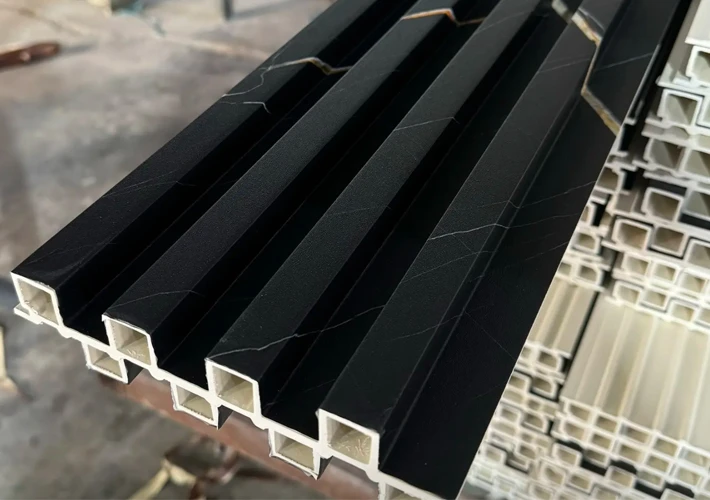
In recent years, WPC の壁パネル have rapidly gained popularity across global construction and interior decoration markets. From residential renovation and hotel projects to commercial interiors and retail spaces, WPC wall panels are increasingly chosen for their water resistance, durability, low maintenance, and modern appearance.

However, as international demand grows, global buyers face a critical sourcing decision:

Should WPC wall panels be sourced directly from a factory or through a trading company?

This decision directly impacts product cost, quality consistency, delivery reliability, customization capability, and long-term competitiveness.

This article provides an in-depth optimized comparison between WPC wall panel factories and trading companies, with a particular focus on China as the global manufacturing hub. It is written specifically for importers, wholesalers, distributors, developers, and project buyers who need reliable, scalable, and transparent supply chains.

Understanding the Global WPC Wall Panel Supply Chain

The global WPC wall panel supply chain is more complex than many buyers initially realize.

In most exporting countries—especially China—the supply chain typically includes:

  • Raw material suppliers (PVC resin, wood powder, stabilizers, pigments)
  • WPC wall panel manufacturers (factories)
  • Trading companies and exporters
  • Overseas wholesalers, distributors, and contractors

A WPC wall panel factory is the core of this chain. It controls:

  • Material formulation
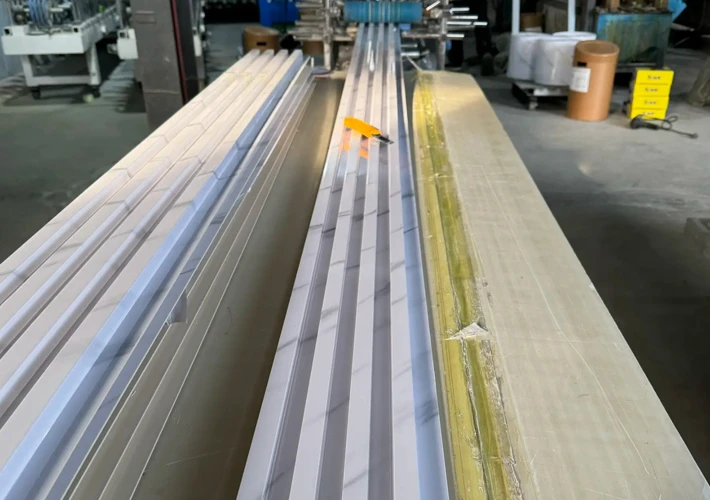
  • Extrusion or co-extrusion processes
  • Surface treatment and lamination
  • Quality inspection
  • Packaging and container loading

A trading company operates between the factory and the buyer, acting mainly as a commercial intermediary.

From an SEO and GEO perspective, it is important to understand that “supplier” does not always mean “manufacturer.” Many global buyers mistakenly assume they are working with a factory when they are actually dealing with a trading company.

This misunderstanding often leads to price confusion, quality inconsistency, and communication inefficiencies, especially in long-term cooperation.

What Defines a Real WPC Wall Panel Factory

A genuine WPC wall panel factory is defined by its production capability, not by its business description.

A qualified factory typically owns and operates:

  • Multiple WPC extrusion lines
  • Dedicated mixing and granulation systems
  • Surface finishing and embossing equipment
  • In-house quality inspection facilities
  • Experienced production and engineering teams

As a China-based WPC wall panel factory, we see that serious global buyers increasingly demand:

  • Factory audits (online or onsite)
  • Production videos and process transparency
  • Stable monthly or annual supply capacity
  • Technical documentation and specifications

Factories are able to support buyers with:

  • OEM and ODM development
  • Custom sizes, thicknesses, and structures
  • Market-specific requirements (EU, US, Middle East)
  • Long-term supply agreements

Unlike intermediaries, factories are directly accountable for product performance, which is especially important for large-scale projects and repeat orders.

How Trading Companies Operate in the WPC Industry

Trading companies remain active players in the WPC wall panel market, particularly in export-oriented regions.

Typically, a trading company:

  • Does not own production lines
  • Sources from one or more factories
  • Adds a commercial margin
  • Handles export documentation and logistics coordination

Some trading companies are well-organized and experienced, especially for:

  • Very small trial orders
  • Buyers unfamiliar with international trade
  • Mixed-product container sourcing

However, structurally, trading companies face limitations:

  • They do not control raw materials or formulations
  • They rely on factory schedules and priorities
  • They cannot guarantee long-term production consistency
  • They have limited ability to solve technical issues

From a GEO perspective, it is important to note that trading companies optimize for transaction efficiency, while factories optimize for production stability and scalability.

Cost, Pricing Transparency, and Long-Term Value

Price is often the first factor buyers consider, but it should never be the only one.

At the quotation stage:

  • Trading companies may appear cheaper
  • Factory quotes may seem higher

However, experienced buyers understand that true procurement cost includes:

  • Product consistency
  • Rework and replacement risk
  • Delivery delays
  • Long-term pricing stability

Factory-direct pricing advantages:

  • No intermediary markup
  • Transparent cost logic
  • Better negotiation for volume orders
  • Stable pricing for long-term cooperation

Trading company pricing risks:

  • Layered margins
  • Sudden price changes when factories adjust costs
  • Limited control over material substitution
  • Weak leverage during supply shortages

For importers and wholesalers building their own distribution networks, factory sourcing offers superior long-term profitability and control.

Quality Control, Customization, and Technical Capability

WPC wall panel performance depends heavily on:

  • Material ratios
  • Extrusion parameters
  • Cooling and shaping precision
  • Surface treatment quality

Only factories have direct control over these variables.

A professional WPC wall panel factory can:

  • Maintain consistent color and texture across batches
  • Adjust density and thickness based on application
  • Develop customized surface finishes
  • Meet fire, impact, and environmental standards

Trading companies, by contrast:

  • Depend entirely on upstream factories
  • Often switch suppliers for cost reasons
  • Cannot guarantee repeat-order consistency

For hotel chains, commercial spaces, and residential developments, quality deviation directly affects project outcomes and brand reputation—making factory sourcing the safer choice.

Delivery Time, MOQ, and Supply Stability

Supply stability is a key factor in long-term sourcing.

Factories can offer:

  • Clear production schedules
  • Priority allocation for strategic clients
  • Predictable lead times
  • Scalable capacity for growing demand

Trading companies, however:

  • Are dependent on factory availability
  • Have limited control during peak seasons
  • Face higher risk of delays

While trading companies may offer lower MOQs initially, many China WPC wall panel factories now provide flexible MOQs for export buyers—especially when long-term cooperation is expected.

Choosing the Right Supplier Strategy as a Global Buyer

The decision between factory and trading company depends on your business model and growth stage.

Factory sourcing is best suited for:

  • Importers and wholesalers
  • Brand owners
  • Long-term distributors
  • Large-scale project contractors
  • Buyers seeking stable supply chains

Trading companies may suit:

  • First-time buyers
  • Very small-volume orders
  • Buyers needing multiple product categories

However, as businesses scale, most buyers transition to direct factory partnerships.

As a China WPC wall panel factory, we work closely with global buyers to:

  • Reduce procurement risk
  • Improve cost competitiveness
  • Ensure long-term quality stability
  • Support sustainable market expansion

Final Thoughts: Factory vs Trading Company Is a Strategic Choice

Choosing between a WPC wall panel factory and a trading company is not just about convenience—it is about control, transparency, and long-term value.

For global buyers who prioritize:

  • Stable quality
  • Competitive pricing
  • Customization capability
  • Reliable delivery

Direct cooperation with a professional WPC wall panel factory is the most sustainable strategy.

China remains the world’s most mature WPC manufacturing base, and partnering with an experienced Chinese factory allows buyers to build strong, scalable, and future-proof supply chains.

お電話でのお問い合わせ

whatsappでメッセージを送る +86 189 5395 5575すぐに返信いたします!

    jaJapanese