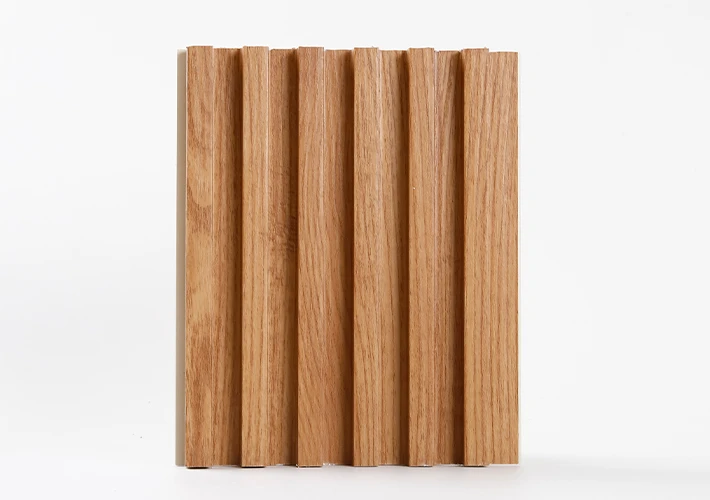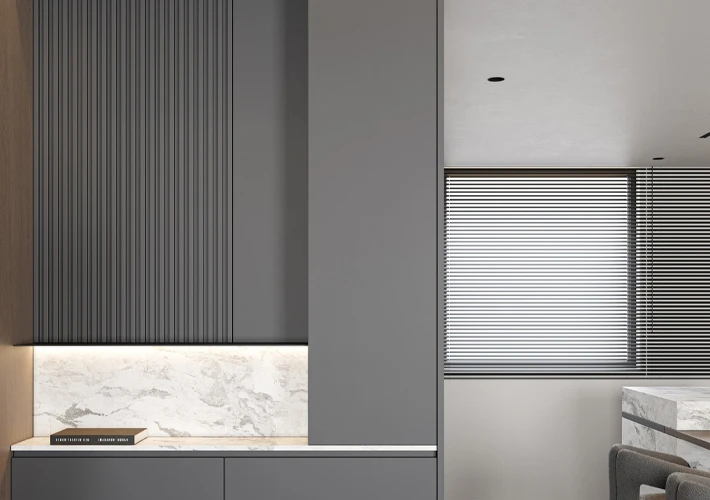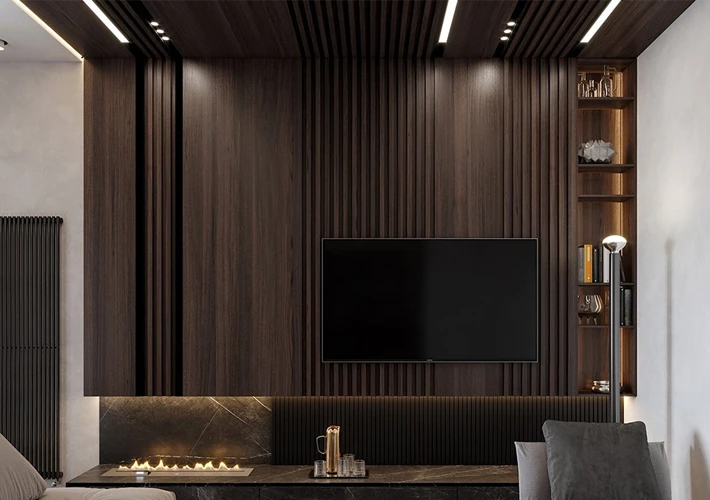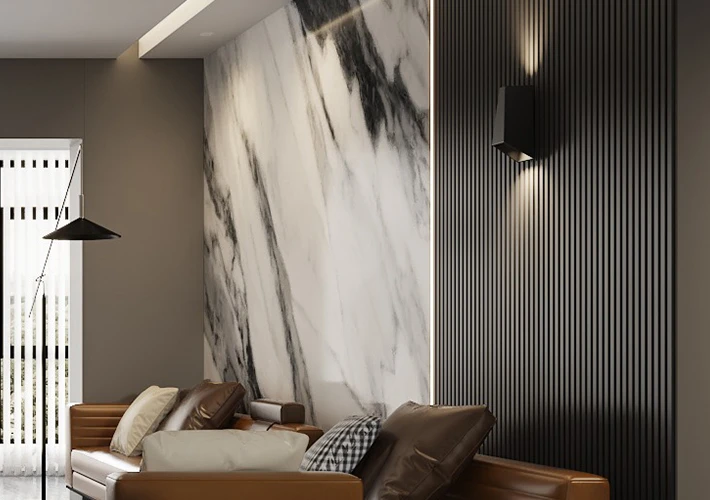
Wood Plastic Composite (WPC) wall panels have become one of the most popular decorative materials in modern construction and interior design. From residential homes to commercial buildings and large-scale hotel renovation projects, WPC wall panels are widely used because of their durability, eco-friendliness, and cost efficiency.
In recent years, global demand for WPC wall panels has increased significantly, especially in Europe, North America, the Middle East, and Southeast Asia. Builders, designers, and distributors are increasingly turning to WPC panels as a modern alternative to traditional wood, MDF, or PVC wall cladding.
But one of the most common questions from buyers, distributors, and project contractors is:
What materials are used in WPC wall panels?
Understanding the composition of WPC wall panels is essential for evaluating their performance, durability, environmental impact, and long-term value. As a professional Chinese WPC wall panel manufacturer, we will explain the raw materials, production components, and how each element contributes to the final product.
Before discussing the materials, it is important to understand what WPC actually means.
WPC stands for Wood Plastic Composite, which is a composite material made by combining wood fibers or wood powder with thermoplastics and additives. These materials are mixed, heated, and extruded into decorative wall panels that replicate the appearance of natural wood while offering superior performance.
Compared with traditional wood panels, WPC wall panels offer several advantages:
Because of these benefits, WPC wall panels are widely used in:
Now let's explore the core materials used in WPC wall panels.

The first key ingredient in WPC wall panels is wood fiber or wood powder. This natural material is responsible for giving WPC panels their authentic wood texture and structural strength.
Most WPC manufacturers use recycled or sustainable wood sources such as:
Using recycled wood materials helps reduce waste and makes WPC wall panels a more environmentally friendly alternative to solid wood panels.
Wood fibers play several important roles:
1. Structural Strength
Wood fibers reinforce the composite structure, increasing the panel’s stiffness and load-bearing capacity.
2. Natural Appearance
Because the panels contain real wood particles, they can achieve a natural wood-like texture and grain.
3. Thermal Insulation
Wood fibers help improve the thermal insulation properties of the panels, making them suitable for interior applications.
4. Sustainability
By using recycled wood materials, manufacturers reduce the demand for natural timber and promote sustainable production.
Typically, wood powder accounts for 50%–60% of the total WPC material composition.
The second major component of WPC wall panels is thermoplastic material. Thermoplastics bind the wood fibers together and provide waterproof performance.
Most WPC wall panels use the following thermoplastics:
1. Polyvinyl Chloride (PVC)
PVC is the most commonly used plastic in interior WPC wall panels. It provides excellent waterproof performance, fire resistance, and durability.
2. Polyethylene (PE)
PE is sometimes used for exterior WPC products such as decking or outdoor cladding.
3. Polypropylene (PP)
PP is used in some high-performance WPC formulations where higher heat resistance is required.
Among these materials, PVC is the dominant choice for interior decorative WPC wall panels.

Thermoplastics provide several key advantages:
Typically, plastic materials account for 30%–40% of the total WPC composition.
Another important material used in WPC wall panels is calcium carbonate (CaCO₃) and other mineral fillers.
Calcium carbonate serves several functional purposes in WPC production:
1. Improved Rigidity
It increases the hardness and structural stability of the panels.
2. Cost Optimization
Mineral fillers help reduce material costs without sacrificing performance.
3. Improved Processing
Calcium carbonate improves extrusion performance during manufacturing.
4. Enhanced Surface Smoothness
It helps produce a smoother panel surface, which is important for decorative finishes.
In most WPC wall panels, calcium carbonate accounts for approximately 5%–15% of the total composition.
In addition to the main materials, WPC wall panels also contain several functional additives. These additives improve the performance, safety, and durability of the panels.
Stabilizers help protect the material during high-temperature extrusion and prevent degradation over time.
UV stabilizers prevent color fading and material breakdown when exposed to sunlight.
Lubricants improve the extrusion process by reducing friction between materials and machinery.
Coupling agents improve the bonding between wood fibers and plastic materials, ensuring a stronger composite structure.
Impact modifiers improve the panel’s resistance to cracking or breakage.
Although additives usually account for less than 5% of the total composition, they play a critical role in ensuring the final product meets industry performance standards.
In addition to the core composite materials, modern WPC wall panels often feature decorative surface layers to enhance aesthetics and durability.
These decorative layers allow WPC panels to imitate high-end materials such as natural wood, stone, or marble.
One of the most common surface treatments is PVC decorative film lamination, which provides:
The PVC film is applied using hot lamination technology to ensure strong adhesion and long-term durability.
Hot stamping uses heat and pressure to apply decorative patterns onto the panel surface.
Some WPC panels are finished with UV coatings that provide:
These decorative technologies allow WPC wall panels to match a wide range of interior design styles.

One of the biggest advantages of WPC wall panels is their environmentally friendly material composition.
Many WPC panels incorporate recycled wood fibers and recyclable plastics. This reduces the environmental impact compared to traditional materials.
Because WPC products use wood powder instead of solid timber, they significantly reduce the demand for natural wood.
High-quality WPC wall panels typically meet international environmental standards such as:
This makes WPC panels suitable for residential homes, offices, hotels, and other indoor spaces.
The combination of these materials is made possible through a precise manufacturing process.
Wood powder, plastic resin, calcium carbonate, and additives are carefully measured and mixed according to specific formulas.
The raw materials are mixed at high temperature to create a uniform composite blend.
The mixture is fed into an extrusion machine where it is heated and shaped into wall panel profiles.
The extruded panels pass through cooling systems to stabilize their shape.
Decorative films, coatings, or textures are applied to create the final appearance.
Each panel is inspected for thickness, surface quality, and structural strength before packaging.
As a professional WPC wall panel factory in China, advanced extrusion lines and strict quality control ensure consistent product quality for global export markets.
China has become one of the world’s largest producers and exporters of WPC wall panels.
International distributors, wholesalers, and project contractors often source WPC panels from Chinese factories for several reasons.
Large-scale manufacturing allows Chinese factories to offer highly competitive prices compared with suppliers in other regions.
Modern extrusion equipment and automated production lines ensure stable product quality.
Chinese manufacturers offer a variety of panel types, including:
Factories can customize:
This flexibility is especially valuable for international distributors and private-label brands.

WPC wall panels are innovative decorative materials that combine the best properties of wood and plastic. Their performance, durability, and aesthetic versatility make them an excellent solution for modern interior wall decoration.
The primary materials used in WPC wall panels include:
Together, these materials create a strong, waterproof, environmentally friendly wall panel that is widely used in residential and commercial spaces.
As global demand for sustainable and cost-effective building materials continues to grow, WPC wall panels are expected to play an increasingly important role in the construction and interior decoration industries.
As a professional WPC wall panel manufacturer in China, we provide high-quality products, stable supply capacity, and customized solutions for distributors, wholesalers, and project contractors worldwide.
If you are looking for a reliable supplier of WPC wall panels for your next project or wholesale business, feel free to contact us to learn more about our products and manufacturing capabilities.
whatsappでメッセージを送る +86 189 5395 5575すぐに返信いたします!