Introduction: Understanding SPC Wall Panel Thickness Before Bulk Purchase
SPC壁パネル have become one of the fastest-growing interior wall solutions for residential, commercial, and hospitality projects worldwide. With advantages such as waterproof performance, impact resistance, easy installation, and modern decorative appearance, SPC wall panels are increasingly replacing traditional wall materials including ceramic tiles, wallpaper, and painted walls.
For importers, distributors, contractors, and construction companies, choosing the correct SPC wall panel thickness is one of the most important factors affecting product performance, installation efficiency, and project cost.
Different thickness options provide different levels of durability, sound insulation, impact resistance, and application suitability. A thin SPC wall panel may be suitable for decorative renovation projects, while thicker panels are preferred for hotels, offices, hospitals, and high-traffic commercial spaces.
As a professional SPC wall panel manufacturer in China, Aesthedge supplies factory-direct SPC wall panels with multiple thickness options, customized designs, and OEM solutions for global wholesale customers.
This guide explains SPC wall panel thickness options, installation requirements, technical considerations, and how international buyers can select the right products for their projects.
What Is SPC Wall Panel and Why Thickness Matters?
SPC wall panel, also known as Stone Plastic Composite wall panel, is an innovative interior wall covering material made from a mixture of natural limestone powder, PVC resin, and stabilizing additives.
The typical structure of an SPC wall panel includes:
UV protective coating
Decorative film layer
SPC core layer
Reinforced backing layer
This multi-layer structure provides excellent durability and decorative performance.
Unlike traditional wall coverings, SPC wall panels are:
100% waterproof
Resistant to moisture and mold
Easy to clean
Fire-resistant options available
Termite-resistant
Fast to install
Suitable for wet areas
However, the thickness of the SPC wall panel directly affects many important properties.
1. Impact Resistance
A thicker SPC wall panel generally provides stronger impact resistance.
For areas such as:
Hotels
Shopping malls
Schools
Office buildings
Public facilities
where walls may experience frequent contact or impact, thicker panels provide better long-term protection.
For residential bedrooms or decorative feature walls, thinner panels may already meet performance requirements.
2. Structural Stability
SPC wall panels need sufficient thickness to maintain flatness and prevent deformation.
During transportation, storage, and installation, panels with inadequate thickness may have higher risks of:
Bending
Edge damage
Surface cracking
Installation gaps
Thicker SPC panels provide better dimensional stability, especially in large wall applications.
3. Installation Performance
The thickness of SPC wall panels also affects installation methods.
For example:
Thin panels are lightweight and easier to handle
Medium thickness panels provide a balance between installation speed and durability
Thick panels offer better stability for large commercial projects
Professional installers often select thickness based on wall conditions, project requirements, and expected service life.
Common SPC Wall Panel Thickness Options for Different Projects
SPC wall panels are available in various thickness specifications depending on market requirements and application environments.
At Aesthedge, common thickness options include:
厚さ
Typical Application
3mm-4mm
Decorative walls, residential renovation
5mm-6mm
Homes, apartments, offices, retail spaces
8mm-10mm
Hotels, commercial buildings, high-traffic areas
10mm+
Special projects requiring enhanced durability
The right thickness depends on several factors, including:
Thin SPC wall panels between 3mm and 4mm are commonly used for decorative interior applications.
Advantages include:
Lightweight Installation
Because of their lower weight, thin SPC panels are easier to transport and install.
This helps reduce:
Labor costs
Installation time
Shipping expenses
They are especially suitable for:
Apartment renovation
Bedroom walls
Living room feature walls
Temporary decoration projects
コスト効率
For large-scale decorative projects where budget control is important, 3mm-4mm SPC wall panels provide an economical solution.
Importers often choose this thickness for:
DIY renovation products
Retail distribution
Home improvement markets
Recommended Applications
3mm-4mm SPC wall panels are ideal for:
Residential interiors
TV background walls
Decorative partitions
Rental property renovation
However, for commercial areas with frequent impact, buyers should consider thicker options.
5mm-6mm SPC Wall Panels: The Most Popular Thickness Choice
5mm-6mm SPC wall panels are currently among the most widely used thickness options in international markets.
They provide a good balance between:
強さ
Weight
コスト
Installation convenience
This thickness is suitable for many applications including:
Residential Projects
Common uses include:
Living rooms
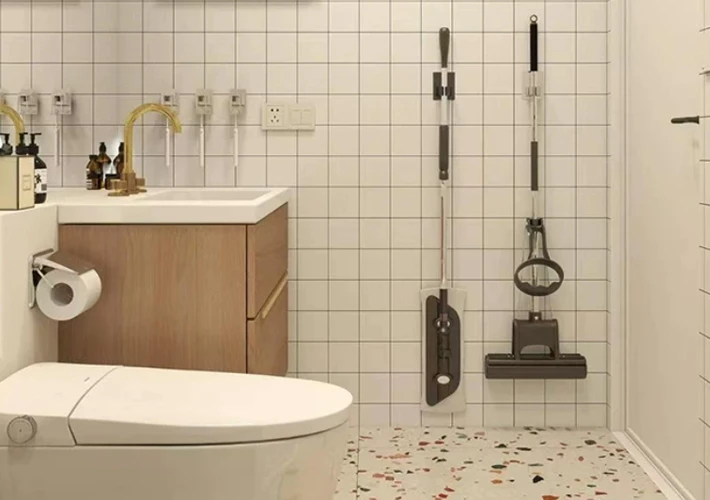
キッチン
バスルーム
ベッドルーム
Hallways
Because SPC panels are waterproof, they are especially popular for moisture-prone areas.
Commercial Interiors
5mm-6mm panels are widely used in:
Offices
Restaurants
Retail stores
Apartment projects
They provide sufficient durability while maintaining easy installation.
Advantages for Importers
For wholesalers and distributors, 5mm-6mm SPC wall panels are attractive because:
They meet requirements of most projects
They are easy to stock
They have broad market demand
They offer competitive pricing
Many overseas buyers select this thickness as their standard inventory product.
8mm-10mm SPC Wall Panels: Premium Choice for Commercial Projects
For commercial projects that require higher durability and longer service life, 8mm-10mm SPC wall panels are often the preferred solution.
Compared with thinner panels, thicker SPC wall panels provide:
Higher impact resistance
Better sound insulation performance
Improved wall protection
Stronger dimensional stability
These advantages make them suitable for demanding environments.
Recommended Applications of 8mm-10mm SPC Wall Panels
Hotels and Hospitality Projects
Hotels require interior materials that combine:
Attractive appearance
Easy maintenance
Long service life
Fast renovation capability
SPC wall panels with 8mm-10mm thickness are commonly used in:
Hotel lobbies
Guest rooms
Corridors
Restaurants
Conference areas
Compared with traditional stone or ceramic tiles, SPC wall panels significantly reduce installation time and labor costs.
Office Buildings
Modern offices increasingly prefer decorative wall systems that create professional environments while reducing construction complexity.
Thicker SPC wall panels are suitable for:
Reception areas
Meeting rooms
Executive offices
Public corridors
The enhanced thickness helps maintain a premium appearance even after years of use.
Retail and Commercial Spaces
Retail stores require wall materials that can handle:
Frequent customer contact
Daily cleaning
High traffic conditions
8mm-10mm SPC panels provide better protection against scratches, impacts, and daily wear.
Extra Thick SPC Wall Panels for Special Applications
Some projects require customized SPC wall panels with thicknesses above 10mm.
These products are usually developed for special requirements such as:
Heavy-duty commercial spaces
Sound insulation projects
Luxury interior projects
High-end architectural designs
Extra thick panels can provide additional:
Structural strength
Acoustic performance
Thermal insulation
However, buyers should consider that thicker panels may increase:
Material cost
Transportation weight
Installation requirements
Professional manufacturers can recommend the best thickness according to project conditions.
How to Choose the Right SPC Wall Panel Thickness?
Selecting the correct thickness is not only about choosing the strongest product. A suitable thickness should match the actual application requirements.
When purchasing SPC wall panels in bulk, international buyers should consider the following factors.
1. Consider the Installation Location
Different areas require different thickness levels.
Low-Traffic Areas
Examples:
ベッドルーム
Private homes
Decorative walls
Recommended:
3mm-5mm SPC wall panels
These areas mainly require aesthetic improvement rather than heavy protection.
Medium-Traffic Areas
Examples:
Apartments
Restaurants
Offices
Retail shops
Recommended:
5mm-8mm SPC wall panels
This range provides a balance between durability and cost.
High-Traffic Areas
Examples:
Hotels
Shopping centers
Hospitals
Public buildings
Recommended:
8mm-10mm or customized thickness
These environments require better impact resistance and long-term performance.
2. Consider Wall Surface Conditions
The existing wall condition also affects thickness selection.
Smooth and Flat Walls
For walls that are:
Flat
Dry
Strongly attached
Thin SPC panels can usually be installed successfully.
Uneven Walls
For older buildings or renovation projects, walls may have:
Cracks
Uneven surfaces
Moisture problems
In these situations, thicker SPC wall panels are often preferred because they provide better coverage and stability.
Installers may also use:
Metal frames
Wooden battens
Leveling layers
to create a better installation base.
3. Consider Transportation and Installation Costs
For international importers, thickness also influences logistics.
A thicker SPC wall panel means:
Higher product weight
More shipping cost
Stronger packaging requirements
For example:
A distributor focusing on DIY home renovation markets may prefer lighter panels because customers can install them easily.
A hotel contractor may prioritize durability over transportation cost.
Therefore, buyers should balance:
Product performance
Shipping expenses
Target market demand
SPC Wall Panel Installation Requirements and Methods
Proper installation is essential to maximize the performance of SPC wall panels.
Although SPC panels are designed for fast installation, following correct procedures ensures better appearance and longer service life.
The main installation methods include:
Adhesive installation
Metal frame installation
Interlocking installation
The best method depends on wall conditions and project requirements.
Wall Preparation Before SPC Panel Installation
Before installation begins, the wall surface should be properly prepared.
1. Check Wall Flatness
The wall should be checked for:
Uneven areas
Holes
Cracks
Loose materials
Large uneven areas should be repaired before installation.
A flat surface helps prevent:
Panel deformation
Visible gaps
Installation problems
2. Ensure the Wall Is Dry
Although SPC wall panels are waterproof, the installation surface should not have excessive moisture.
Wet walls may cause:
Adhesive failure
Mold growth behind panels
Poor bonding performance
For bathroom and wet-area projects, waterproof treatment of the substrate is recommended.
3. Clean the Surface
Before applying adhesive, remove:
Dust
Oil stains
Loose paint
Construction debris
A clean surface improves adhesion strength.
Adhesive Installation Method for SPC Wall Panels
Adhesive installation is one of the most common methods for SPC wall panels.
The process usually includes:
Step 1: Measure the Wall
Accurate measurement helps reduce:
Material waste
Cutting errors
Installation time
Step 2: Cut Panels According to Design
SPC wall panels can be cut using common woodworking tools.
Manufacturers usually provide:
Standard sizes
Custom dimensions
Matching accessories
Step 3: Apply Adhesive
Special construction adhesive is applied to the back of the panel.
The adhesive should provide:
Strong bonding
Long-term stability
Moisture resistance
Step 4: Fix the Panel
The panel is pressed firmly onto the wall.
Installers should check:
Alignment
Level position
Panel joints
Metal Frame Installation for Commercial Projects
For large-scale projects, metal frame installation is often preferred.
This method is commonly used for:
Hotels
Office buildings
Shopping malls
Advantages include:
Better wall leveling
Easier maintenance
Suitable for uneven walls
The installation structure usually includes:
Metal keels
Fixing brackets
SPC panels
Decorative trims
This method provides stronger support for thicker SPC wall panels.
Important Installation Requirements for Long-Term SPC Wall Panel Performance
Although SPC wall panels are known for easy installation, professional installation practices are still necessary to ensure long-term performance.
Incorrect installation may result in:
Panel gaps
Edge lifting
Uneven surfaces
Noise issues
Reduced service life
For international projects, contractors and installers should follow several key requirements.
Leave Proper Expansion Space
SPC materials may experience slight expansion and contraction due to temperature changes.
Therefore, installers should leave appropriate expansion gaps around:
Corners
Doors
Windows
Wall edges
Without sufficient expansion space, panels may experience:
Buckling
Pressure deformation
Joint separation
Professional installers always consider local climate conditions when installing SPC wall panels.
For example:
High-temperature regions require more attention to expansion allowance.
Cold climates require proper acclimatization before installation.
Maintain Correct Panel Alignment
The appearance of SPC wall panels depends greatly on installation accuracy.
During installation, workers should check:
Vertical alignment
Horizontal level
Joint consistency
Pattern matching
This is especially important for decorative designs such as:
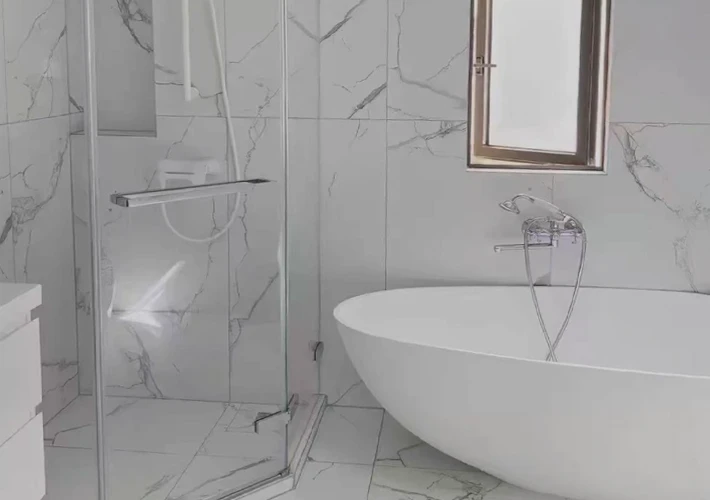
Marble patterns
Wood grain finishes
3D textures
Custom printing designs
Aesthedge provides SPC wall panels with consistent surface patterns and stable production quality to help contractors achieve better final results.
Use Proper Accessories for Professional Finishing
Accessories play an important role in SPC wall panel projects.
Common accessories include:
Aluminum trims
Corner profiles
Edge finishing strips
Connecting profiles
Using matching accessories helps:
Improve appearance
Protect panel edges
Increase installation durability
For large commercial projects, complete accessory solutions can significantly improve construction efficiency.
Common Mistakes During SPC Wall Panel Installation
Even though SPC wall panels are installer-friendly, some common mistakes should be avoided.
Installing on Wet or Damaged Walls
One of the biggest mistakes is installing panels directly on walls with:
Moisture problems
Loose surfaces
Serious cracks
The wall should always be inspected before installation.
Using Incorrect Adhesive
Not all adhesives are suitable for SPC wall panels.
Low-quality adhesive may lead to:
Panel falling
Edge separation
Poor long-term performance
Professional projects should use construction adhesives recommended for SPC materials.
Ignoring Expansion Gaps
Installing panels without considering expansion space may create problems after temperature changes.
This is particularly important in:
Tropical areas
Outdoor-connected spaces
Large wall installations
Poor Cutting Accuracy
Incorrect cutting can affect:
Visual appearance
Joint quality
Installation efficiency
Using professional cutting tools helps achieve cleaner edges.
SPC Wall Panel Maintenance Requirements
One major advantage of SPC wall panels is their low maintenance requirement.
Unlike wallpaper or painted walls, SPC panels do not require frequent renovation.
Regular maintenance usually includes:
Daily Cleaning
Use:
Soft cloth
Mild detergent
Clean water
Avoid:
Strong chemical cleaners
Abrasive tools
Hard brushes
Long-Term Maintenance
With proper installation and care, high-quality SPC wall panels can maintain:
Color stability
Surface appearance
Structural performance
for many years.
This makes SPC wall panels a popular choice for:
Hotels
Rental apartments
Commercial buildings
Residential projects
How to Select a Reliable SPC Wall Panel Manufacturer in China
For importers and distributors, choosing the right supplier is as important as choosing the right thickness.
A professional SPC wall panel manufacturer should provide:
1. Stable Production Capacity
Large projects require reliable supply.
A qualified factory should have:
Modern production lines
Quality inspection procedures
Experienced workers
Stable raw material supply
This ensures consistent product quality for every shipment.
2. Multiple Thickness Options
A professional supplier should offer different thickness solutions, including:
3mm
4mm
5mm
6mm
8mm
Customized thickness
Different markets have different requirements, so flexible production capability is important.
3. OEM and Custom Design Services
Many distributors need unique products for their markets.
A capable SPC wall panel factory should support:
Custom colors
Custom surface patterns
Private labeling
Packaging customization
Product size adjustments
This helps overseas buyers build competitive product lines.
4. Quality Control System
Before shipment, SPC wall panels should be inspected for:
Thickness accuracy
Surface quality
Color consistency
Dimensional stability
Packaging condition
Reliable quality control reduces complaints and improves customer satisfaction.
Why Choose Aesthedge as Your SPC Wall Panel Supplier?
Aesthedge is a professional China manufacturer specializing in decorative interior materials, providing SPC wall panels and complete wall decoration solutions for global B2B customers.
Our products are designed for:
Importers
Distributors
Contractors
Architects
Hotel renovation companies
Commercial project developers
Factory Direct Supply
Working directly with Aesthedge provides:
Competitive factory pricing
Stable production capacity
Flexible MOQ options
Faster communication
Reliable export support
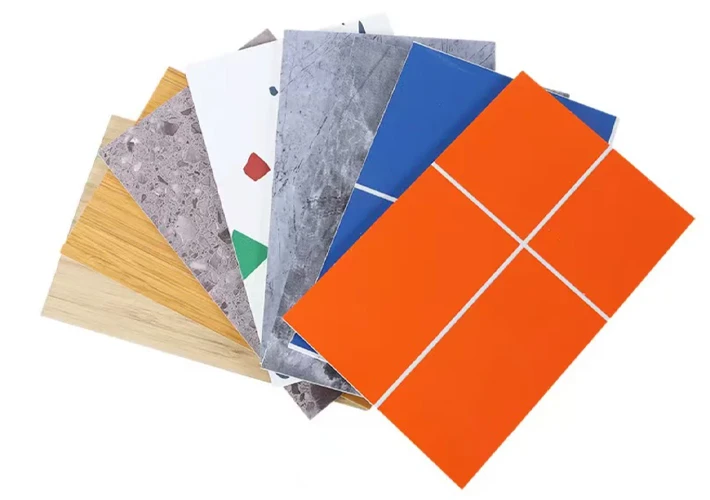
Wide Range of SPC Wall Panel Designs
Aesthedge offers various SPC wall panel designs, including:
Marble effect
Wood grain
Stone texture
Modern decorative patterns
Custom designs
These options help customers meet different market preferences.
Professional OEM Manufacturing
For international brands and distributors, Aesthedge supports:
Customized thickness
Customized colors
Customized packaging
Logo printing
Project-based solutions
Export Experience for Global Markets
Aesthedge serves customers from different regions, including:
Europe
North America
South America
Southeast Asia
Middle East
Australia
Our export experience allows us to understand:
Different building standards
Packaging requirements
Shipping conditions
Market preferences
SPC Wall Panel Thickness Selection Guide for Importers
When purchasing SPC wall panels in bulk, buyers can use the following simple guide:
Project Type
Recommended Thickness
Residential decoration
3mm-6mm
Apartment renovation
5mm-6mm
Office interiors
5mm-8mm
Restaurants and retail stores
6mm-8mm
Hotels and commercial projects
8mm-10mm
Heavy-duty applications
10mm+
The best thickness depends on project requirements, installation environment, and budget.
Conclusion: Choose the Right SPC Wall Panel Thickness for Better Project Results
SPC wall panel thickness plays an important role in determining durability, installation performance, appearance, and overall project value.
For residential decoration, lightweight 3mm-6mm SPC wall panels can provide an economical and attractive solution.
For hotels, offices, and commercial projects, thicker 8mm-10mm SPC wall panels offer better impact resistance and long-term stability.
When selecting SPC wall panels from China, buyers should work with a manufacturer that can provide:
Multiple thickness options
Stable quality
OEM customization
Professional export service
As an experienced SPC wall panel manufacturer in China, Aesthedge provides factory-direct solutions for global wholesalers, distributors, and project buyers.
Whether you need standard SPC wall panels or customized solutions for large-scale interior projects, our team can support your business with competitive pricing and reliable manufacturing.
Contact Aesthedge today to get SPC wall panel samples, product catalogs, specifications, and factory quotations for your next project.



 Japanese
  English
  French
  Russian
  Spanish
  Arabic
  Portuguese