When designing a luxury hotel, material selection has a direct impact on the visual identity, atmosphere, durability, and perceived value of the entire property. Among the many natural wood finishes available for hospitality interiors, oak and walnut wood veneer remain two of the most widely specified options.
Both materials can create an elegant and sophisticated appearance, but they communicate very different design styles. Oak wood veneer is generally associated with natural warmth, subtle texture, and contemporary simplicity, while walnut wood veneer is known for its deeper color, distinctive grain, and premium appearance.
For hotel developers, interior designers, architects, and purchasing teams, choosing between oak and walnut is not simply a question of color preference. Factors such as hotel positioning, room concept, lighting, furniture design, maintenance requirements, project budget, veneer consistency, substrate construction, and customization capabilities all need to be considered.
As a China factory specializing in decorative interior materials, AesthEdge provides wood veneer solutions for hospitality projects, commercial interiors, and customized architectural applications. Our production capabilities allow buyers to select different wood species, veneer appearances, panel constructions, sizes, surface treatments, and finishes according to project requirements.
This guide compares oak vs walnut wood veneer for luxury hotels and explains how to select the right option for guest rooms, hotel lobbies, restaurants, corridors, suites, furniture, and other hospitality spaces.
What Is Wood Veneer and Why Is It Used in Luxury Hotels?
Wood veneer is a thin layer of natural wood applied to a stable substrate such as MDF, plywood, or another engineered panel. Instead of producing a complete furniture component or wall panel from solid timber, manufacturers use a relatively thin layer of natural wood to achieve the appearance and tactile character of real wood while maintaining better dimensional stability and production flexibility.
For hotel projects, this construction method offers several practical advantages.
First, wood veneer provides a genuine natural wood appearance. The grain, color variations, and visual character of the selected species can create a more sophisticated finish than many printed wood-effect surfaces.
Second, veneer can be applied to large-format decorative panels. This is particularly useful for hotel interiors where designers want continuous wood finishes across walls, doors, furniture, reception counters, headboards, and architectural features.
Third, veneer allows manufacturers to coordinate different interior elements. A hotel project may require wall panels, wardrobes, doors, bedside tables, reception furniture, and decorative elements to share a similar wood appearance. A professional veneer supplier can develop matching finishes and panel specifications for these applications.
Wood veneer is especially suitable for luxury hotels because hospitality interiors often require a balance between aesthetics, functionality, consistency, and project-scale manufacturing.
The final appearance of a veneered panel depends on more than the wood species. Veneer cut, grain direction, matching method, substrate, edge treatment, coating, stain, gloss level, and installation method can all influence the finished result.
Therefore, when comparing oak and walnut, buyers should evaluate the complete veneer system rather than looking only at the raw wood color.
Oak vs Walnut Wood Veneer: Main Differences
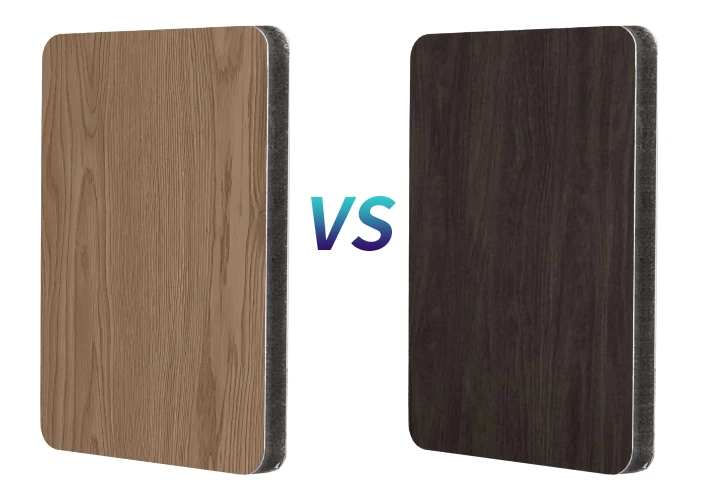
Oak and walnut are both natural hardwood species, but their visual characteristics are quite different.
Oak typically has a lighter and more open appearance. Depending on the species and finishing process, oak veneer may range from pale beige and light brown to warmer honey or medium-brown tones. Its grain can be relatively prominent, giving walls and furniture a natural and textured appearance.
Walnut is generally darker, with colors ranging from medium brown to rich chocolate and sometimes featuring darker grain patterns. Its appearance is often perceived as more formal and luxurious.
The following table provides a practical comparison for hotel interior projects:
特徴
Oak Wood Veneer
Walnut Wood Veneer
Typical appearance
Light, warm, natural
Deep, rich, sophisticated
Grain
Open and visible
Distinctive and flowing
Design style
Modern, Scandinavian, contemporary
Luxury, classic, boutique
Visual brightness
Generally brighter
Generally darker
Interior atmosphere
Warm and relaxed
Elegant and dramatic
Common applications
Guest rooms, restaurants, walls, furniture
Suites, lobbies, executive areas, furniture
Matching with light colors
素晴らしい
グッド
Matching with dark colors
グッド
素晴らしい
Design flexibility
高い
高い
Premium visual effect
Natural and understated
Rich and luxurious
It is important to remember that natural wood veneer does not have a completely uniform color. Different logs, veneer cuts, and finishing processes can create variations.
For commercial hotel projects, buyers should therefore approve physical samples before mass production.
Oak Wood Veneer
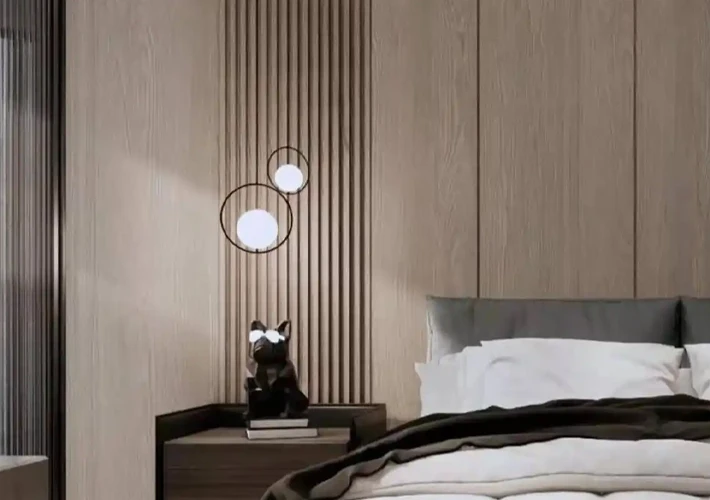
Oak is particularly attractive for hotels that want a bright, natural, and contemporary atmosphere.
The visible grain can become an important part of the interior design. Depending on the finishing technique, oak can look rustic, modern, minimalist, or refined.
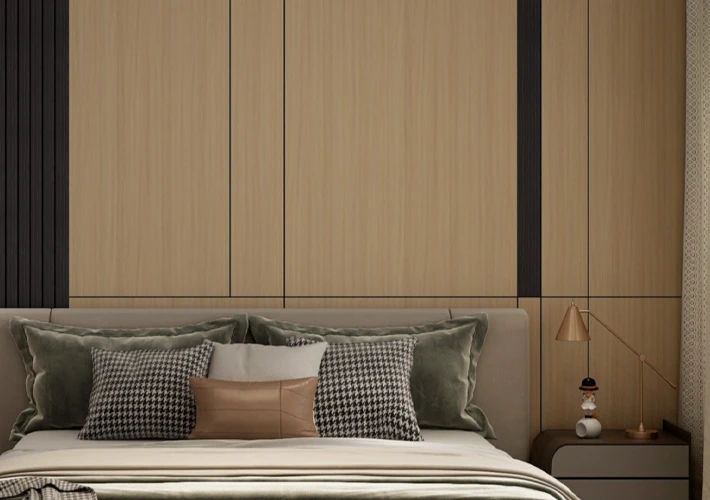
Light oak veneer works especially well with neutral walls, stone, concrete-effect materials, fabrics, glass, and metal. This makes it a versatile choice for contemporary hospitality interiors.
For example, an upscale hotel may use oak veneer for:
Guest room feature walls
Bed headboards
Wardrobes
Reception counters
Restaurant furniture
Corridor wall panels
Meeting rooms
Lounge areas
Hotel doors
Built-in cabinetry
Oak can also be finished in different tones to match a specific design concept.
A natural matte finish can emphasize the authentic wood appearance, while a darker stain can create a more sophisticated look.
Walnut Wood Veneer
Walnut is often selected when designers want stronger visual depth and a more luxurious atmosphere.
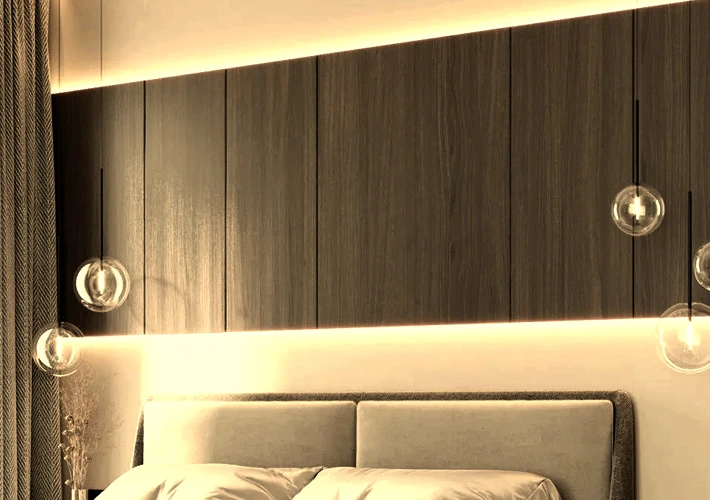
Its darker color can make large spaces feel more intimate and visually sophisticated. It is particularly effective when combined with warm lighting, brass, stone, leather, glass, and high-end fabrics.
Walnut veneer is commonly considered for:
Luxury hotel suites
Executive lounges
VIP rooms
Hotel lobbies
Fine dining restaurants
Reception desks
Feature walls
Executive offices
High-end bedroom furniture
Decorative cabinetry
Walnut can create a strong design statement even when used on relatively simple furniture.
For hotels positioned around luxury, exclusivity, or boutique design, walnut may therefore be specified as a major decorative material rather than simply an accent finish.
Which Wood Veneer Is Better for Luxury Hotel Guest Rooms?
There is no universal answer to whether oak or walnut is better for hotel guest rooms. The appropriate choice depends primarily on the desired interior atmosphere.
Oak is often suitable for hotels aiming for a bright, comfortable, contemporary environment.
A guest room using light oak veneer can visually expand the space and create a relaxed atmosphere. This can work particularly well for business hotels, modern resorts, Scandinavian-inspired hotels, and lifestyle hospitality projects.
Walnut creates a different effect.
Because of its darker appearance, walnut can make guest rooms feel more intimate and sophisticated. It is often suitable for luxury suites, boutique hotels, premium business hotels, and rooms where designers want stronger contrast.
Lighting is also important.
A dark walnut wall under insufficient lighting may make a room appear visually heavy. However, carefully positioned warm lighting can highlight the grain and create a luxurious atmosphere.
Oak is generally more forgiving in spaces where natural light is limited.
For this reason, hotel designers should evaluate veneer samples under the actual lighting conditions of the project whenever possible.
Oak vs Walnut for Hotel Lobbies, Restaurants and Public Areas
Hotel public spaces usually require materials that create an immediate visual impression.
The lobby is often the first interior environment guests experience, so wall finishes, reception counters, columns, furniture, and decorative panels need to communicate the hotel's design positioning.
Walnut can be highly effective in premium lobby designs because its deeper tone creates visual contrast and a sense of sophistication.
For example, walnut veneer can be combined with:
Marble
Metallic finishes
Glass
Leather
Stone
Decorative lighting
Dark fabrics
Brass details
This combination can produce a sophisticated boutique-hotel aesthetic.
Oak, on the other hand, can create a more welcoming and contemporary lobby.
It works well with:
Natural stone
Beige fabrics
Light-colored upholstery
Plants
Glass
Black metal
Concrete-effect finishes
Neutral flooring
Restaurants present another interesting application.
Oak veneer can support a relaxed dining environment, particularly for modern restaurants, cafes, breakfast areas, and resort restaurants.
Walnut can be particularly appropriate for fine dining restaurants, cocktail lounges, executive clubs, and other spaces where a darker, more intimate atmosphere is desired.
Rather than selecting one species for the entire hotel, designers can also use both.
For example, oak may be used in standard guest rooms and restaurants, while walnut is reserved for executive suites, VIP areas, and signature public spaces.
This approach can create a hierarchy of materials across different hotel zones.
How to Choose Between Oak and Walnut Wood Veneer for Hotel Furniture
Hotel furniture requires more than an attractive surface.
Furniture in hospitality environments is exposed to frequent use, cleaning, movement, and contact. Therefore, the veneer must be combined with an appropriate substrate and surface coating.
Both oak and walnut veneer can be used for:
Bedside tables
Wardrobes
Desks
Cabinets
TV units
Reception counters
Restaurant tables
Storage units
Decorative furniture
Built-in cabinetry
The choice is often driven by the furniture design.
Oak's lighter appearance works well with simple furniture profiles and minimalist forms. Its visible grain can add character without making the furniture visually heavy.
Walnut works particularly well with premium furniture featuring curved edges, dark metal frames, leather elements, or sophisticated detailing.
For large hotel furniture orders, buyers should also consider veneer matching.
Common matching methods include book matching and slip matching. The selected method can significantly affect the appearance of large doors, wall panels, headboards, and cabinet fronts.
For example, a large walnut feature wall with carefully matched veneer can create a dramatic symmetrical pattern. Similarly, carefully matched oak veneer can provide a continuous natural appearance across multiple panels.
This is why hotel buyers should communicate matching requirements to the factory before production.
factory before production.
Durability, Maintenance and Surface Finishing
For commercial hotel interiors, appearance is important, but long-term performance is equally significant.
The durability of a wood veneer panel depends on the complete construction, including:
Veneer quality
Substrate type
Adhesive system
Pressing process
Edge treatment
Surface coating
Installation environment
Cleaning and maintenance practices
The veneer itself is only one part of the finished product.
For hotel applications, the surface may be treated with lacquer, UV coating, oil, or other finishing systems depending on the required appearance and performance.
A matte finish can create a natural architectural appearance, while a higher-gloss finish can make the color and grain more visually prominent.
For high-traffic hotel areas, buyers should discuss the expected use conditions with the manufacturer and select a suitable coating system.
Maintenance should also follow the coating manufacturer's recommendations. Regular dust removal and appropriate cleaning methods can help preserve the surface appearance.
Excessive moisture, harsh chemicals, abrasive cleaning tools, and unsuitable cleaning agents should generally be avoided unless the specific finish has been designed for such exposure.
For bathroom environments, hotel buyers should also distinguish between decorative wood veneer and materials specifically engineered for wet areas. Natural wood veneer is not automatically suitable for continuous exposure to water or high humidity.
What Should Hotel Buyers Consider When Purchasing Wood Veneer from China?
For large hotel projects, purchasing directly from a China factory can provide greater flexibility in specifications and customization. However, buyers should evaluate the supplier beyond the quoted price.
1. Veneer Species and Source
Confirm the exact wood species and veneer type.
If the project specification requires a particular appearance, request samples before approving production.
2. Veneer Thickness
Different applications may require different veneer thicknesses.
The manufacturer should provide the actual veneer construction and recommended applications.
3. Substrate
MDF, plywood, and other engineered substrates have different characteristics.
For hotel wall panels, furniture, doors, and cabinetry, the substrate should be selected according to the intended application.
4. Grain Matching
For luxury interiors, grain matching can have a major influence on the final appearance.
Discuss whether the project requires book matching, slip matching, continuous matching, or another arrangement.
5. Color Consistency
Natural wood is inherently variable.
For large projects, the factory should establish a production and color-control process to minimize unacceptable differences between batches.
6. Surface Finish
Specify the desired:
Color
Gloss level
テクスチャー
Coating
Edge finish
Surface treatment
Physical samples are strongly recommended before mass production.
7. Custom Dimensions
Hotel projects often require non-standard panel sizes.
A professional factory should be able to discuss customized dimensions, panel structures, edge treatments, drilling, grooving, and other processing requirements.
8. Quality Control
Quality control should cover the complete panel rather than only the veneer surface.
Important checkpoints can include veneer appearance, bonding, flatness, dimensions, edge quality, surface finish, and packaging.
9. Packaging and Export Capability
International hotel projects often involve container shipping over long distances.
Proper protective packaging can help reduce damage caused by handling, vibration, humidity, and transportation.
For B2B buyers, the supplier's export experience is therefore an important consideration.
Why Work with AesthEdge for Luxury Hotel Wood Veneer Projects?
エースエッジ is a China-based manufacturer and supplier of decorative interior materials, serving B2B customers including hotel contractors, interior designers, importers, distributors, architects, and project procurement teams.
For hotel projects requiring wood veneer finishes, our focus is not simply on supplying a decorative sheet. We work with customers to develop suitable decorative material solutions according to the project's design and technical requirements.
Our capabilities can support customized hotel interior applications such as:
Wood veneer wall panels
Decorative background walls
Hotel headboards
Cabinet surfaces
Wardrobes
Doors
Reception areas
Restaurant interiors
Lobby feature walls
Built-in furniture
Commercial interior panels
Oak and walnut are two of the available design directions for projects looking for a natural wood appearance. Depending on the project, buyers can discuss different veneer appearances, colors, surface treatments, panel sizes, substrates, and processing options.
For large hospitality projects, customization can be particularly valuable.
Instead of purchasing standardized retail panels, project buyers can communicate their drawings, dimensions, finish requirements, and application scenarios directly with the factory.
AesthEdge can then work around the project requirements to develop an appropriate production solution.
For international buyers, factory-direct sourcing can also simplify communication between the design team, purchasing department, and manufacturer.
Oak or Walnut: Which One Should Your Hotel Project Choose?
Oak and walnut serve different design purposes.
Oak wood veneer is generally associated with:
Natural warmth
Bright interiors
Contemporary design
Scandinavian-inspired spaces
Relaxed hospitality
Modern restaurants
Resort interiors
Minimalist furniture
Walnut wood veneer is generally associated with:
Rich color
Strong grain character
Sophisticated interiors
Boutique hotels
Luxury suites
Executive spaces
Fine dining
Premium furniture
The decision should therefore begin with the hotel's design concept rather than simply comparing material prices.
If the project emphasizes brightness, natural simplicity, and contemporary comfort, oak may fit the design direction.
If the project emphasizes depth, contrast, sophistication, and a premium atmosphere, walnut may be considered.
There is also no requirement to use only one wood species throughout an entire hotel.
A mixed material strategy can be highly effective.
For example, oak can establish a light and welcoming visual language throughout standard guest rooms, while walnut can be introduced into premium suites, executive lounges, reception areas, or signature restaurants.
This allows the design team to create different levels of visual identity within the same property.
FAQ: Oak vs Walnut Wood Veneer for Luxury Hotels
Is oak or walnut veneer more luxurious?
Both can be used in luxury hotel interiors. Walnut generally provides a darker and richer visual appearance, while oak offers a more natural and contemporary form of luxury. The perceived quality also depends heavily on veneer matching, substrate construction, finishing, and installation.
Is oak veneer suitable for hotel wall panels?
Yes. Oak veneer can be used for hotel wall panels, feature walls, headboards, reception areas, and other interior applications when the panel construction and surface finish are appropriate for the environment.
Is walnut veneer suitable for hotel furniture?
Yes. Walnut veneer is widely suitable for decorative furniture, cabinets, reception desks, wardrobes, tables, and other interior furniture applications when manufactured with an appropriate substrate and surface finish.
Can a factory customize oak and walnut veneer panels?
A professional decorative panel factory can often customize dimensions, substrate, veneer arrangement, surface finish, color, edge processing, and other specifications. The exact customization range depends on the factory's equipment and production capabilities.
Can oak and walnut veneer be used in the same hotel?
Yes. Combining the two can create visual differentiation between different functional areas. For example, oak can be used in brighter guest-room interiors, while walnut can highlight premium suites, executive areas, or feature spaces.
What should I request before placing a hotel veneer order?
For a large project, buyers should request physical samples, product specifications, substrate information, surface-finish details, available dimensions, veneer matching options, quality-control information, packaging details, and production lead time.
Is natural wood veneer suitable for hotel bathrooms?
Natural wood veneer requires careful consideration in humid environments. It should not automatically be treated as a waterproof material. For bathrooms and wet areas, buyers should select materials specifically designed for those conditions or confirm the complete panel system with the manufacturer.
Can AesthEdge provide customized hotel wood veneer solutions?
Yes. AesthEdge works with B2B buyers on customized decorative interior material projects, including hotel wall panels, furniture surfaces, cabinetry, doors, headboards, reception areas, and other applications. Project drawings, dimensions, finish requirements, and application information can be discussed before production.
結論
Choosing between oak vs walnut wood veneer for luxury hotels depends on the design language, functional requirements, lighting conditions, furniture style, project positioning, and desired atmosphere.
Oak provides a lighter, warmer, and more natural appearance that works particularly well with contemporary hotel interiors. Walnut offers deeper color, distinctive grain, and a sophisticated visual character suitable for luxury suites, executive spaces, boutique hotels, restaurants, and feature areas.
For large hotel projects, the wood species is only the beginning. Veneer quality, matching, substrate, surface finishing, dimensions, customization, quality control, packaging, and factory production capabilities all influence the final result.
For hotel developers, architects, contractors, and purchasing teams looking for a China factory supplier, AesthEdge can support customized wood veneer and decorative interior material requirements for hospitality projects.
Whether your project requires natural oak tones, rich walnut finishes, customized wall panels, furniture surfaces, or coordinated decorative materials, working directly with an experienced factory can make it easier to align design requirements with production specifications.
Looking for customized oak or walnut wood veneer for your next hotel project? Contact AesthEdge to discuss your project requirements, request samples, and develop a suitable decorative interior material solution for your hotel.



 Japanese
  English
  French
  Russian
  Spanish
  Arabic
  Portuguese