Introduction: Why Wide Fluted Wall Panels Are Becoming a Popular Choice in Modern Interior Design
Interior wall design has evolved beyond simple painted surfaces and traditional decorative materials. Today's commercial and residential projects increasingly focus on combining visual appeal, architectural depth, material performance, and installation efficiency. Among the many decorative wall solutions available, wide fluted wall panels have become an attractive option for architects, interior designers, contractors, wholesalers, and building material distributors.
Wide fluted wall panels are decorative panels characterized by broad, regularly spaced vertical grooves or raised profiles. Unlike narrow fluted panels, which create a dense and delicate linear appearance, wide fluted designs feature larger intervals and more pronounced visual rhythms. Their wider profiles create a stronger architectural presence, making them particularly suitable for feature walls, hotel interiors, office reception areas, retail environments, and contemporary residential developments.
For commercial projects, wide fluted wall panels offer more than an attractive surface. They can help define different functional areas, introduce visual depth, conceal minor wall imperfections, and create a consistent decorative appearance across large interior spaces.
As a professional Chinese decorative wall material supplier, AesthEdge provides a range of WPC wall panels, decorative wall cladding, and related interior finishing materials for international B2B customers. We understand that importers and project contractors need products that combine attractive designs with stable quality, practical installation, and flexible customization.
This article explores the distinctive features of wide fluted wall panel designs, including their structural characteristics, aesthetic advantages, material options, applications, installation considerations, and wholesale purchasing factors.
What Are Wide Fluted Wall Panels? Understanding Their Design and Structure
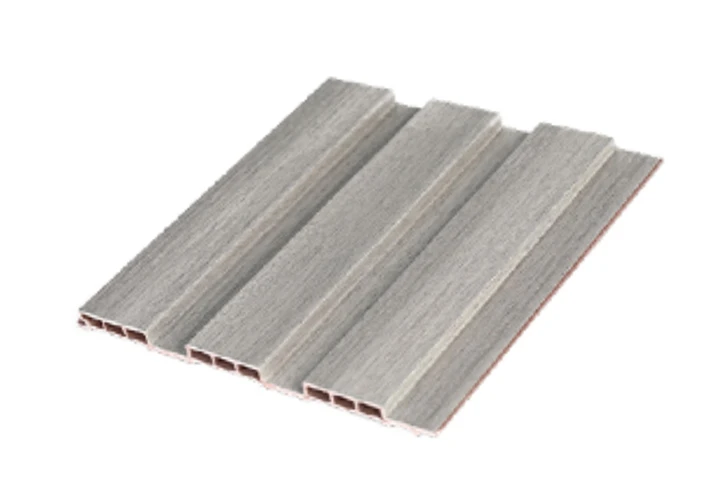
Wide fluted wall panels are decorative wall covering products featuring broad grooves, channels, or raised sections arranged in a repeated pattern. These profiles create a three-dimensional surface that adds depth and texture to otherwise flat walls.
The term "wide fluted" generally describes the width and spacing of the individual decorative profiles rather than a single standardized dimension. Different manufacturers may offer different groove widths, panel thicknesses, surface textures, and overall dimensions.
For buyers, it is important to understand the structural characteristics of wide fluted wall panels before selecting products for a project.
1.1 Wide Groove Profiles and Balanced Visual Proportions
The most recognizable feature of wide fluted wall panels is their broad decorative profile.
Compared with narrow fluted wall panels, wide profiles create fewer but more prominent vertical lines across the same wall area. This produces a cleaner and more spacious visual effect.
The wider spacing between grooves can make a wall appear less crowded, especially when installed across large surfaces.
Deep-groove fluted panels: Create stronger shadow lines and more noticeable three-dimensional effects.
Rounded wide fluted panels: Use curved profiles to create a softer and more organic appearance.
Semi-circle fluted panels: Feature semicircular or half-round decorative profiles for a distinctive architectural style.
Asymmetrical fluted panels: Combine different profile widths to create more contemporary decorative patterns.
These different profiles allow architects and designers to select wall materials according to the overall design language of a building.
1.2 Three-Dimensional Surface Structure
Unlike flat decorative wall sheets, wide fluted wall panels introduce physical depth to the wall surface.
The raised sections reflect light differently from the recessed grooves. Depending on the direction and intensity of lighting, these surfaces create changing shadow patterns throughout the day.
This three-dimensional effect is particularly useful in spaces where designers want to create a focal point without relying on complicated decorative elements.
For example, a wide fluted wall behind a hotel reception desk can create a sophisticated architectural background. In an office reception area, it can help establish a professional atmosphere while reinforcing the company's interior design identity.
1.3 Repeated Patterns for Large-Scale Wall Coverage
Wide fluted wall panels are generally designed with connecting edges or consistent profile dimensions, allowing multiple panels to form a continuous decorative surface.
For project contractors, dimensional consistency is important because it helps maintain the alignment of grooves across adjacent panels.
Before placing a bulk order, buyers should confirm:
Panel width and length.
Groove width and depth.
Overall panel thickness.
Edge connection structure.
Installation direction.
Color and surface finish.
Dimensional tolerance.
A consistent profile design helps reduce visual interruptions when covering large walls.
1.4 Wide Fluted Panels vs. Narrow Fluted Panels
Both wide and narrow fluted wall panels can create attractive linear wall designs, but they serve different visual purposes.
Comparison
Wide Fluted Wall Panels
Narrow Fluted Wall Panels
Groove spacing
Wider
Closer
Visual appearance
Bold and architectural
Fine and detailed
Surface rhythm
Relaxed and spacious
Dense and decorative
Design impact
Strong visual presence
Subtle linear texture
Typical applications
Feature walls, hotel lobbies, offices
Bedrooms, small accent walls, decorative details
Lighting effect
Broad shadow patterns
Fine linear shadows
Wide fluted panels are often preferred for large commercial walls because their broader profiles can create a more balanced appearance across extensive surfaces.
However, the final selection should depend on ceiling height, wall dimensions, lighting conditions, and the desired interior style.
The Distinctive Design Features of Wide Fluted Wall Panels
The popularity of wide fluted wall panel designs comes from their ability to combine simplicity, texture, and architectural character.
They provide a decorative solution that can work with contemporary, minimalist, luxury, and commercial interior concepts.
2.1 A Stronger Architectural Appearance
One of the main characteristics of wide fluted wall panels is their ability to make a wall look more structured.
Flat walls often require additional decorative elements to create visual interest. Wide fluted panels introduce depth through their own profile geometry.
Their larger grooves and raised surfaces produce a distinctive architectural pattern without requiring complicated wall construction.
This makes them particularly suitable for:
Hotel reception backgrounds.
Office feature walls.
Commercial showroom interiors.
Retail display areas.
Apartment lobby walls.
Restaurant decorative walls.
For architects and interior designers, wide fluted panels provide a practical way to introduce architectural detailing while maintaining a relatively simple overall design.
This can make large walls appear more organized and less visually crowded.
When used in light colors, such as warm white, beige, light oak, or natural wood tones, wide fluted panels can contribute to a calm and spacious interior atmosphere.
Darker colors, including walnut, charcoal, and deep brown, create a stronger contrast and a more dramatic appearance.
For commercial developments, this flexibility makes wide fluted wall panels suitable for different brand identities and interior design concepts.
2.3 Natural Wood-Like Texture and Contemporary Finishes
Modern wide fluted wall panels are available in various decorative finishes.
Wood-grain surfaces remain popular because they combine the warmth of natural timber aesthetics with the practicality of manufactured decorative materials.
Common finishes include:
Natural oak.
Light walnut.
Dark walnut.
Teak-inspired wood grain.
Grey wood.
Matte solid colors.
Contemporary stone-inspired finishes.
Textured decorative surfaces.
For buyers targeting hospitality, office, and residential markets, color selection can be just as important as the panel profile.
A light oak wide fluted wall panel may suit Scandinavian-inspired interiors, while dark walnut profiles can complement luxury hotels and executive office spaces.
2.4 Stronger Shadow Lines and Lighting Interaction
Lighting is an important element in fluted wall design.
Because wide fluted panels contain raised and recessed surfaces, directional lighting can emphasize their three-dimensional structure.
Wall washers, concealed LED strips, ceiling spotlights, and linear lighting can all be used to highlight the grooves.
For example:
Warm lighting can emphasize wood-grain textures.
Side lighting can strengthen the shadow effect.
Indirect lighting can create a softer architectural appearance.
Focused spotlights can highlight individual feature wall sections.
Designers should evaluate lighting direction before finalizing the panel profile. The same panel can produce noticeably different visual effects under different lighting conditions.
2.5 Design Flexibility Across Interior Styles
Wide fluted wall panels are not limited to one decorative style.
Their appearance can be adapted through different profile shapes, colors, textures, and installation combinations.
For minimalist interiors, designers can choose simple profiles in neutral colors.
For luxury hospitality projects, deeper grooves and darker wood finishes can create a more distinctive background.
For contemporary commercial spaces, wide fluted panels can be combined with metal trims, stone surfaces, glass, or decorative lighting.
This versatility makes them suitable for projects where consistency and design flexibility are both important.
Material Options: WPC, MDF, PVC, and Other Wide Fluted Wall Panel Solutions
The material used in wide fluted wall panels directly influences their weight, appearance, durability, moisture resistance, maintenance requirements, and installation method.
For international importers and project contractors, understanding these differences is essential when selecting products for specific markets.
3.1 WPC Wide Fluted Wall Panels
WPC stands for Wood Plastic Composite. WPC wall panels are manufactured using a combination of wood-based materials and polymer components.
They are widely used in decorative interior wall applications because they can combine wood-inspired appearance with the practical characteristics of composite materials.
Key advantages of WPC wide fluted wall panels may include:
Moisture resistance, depending on formulation and construction.
Reduced dependence on natural timber.
Consistent decorative profiles.
Multiple wood-grain and solid-color finishes.
Relatively easy routine maintenance.
Suitability for many interior decorative applications.
WPC wide fluted wall panels are particularly attractive to commercial buyers looking for decorative materials that can be supplied in consistent batches.
However, WPC products are not automatically suitable for every wet-area or exterior application. Buyers should confirm the specific product's water absorption, dimensional stability, fire performance, and recommended installation environment.
3.2 MDF Wide Fluted Wall Panels
MDF, or Medium Density Fiberboard, is another common material used for decorative fluted wall panels.
MDF panels are manufactured from wood fibers bonded together under heat and pressure.
They are often selected for their smooth surface, machining flexibility, and compatibility with different decorative finishes.
Advantages include:
Smooth and uniform surface.
Good profile-processing flexibility.
Compatibility with veneer, paint, and decorative films.
Suitable for detailed interior design applications.
Available in various decorative styles.
MDF wide fluted wall panels are commonly used in dry interior environments, including bedrooms, offices, reception areas, and decorative partitions.
Standard MDF should not be assumed to be waterproof. For humid environments, buyers should investigate moisture-resistant grades and confirm their actual performance requirements.
3.3 PVC Wide Fluted Wall Panels
PVC wall panels are manufactured using polyvinyl chloride resin and relevant additives.
They are often selected for projects requiring lightweight decorative materials and practical maintenance.
Potential advantages include:
Lightweight construction.
Moisture-resistant properties.
Easy cleaning.
Multiple decorative surface finishes.
Flexible profile and color options.
PVC wide fluted panels can be considered for selected commercial interiors, residential decorative walls, and other applications where their technical specifications meet the project requirements.
Buyers should pay attention to material formulation, surface coating, fire classification, and long-term dimensional stability.
3.4 Comparing Different Wide Fluted Wall Panel Materials
The following table provides a general purchasing reference.
Material
Main Characteristics
Typical Applications
Purchasing Considerations
WPC
Composite construction, wood-like appearance
Feature walls, hotels, offices
Formulation, density, stability
MDF
Smooth surface, easy processing
Bedrooms, offices, dry interiors
Moisture resistance, finish quality
PVC
Lightweight, moisture-resistant
Selected commercial and residential interiors
Material formulation, fire performance
Natural wood
Authentic timber appearance
Premium decorative interiors
Cost, maintenance, humidity control
There is no universally best material for every project.
A hotel renovation project may prioritize decorative consistency and maintenance requirements, while a residential development may focus more on appearance and cost.
At AesthEdge, we recommend evaluating the intended application, technical specifications, and total installation cost before selecting a wide fluted wall panel product.
Where Can Wide Fluted Wall Panels Be Used? Commercial and Residential Applications
Wide fluted wall panels are versatile decorative materials that can be incorporated into various interior environments.
Their combination of broad profiles, three-dimensional texture, and different surface finishes makes them suitable for both large-scale commercial developments and smaller interior renovation projects.
4.1 Hotel Lobbies and Reception Areas
Hotel lobbies are among the most important spaces for creating a strong first impression.
Wide fluted wall panels can be used behind reception counters, around entrance areas, and on decorative feature walls.
Their vertical profiles create a sense of height and architectural rhythm.
For upscale hotel interiors, dark walnut or warm wood-grain finishes can be combined with stone, metal, and decorative lighting.
For modern business hotels, lighter finishes can create a more relaxed and welcoming appearance.
For hotel project contractors, important purchasing factors include:
Consistent color across different production batches.
Stable panel dimensions.
Surface wear resistance.
Easy installation.
Compliance with project fire and building requirements.
4.2 Office Reception and Meeting Rooms
Corporate interiors increasingly use decorative materials to create professional and recognizable environments.
Wide fluted wall panels can be installed behind reception desks, along meeting room walls, and in executive office areas.
They can also be combined with company logos, glass partitions, and concealed lighting.
Compared with plain painted walls, fluted designs add texture without introducing excessive decorative complexity.
For office construction projects, a consistent wall panel design can help create a unified appearance across multiple floors or office locations.
4.3 Retail Stores and Commercial Showrooms
Retail environments require decorative materials that support product presentation and brand positioning.
Wide fluted wall panels can be used as backgrounds for display shelves, product walls, cashier counters, and promotional areas.
Their broad profiles create a structured visual background that does not necessarily compete with displayed products.
Different colors can also be used to divide retail sections or distinguish product categories.
For building material showrooms, wide fluted panels are particularly useful because they allow customers to experience the actual depth, texture, and color of different decorative profiles.
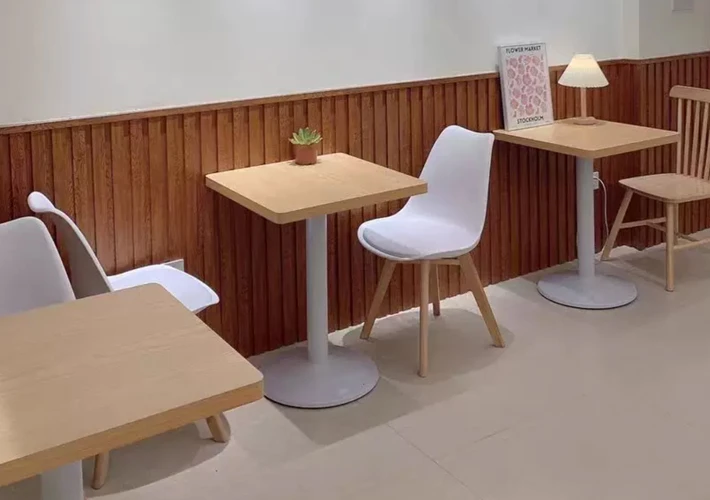
4.4 Restaurants, Cafes, and Hospitality Spaces
Restaurants and cafes often use decorative wall materials to establish a distinctive atmosphere.
Wide fluted panels can complement wooden furniture, stone countertops, metal fixtures, and warm lighting.
In modern restaurants, neutral-colored fluted panels can create a clean and comfortable environment.
In premium dining spaces, darker finishes can help establish a more sophisticated atmosphere.
However, restaurant buyers should consider cleaning requirements, fire regulations, and the suitability of the selected panel material for the intended installation location.
4.5 Residential Living Rooms and Feature Walls
Wide fluted wall panels are also popular in residential interior projects.
They can be installed behind television units, along sofa walls, around entrance areas, and in selected bedroom applications.
A wide fluted TV feature wall can create visual depth while maintaining a relatively simple design.
Designers may combine fluted panels with:
Marble-look decorative sheets.
Stone-inspired wall materials.
Metal decorative trims.
Integrated cabinetry.
LED lighting.
Wood-grain decorative surfaces.
This combination allows homeowners and interior contractors to create coordinated wall designs using multiple decorative materials.
4.6 Apartment Corridors and Public Areas
Large residential developments often require consistent decorative materials across shared spaces.
Wide fluted wall panels can be used in apartment entrance halls, corridor feature walls, elevator lobbies, and selected common areas.
For developers and contractors, repeatable product dimensions and reliable supply are particularly important.
When purchasing for multiple buildings, buyers should confirm whether the manufacturer can maintain consistent colors, profile dimensions, and surface quality throughout the production schedule.
4.7 Educational and Institutional Buildings
Selected wide fluted wall panel systems can also be used in educational buildings, libraries, administrative spaces, and institutional interiors.
However, these projects may have strict requirements relating to fire performance, indoor air quality, durability, and maintenance.
The selected panel must meet the applicable local building standards.
Decorative appearance should never replace technical compliance when specifying materials for public buildings.
Installation Methods, Design Combinations, and Maintenance Considerations
The appearance and long-term performance of wide fluted wall panels depend not only on the product itself but also on the installation method and supporting wall structure.
For international contractors and distributors, understanding installation requirements can help reduce project risks and improve customer satisfaction.
5.1 Common Installation Methods
Different panel materials and product structures may require different installation systems.
Common approaches include:
Adhesive installation
Construction adhesive may be used for suitable lightweight decorative panels installed on stable, clean, and properly prepared substrates.
The adhesive must be compatible with the panel material and the wall surface.
Mechanical fixing
Screws or other mechanical fasteners may be used for panel systems designed with suitable fixing structures.
This approach can provide additional mechanical support, depending on the substrate and installation design.
Subframe installation
Some projects use metal or wooden battens to create a supporting framework.
This can help accommodate wall irregularities and provide space for certain concealed services.
The correct installation system should always follow the manufacturer's instructions and project engineering requirements.
5.2 Preparing the Wall Surface
Before installation, contractors should inspect the wall condition.
Important preparation steps include:
Check whether the wall surface is stable and structurally suitable.
Remove dust, loose materials, and contaminants.
Confirm that the wall is sufficiently dry for the selected installation system.
Measure the wall dimensions accurately.
Establish vertical and horizontal reference lines.
Calculate the required panel quantity, including reasonable cutting allowances.
Proper preparation is essential for maintaining alignment across wide fluted profiles.
5.3 Maintaining Consistent Groove Alignment
One of the most important installation details is maintaining consistent alignment between adjacent panels.
If the grooves do not connect correctly, the finished wall may appear uneven or visually interrupted.
Professional installers should check the panel dimensions, edge structure, and connection method before starting large-scale installation.
For projects involving multiple walls, it is also advisable to prepare an installation layout in advance.
5.4 Combining Wide Fluted Panels with Other Decorative Materials
Wide fluted wall panels can be combined with other interior materials to create more distinctive architectural effects.
Popular combinations include:
Wide fluted panels and PVC marble sheets
Marble-look surfaces provide a smooth decorative contrast to the three-dimensional fluted profile.
This combination works well in hotel reception areas, living rooms, and commercial feature walls.
Wide fluted panels and bamboo charcoal wood veneer
Wood veneer-style surfaces can complement the vertical rhythm of fluted panels.
Using coordinated colors helps create a continuous and sophisticated decorative appearance.
Wide fluted panels and integrated cabinetry
In modern interiors, fluted wall panels can be extended around storage cabinets and decorative wall systems.
This creates a more integrated visual effect.
Wide fluted panels and LED lighting
Concealed LED strips can emphasize the grooves and create different lighting atmospheres.
However, designers should ensure that electrical components remain accessible for maintenance.
5.5 Routine Cleaning and Maintenance
The maintenance requirements of wide fluted wall panels depend on their material and surface finish.
For most interior decorative applications, routine cleaning may involve:
Removing loose dust with a soft cloth.
Using a slightly damp cloth for suitable washable surfaces.
Avoiding abrasive cleaning tools.
Avoiding strong chemicals unless approved by the manufacturer.
Cleaning grooves carefully to prevent dust accumulation.
For commercial installations, buyers should request the manufacturer's recommended cleaning instructions before specifying products.
How to Choose the Right Wide Fluted Wall Panels for Commercial Projects
Selecting wide fluted wall panels for a commercial project requires more than choosing an attractive profile.
Importers, distributors, contractors, and architects should evaluate product specifications, application requirements, manufacturing consistency, and total purchasing costs.
6.1 Confirm the Panel Dimensions and Profile Design
The first step is to confirm the required dimensions.
Important parameters include:
Overall panel width.
Panel length.
Panel thickness.
Groove width.
Groove depth.
Raised profile dimensions.
Edge connection design.
Wide fluted wall panels are not manufactured to one universal specification.
For large commercial projects, the profile should be evaluated using actual samples or technical drawings.
This helps prevent mismatches between the design drawings and the delivered products.
6.2 Evaluate Surface Quality and Color Consistency
Surface quality has a direct influence on the finished appearance.
When evaluating samples, buyers should inspect:
Color uniformity.
Decorative texture.
Surface scratches.
Edge finishing.
Profile accuracy.
Coating or film adhesion.
Visible production defects.
For large orders, buyers should request confirmation of the approved reference sample and the manufacturer's batch quality-control process.
This is particularly important when products are supplied for multi-building developments or international distribution.
6.3 Check Technical Specifications and Compliance
Different markets and project types may have different requirements.
Before purchasing, buyers should request relevant technical documents, including:
Material composition.
Product dimensions and tolerances.
Physical performance data.
Moisture resistance information.
Fire performance reports, where required.
Indoor air quality or emissions documentation, where applicable.
Installation instructions.
Maintenance recommendations.
Do not assume that all WPC, MDF, or PVC wall panels share the same performance characteristics.
Technical claims should be supported by product-specific documentation.
6.4 Consider Total Project Cost Instead of Unit Price Alone
For wholesale and project purchasing, the lowest factory price does not always represent the lowest total cost.
Buyers should consider:
Product purchase price.
Packaging costs.
Shipping and freight.
Import duties and taxes.
Installation accessories.
Labor costs.
Cutting waste.
Maintenance requirements.
Potential replacement costs.
A panel with a slightly higher purchase price may provide better overall value if its installation process is more efficient or its surface quality is more consistent.
6.5 Confirm Packaging and International Shipping Requirements
Wide fluted wall panels may be vulnerable to surface scratches, edge damage, and deformation if they are not packaged properly.
For international shipments, buyers should discuss packaging details with the manufacturer.
Important points include:
Protective film or surface protection.
Corner and edge protection.
Carton or protective packaging structure.
Pallet requirements.
Moisture protection.
Container loading arrangements.
Product identification labels.
For container orders, confirming the loading plan before production can help optimize shipping efficiency.
6.6 Work with a Manufacturer That Understands B2B Requirements
A reliable factory supplier should be able to provide more than product quotations.
For importers and project contractors, useful supplier capabilities include:
Stable production capacity.
Product customization.
Sample preparation.
Technical documentation.
Quality inspection.
Export packaging.
Order communication.
Container loading coordination.
AesthEdge works with international B2B customers seeking decorative interior materials from China.
Our product range includes WPC wall panels, decorative wall materials, and related interior finishing solutions.
For buyers developing a new product range or planning a commercial project, direct communication with the factory can make it easier to discuss profile options, colors, specifications, and order requirements.
Why Source Wide Fluted Wall Panels from AesthEdge in China?
For international importers, wholesalers, building material distributors, and project contractors, choosing the right manufacturing partner is an important part of a successful sourcing strategy.
China has a well-developed decorative building materials manufacturing industry, offering buyers access to a broad range of wall panel designs, production capabilities, and export-oriented supply services.
As a China-based decorative materials supplier, AesthEdge focuses on providing interior wall solutions for commercial and residential projects.
7.1 A Diversified Decorative Wall Material Portfolio
AesthEdge supplies different types of decorative interior materials, allowing buyers to explore coordinated product combinations from one supplier.
Our product categories include:
WPC wall panels.
Decorative fluted wall panels.
Semi-circle and Great Wall-style WPC panels.
PVC marble sheets.
Bamboo charcoal wood veneer.
Acoustic wall panels.
Other decorative interior wall materials.
This product diversity can be useful for importers and distributors who want to develop a more complete decorative materials portfolio.
7.2 Product Options for Different Commercial Applications
Different commercial projects require different decorative styles.
A hotel may require wood-grain finishes and coordinated feature wall materials.
An office project may prioritize neutral colors and clean architectural profiles.
A retail development may require distinctive textures and customized decorative combinations.
AesthEdge can discuss suitable product options according to the buyer's intended market, project design, and purchasing requirements.
7.3 Customization for Wholesale and Project Orders
Customization is an important consideration for B2B buyers.
Depending on the selected product and production capabilities, buyers can discuss:
Profile designs.
Product dimensions.
Surface colors.
Decorative textures.
Packaging requirements.
Project-specific product combinations.
For customized orders, buyers should provide drawings, reference images, or physical samples whenever possible.
This helps the factory understand the required appearance and technical specifications before production.
7.4 Factory Communication and Export Supply Support
International buyers often need clear communication throughout the sourcing process.
AesthEdge supports B2B purchasing discussions covering product selection, specifications, samples, quotations, and export order arrangements.
Before confirming a large order, buyers are encouraged to review physical samples and verify the technical documentation relevant to their target market.
7.5 Developing a Competitive Product Range for Your Market
Wide fluted wall panels are one category within the broader decorative wall materials market.
Importers and distributors can combine them with other complementary products to create a more comprehensive product offering.
For example:
Wide fluted WPC panels for architectural feature walls.
PVC marble sheets for decorative stone-look surfaces.
Bamboo charcoal wood veneer for modern wall finishes.
Acoustic wall panels for selected sound-absorbing applications.
Other WPC decorative panels for coordinated interior projects.
By developing a coordinated product portfolio, distributors can serve different customer groups while improving product selection flexibility.
Frequently Asked Questions About Wide Fluted Wall Panels
Q1: What makes wide fluted wall panels different from standard fluted wall panels?
Wide fluted wall panels feature broader grooves and wider raised sections than narrow fluted designs. This creates a less crowded visual pattern and a stronger architectural appearance, making them suitable for large feature walls, hotel interiors, office reception areas, and commercial spaces.
Q2: Are wide fluted wall panels suitable for commercial projects?
Yes. They can be used in hotels, offices, restaurants, retail stores, showrooms, and other commercial interiors. However, buyers should select the appropriate material and verify its technical specifications, fire performance, and compliance with local building requirements.
Q3: Which material is best for wide fluted wall panels?
The best material depends on the project. WPC offers composite construction and wood-inspired decorative finishes. MDF provides a smooth surface and processing flexibility. PVC offers lightweight construction and moisture-resistant characteristics. Buyers should evaluate the actual product specifications rather than selecting materials based on general descriptions alone.
Q4: Can wide fluted wall panels be customized?
Many manufacturers offer customization options depending on their production capabilities. These may include panel dimensions, groove profiles, colors, surface finishes, and packaging. Buyers should provide technical drawings or reference samples to confirm customization feasibility.
Q5: Are WPC wide fluted wall panels waterproof?
WPC panels generally offer moisture-resistant characteristics, but this does not mean every WPC product is completely waterproof or suitable for permanent water exposure. Buyers should request product-specific water absorption and dimensional stability data and follow the manufacturer's installation recommendations.
Q6: Can wide fluted wall panels be installed in bathrooms?
Some moisture-resistant products may be suitable for selected bathroom wall applications, but suitability depends on the specific panel construction, waterproofing system, installation method, and exposure conditions. Standard decorative wall panels should not automatically be treated as waterproof bathroom systems.
Q7: How do you clean wide fluted wall panels?
Most suitable interior panels can be maintained by removing dust with a soft cloth and cleaning the surface using a compatible damp cloth. Avoid abrasive tools and aggressive cleaning chemicals unless approved by the manufacturer.
Q8: Are wide fluted wall panels suitable for large feature walls?
Yes. Their broad profiles and repeated decorative patterns make them particularly suitable for large feature walls. Proper dimensional control, installation alignment, and color consistency are essential for achieving a continuous visual effect.
Q9: What should importers check before buying wide fluted wall panels from China?
Importers should evaluate product dimensions, groove profiles, material composition, surface quality, color consistency, technical documentation, packaging, MOQ, production lead time, and export experience. Requesting physical samples before bulk purchasing is strongly recommended.
Q10: Why should wholesalers work directly with a wide fluted wall panel manufacturer?
Working directly with a manufacturer can help wholesalers communicate product specifications, discuss customization, obtain factory quotations, review samples, and coordinate bulk orders. It can also make product development and supply planning more efficient.
Wide fluted wall panels offer a distinctive decorative solution for modern interior design. Their broad profiles, three-dimensional structure, balanced visual rhythm, and flexible surface finishes make them suitable for a wide range of commercial and residential applications.
Compared with narrow fluted designs, wide profiles create a stronger architectural appearance and can work particularly well across large wall surfaces.
For project contractors, the main purchasing considerations include material performance, profile dimensions, installation requirements, surface quality, and compliance with local building standards.
For importers and wholesalers, selecting a reliable factory supplier is equally important. Consistent production quality, customization options, export packaging, and clear communication all contribute to a more efficient sourcing process.
As a China-based decorative interior materials supplier, AesthEdge provides a range of WPC wall panels and complementary decorative wall materials for international B2B customers.
If you are sourcing wide fluted wall panels for distribution, hospitality developments, commercial interiors, or large-scale construction projects, contact AesthEdge to discuss product specifications, samples, and wholesale purchasing opportunities.





 Spanish
 English
 French
 Russian
 Arabic
 Portuguese
 Japanese