What Is a Glass Block Used For?

Published on: 18 May, 2026
Índice

Glass block, also known as glass brick, is a decorative and functional building material widely used in modern architecture and interior design. Combining the transparency of glass with the durability of masonry materials, glass blocks provide natural light transmission, privacy, sound insulation, and aesthetic appeal. Over the past decade, glass blocks have become increasingly popular in residential homes, hotels, commercial buildings, offices, spas, and retail spaces.

From shower walls and bathroom partitions to exterior facades and office dividers, glass blocks offer architects and designers a versatile solution that balances functionality with style. As modern construction trends focus more on energy efficiency, daylight optimization, and visual openness, glass blocks continue to gain popularity around the world.

In this article, we will explore what glass blocks are used for, their advantages, common applications, installation considerations, market trends, and why they remain a preferred choice in contemporary building projects.

What Are Glass Blocks?

Glass blocks are hollow or solid architectural glass units manufactured by fusing two pieces of glass together at high temperatures. Unlike ordinary flat glass panels, glass blocks are thicker, stronger, and more durable. They are designed to allow light to pass through while maintaining varying levels of privacy and insulation.

Glass blocks are available in different:

  • Sizes
  • Colors
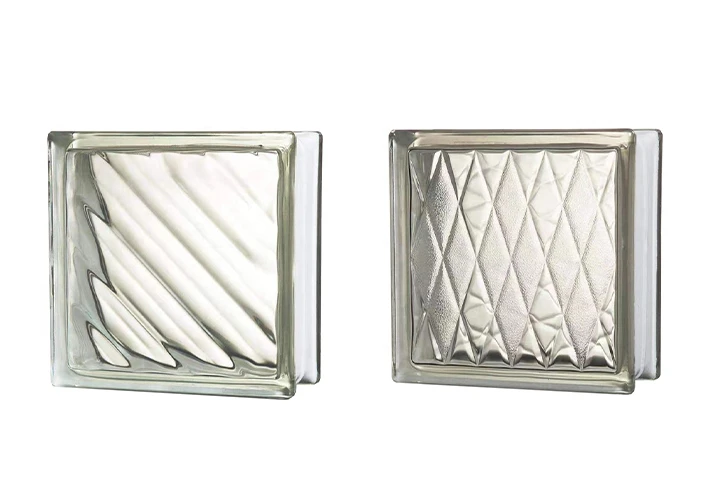
  • Patterns
  • Textures
  • Transparency levels
  • Finishes

Modern manufacturing technologies have also introduced energy-efficient, impact-resistant, and fire-rated glass block products suitable for commercial and industrial applications.

The most common dimensions include:

Standard SizeEspesor
190×190mm80mm
240×240mm80mm
300×300mm100mm
Rectangular Types80–100mm

Glass blocks can be installed using mortar systems, silicone systems, or modular framing systems depending on the project requirements.

Main Uses of Glass Blocks in Modern Construction

Glass blocks are widely used because they combine decorative beauty with practical performance. Below are the most common applications in modern architecture.

Bathroom Walls and Shower Enclosures

One of the most popular uses of glass blocks is in bathrooms. They are frequently used for:

  • Shower partitions
  • Bathroom windows
  • Spa walls
  • Bathtub surrounds
  • Privacy dividers

Glass blocks allow natural light to enter the bathroom while maintaining privacy. Frosted or patterned glass blocks are especially popular for luxury hotel bathrooms and modern residential projects.

Compared with traditional shower curtains or standard glass panels, glass blocks offer:

  • Better durability
  • Water resistance
  • Mold resistance
  • Long-term structural stability

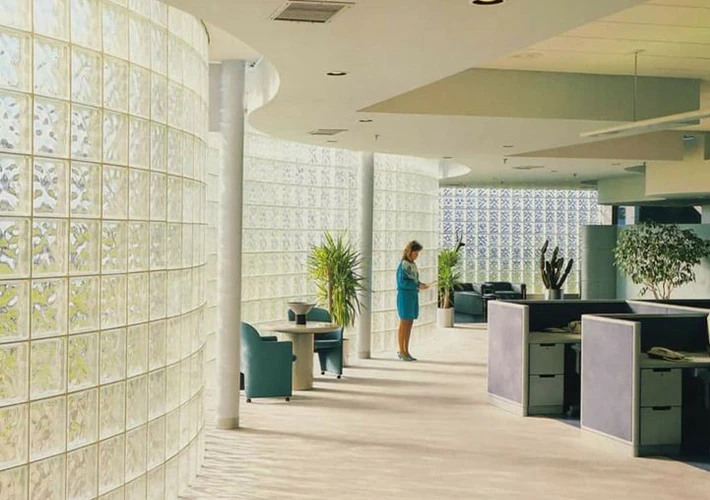
Curved glass block walls are also becoming a modern design trend in upscale hotels and villas.

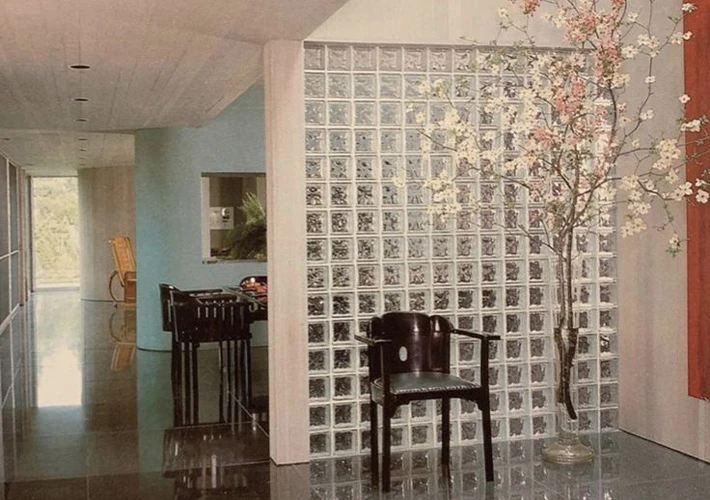
Interior Partition Walls

Glass blocks are commonly used as interior partition walls in:

  • Offices
  • Hotels
  • Restaurants
  • Retail stores
  • Apartments
  • Studios

Unlike solid walls, glass block partitions create separation without making the space feel closed or dark. This helps maximize daylight penetration and creates a more open atmosphere.

In office environments, glass block partitions can improve:

  • Privacy
  • Acoustic insulation
  • Aesthetic appeal
  • Workspace brightness

Many designers use colored or textured glass blocks to create feature walls and decorative focal points.

Exterior Facades

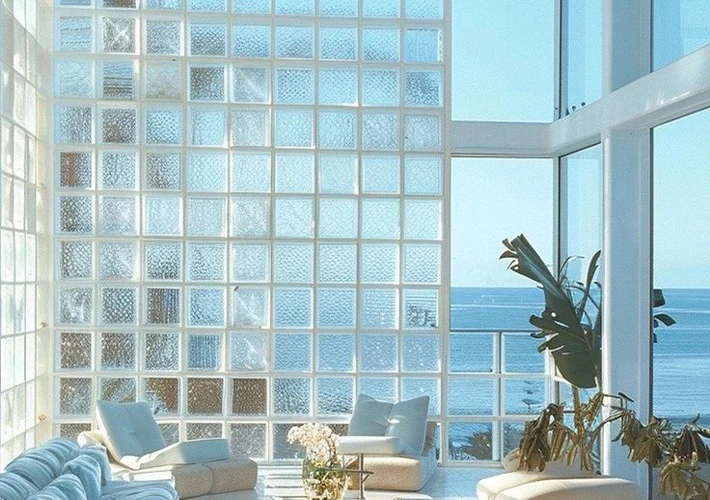
Modern commercial buildings increasingly use glass blocks for exterior walls and facades. Glass blocks help buildings achieve:

  • Modern architectural appearance
  • Enhanced daylighting
  • Energy efficiency
  • Improved thermal insulation

Exterior glass block walls are popular in:

  • Shopping malls
  • Airports
  • Schools
  • Hotels
  • Museums
  • Public buildings

Because glass blocks diffuse sunlight rather than allowing direct glare, they can help reduce cooling loads in hot climates.

High-performance glass blocks may also include:

  • Low-E coatings
  • Thermal insulation chambers
  • UV resistance
  • Impact resistance

Windows and Skylights

Glass blocks are frequently used as alternatives to traditional windows. Unlike clear glass windows, glass blocks provide privacy while still transmitting sunlight.

Applications include:

  • Basement windows
  • Staircase windows
  • Garage windows
  • Hallway windows
  • Industrial windows

Benefits include:

  • Increased security
  • Better insulation
  • Resistance to break-ins
  • Reduced maintenance

Glass block skylights are also used in luxury architectural projects to create dramatic lighting effects.

Decorative Feature Walls

Decorative walls are another important application of glass blocks. Designers use them to create unique interior aesthetics in:

  • Hotel lobbies
  • Bars
  • Restaurants
  • Luxury villas
  • Showrooms
  • Shopping centers

Colored glass blocks can create artistic visual effects under LED lighting. Popular colors include:

  • Blue
  • Green
  • Amber
  • Gray
  • Black
  • Crystal clear

Wave-pattern and frosted designs are particularly popular in modern minimalist interiors.

Commercial and Hospitality Applications

Hotels and commercial buildings are major consumers of glass block materials because of their combination of beauty and practicality.

In hospitality projects, glass blocks are used for:

  • Lobby partitions
  • Fachadas decorativas
  • Spa walls
  • Poolside dividers
  • Luxury bathroom designs
  • Restaurant decoration

Advantages for hotel projects include:

  • Premium visual appearance
  • Long service life
  • Easy cleaning
  • Moisture resistance
  • Better lighting atmosphere

Many architects combine glass blocks with materials like metal panels, wood veneers, marble sheets, and SPC wall panels to create high-end interior designs.

Advantages of Using Glass Blocks

The popularity of glass blocks comes from their numerous functional and decorative advantages.

Natural Light Transmission

Glass blocks allow sunlight to pass through while diffusing harsh glare. This improves indoor brightness and reduces reliance on artificial lighting.

Benefits include:

  • Lower electricity consumption
  • Enhanced indoor comfort
  • Better visual openness
  • Improved energy efficiency

This makes glass blocks ideal for modern green building projects.

Protección de la intimidad

Unlike transparent glass panels, patterned glass blocks distort direct visibility while still transmitting light.

This balance between openness and privacy makes them ideal for:

  • Baños
  • Offices
  • Medical facilities
  • Hotels
  • Residential homes

Frosted and textured finishes further enhance privacy performance.

Excellent Durability

Glass blocks are much stronger than standard glass sheets. They are resistant to:

  • Cracking
  • Moisture
  • Corrosion
  • UV exposure
  • Mold
  • Weather conditions

High-quality glass blocks can last for decades with minimal maintenance.

Sound Insulation

The hollow structure of glass blocks helps reduce noise transmission. This is especially valuable in:

  • Hotels
  • Apartments
  • Offices
  • Conference rooms
  • Healthcare facilities

Some acoustic glass blocks offer significantly improved sound insulation performance compared with ordinary windows.

Thermal Insulation

Modern glass block technology includes insulated designs that improve energy efficiency.

Benefits include:

  • Reduced heat transfer
  • Improved indoor temperature stability
  • Lower HVAC energy costs

This is especially important in regions with extreme climates.

Resistencia al fuego

Certain glass blocks are designed to meet fire-resistance standards and are commonly used in commercial and public buildings.

Fire-rated glass blocks can help:

  • Slow fire spread
  • Maintain structural integrity
  • Improve building safety compliance

Types of Glass Blocks Available on the Market

Different types of glass blocks are available for various architectural needs.

Clear Glass Blocks

Clear glass blocks maximize light transmission and create a modern, clean appearance.

Best used for:

  • Contemporary interiors
  • Commercial facades
  • Decorative walls

Frosted Glass Blocks

Frosted blocks improve privacy while maintaining soft natural light.

Popular applications include:

  • Baños
  • Clinics
  • Mamparas de oficina

Patterned Glass Blocks

Patterned surfaces create decorative effects and further distort visibility.

Common patterns include:

  • Onda
  • Diamond
  • Grid
  • Bubble
  • Ice texture

Colored Glass Blocks

Colored blocks are mainly used for artistic and decorative purposes.

Common colors:

  • Blue
  • Green
  • Bronze
  • Gray
  • Black

These are frequently used in hospitality and retail design.

Solid Glass Blocks

Solid glass blocks are heavier and stronger than hollow blocks. They are commonly used for:

  • Suelos
  • Structural features
  • Luxury architectural projects

Glass Block Installation Methods

Proper installation is essential for long-term durability and safety.

Traditional Mortar Installation

This method uses mortar between glass blocks similar to brick construction.

Ventajas:

  • Strong structural stability
  • Suitable for large walls
  • Rentable

However, installation requires skilled labor.

Silicone Installation System

Silicone systems provide cleaner aesthetics and faster installation.

Benefits include:

  • Modern appearance
  • Flexible movement
  • Reduced cracking risk

This method is increasingly popular in modern interior projects.

Modular Framing Systems

Pre-engineered framing systems simplify installation and improve precision.

These systems are commonly used in:

  • Commercial buildings
  • Prefabricated construction
  • Hotel projects

Market Trends of Glass Blocks

The global glass block market continues to grow due to several architectural trends.

Rising Demand for Natural Lighting

Modern buildings increasingly prioritize daylight optimization to improve sustainability and occupant comfort.

Glass blocks help architects achieve:

  • LEED certification goals
  • Energy savings
  • Healthier indoor environments

Growth of Modern Interior Design

Minimalist and contemporary interiors favor materials that create openness and texture.

Glass blocks align perfectly with modern trends such as:

  • Open-concept spaces
  • Luxury bathrooms
  • Decorative lighting walls
  • Industrial-modern aesthetics

Increasing Hospitality Construction

Hotels, resorts, and commercial spaces are investing heavily in premium interior materials that balance durability and design.

Glass blocks are increasingly used in:

  • Boutique hotels
  • Luxury resorts
  • Spa facilities
  • Premium restaurants

Technological Improvements

Manufacturers are developing advanced products with:

  • Better insulation
  • Resistencia al fuego
  • Acoustic performance
  • Anti-bacterial coatings
  • Smart glass integration

These innovations continue expanding glass block applications.

How to Choose the Right Glass Block

Selecting the correct glass block depends on several factors.

Consider the Application

Different projects require different performance features.

AplicaciónRecommended Type
BathroomFrosted/patterned
Office partitionAcoustic glass block
Exterior facadeInsulated glass block
Decorative wallColored glass block
Commercial buildingFire-rated glass block

Evaluate Light and Privacy Needs

Higher transparency improves brightness but reduces privacy.

Patterned or frosted designs offer better privacy while still allowing daylight transmission.

Check Structural Requirements

Large installations may require:

  • Reinforcement systems
  • Framing supports
  • Expansion joints

Professional engineering consultation is recommended for commercial projects.

Focus on Quality

High-quality glass blocks provide:

  • Better strength
  • More consistent appearance
  • Improved insulation
  • Longer service life

Reliable manufacturers also offer:

  • Stable production capacity
  • Customization options
  • International certifications
  • Export experience

Why Glass Blocks Remain Popular in Modern Architecture

Despite the emergence of many new decorative materials, glass blocks remain highly popular because they offer a unique balance between functionality and aesthetics.

Unlike ordinary walls, they bring light into spaces. Unlike standard glass, they provide privacy and structural strength. Their versatility allows them to fit into:

  • Luxury hotels
  • Residential homes
  • Commercial buildings
  • Public architecture
  • Interior decoration projects

As sustainability, natural lighting, and modern aesthetics continue shaping global construction trends, glass blocks are expected to remain an important architectural material for years to come.

Conclusión

Glass blocks are far more than decorative building materials. They are practical architectural solutions that provide natural lighting, privacy, sound insulation, durability, and visual appeal.

From bathroom walls and office partitions to hotel facades and commercial interiors, glass blocks offer versatile applications across many industries. Their ability to improve daylighting while maintaining privacy makes them especially valuable in modern sustainable design.

With advancements in manufacturing technology, today’s glass blocks offer improved thermal insulation, fire resistance, and acoustic performance. As architects and designers continue seeking innovative materials that combine beauty with functionality, glass blocks will continue playing an important role in modern construction and interior design.

For builders, developers, wholesalers, and architects, understanding the applications and benefits of glass blocks can help create more attractive, energy-efficient, and high-value spaces.

Llámanos

Envíenos un mensaje por whatsapp +86 189 5395 5575y le responderemos de inmediato.

    es_ESSpanish