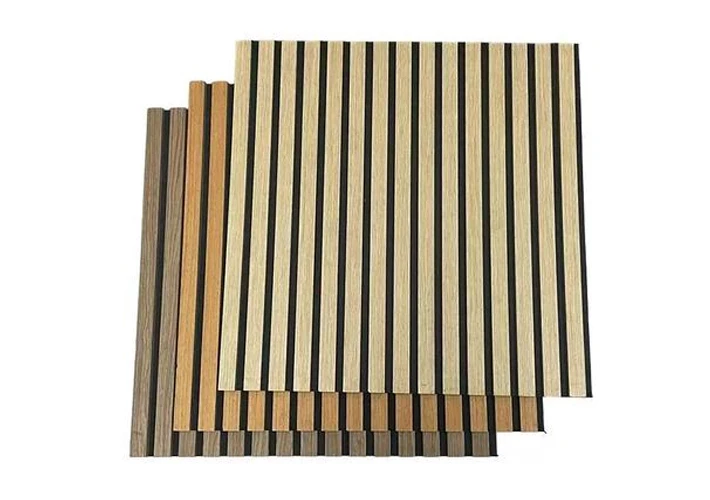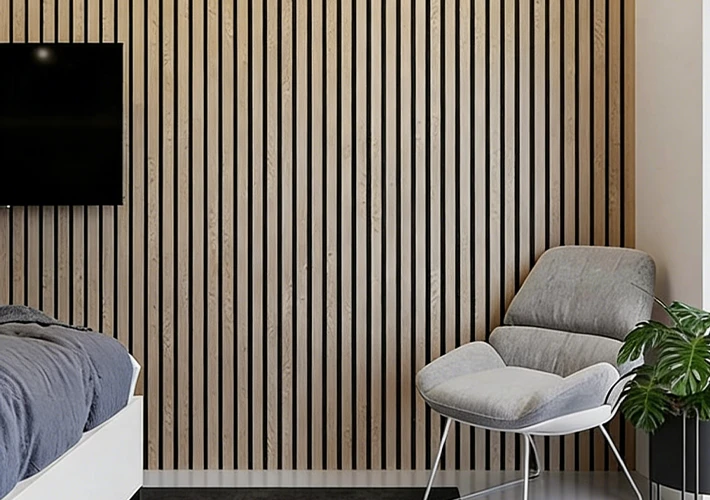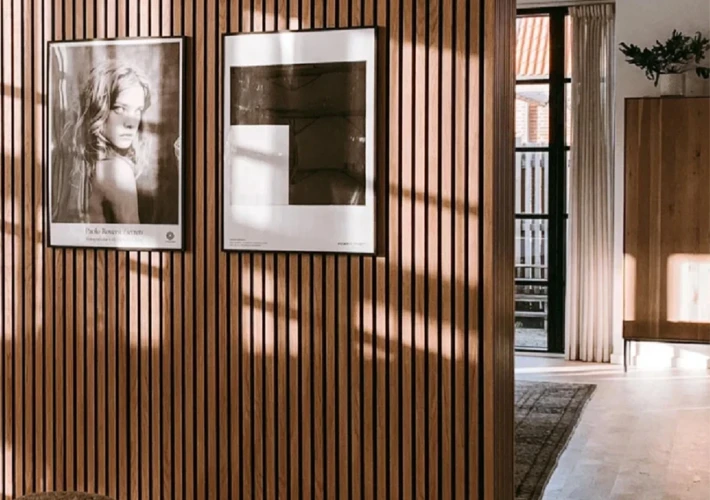
Tipos habituales de paneles acústicos

Publicado el: 23 Sep, 2024
Índice

En arquitectura moderna y diseño de interiores, acoustic performance is no longer optional—it is essential. Whether in offices, hotels, schools, or commercial buildings, controlling noise and improving sound clarity directly impacts user experience, productivity, and even brand perception.

As a leading acoustic panel manufacturer in China, Aesthedge, we work with global distributors, contractors, and developers to deliver high-performance acoustic solutions tailored to different markets.

This comprehensive guide explores the most common types of paneles acústicos de pared, their materials, applications, advantages, and how to choose the right solution for your project.

What Are Acoustic Wall Panels and Why Are They Important?

Acoustic wall panels are specially designed materials used to absorb, diffuse, or control sound waves within a space. Unlike standard decorative panels, they are engineered to reduce:

  • Echo (reverberation)
  • Background noise
  • Sound reflections

Why Acoustic Panels Matter in Modern Projects

In global markets such as the USA, UK, and Southeast Asia, acoustic panels are widely used because:

  • Open-plan offices require noise control
  • Hotels demand sound insulation for guest comfort
  • Commercial spaces need better speech clarity
  • Educational institutions require improved learning environments

How to Choose the Right Acoustic Wall Panels for Your Project

Selecting the right acoustic panel is not just about aesthetics—it requires a technical and application-based approach.

1. Identify the Application Scenario

  • Offices → Focus on speech clarity
  • Hotels → Balance aesthetics + sound insulation
  • Studios → High sound absorption
  • Restaurants → Reduce noise levels

2. Understand Frequency Requirements

  • Low-frequency control → Mineral wool / perforated wood
  • Mid-frequency → Polyester / felt
  • High-frequency → Foam panels

3. Consider Environmental Conditions

  • High humidity → PVC acoustic panels
  • Fire safety required → Mineral wool panels
  • Outdoor / industrial → Metal panels

4. Budget vs Performance

  • Cost-effective → Foam panels
  • Mid-range → Polyester panels
  • High-end → Wood / fabric panels

👉 Decision Tip:
If your project requires both design aesthetics and acoustic performance, wood or fabric-wrapped panels are the best choice.

Common Types of Acoustic Wall Panels

Below are the most widely used acoustic panel types in global construction and interior projects.

Paneles acústicos envueltos en tela

Structure

These panels consist of a fiberglass or mineral wool core, wrapped in acoustically transparent fabric.

Absorción acústica

Excellent for mid to high frequencies, reducing echo and reverberation.

Key Advantages

  • Highly customizable (colors, prints, branding)
  • Strong acoustic performance
  • Fire-retardant options available

Typical Applications

  • Conference rooms
  • Theaters
  • Schools
  • Offices

Best For

👉 Ideal for commercial interiors requiring both acoustic control and visual design

Paneles acústicos de madera perforada

Structure

Made from MDF or plywood with precision perforations, backed with sound-absorbing material.

Absorción acústica

Effective for low-frequency and broadband absorption

Key Advantages

  • Premium natural wood appearance
  • Adjustable acoustic performance
  • Suitable for luxury projects

Typical Applications

  • Concert halls
  • High-end offices
  • Hotel lobbies

Best For

👉 Best for high-end architectural projects where aesthetics matter

Paneles acústicos de madera perforada

Structure

Made from MDF or plywood with precision perforations, backed with sound-absorbing material.

Absorción acústica

Effective for low-frequency and broadband absorption

Key Advantages

  • Premium natural wood appearance
  • Adjustable acoustic performance
  • Suitable for luxury projects

Typical Applications

  • Concert halls
  • High-end offices
  • Hotel lobbies

Best For

👉 Best for high-end architectural projects where aesthetics matter

Paneles de espuma acústica

Structure

Open-cell foam with shapes like wedges or pyramids.

Absorción acústica

Strong in mid to high frequencies

Key Advantages

  • Asequible
  • Easy installation
  • Ligero

Typical Applications

  • Recording studios
  • Podcast rooms
  • Home theaters

Best For

👉 Best for budget-friendly acoustic treatment in small spaces

Paneles acústicos de poliéster

Structure

Hecho de compressed polyester fibers, often recycled materials.

Absorción acústica

Wide frequency range depending on density.

Key Advantages

  • Eco-friendly
  • Ligero
  • Customizable shapes

Typical Applications

  • Offices
  • Schools
  • Espacios comerciales

Best For

👉 Ideal for sustainable projects and modern office environments

Paneles acústicos de PVC

Structure

PVC outer layer with internal sound-absorbing core.

Absorción acústica

Moderate performance in mid-range frequencies.

Key Advantages

  • Impermeable
  • Moisture-resistant
  • Easy to clean

Typical Applications

  • Baños
  • Cocinas
  • Hospitals

Best For

👉 Ideal for humid environments and hygiene-sensitive spaces

Paneles acústicos de lana mineral

Structure

Hecho de rockwool or stone wool fibers

Absorción acústica

Excellent across low, mid, and high frequencies

Key Advantages

  • Fire-resistant (Class A)
  • High-density absorption
  • Thermal insulation

Typical Applications

  • Auditoriums
  • Industrial spaces
  • Cinemas

Best For

👉 Best for projects requiring high fire safety and strong acoustic performance

Paneles acústicos metálicos

Structure

Perforated metal surface with acoustic backing.

Absorción acústica

Broad frequency control.

Key Advantages

  • Durable
  • Corrosion-resistant
  • Easy maintenance

Typical Applications

  • Airports
  • Factories
  • Parking structures

Best For

👉 Ideal for industrial and high-traffic environments

Paneles acústicos de lana de madera

Structure

Wood fibers bonded with cement.

Absorción acústica

Good diffusion and absorption.

Key Advantages

  • Eco-friendly
  • Durable
  • Moisture resistant

Typical Applications

  • Schools
  • Gyms
  • Public buildings

Best For

👉 Best for large public spaces needing durability

Comparison of Different Acoustic Panel Materials

TypeCosteFrequency RangeResistencia al fuegoBest Use
Fabric PanelsMediumMid-HighOptionalOffices, hotels
Wood PanelsAltaLow-MidModeradoLuxury interiors
Foam PanelsBajoMid-HighBajoStudios
PolyesterMediumWideModeradoOffices
Paneles de PVCMediumMidHigh (waterproof)Wet areas
Mineral WoolMedium-HighFull RangeExcelenteIndustrial
Metal PanelsAltaWideExcelenteEn el exterior

Acoustic Panel Applications in Global Markets

United States

  • Home theaters
  • Open offices
  • Podcast studios

United Kingdom

  • Hotel renovations
  • Office retrofits
  • Education buildings

Middle East

  • Luxury hotels
  • Commercial complexes

Southeast Asia (Singapore, Malaysia, Indonesia)

  • High humidity environments
  • Retail & F&B spaces
  • Office interiors

Why Choose Aesthedge as Your Acoustic Panel Supplier?

As a professional acoustic panel manufacturer in China, Aesthedge provides:

1. Factory Direct Supply

  • Competitive wholesale pricing
  • Stable production capacity

2. OEM & ODM Services

  • Custom sizes, colors, materials
  • Project-based solutions

3. Global Export Experience

  • Serving Europe, Middle East, Southeast Asia
  • Familiar with international standards

4. Product Range

  • WPC acoustic panels
  • Polyester panels
  • Decorative slat panels

👉 Whether you are a distributor, contractor, or project developer, Aesthedge delivers reliable and scalable acoustic solutions.

Frequently Asked Questions About Acoustic Wall Panels

What is the best acoustic panel material?

There is no single best material—it depends on your application.

  • Offices → Polyester or fabric panels
  • Hotels → Wood or fabric panels
  • Industrial → Mineral wool

Do acoustic panels work for low-frequency sound?

Yes, but you need high-density materials like mineral wool or perforated wood panels.

Are acoustic panels fireproof?

Some panels, such as mineral wool panels, offer excellent fire resistance (Class A).

How thick should acoustic panels be?

Typically:

  • 9–12mm → Decorative use
  • 20–50mm → Standard acoustic control
  • 50mm+ → Professional sound absorption

Can acoustic panels be used in humid environments?

Yes. PVC acoustic panels are specifically designed for moisture resistance.

Conclusion: Choosing the Right Acoustic Panel for Your Project

Acoustic wall panels play a critical role in modern architecture, improving both functionality and user experience.

From fabric-wrapped panels for offices to mineral wool solutions for industrial spaces, each type serves a unique purpose.

👉 The key is to match:

  • Aplicación
  • Acoustic requirements
  • Environmental conditions
  • Presupuesto

Looking for a reliable acoustic wall panel supplier from China?

Aesthedge offers:

  • Factory-direct pricing
  • Custom solutions
  • Global project support

👉 Contact us today to get product catalogs, samples, and quotation for your next project.

Llámanos

Envíenos un mensaje por whatsapp +86 189 5395 5575y le responderemos de inmediato.

    es_ESSpanish