Wall Panel Guide

What kind of wall panel is best for home?

When it comes to designing or renovating your home, one of the crucial decisions you'll face is selecting the right wall panel. The choice of wall panel not only impacts the visual appeal of your interiors but also affects the durability, maintenance, and functionality of your living spaces. With numerous options available on the market—each with its unique set of features and benefits—it can be challenging to determine which one is the best fit for your home.

In recent years, innovations in wall panel technology have introduced a range of materials that cater to various needs and preferences. Whether you're looking for a luxurious finish, easy maintenance, or enhanced acoustics, there's a wall panel designed to meet your specific requirements. Understanding the distinct characteristics of each option will help you make an informed choice that aligns with your home's style and functional needs.

In this article, we’ll explore some of the most popular wall panel options available today: WPC wall panels, PVC marble sheets, WPC foam boards, and acoustic panels. Each type of wall panel offers its own set of advantages and considerations, and by evaluating these factors, you can select the panel that best suits your home. From the elegant appearance of PVC marble sheets to the practical benefits of WPC foam boards, we’ll guide you through the key features of each option to help you make the best choice for your living space.

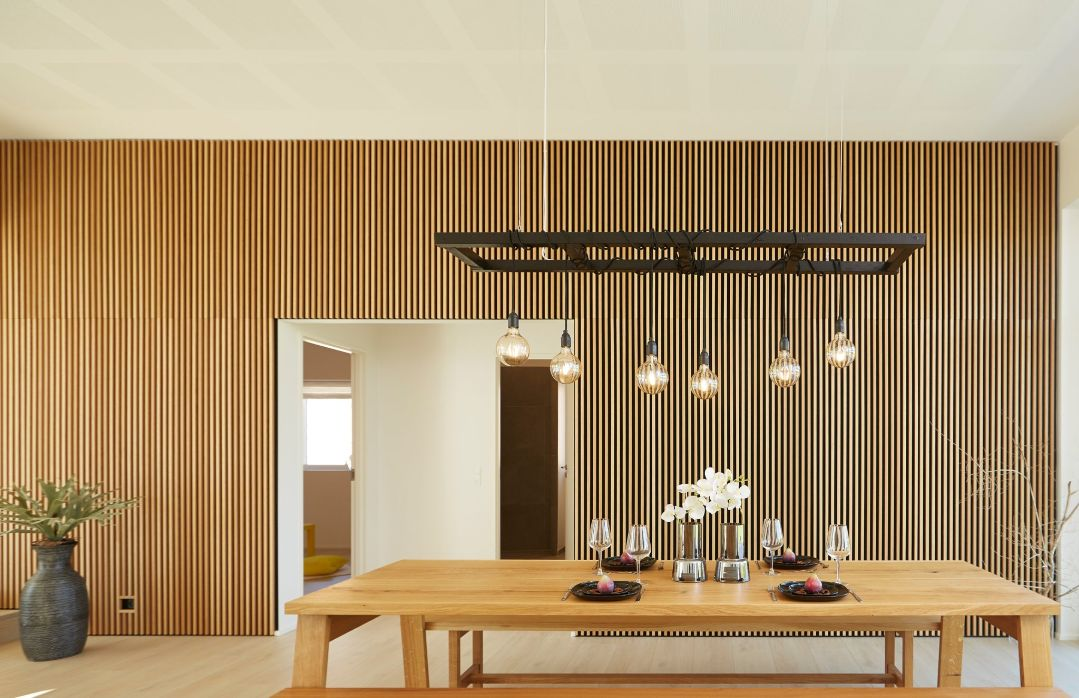
Wood looks are also very popular in kitchens. Wpc wall panel the beauty and durability of wood, plastic and sheet, Wpc wall panel offers the wood looks you want, while also providing warmth and comfort. It installs faster, easier, and cleaner than traditional wall panel as well.

Natural & Organic Elements

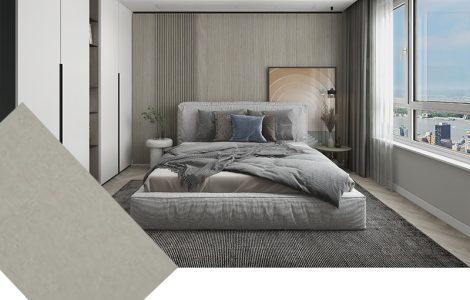
Add texture and warmth to any room and create a more organic look that produces a sense of calmness, relaxation and wellness. We’re celebrating this continued rising trend with the versatile wood look and marble visuals we offer in our wall panel. Let us help you bring nature and peace into your home.

2 of 2

  • Inspiration Gallery

  • The Impact of Wall panel

    Our collection of wall panel designs can help you achieve a feeling of tranquility in your space. Bursting with a wide selection of muted soft blues and grays, our wall panel designs blur the lines between home and nature.

Environmental and Aesthetics

 WPC Wall Panels (Wood-Plastic Composite)

WPC wall panels are a popular choice due to their combination of wood and plastic, which offers both aesthetic appeal and practical benefits. They are designed to mimic the appearance of natural wood, providing a sophisticated look without the high maintenance associated with real wood. WPC panels are durable, water-resistant, and relatively easy to install, making them suitable for various home environments. However, they can be on the pricier side compared to other options.

PVC Marble Sheets

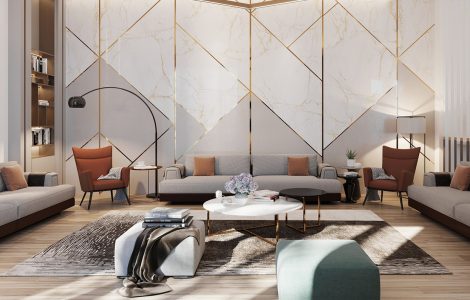
PVC marble sheets are an excellent option if you desire a luxurious appearance at a more affordable price. These panels provide the elegant look of marble but are much lighter and easier to maintain. They are highly durable and resistant to moisture, making them ideal for areas prone to humidity, such as bathrooms or kitchens. However, while they offer a marble-like aesthetic, the finish may not feel as premium as genuine marble.

WPC Foam Boards

All kitchen wall panel must be able to endure inevitable spills. You'll find the highest levels of water resistance in our wpc wall panel or pvc marble sheet collections. They are 100% waterproof, so planks won't swell, buckle or lose integrity when exposed to water.

Paneles acústicos

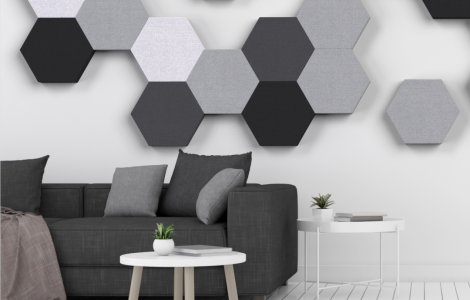
If sound control is a priority, acoustic panels are designed specifically to enhance the acoustics of a space by reducing noise and echo. They come in various designs and can add both style and functionality to a room. While they are excellent for improving sound quality, they might not offer the same level of aesthetic flexibility or durability as other options.

Introducción

Wall panels have become one of the most important materials in modern construction and interior decoration. From residential housing to commercial buildings, from hotel projects to public infrastructure, wall panels provide a combination of structural protection, aesthetic value, insulation performance, and installation efficiency. Compared with traditional wall finishing methods such as plastering, painting, or ceramic tiling, modern wall panels offer faster installation, better durability, and more consistent quality.

In recent years, the global construction and decoration market has shifted toward prefabricated, modular, and sustainable materials. Wall panels fit perfectly into this trend because they can be factory-produced with stable quality and installed quickly on site. For B2B buyers, importers, and project contractors, understanding different wall panel types is essential for selecting the right solution for each project.

This comprehensive guide will introduce wall panel types from multiple dimensions, including material classification, functional classification, surface design classification, and application scenarios. Whether you are a developer, contractor, architect, or building materials importer, this article will help you understand the full wall panel ecosystem.

Why Wall Panels Are Replacing Traditional Wall Finishes

Traditional wall finishes such as plaster, paint, tiles, or solid masonry require long installation times, skilled labor, and ongoing maintenance. In contrast, wall panels offer several technical and commercial advantages.

Wall panels can significantly improve construction efficiency. Many modern panels use click-lock or modular installation systems, reducing labor time and eliminating the need for adhesives or grout in some cases.

From a performance perspective, insulated wall panels can reduce heat loss through walls by up to 25%, improving building energy efficiency, especially in older structures.

Moisture-resistant panels made from PVC or composite materials help prevent mold growth and condensation problems, making them ideal for bathrooms, kitchens, and humid environments.

Additionally, wall panels can hide pipes, cables, or uneven wall surfaces, making them particularly useful in renovation and commercial fit-out projects.

From a B2B perspective, wall panels also offer advantages such as standardized quality, scalable production, and lower long-term maintenance costs.

Wall Panel Types by Material

Material is the most common way to classify wall panels. Each material has its own cost structure, performance characteristics, and application scenarios.

PVC Wall Panels

PVC wall panels are lightweight, waterproof, and affordable. They can imitate wood, stone, or metal surfaces and are widely used in kitchens, bathrooms, and commercial interiors.

Ventajas:

Limitations:

Wood Wall Panels

Wood panels provide natural texture and strong acoustic performance. They are commonly used in living rooms, offices, and premium commercial interiors.

Ventajas:

Limitations:

Composite Wall Panels (WPC, SPC, etc.)

Composite panels combine wood powder, polymers, or mineral powder to create durable and stable products. They are widely used in residential and commercial applications.

Ventajas:

Stone and Stone-Look Panels

Stone panels provide premium aesthetics and strong durability. Faux stone panels provide similar appearance at lower weight and cost.

Wall Panel Types by Function

Decorative Wall Panels

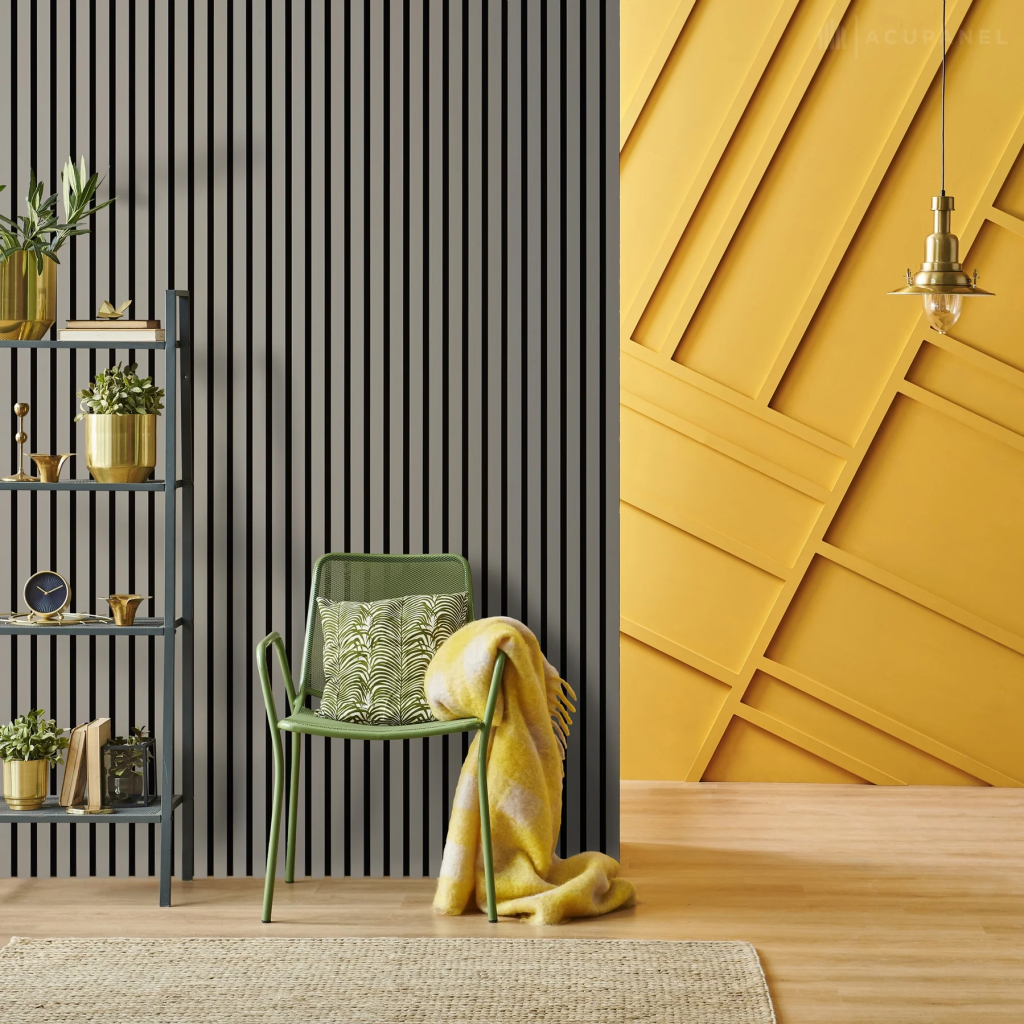
Decorative panels focus on aesthetics and are widely used in interior design. These include 3D panels, stone-look panels, and wood veneer panels.

Acoustic Wall Panels

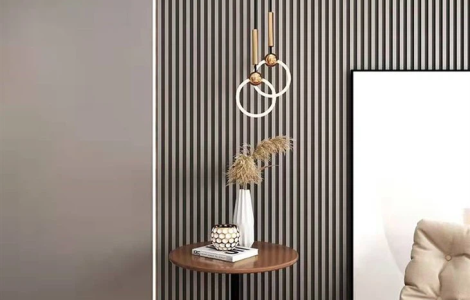
Acoustic panels help control noise and improve sound clarity. Slatted acoustic panels can reduce reverberation time by 30–60% in interior spaces.

Insulated Wall Panels

Insulated panels combine decorative surfaces with thermal insulation cores, helping improve building energy performance.

Fire-Resistant Wall Panels

Fire-rated panels use mineral cores or special coatings to improve building safety.

Wall Panel Types by Surface Finish and Design

Surface finish affects visual effect, maintenance, and cleaning performance.

Matt Panels

Matt panels provide non-reflective surfaces suitable for bedrooms and offices.

Textured Panels

Textured panels simulate wood grain, stone relief, or geometric 3D shapes and are widely used in feature walls.

Satin or Gloss Panels

Provide modern appearance and easy cleaning performance.

Interior vs Exterior Wall Panel Types

Interior Wall Panels

Common materials include:

Drywall panels made from gypsum cores are widely used for interior partitions due to easy installation and smooth finish.

Exterior Wall Panels (Cladding)

Common exterior materials include:

Metal cladding provides strong weather resistance and long service life, while vinyl cladding offers cost-effective residential solutions.

WPC Wall Panels — One of the Fastest Growing Categories

Wood Plastic Composite (WPC) panels are becoming increasingly popular globally, especially in commercial and hospitality projects.

WPC panels are available in solid core and hollow core structures.

Solid WPC panels provide high impact resistance, strong durability, and good sound insulation, making them suitable for exterior and high-traffic areas.

Hollow WPC panels are lighter and more cost-effective, often used in interior decorative applications.

For B2B importers, WPC panels provide a good balance between price, performance, and sustainability.

Popular Wall Panel Styles Used in Modern Interior Design

Interior designers use many panel styles to create visual effects, including:

How to Choose the Right Wall Panel Type for Your Project

When selecting wall panels, consider the following factors:

Environment

High humidity → PVC or composite
Outdoor exposure → Metal or WPC

Presupuesto

Low budget → PVC or laminate
High-end → Wood or natural stone

Installation Speed

Fast installation → Click-lock panels

Maintenance Requirements

Low maintenance → Composite or PVC

Future Trends in Wall Panel Industry

Future development trends include:

The push toward green building standards is driving demand for recyclable composite panels and energy-efficient insulated wall systems.

Conclusión

combine structure, insulation, and aesthetics. Whether using PVC, wood, WPC, metal, or stone panels, each type serves specific performance and design purposes.

For global B2B buyers, understanding wall panel classifications helps reduce project risks, optimize costs, and improve construction efficiency. As construction technology continues to evolve, wall panels will play an even more important role in sustainable and modular building systems.

es_ESSpanish