Best Acoustical Wall Panels for Offices, Homes, and Studios

Published on: 01 9月, 2025
目次

In modern living and working environments, acoustic comfort is just as important as visual design. A noisy office reduces efficiency, an echo-heavy meeting room makes communication difficult, and a home theater or studio without proper acoustic treatment can lose its immersive or professional quality. Acoustical wall panels are the core solution to these problems.

This guide provides a comprehensive overview of acoustical panels, including their principles, types, applications, installation strategies, performance and safety, cost considerations, sustainability, and why working with a professional manufacturer makes a difference.

Understanding Acoustics and Panel Basics

Before diving into specific products, it’s important to understand the fundamentals of acoustics:

  • Reverberation Time (RT60): The time it takes for sound to decay by 60 dB in a space. Long RT60 causes echoes, while overly short RT60 makes the room feel “dead.” Ideal ranges: 0.4–0.7s for offices, 0.3–0.6s for home theaters, and 0.2–0.4s for studios.
  • Absorption vs. Diffusion: Absorption reduces reflected sound energy, while diffusion scatters sound to make it more evenly distributed. A well-designed room combines both.
  • Noise Reduction Coefficient (NRC): The most common performance index, rated 0–1. A panel with NRC 0.9 absorbs 90% of incident sound energy.
  • Thickness and Air Gap: Thicker panels absorb better at mid-to-low frequencies. Adding an air gap (25–100 mm) behind the panel enhances performance.

These factors determine how panels behave in real spaces and should guide your purchasing decisions.

Main Types of Acoustical Wall Panels

There are several popular types of wall panels, each suited to different needs and aesthetics:

Fabric-Wrapped Panels
Core made of fiberglass or mineral wool, wrapped with acoustically transparent fabric. NRC up to 0.9–1.0. Widely used in conference rooms, lecture halls, and studios.

PET Polyester Fiber Panels
Made from recycled PET plastic, lightweight, durable, eco-friendly, and available in many colors and shapes. NRC around 0.75–0.9. Perfect for offices and homes.

Wood Slat Acoustic Panels
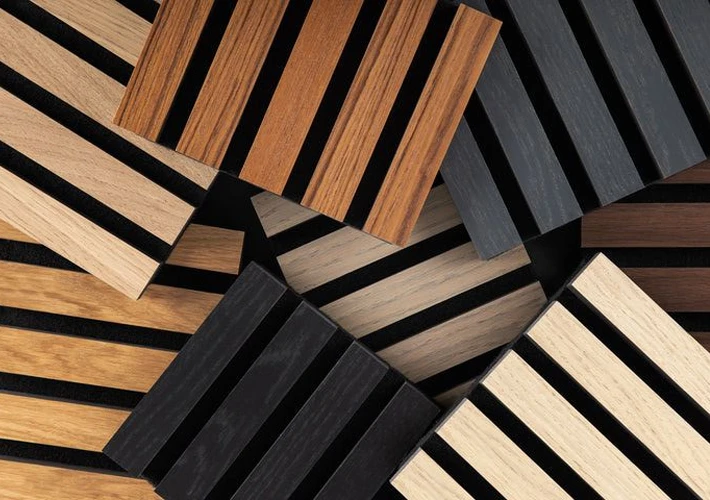
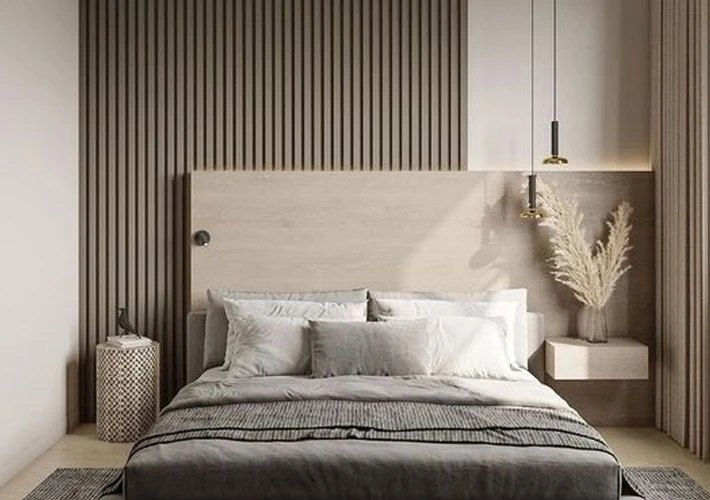
Wood slats combined with acoustic felt. Provide both absorption and diffusion while offering a premium decorative look. Popular in upscale homes, hotels, and boardrooms.

Perforated Wood/MDF Panels
Feature a perforated design that absorbs mid-to-low frequencies. Common in multipurpose halls, classrooms, and music rooms.

Acoustic Foam Panels
Lightweight, budget-friendly, easy to install. Widely used in home studios and podcast rooms. Less durable and more prone to dust accumulation.

Printed Acoustic Art Panels
Combine sound absorption with custom-printed artwork. Ideal for offices, restaurants, and living rooms, where aesthetics are just as important as performance.

These categories cover most requirements—from budget-friendly to premium, and from professional to home use.

Choosing the Right Panels for Different Spaces

Different spaces have unique acoustic goals.

Offices

  • Open-plan offices: PET and wood slat panels reduce background noise and improve focus.
  • Meeting rooms: High NRC fabric-wrapped panels ensure speech clarity.
  • Phone booths: PET or small fabric panels create quiet, private areas.

Homes

  • Living rooms: Printed acoustic panels act as decorative artwork while improving sound.
  • Bedrooms: PET panels add a cozy and quiet atmosphere.
  • Home theaters: Fabric panels and bass traps deliver cinema-quality sound.

Studios

  • Podcast rooms: Cover 40–50% of walls with PET or fabric-wrapped panels.
  • Control rooms: Combine absorptive and diffusive panels for accurate monitoring.
  • Recording rooms: Wood slats or perforated panels maintain a natural, balanced sound.

With tailored solutions, each space can achieve optimal sound quality.

Installation, Coverage, and Design Strategies

How you install panels and how much area you cover greatly impact the results.

  • Installation Methods: Adhesive mounting, metal clips, French cleats, or magnetic systems. Choose permanent or removable systems depending on the space.
  • Coverage: Offices usually need 15–25% wall coverage, home theaters 30–40%, and studios up to 50% or more.
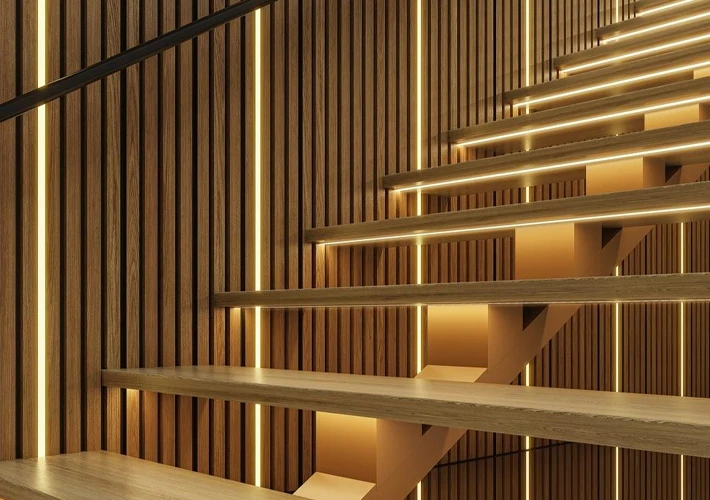
  • Design Strategies: Use color blocks, geometric arrangements, or custom prints to integrate panels into the décor. Wood slats combined with lighting can create a premium interior look.

With the right strategy, acoustical panels can be both functional and decorative.

Performance, Maintenance, and Safety Considerations

Performance, long-term care, and safety certifications are equally important.

  • パフォーマンス: Panels 25–50 mm thick, combined with an air gap, significantly improve low-frequency absorption.
  • メンテナンス: PET and fabric panels can be vacuumed or wiped clean. High-end fabric panels allow re-wrapping for extended life.
  • Safety: Look for fire-rated products (ASTM E84 Class A or equivalent) and low-VOC materials to ensure health and compliance in commercial spaces.

These ensure not only good acoustics but also durability and safety.

Cost, Mistakes to Avoid, and Practical Planning

Budget and planning play a major role in successful projects.

Cost Ranges:

  • Foam panels: lowest cost.
  • PET panels: mid-range ($20–50/m²).
  • Fabric-wrapped and wood slat panels: higher ($40–100/m²).
  • Printed/custom panels: premium.

Common Mistakes:

  • Treating only one wall → sound reflections remain.
  • Using panels too thin → poor low-frequency control.
  • Ignoring ceilings → incomplete treatment.
  • Over-absorbing → “dead” sounding rooms.

Practical Planning: Use the Sabine Formula (RT60 = 0.161 × V / A) to estimate how much absorption is needed, then calculate the panel area based on your room size and target RT60.

This avoids both under-treatment and over-treatment.

Sustainability and Long-Term Value

Sustainability is becoming a key factor in material choices.

PET Panels: Made from 50–100% recycled content, recyclable again, ideal for green buildings.

Wood Panels: Look for FSC-certified or responsibly sourced materials.

Long-Term Benefits:

  • Offices: Reduce noise, boost productivity.
  • Homes: Improve comfort and property value.
  • Studios: Ensure professional quality and attract clients.

Acoustic panels are not just a short-term fix—they’re a long-term investment in well-being and performance.

Why Acoustical Wall Panels Are Becoming Popular Worldwide in 2026

Global demand for acoustical wall panels continues to grow rapidly in 2026, especially in commercial offices, hotels, educational buildings, recording studios, and modern residential interiors. The rise of hybrid workspaces, open-plan offices, podcast studios, and home theaters has made acoustic comfort a major concern for architects and developers.

In regions such as North America, Europe, Southeast Asia, and the Middle East, acoustic solutions are increasingly included in building standards and interior design specifications. More buyers are now searching for decorative acoustic products that combine sound absorption with modern aesthetics.

For example:

  • United States: Focus on office productivity and home entertainment acoustics.
  • Europe: Preference for sustainable and fire-rated acoustic materials.
  • Middle East: Demand for luxury wood slat acoustic interiors in hotels and villas.
  • Southeast Asia: High demand for moisture-resistant PET acoustic panels due to humid climates.

As a China factory, Aesthedge provides cost-effective acoustic panel solutions tailored to global market requirements.

Best Acoustic Panel Solutions for Hotels and Commercial Projects

Hotels are one of the fastest-growing application scenarios for acoustic wall panels. Modern hotel projects require both decorative appearance and noise reduction performance.

Common hotel applications include:

Hotel Lobby

Wood slat acoustic panels create a luxurious atmosphere while reducing echo in large open spaces.

Guest Rooms

PET acoustic panels and fabric-wrapped panels improve sleep quality by reducing reflected noise and hallway sound transmission.

Conference Rooms

High NRC fiberglass acoustic panels improve speech clarity for meetings and events.

Restaurant and Dining Areas

Acoustic ceiling and wall systems help reduce crowd noise and create a more comfortable dining experience.

Hotel Corridors

Decorative acoustic panels help absorb footsteps and conversation noise.

For hotel contractors and wholesalers, customized acoustic materials can improve project value while reducing installation time.

How to Choose the Right Acoustic Panel Supplier

Selecting the right supplier is critical for project success. Buyers should evaluate manufacturers based on the following factors:

Acoustic Testing Reports

Professional suppliers provide verified NRC test reports and acoustic performance data.

Fire Resistance Certifications

Commercial projects often require Class A fire ratings or equivalent certifications.

Customization Ability

A reliable supplier should support custom dimensions, colors, and decorative finishes.

Production Experience

Experienced manufacturers better understand export packaging, quality control, and international project standards.

Technical Support

Good suppliers provide installation guidance, layout recommendations, and project consultation.

Sample Availability

Quality manufacturers can quickly provide samples for testing and approval.

Working with an experienced acoustic panel factory reduces project risks and improves purchasing efficiency.

Why Work with a Professional Manufacturer

With so many options on the market, working with a professional manufacturer ensures the best outcome.

We are a China-based factory specializing in:

  • PET acoustic panels
  • Fabric-wrapped fiberglass panels
  • Wood slat acoustic panels
  • Perforated wood panels
  • Custom-printed art acoustic panels

Our advantages:

  • OEM/ODM customization: tailored sizes, colors, and designs.
  • Acoustic testing: certified NRC and absorption data.
  • International standards: fire safety and eco certifications for export.
  • Full-service support: design consultation, packaging, and installation guidance.

Whether you’re upgrading an office, building a home theater, or setting up a professional studio, we provide precise and cost-effective acoustic solutions.

結論

Acoustical wall panels are more than decorative elements—they are essential tools for improving quality of life and productivity. By understanding acoustic principles, choosing the right panel type, applying proper installation and design, and partnering with a professional manufacturer, you can achieve an environment that combines sound performance, aesthetics, and long-term value.

お電話でのお問い合わせ

whatsappでメッセージを送る +86 189 5395 5575すぐに返信いたします!

    jaJapanese