Termites are one of the biggest hidden threats to buildings and interior decoration projects across Southeast Asia. In countries such as Singapore, Malaysia, Indonesia, Thailand, Vietnam, and the Philippines, the tropical climate creates ideal conditions for termite growth throughout the year. High humidity, frequent rainfall, warm temperatures, and moisture accumulation allow termites to spread rapidly in residential, commercial, and hospitality environments.
For contractors, developers, wholesalers, importers, and architects, termite damage is not just a maintenance issue. It directly affects project durability, operational costs, customer satisfaction, and long-term property value. Traditional wooden decorative materials often struggle to survive in tropical environments because moisture penetration weakens the material structure and increases the risk of termite infestation.
As Southeast Asia’s construction industry moves toward modern, low-maintenance, and sustainable materials, bamboo charcoal wood veneer has emerged as a highly competitive solution. Compared with conventional wood veneer, plywood, or MDF decorative panels, bamboo charcoal wood veneer offers improved moisture resistance, enhanced structural stability, and lower termite attraction, making it increasingly popular in tropical interior projects.
Aesthedge, as a professional Chinese factory specializing in decorative wall materials, provides bamboo charcoal wood veneer products designed specifically for export markets and humid climate applications. With growing demand from Southeast Asian distributors and contractors, Aesthedge continues to optimize product performance, surface durability, and decorative flexibility for modern interior projects.
This article explores how bamboo charcoal wood veneer addresses termite-related challenges in Southeast Asia, why it performs better than traditional wood materials, and why more developers are choosing engineered decorative panels for tropical construction environments.
Why Southeast Asia Faces Severe Termite Problems
Southeast Asia has one of the world’s most termite-prone climates. Unlike dry regions where termite activity may be seasonal, tropical countries experience year-round termite risks due to constant humidity and warm temperatures.
Tropical Climate Creates Ideal Conditions
Termites thrive in environments with:
High moisture
Warm temperatures
Poor ventilation
Organic wood-based materials
Dark hidden spaces
Many Southeast Asian cities maintain humidity levels above 70% for most of the year. Combined with frequent rainfall, this creates ideal breeding conditions for subterranean and drywood termites.
In tropical construction environments, termites commonly attack:
Wooden wall panels
Furniture
Ceiling systems
Cabinets
Flooring substrates
Decorative veneers
Plywood partitions
Over time, internal structural damage may remain invisible until severe deterioration occurs.
Traditional Wood Materials Are Highly Vulnerable
Traditional decorative wood materials absorb moisture easily. Once moisture penetrates the surface, the internal structure becomes softer and more attractive to termites and mold.
Common issues include:
Swelling
Warping
Surface cracking
Internal hollowing
Mold growth
Delamination
Reduced structural strength
In humid climates like Singapore and Vietnam, untreated or poorly protected wood products often deteriorate much faster than expected. Discussions regarding tropical humidity and wood deterioration also appear frequently in construction and woodworking communities.
Rising Maintenance Costs in Commercial Projects
Hotels, retail centers, restaurants, offices, and apartment projects face increasing maintenance pressure because damaged decorative materials require frequent replacement.
For hospitality projects especially, termite problems can lead to:
Renovation downtime
Higher labor costs
Guest complaints
Reduced aesthetic quality
Increased pest-control expenses
This has accelerated demand for alternative decorative materials that offer better environmental stability and lower maintenance requirements.
What Is Bamboo Charcoal Wood Veneer?
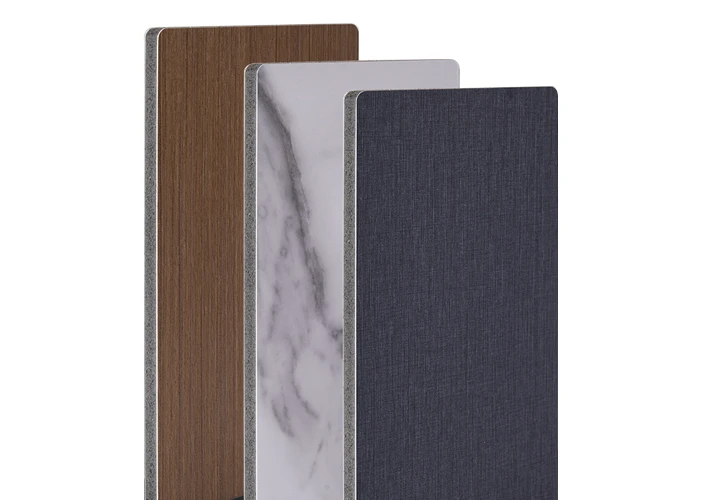
Bamboo charcoal wood veneer is a modern composite decorative material engineered for interior wall and ceiling applications. Unlike traditional natural wood veneer, it combines bamboo charcoal powder, polymer composites, stabilizing layers, and decorative surface films to create a more durable and environmentally adaptable panel system.
This engineered layered construction improves dimensional stability and reduces environmental sensitivity.
The Role of Bamboo Charcoal Technology
Bamboo charcoal is produced through high-temperature carbonization processes. Research and industry sources show that bamboo charcoal materials contain porous structures capable of moisture regulation and environmental stabilization.
In decorative panels, bamboo charcoal contributes to:
Moisture regulation
Odor absorption
Improved environmental stability
Enhanced durability
Better resistance to humid environments
These characteristics make bamboo charcoal veneer especially suitable for tropical regions.
Decorative Flexibility
Modern bamboo charcoal wood veneer panels are available in multiple finishes:
Natural wood grain
Stone texture
Matte finishes
Metallic textures
Fabric patterns
High-gloss surfaces
Customized colors
This allows architects and designers to maintain luxury aesthetics while reducing the maintenance challenges associated with natural timber.
How Bamboo Charcoal Wood Veneer Helps Reduce Termite Problems
Termites primarily feed on cellulose found in natural wood. Traditional timber products contain high concentrations of organic cellulose, making them attractive food sources.
Bamboo charcoal wood veneer panels are engineered composite materials with reduced exposed natural wood content. This makes the panels less attractive to termites compared with conventional solid wood and plywood systems.
Some manufacturers also state that during the production process, cellulose and starch are significantly reduced or modified, helping improve termite resistance.
Improved Moisture Resistance
Moisture is one of the main factors attracting termites. Wet or damp wooden materials create favorable living conditions for termite colonies.
Industry reports indicate that bamboo charcoal veneer products offer good resistance to humidity and splashing water, especially when protective coatings are applied.
Aesthedge bamboo charcoal wood veneer panels are designed with moisture-resistant surfaces that help reduce:
Water absorption
Humidity penetration
Surface swelling
Mold growth
Structural deformation
Lower moisture accumulation reduces the likelihood of termite attraction in tropical environments.
Stable Composite Construction
Traditional wood often expands and contracts under changing humidity conditions. This movement can create cracks, gaps, and weak points where termites enter.
Engineered bamboo charcoal veneer panels maintain better dimensional stability because of their composite layered structure.
Benefits include:
Reduced cracking
Improved structural consistency
Fewer entry points for pests
Better installation integrity
Longer decorative lifespan
This stability is especially important in Southeast Asia, where humidity fluctuations occur daily.
Protective Surface Coatings
Modern bamboo charcoal wood veneer panels typically include PET films, UV coatings, or laminated protective surfaces that improve durability and environmental resistance.
These surface technologies help resist:
Moisture penetration
Surface scratches
Dirt accumulation
Environmental wear
Minor chemical exposure
Protective barriers make it more difficult for termites to access internal layers.
Why Bamboo Charcoal Wood Veneer Is Ideal for Southeast Asian Projects
The Southeast Asian market has unique environmental and commercial requirements. Decorative materials must balance appearance, durability, installation efficiency, and long-term maintenance performance.
Suitable for High-Humidity Climates
Compared with traditional wood panels, bamboo charcoal veneer performs better in humid interior conditions.
Applications include:
Condominiums
Hotels
Shopping malls
Offices
Restaurants
Villas
Apartments
Commercial interiors
In tropical regions where humidity remains consistently high, materials with enhanced moisture resistance become essential for long-term project stability.
Compared with natural timber, bamboo charcoal veneer reduces:
Repainting frequency
Surface repair costs
Termite treatment expenses
Replacement cycles
Labor-intensive maintenance
For hotels and retail spaces, lower maintenance means fewer interruptions to daily operations.
Faster Installation
Bamboo charcoal wood veneer panels are lightweight and easy to install compared with traditional stone or solid wood systems.
Advantages include:
Faster construction schedules
Lower transportation costs
Reduced labor requirements
Simplified wall installation
Easier renovation processes
This is highly valuable for large-scale Southeast Asian commercial projects where project timelines are critical.
Better Cost Efficiency
Natural hardwood suitable for tropical climates is becoming increasingly expensive due to limited supply and sustainability regulations.
Bamboo charcoal veneer provides a more economical alternative while still delivering premium visual effects.
For importers and distributors, this creates strong market opportunities because buyers increasingly seek materials that balance:
コスト
耐久性
Design flexibility
Environmental adaptability
Comparing Bamboo Charcoal Wood Veneer with Traditional Materials
Understanding the differences between bamboo charcoal veneer and conventional decorative materials helps contractors and wholesalers make better procurement decisions.
Solid Wood
Solid wood offers natural beauty but faces several challenges in tropical environments:
High termite risk
Moisture absorption
Warping
Cracking
Heavy weight
Expensive maintenance
While certain hardwoods provide natural resistance, they are often costly and difficult to source consistently in large quantities.
Bamboo charcoal veneer provides a more stable and cost-effective alternative.
Traditional Veneer Panels
Conventional veneer panels usually combine thin natural wood veneers with plywood or MDF substrates.
Common problems include:
Delamination
Edge swelling
Surface peeling
Moisture damage
Internal infestation
Engineered bamboo charcoal panels improve dimensional stability and environmental resistance.
PVC Decorative Panels
PVC panels provide waterproof performance but sometimes lack the premium appearance required for luxury commercial projects.
Bamboo charcoal veneer offers:
More realistic textures
Higher-end visual appeal
Better decorative flexibility
Modern luxury aesthetics
This makes it popular in upscale hospitality and office interiors.
WPCの壁パネル
WPC wall panels are also widely used in Southeast Asia because of their water resistance.
However, bamboo charcoal veneer often provides:
Finer decorative details
More premium finishes
Better interior luxury positioning
Greater design versatility
Many projects combine both materials depending on the installation environment.
Applications of Bamboo Charcoal Wood Veneer in Southeast Asia
The versatility of bamboo charcoal wood veneer makes it suitable for multiple sectors across Southeast Asia.
Hotel Interiors
Hotels require materials that are both attractive and durable.
Popular hotel applications include:
Lobby feature walls
Guest room decoration
Corridor wall systems
Ceiling installations
Elevator lobby finishes
The reduced maintenance requirements help hotel operators lower long-term operational costs.
Residential Decoration
Modern homeowners increasingly prefer decorative materials that are:
Easy to clean
Stylish
耐久性
Moisture resistant
軽量
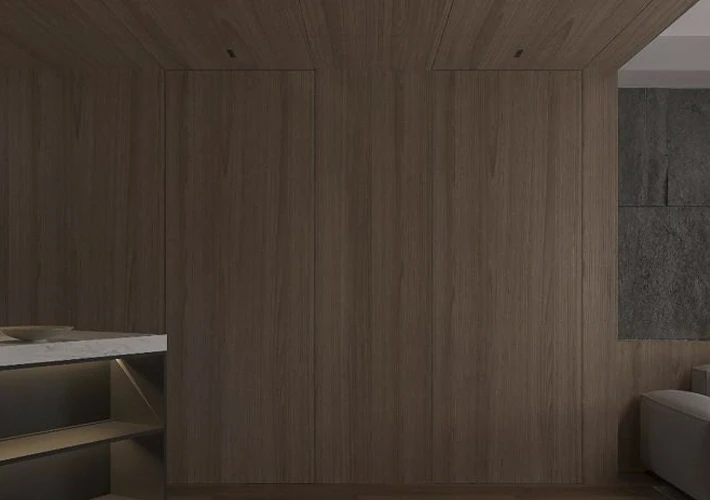
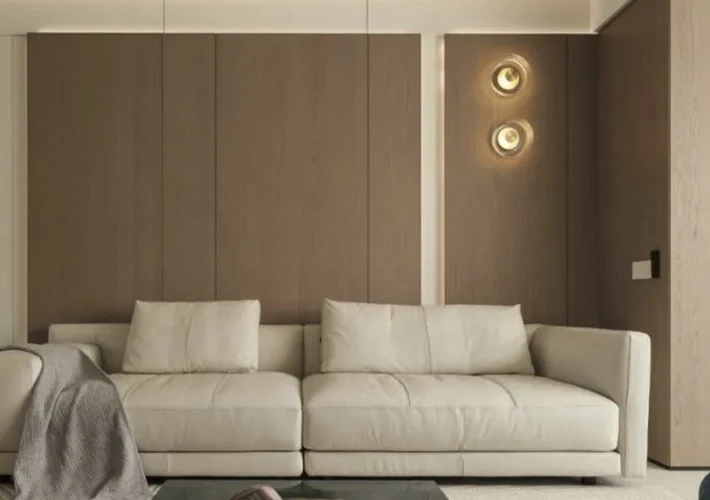
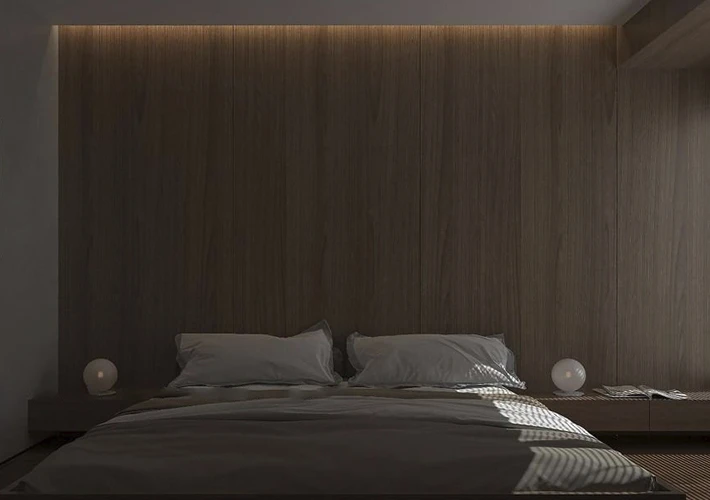
Bamboo charcoal veneer is widely used for:
TV background walls
Bedroom decoration
Living room feature walls
Wardrobes
Ceiling systems
Commercial Projects
Retail stores, restaurants, and offices need decorative materials capable of handling heavy daily traffic.
Advantages include:
Better durability
Faster renovation
Lower maintenance
Modern visual effects
Improved environmental performance
This makes bamboo charcoal veneer highly suitable for commercial interiors.
Apartment Renovation
Urban apartment renovation projects increasingly favor lightweight decorative systems that simplify installation and reduce construction waste.
Bamboo charcoal veneer supports:
Fast wall renovation
Modern minimalist aesthetics
Reduced construction complexity
Improved environmental adaptability
Why Importers Choose Aesthedge as a Chinese Supplier
As a professional Chinese factory, Aesthedge focuses on producing export-oriented decorative wall materials for international markets.
Stable Manufacturing Capacity
Large commercial projects require consistent quality and reliable supply chains.
Aesthedge provides:
Stable production schedules
Strict quality control
Export-standard packaging
Bulk order support
Consistent product dimensions
This helps distributors and contractors reduce project risks.
Export Experience in Southeast Asia
Aesthedge understands the specific environmental challenges faced by Southeast Asian buyers, including:
High humidity
Tropical temperatures
Termite risks
Fast construction schedules
Cost-sensitive procurement
Products are optimized for these regional conditions.
Flexible OEM and Customization
Different markets require different decorative styles.
Aesthedge supports:
Customized colors
Various textures
Multiple sizes
OEM branding
Customized packaging
This helps distributors build local market competitiveness.
Competitive Factory Pricing
As a direct Chinese manufacturer, Aesthedge provides:
Factory-direct pricing
Bulk order advantages
Scalable production
Efficient logistics support
This improves profit margins for wholesalers and importers.
Future Market Trends in Southeast Asia
Demand for advanced decorative materials in Southeast Asia continues to grow rapidly.
Several trends are driving the expansion of bamboo charcoal wood veneer:
Growth of Hospitality Construction
Tourism recovery across Southeast Asia is increasing demand for hotel renovation and new hospitality projects.
Developers increasingly prioritize:
Fast installation
Luxury appearance
Low maintenance
Long-term durability
Sustainable Construction Demand
Governments and developers are paying more attention to environmentally responsible construction materials.
Minimalist, luxury, and contemporary interiors continue gaining popularity across Southeast Asia.
Bamboo charcoal veneer aligns perfectly with these trends due to its:
Modern surface finishes
Flexible decorative options
Premium visual appearance
Replacement of Traditional Wood Systems
As termite-related maintenance costs rise, more projects are replacing traditional timber materials with engineered decorative panels.
This transition is expected to continue expanding in:
Hotels
Apartments
Offices
Commercial centers
Public infrastructure
結論
Termites remain one of the most serious challenges facing Southeast Asia’s construction and interior decoration industries. Traditional wood materials often struggle under tropical humidity conditions, leading to costly maintenance, structural deterioration, and frequent replacement cycles.
Bamboo charcoal wood veneer provides a modern alternative that addresses many of these challenges through improved moisture resistance, reduced cellulose exposure, engineered structural stability, and durable protective surfaces. These characteristics help reduce termite attraction while delivering premium decorative aesthetics suitable for modern residential and commercial interiors.
As Southeast Asia continues to urbanize and modernize, demand for durable, low-maintenance decorative materials will continue growing. Bamboo charcoal wood veneer is becoming an increasingly important solution for developers, contractors, distributors, and designers seeking long-term performance in tropical climates.
As a professional Chinese factory, Aesthedge is committed to providing high-quality bamboo charcoal wood veneer solutions tailored for Southeast Asian markets. Through stable manufacturing, export experience, customization support, and competitive pricing, Aesthedge helps global buyers build durable and visually impressive interior projects with greater confidence.



 Japanese
  English
  French
  Russian
  Spanish
  Arabic
  Portuguese