< img height="1" width="1" style="display:none" src="https://www.facebook.com/tr?id=573800378452652&ev=PageView&noscript=1" />

What Is the Difference Between WPC Wall Panels and SPC Wall Panels?

Published on: 11 Dec, 2025
Table of Contents

Wall cladding materials have evolved rapidly in recent years, especially with the rise of engineered composite panels such as WPC wall panels and SPC wall panels. For global wholesalers, builders, contractors, and project designers, selecting the right wall panel is essential to ensure long-term durability, aesthetics, and cost-effectiveness.

Although both WPC and SPC panels belong to the category of composite wall materials and are widely used in interior decoration, their structures, performance, applications, and pricing differ significantly. This comprehensive guide explains the full difference between WPC wall panels and SPC wall panels—from raw materials and manufacturing processes to performance comparison, installation, pricing, and market trends. As a professional WPC and SPC wall panel manufacturer in China, we also provide insights from a factory perspective to help buyers make informed sourcing decisions.

Overview: What Are WPC and SPC Wall Panels?

1.1 What Are WPC Wall Panels?

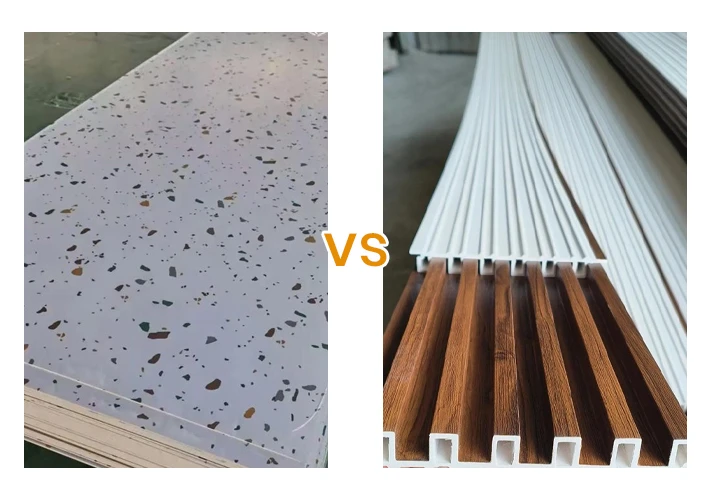
WPC stands for Wood Plastic Composite, a material made from a mixture of:

  • Wood fiber (40–60%)
  • Polymer resin (usually PE or PVC)
  • Calcium powder and additives

WPC wall panels simulate natural wood with realistic grains and warm textures. They are commonly used for:

  • Interior walls
  • Feature wall designs
  • Living room, bedroom, office, and hotel decoration
  • Ceiling panels
  • Decorative cladding

WPC panels became popular for their wood-like aesthetics, ease of installation, and good balance between cost and performance.

1.2 What Are SPC Wall Panels?

SPC stands for Stone Plastic Composite, made from:

  • Calcium carbonate (60–80%)
  • PVC resin
  • Stabilizers and additives

SPC wall panels belong to the same family as SPC flooring and are known for:

  • Ultra-high density
  • Superior waterproofing
  • Fire resistance
  • Impact resistance

SPC panels are widely used in:

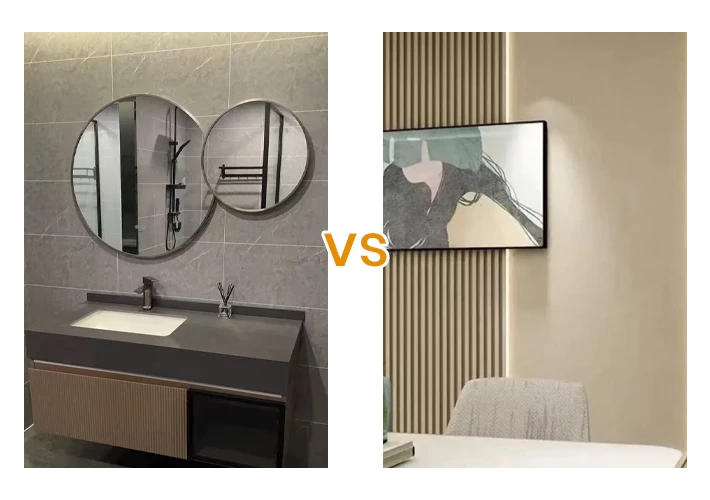
  • Bathrooms
  • Kitchens
  • Basements
  • Commercial interiors
  • Any area requiring strong protection and durability

Raw Materials and Manufacturing Processes

2.1 Raw Material Composition Comparison

Wall Panel TypeWood FiberPVC ResinCalcium PowderDensityCore Technology
WPC Wall Panel40–60%20–30%10–20%MediumWood-plastic composite extrusion
SPC Wall Panel0%20–30%60–80%HighStone-plastic hot press extrusion

Key difference:
WPC focuses on wood-based aesthetics and lightweight structure, while SPC focuses on hardness, stability, and maximum waterproof performance.

2.2 Manufacturing Differences

WPC Production Line

Raw material mixing

Twin-screw extrusion

Cooling and shaping

Surface lamination (PVC film, veneer, or hot stamping)

Cutting and packaging

SPC Production Line

High-temperature mixing

High-pressure extrusion and calendaring

UV coating or decorative film pressing

Cutting and edge processing

Packaging

As a China factory producing both materials, we understand that SPC requires higher-precision equipment and more complex pressure control, so its mechanical performance is generally stronger.

Performance Comparison: WPC vs. SPC

3.1 Waterproofing

  • WPC: Water-resistant but not 100% waterproof (wood fiber absorbs moisture slightly)
  • SPC: 100% waterproof, ideal for wet environments

Winner: SPC wall panels

3.2 Fire Resistance

  • WPC: Generally reaches B1 fire-rating
  • SPC: Can reach B1 or A-class, higher than WPC

Winner: SPC wall panels

3.3 Durability and Strength

  • WPC: Good strength but lighter and softer
  • SPC: Extremely strong, high-density, impact-resistant

Winner: SPC wall panels

3.4 Thermal and Sound Insulation

  • WPC: Better insulation due to wood fiber
  • SPC: High density reduces insulation slightly, but still performs well

Winner: WPC wall panels for insulation performance

3.5 Aesthetic Appearance

Both WPC and SPC panels offer excellent decorative surface finishes such as:

  • Wood grain
  • Marble pattern
  • Fabric texture
  • Metallic finish

Difference:

  • WPC looks more natural and warm
  • SPC tends to have a smoother, harder, premium surface

Winner: Depends on design preference

3.6 Installation Efficiency

  • WPC: Lightweight and easy to cut; ideal for suspended ceilings
  • SPC: Heavier but uses click-lock or direct mount systems

Both are quick to install, but WPC is easier for large areas.

3.7 Service Life

  • WPC: 10–20 years
  • SPC: 20–30 years

SPC lasts longer due to its stronger core structure.

Application Scenarios: Where to Use WPC and SPC?

4.1 Best Applications for WPC Wall Panels

WPC is ideal for:

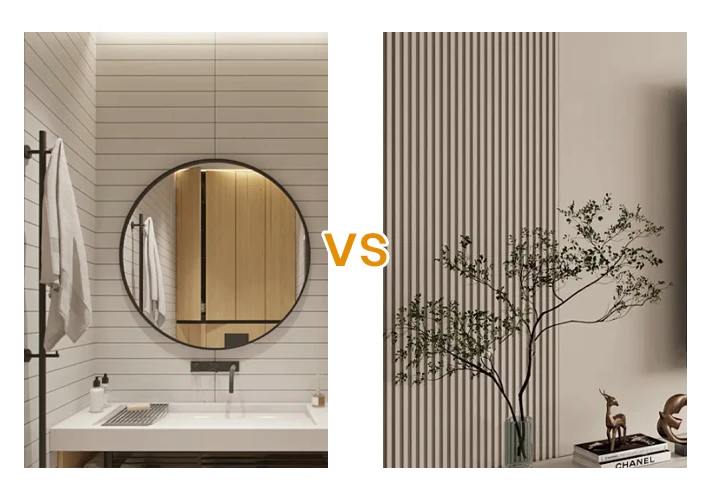
  • Living room feature walls
  • Residential bedrooms
  • Hotel lobby and corridor decoration
  • Office interior walls
  • Ceilings
  • Retail store decoration

Advantages for these scenarios:

  • Warm, natural visual effect
  • Good acoustic absorption
  • Quick installation

4.2 Best Applications for SPC Wall Panels

SPC is recommended for:

  • Bathrooms and wet areas
  • Kitchens
  • Underground rooms
  • Hospital corridors
  • Schools
  • Commercial areas with high traffic

Advantages:

  • Waterproof
  • Impact-resistant
  • Easy to clean
  • Fire-safe

Cost and Pricing Comparison (Factory Perspective)

5.1 Material Cost Difference

SPC contains more calcium powder (cheap) but requires high-precision equipment, raising processing cost. WPC uses more wood fiber, and lamination is simpler.

5.2 Market Price Range

Factory export price (FOB China):

TypePrice Range (USD/m²)Reason
WPC Wall Panels$6 – $15Depends on thickness, design, and coating
SPC Wall Panels$8 – $20Higher density and stronger surface
Decorative 3D WPC Panels$10 – $25More complex structure
Marble-finish SPC Panels$12 – $28Premium coating technology

Overall:
SPC is slightly more expensive but offers superior performance.

Environmental Performance Comparison

6.1 WPC Environmental Benefits

  • Recycled wood fiber
  • Low formaldehyde
  • Eco-friendly decorative solution

6.2 SPC Environmental Benefits

  • 100% formaldehyde-free
  • Odorless
  • Recyclable

Winner: Both are eco-friendly, but SPC is more stable in long-term indoor emissions.

Maintenance and Cleaning Differences

WPC

  • Avoid heavy impacts
  • Clean with mild detergent
  • Good for low-maintenance interior decoration

SPC

  • Extremely scratch-resistant
  • Easy to clean with disinfectant
  • Suitable for commercial and public spaces

Which One Should You Choose? (Decision Guide)

Choose WPC if you need:

✔ Warm, natural wood appearance
✔ Good acoustic performance
✔ Lower material density
✔ Affordable pricing
✔ Residential or light-commercial use

Choose SPC if you need:

✔ Maximum waterproofing
✔ Strong fire resistance
✔ Ultra-high durability
✔ Easy cleaning
✔ Bathrooms, kitchens, or commercial projects

Why Source WPC and SPC Panels from China?

China is the world’s largest production base for composite wall materials. As a professional factory producing both WPC and SPC wall panels, we offer:

9.1 Cost Advantage

  • Mature production chain
  • Advanced extrusion lines
  • Lower raw material cost

9.2 Quality Control

  • ISO-certified manufacturing
  • Strict density and thickness testing
  • Consistent color and surface finish

9.3 Customization Options

  • OEM/ODM
  • Custom textures and colors
  • Custom sizes and packaging

9.4 Fast Production and Delivery

  • 15–25 days lead time
  • Large inventory of raw materials
  • Experience with global shipping

Future Market Trends

Both WPC and SPC wall panels will continue growing due to:

10.1 Rising Demand for Eco-friendly Materials

More developers prefer recyclable, low-VOC materials.

10.2 Fast Installation Systems

Clip-lock and tongue-and-groove systems are expanding.

10.3 More Surface Finishes

3D textures, marble designs, and metal effects are trending.

10.4 Rapid Growth in Commercial and Renovation Projects

Especially in:

  • Hotels
  • Retail
  • Healthcare
  • Education

10.5 China’s Increasing Manufacturing Efficiency

Factories continue to invest in automated production lines to reduce cost and improve quality.

Conclusion: WPC vs. SPC — Which Is Better?

WPC and SPC wall panels are both excellent modern decorative materials, but they serve different needs:

  • WPC focuses on aesthetics, warmth, and good sound insulation.
  • SPC focuses on strength, waterproofing, and durability.

Choosing the right material depends on your project requirements.
For interior living spaces, WPC is ideal.
For bathrooms, kitchens, and commercial areas, SPC is the best choice.

As a leading wall panel manufacturer in China, we offer both materials with competitive prices and customized solutions for global B2B buyers.

Call Us

Send us a message at whatsapp +86 189 5395 5575, and we will reply to you immediately!

    en_USEnglish