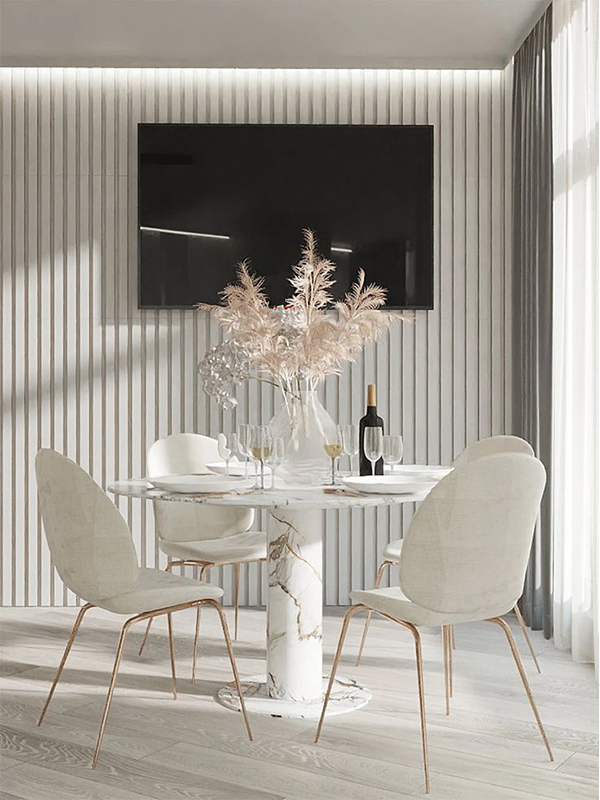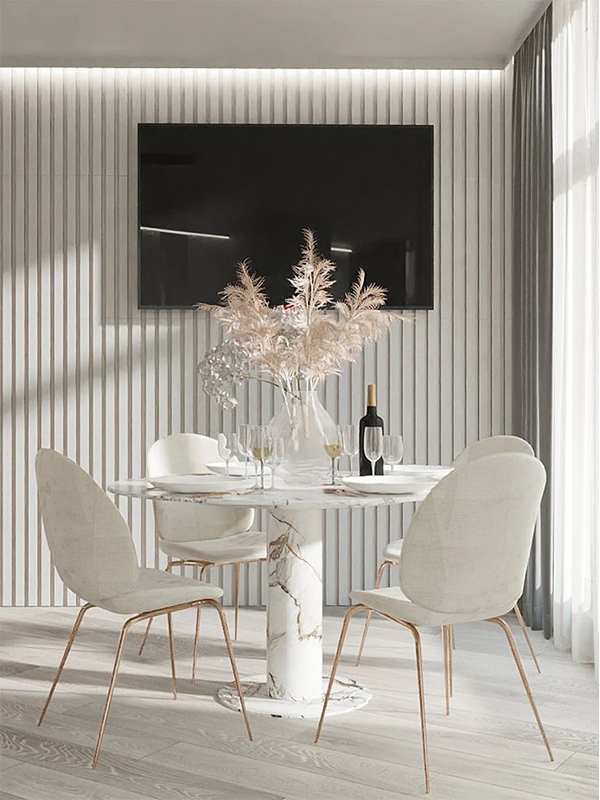
The most comprehensive introduction to WPC wall panels

Published on: 09 Сен, 2024
Оглавление

In-Depth Look at WPC Wall Panels

Wood Plastic Composite (WPC) wall panels have transformed from a niche decorative material into a mainstream global construction solution. Today, architects, contractors, developers, and procurement teams increasingly select WPC panels for projects ranging from residential interiors to large-scale commercial façades.

Compared with traditional wood, stone, or metal decorative materials, WPC provides a balance between sustainability, structural performance, and cost efficiency. Its ability to combine natural wood aesthetics with polymer durability makes it particularly valuable in climates with high humidity, strong UV exposure, or large seasonal temperature differences.

As global construction trends shift toward prefabrication, modular building, and green certification systems, WPC wall panels are becoming a strategic material choice rather than simply a decorative option.

Detailed Composition and Material Breakdown

WPC wall panels are engineered composite materials made from a controlled blend of wood fibers, thermoplastics, and performance-enhancing additives.

Core Raw Materials

Wood Fiber or Wood Flour (40%–70%)
Derived from recycled sawdust, bamboo fiber, or agricultural by-products, the wood component provides natural texture, rigidity, and visual warmth.

Thermoplastic Polymers (30%–60%)
Common plastics include:

  • Polyethylene (PE)
  • Polypropylene (PP)
  • Polyvinyl Chloride (PVC)

Among these, PVC-based WPC wall panels are particularly favored for exterior wall cladding due to their superior UV resistance, dimensional stability, and weather tolerance.

Functional Additives (5%–10%)

  • UV stabilizers for color retention
  • Fire retardants for commercial safety compliance
  • Foaming agents for lightweight structures
  • Anti-fungal and anti-bacterial agents for humid environments

This engineered composition allows WPC wall panels to outperform traditional wood in moisture resistance, lifespan, and maintenance cost.

WPC Wall Panel Manufacturing Process Explained

WPC wall panels are produced through high-precision extrusion or compression molding technologies.

Step-by-Step Production Flow

Material Blending
Wood fibers, polymers, and additives are mixed under high temperature to ensure uniform dispersion.

Extrusion or Compression Molding
The molten compound is shaped into solid or hollow-core profiles using customized molds.

Cooling and Cutting
Panels are stabilized through controlled cooling and cut into standardized or custom lengths.

Surface Treatment & Finishing
Advanced embossing, co-extrusion, or UV coating techniques create realistic wood grain, stone textures, or modern matte finishes.

This industrialized process ensures consistency, scalability, and suitability for global export markets.

Technical Performance and Engineering Properties

From an engineering standpoint, WPC wall panels meet multiple international construction requirements.

НедвижимостьTypical Range
Плотность0.55–1.5 g/cm³
Moisture Absorption<1%
Прочность на разрыв15–30 MPa
Прочность на изгиб20–50 MPa
Рейтинг пожарной безопасностиUp to Class A possible
Thermal ConductivityLow (insulation benefit)

These values support applications in both decorative and semi-structural wall systems.

Key Application Scenarios Across Global Construction Projects

Smart Cladding Systems: WPC is increasingly used in smart cladding systems, integrating thermal insulation layers, soundproofing materials, and even solar panels for energy-efficient building envelopes.

High-Humidity Zones: WPC is ideal for use in high-humidity zones like bathrooms, swimming pools, or coastal environments due to its high resistance to moisture and mold growth.

Commercial Façades: WPC panels are preferred for commercial buildings that require a combination of aesthetics, low maintenance, and structural resilience. Many hotels, malls, and corporate buildings use WPC for durable yet stylish facades.

Renovation Projects: The lightweight nature of WPC makes it an excellent choice for retrofitting older buildings. It can be applied directly over existing surfaces, saving time and cost in renovation projects.

Challenges and Considerations in Installation

While WPC offers many advantages, there are some specific installation challenges to keep in mind:

  • Thermal Expansion and Contraction: Due to the plastic content, WPC wall panels expand and contract with temperature changes. During installation, it’s crucial to leave small gaps between panels and incorporate expansion joints to prevent warping or buckling.
  • Fasteners and Support Structures: Since WPC is denser and heavier than PVC or traditional wood, it requires proper support structures and stronger fasteners for both interior and exterior applications.
  • Surface Treatment Sensitivity: If a WPC panel has a textured or embossed surface, care should be taken during installation to avoid scratches or damage that could expose the material to moisture.

Customization and Aesthetic Flexibility

Color Stability Technology

Integrated pigmentation ensures fade resistance.

Surface Texture Options

Available textures include:

  • Natural wood grain
  • Stone effect
  • Matte industrial finish
  • Brushed metallic visual effects

Project-Level Custom Manufacturing

Manufacturers can provide:

  • Custom lengths
  • Project-specific profiles
  • Branding embossing

This level of customization is particularly important for hotel chains and commercial developers.

Environmental and Economic Considerations

  • Environmental Impact: WPC is often regarded as an environmentally friendly material because it utilizes recycled plastics and wood by-products. Additionally, the long lifespan and low maintenance reduce the need for replacements, further reducing its overall carbon footprint.
  • Economic Value: While the initial cost of WPC panels may be higher than traditional materials, the long-term savings in maintenance, painting, and replacement often make it a more cost-effective option over the product’s lifecycle.

Market Growth and Trends

  • Growth in Green Building: WPC is becoming increasingly popular in green building projects that focus on sustainability and resource efficiency. LEED-certified buildings and other eco-friendly developments are adopting WPC panels for their environmental benefits.
  • Increased Demand for Prefabricated Structures: With the growth of prefabricated construction, WPC panels are widely used due to their easy installation and light weight. They are frequently included in modular homes, portable buildings, and prefab office structures.
  • Innovation in Surface Coatings: Manufacturers are continually innovating with surface coatings that improve scratch resistance, UV protection, and self-cleaning properties, expanding WPC's use in demanding environments.

Regional Market Demand and Buyer Behavior Analysis

North America

Focus on:

  • Exterior cladding
  • Decking systems
  • Sustainability certification

Europe

Focus on:

  • Fire performance
  • Environmental compliance
  • Long lifecycle materials

Asia-Pacific

Strong demand from:

  • Urban residential construction
  • Commercial renovation
  • Cost-performance balance

Middle East

Growing demand for:

  • UV resistant façade materials
  • Low maintenance exterior cladding

Regional understanding helps exporters position products correctly.

Conclusion and Future Outlook

WPC wall panels are reshaping the construction industry by providing a sustainable, aesthetically pleasing, and durable alternative to traditional materials. As innovations in the material continue to evolve—such as the development of even more sustainable production methods and advanced performance coatings—the future of WPC wall panels looks promising, especially in the context of green building and modern architectural design.

The demand for WPC will likely continue to grow globally, offering an environmentally responsible choice without compromising on quality, design flexibility, or durability.

Want to know more details about wpc wall panels. You can связаться с нами В любое время!

Позвоните нам

Отправьте нам сообщение в Whatsapp +86 189 5395 5575Мы ответим вам немедленно!

    ru_RURussian