Quick Answer: What Are the Future Development Trends of Acoustic Panels?
The future of acoustic panels will be shaped by seven major trends: growing demand for sound control, stronger integration of acoustic performance and interior design, increased use of sustainable materials, improved customization and modularity, enhanced durability, wider residential adoption, and more advanced manufacturing technologies.
For architects, contractors, distributors, and interior product buyers, acoustic panels are evolving from purely functional sound-absorbing materials into integrated decorative solutions. Modern products are increasingly expected to provide acoustic performance while also meeting requirements for appearance, installation efficiency, durability, customization, and sustainability.
The most important development trend is the combination of acoustic performance, decorative design, and project-specific customization. As a result, suppliers and manufacturers that can provide multiple materials, finishes, sizes, installation options, and customized solutions are likely to have stronger opportunities in commercial and residential markets.
Key Takeaways
Acoustic panels are expanding beyond traditional commercial applications into residential, hospitality, education, healthcare, and office projects.
Decorative acoustic wall panels are becoming increasingly important because buyers want both sound control and visual appeal.
Sustainable and recycled materials are receiving more attention in product development and project sourcing.
Custom sizes, colors, finishes, and modular configurations are becoming important requirements for B2B buyers.
Product durability, fire performance, moisture resistance, and ease of installation can be as important as acoustic performance in commercial projects.
Suppliers that can combine product customization, stable production capacity, quality control, and export support can create greater value for international buyers.
Paneles acústicos are increasingly gaining popularity in the decorative materials industry, driven by the rising demand for soundproofing and aesthetic solutions across various sectors, including residential, commercial, and industrial spaces. The market’s growth reflects changes in interior design trends, heightened awareness of noise pollution, and the ongoing advancements in acoustic technology. In this article, we will explore the future development trends of acoustic panels, highlight their product features, and discuss how these trends will benefit B2B clients looking to stay ahead in the industry.
Acoustic Panel Trends at a Glance
Development Trend
What It Means
Main Benefit for B2B Buyers
Growing demand for sound control
More projects require improved acoustic comfort
Expanding opportunities across multiple industries
Decorative acoustic design
Panels combine sound absorption with interior aesthetics
Higher-value product offerings
Sustainable materials
Increased interest in recycled, renewable, and environmentally conscious materials
More options for projects with sustainability requirements
Customization
Buyers require different sizes, finishes, colors, and patterns
Better support for project-specific orders
Modular solutions
Panels can be combined or configured in different layouts
Greater installation and design flexibility
Improved durability
Products are designed for longer service life in demanding environments
Lower replacement and maintenance requirements
Residential growth
More homeowners are using acoustic products in home offices and entertainment spaces
Access to additional consumer and distribution markets
Advanced manufacturing
New production technologies improve design flexibility and product consistency
More efficient sourcing and customization
For B2B buyers, these trends show that acoustic panels should no longer be evaluated only by appearance or basic sound absorption. Product selection increasingly involves multiple factors, including application environment, acoustic requirements, material composition, durability, installation method, design flexibility, and supplier customization capability.
1.Growing Demand for Soundproofing Solutions
What Is Driving the Growing Demand for Acoustic Panels?
The growing demand for acoustic panels is mainly driven by increasing attention to indoor acoustic comfort, noise management, speech clarity, and the need to create more functional residential and commercial environments.
With urbanization and the rise of open-plan offices, noise pollution has become a significant concern in both residential and commercial environments. As a result, acoustic panels are becoming indispensable for managing noise levels and improving indoor sound quality.
Future trend: The demand for soundproofing solutions is expected to grow, especially in areas like education, healthcare, and hospitality. Schools require quieter learning environments, hospitals need peaceful spaces for patients, and hotels aim to provide comfort by reducing noise. As these industries expand, the need for innovative acoustic panels will increase, offering B2B clients more opportunities to supply tailored solutions to various sectors.
Product feature highlight: Acoustic panels are designed to absorb sound, reduce reverberation, and improve speech clarity. Materials such as wood, fabric, foam, and fiberglass are commonly used due to their ability to dampen noise effectively. Manufacturers are now exploring new materials that are lightweight, easy to install, and environmentally friendly to meet the evolving needs of clients.
2.Increased Focus on Aesthetic Appeal
Why Are Decorative Acoustic Panels Becoming More Popular?
Decorative acoustic panels are becoming more popular because modern interior projects increasingly require products that improve acoustic comfort while also contributing to the overall visual design of the space.
Traditionally, acoustic panels were seen as purely functional items, often bulky and unattractive. However, the current trend in the decorative materials industry is to blend function with aesthetics. Modern acoustic panels are designed to be visually appealing while retaining their sound-absorbing properties. This makes them suitable for high-end residential projects and sophisticated commercial spaces.
Future trend: The future will see more acoustic panels that merge design and functionality, appealing to architects, interior designers, and business owners looking for solutions that complement their overall décor. This opens up a new revenue stream for B2B clients, who can offer customized or designer acoustic panels to meet the needs of different industries.
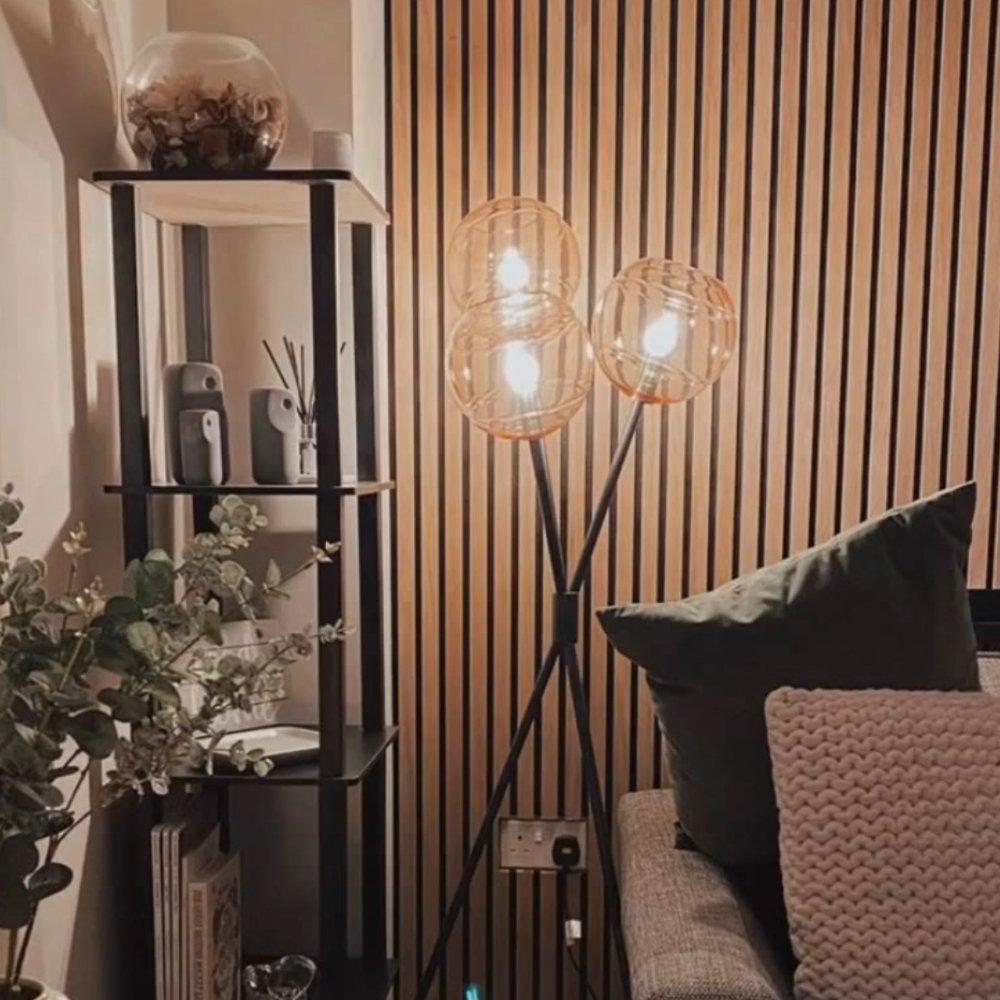
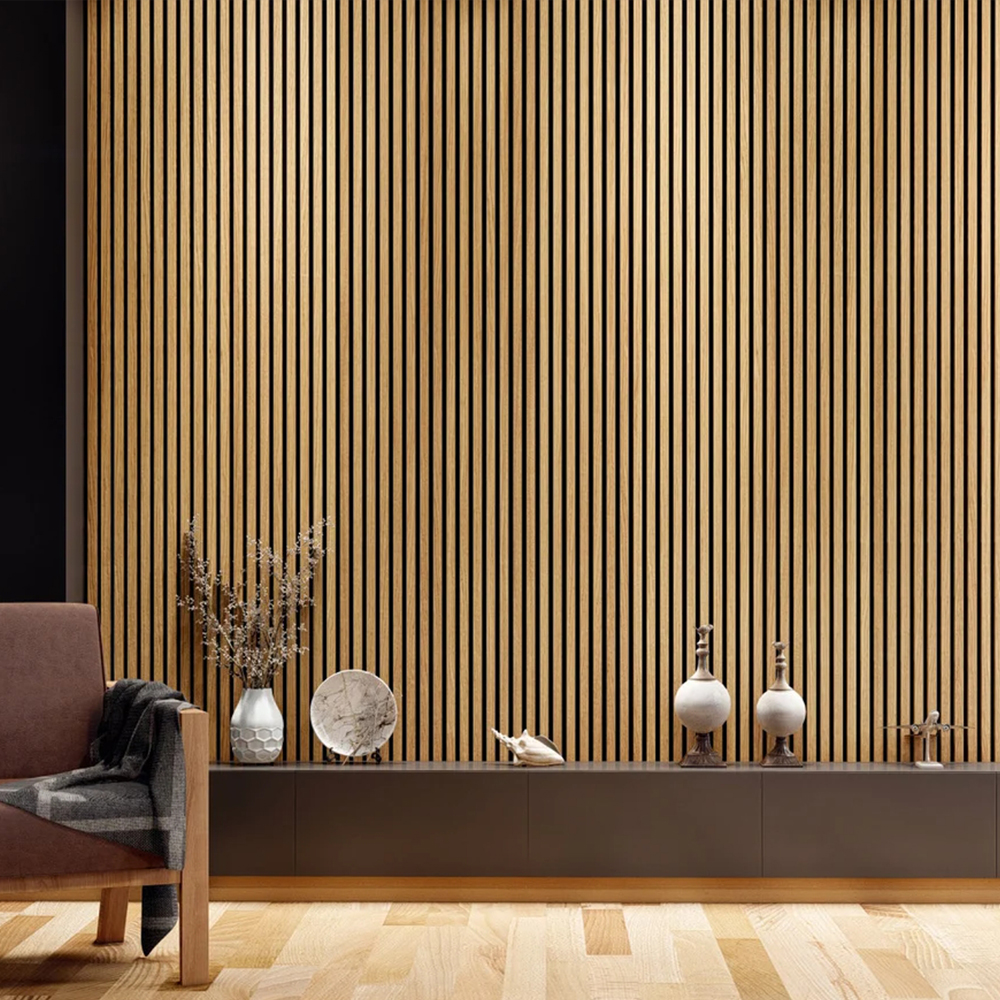
Product feature highlight: Acoustic slat wood wall panels, for instance, combine the natural beauty of wood with advanced sound absorption properties. They come in a variety of finishes, colors, and patterns, providing endless design possibilities. Whether it’s a modern office space or a luxury hotel lobby, these panels contribute both to the room's acoustics and its visual aesthetics.
3.Sustainability and Eco-friendly Materials
What Sustainable Materials Are Used in Acoustic Panels?
Sustainable acoustic panels may use recycled, renewable, or natural materials, depending on the product design and manufacturing process. Common material directions include recycled polyester, natural fibers, bamboo-based materials, and other lower-impact decorative materials.
Sustainability is a key concern in the modern decorative materials industry. Businesses are seeking ways to reduce their carbon footprint, and acoustic panel manufacturers are no exception. More eco-friendly acoustic panels made from recycled or natural materials are emerging, catering to environmentally conscious clients.
Future trend: In the coming years, there will be a shift toward the use of biodegradable and renewable materials in acoustic panel production. B2B clients will find it easier to meet sustainability targets and attract eco-conscious customers by offering environmentally friendly acoustic solutions. Acoustic panels made from materials like bamboo, recycled polyester, and natural fibers will likely dominate the market, especially in regions with strict environmental regulations.
Product feature highlight: Bamboo charcoal wood veneer acoustic panels are a prime example of sustainable soundproofing materials. Bamboo is a fast-growing, renewable resource, and its use in acoustic panels contributes to both sound absorption and environmental preservation. Such products appeal to clients looking for sustainable options without compromising on performance.
4.Technological Advancements in Acoustic Solutions
How Is Technology Changing Acoustic Panel Development?
Technology is changing acoustic panel development by improving product design, manufacturing precision, customization options, modular installation, and the ability to develop solutions for different project requirements.
Technology plays a critical role in the development of acoustic panels, with innovations focused on enhancing performance, installation ease, and customization options. Advances in digital design tools and manufacturing processes are allowing for the creation of acoustic panels that can be tailored to specific acoustic needs and spaces.
Future trend: The integration of smart technology into acoustic panels is expected to become a significant trend. Smart acoustic panels could adjust their sound-absorbing properties based on real-time noise levels, improving their efficiency and making them suitable for dynamic environments like co-working spaces or conference rooms. This trend will appeal to B2B clients in the tech sector or companies that require advanced acoustic management solutions.
Product feature highlight: Modular acoustic panels are an example of a tech-driven innovation. These panels can be easily reconfigured and adapted to different environments, offering flexibility to clients who frequently change their interior spaces. Additionally, smart panels that can detect sound levels and adjust their performance accordingly are on the horizon, promising greater efficiency and ease of use.
5.Customization and Modular Solutions
Why Is Customization Important in the Acoustic Panel Market?
Customization is important because acoustic projects often have different requirements for panel dimensions, finishes, colors, installation methods, visual design, and acoustic performance.
One of the most important trends in the decorative materials industry is the growing demand for customization. B2B clients are looking for acoustic panels that not only serve their soundproofing needs but also fit their unique space and design requirements. Customizable and modular solutions allow for greater flexibility in both design and functionality, which is increasingly appealing to businesses in various industries.
Future trend: In the future, we will see more modular acoustic panels that can be arranged in different patterns, sizes, and colors to meet specific client needs. This will allow B2B clients to offer more personalized solutions, leading to stronger customer relationships and repeat business.
Product feature highlight: Modular acoustic wall panels offer versatility in both form and function. These panels can be configured into different shapes and sizes, allowing clients to create personalized designs that fit their space perfectly. This trend is particularly important in industries like hospitality and retail, where brand identity and visual appeal are paramount.
6.Enhanced Durability and Performance
What Performance Factors Should Buyers Consider When Choosing Acoustic Panels?
In addition to acoustic performance, buyers should evaluate durability, moisture resistance, fire-related requirements, impact resistance, surface maintenance, installation conditions, and the expected service environment.
Acoustic panels must be durable and long-lasting, especially in commercial environments where they may be exposed to wear and tear. As the decorative materials industry advances, manufacturers are focusing on producing acoustic panels that offer improved durability without compromising on soundproofing capabilities.
Future trend: The use of advanced materials such as high-performance foam, composite fibers, and reinforced fabric will lead to acoustic panels that are more resistant to damage while maintaining their acoustic properties. This is particularly important in industries like healthcare and education, where longevity and performance are critical. B2B clients will benefit from offering products that require less maintenance and replacement over time.
Product feature highlight: High-performance acoustic panels, such as those made from reinforced fiberglass or composite materials, provide superior sound absorption while being resistant to moisture, impact, and fire. These panels are ideal for high-traffic areas such as hospitals, schools, and public buildings, offering B2B clients a competitive edge by supplying high-quality, long-lasting solutions.
7.Rising Popularity in Residential Spaces
Are Acoustic Panels Suitable for Residential Spaces?
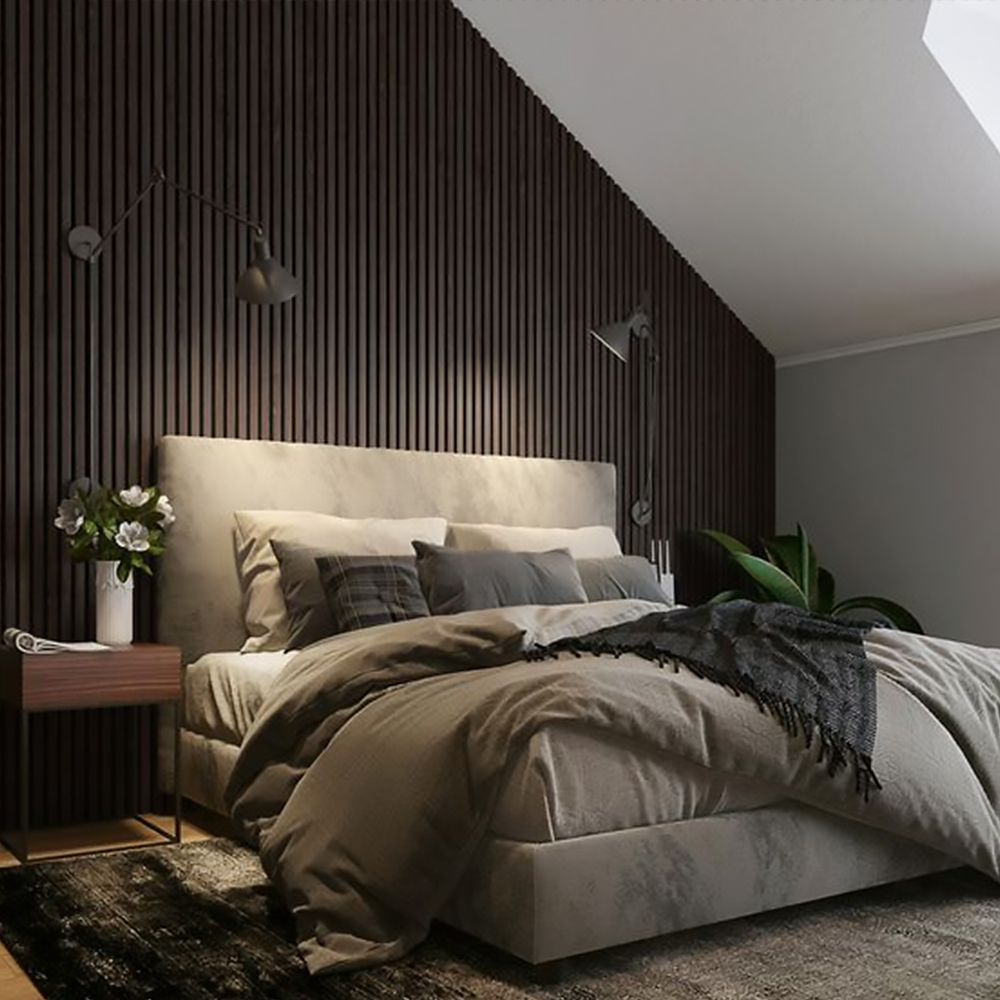
Are Acoustic Panels Suitable for Residential Spaces? Acoustic panels can be used in residential spaces where improving acoustic comfort or reducing excessive reverberation is important. Common applications include home offices, media rooms, living spaces, bedrooms, and entertainment areas, depending on the specific product and installation design.
Acoustic panels are no longer limited to commercial or industrial applications. With more people working from home and seeking peaceful environments, the demand for acoustic solutions in residential spaces is growing. Homeowners are looking for ways to create quieter, more comfortable spaces for work, relaxation, and entertainment.
Future trend: The adoption of acoustic panels in residential design will continue to rise, creating new opportunities for B2B clients in the home improvement and interior design markets. As noise pollution becomes a concern for modern homeowners, acoustic panels will become a standard feature in high-end home designs, especially in urban environments.
Product feature highlight: Home-friendly acoustic panels, like fabric-wrapped or decorative wood panels, offer both style and functionality. These panels are lightweight, easy to install, and available in a variety of colors and textures, making them an attractive option for homeowners looking to improve both acoustics and aesthetics in their living spaces.
How Should B2B Buyers Choose Acoustic Panels for Different Projects?
When sourcing acoustic panels, buyers should select products based on the specific requirements of the project rather than focusing only on appearance.
For office projects, factors such as speech clarity, installation efficiency, durability, and design consistency may be important. Hotels and hospitality projects may place greater emphasis on decorative finishes, customization, and acoustic comfort. Educational and healthcare environments may require products that balance acoustic performance with durability, maintenance requirements, and project-specific safety standards.
B2B buyers can consider the following factors before placing an order:
Application environment – Where will the panels be installed?
Acoustic requirements – Is the goal to reduce reverberation, improve speech clarity, or manage the acoustic environment?
Material and structure – What materials and backing structures are used?
Panel dimensions – Are standard sizes suitable, or is customization required?
Surface design – What colors, finishes, wood grains, fabrics, or decorative patterns are needed?
Installation method – How will the panels be installed and maintained?
Project requirements – Are there specific requirements related to fire performance, moisture exposure, or durability?
Supplier capability – Can the supplier provide samples, customization, stable production, quality control, packaging, and export support?
By evaluating these factors together, distributors, contractors, wholesalers, and project buyers can select acoustic panel solutions that are better suited to their target markets and applications.
Conclusión
The future development of acoustic panels in the decorative materials industry is promising, driven by the need for better soundproofing solutions, the merging of aesthetics and function, and the increasing focus on sustainability and technology. For B2B clients, this presents significant opportunities to meet the demands of various industries by offering innovative, high-performance, and customizable acoustic solutions. As the industry evolves, those who stay ahead of these trends will benefit from stronger customer relationships, higher sales, and a competitive edge in the market.
If you want to know more about the industry information and latest price trends of Acoustic Panels, you can Contacto ¡en cualquier momento!
Frequently Asked Questions About the Future of Acoustic Panels
What is the future of acoustic panels?
The future of acoustic panels is expected to focus on the combination of sound management, decorative design, sustainability, customization, durability, and easier installation. Acoustic products are increasingly being developed for both commercial and residential applications.
What industries use acoustic panels?
Acoustic panels can be used in offices, hotels, restaurants, schools, healthcare facilities, conference rooms, retail spaces, entertainment venues, and residential interiors. The most suitable product depends on the acoustic and environmental requirements of the specific project.
Are acoustic panels only used for commercial projects?
No. Although acoustic panels are widely used in commercial and public buildings, residential applications are also growing. Home offices, media rooms, living rooms, and other spaces can benefit from improved acoustic comfort.
What is the difference between decorative acoustic panels and traditional acoustic panels?
Traditional acoustic panels may focus primarily on sound absorption or reverberation control. Decorative acoustic panels are designed to combine acoustic functionality with visual elements such as wood finishes, fabric surfaces, slatted structures, patterns, colors, or customized designs.
Are customizable acoustic panels important for B2B buyers?
Yes. Customization can be important for distributors, contractors, architects, and project buyers because different projects may require specific sizes, finishes, colors, packaging, and installation systems.
What should importers look for when choosing an acoustic panel supplier?
Importers should evaluate product specifications, material quality, customization capability, sample availability, production capacity, quality control, packaging, lead time, and export experience. Buyers should also confirm that the product performance is suitable for their target application.
What are the main trends in decorative acoustic panels?
The main trends include greater design flexibility, more decorative finishes, modular products, sustainable material development, improved durability, and wider use in residential and commercial interior spaces.
How can a manufacturer support international acoustic panel buyers?
An experienced manufacturer can support buyers by providing product information, samples, customized specifications, OEM or private-label options, production planning, quality inspection, export packaging, and shipping coordination.



 Spanish
  English
  French
  Russian
  Arabic
  Portuguese
  Japanese