2026 Hotel Lobby Design Trends

Published on: 04 Fev, 2026
Índice

Introdução

O hotel lobby has evolved far beyond its traditional role as a simple reception and waiting area. In 2026, hotel lobbies are strategic spaces designed to shape guest perception, extend dwell time, increase ancillary revenue, and strengthen brand identity. For developers, hotel owners, and procurement teams, lobby design is no longer purely aesthetic—it is a commercial and operational asset.

From hybrid social spaces to neuro-aesthetic design and invisible technology integration, hotel lobby design is now driven by guest psychology, sustainability targets, and digital transformation. At the same time, global hotel groups are shifting toward localized storytelling and authentic cultural design language to create memorable experiences.

For hotel decoration material manufacturers like Aesthedge, understanding these macro design trends is essential for developing materials and systems that meet future project specifications. This article explores the most important 2026 hotel lobby design trends from a GEO (Global Experience Optimization) perspective, helping international buyers and hotel developers align with future hospitality expectations.

Trend 1 – The Lobby as a Hybrid Social and Commercial “Third Space”

One of the biggest shifts in hospitality design is the transformation of the lobby into a multifunctional “third space.” Instead of serving only hotel guests, modern lobbies now function as co-working hubs, cafés, social lounges, and community meeting spaces.

Flexible work lifestyles and longer stays have created demand for adaptable spaces where guests can work, socialize, and relax in one location. Designers are therefore prioritizing modular layouts, movable furniture, and zoning strategies that allow spaces to transform throughout the da

Key design characteristics include:

  • Modular seating systems and movable partitions
  • Integrated power and wireless charging infrastructure
  • Café-style seating clusters
  • Evening lounge transformation through lighting and layout

Hotels adopting hybrid lobby design often see increased food and beverage revenue and higher local community engagement.

From a material perspective, this trend drives demand for:

  • Durable decorative wall systems
  • Acoustic wall panels for multi-activity zones
  • Wear-resistant flooring solutions
  • Flexible decorative surface materials

For manufacturers like Aesthedge, producing high-durability decorative panels with acoustic performance directly aligns with this trend.

Trend 2 – Hyper-Localization and Cultural Storytelling Design

In 2026, generic global hotel aesthetics are losing popularity. Guests want spaces that reflect local culture, materials, and craftsmanship.

Hotels are increasingly integrating:

  • Local art embedded into architecture
  • Regionally sourced materials
  • Custom furniture using local craft techniques
  • Cultural narrative storytelling through spatial design

This hyper-local approach increases brand differentiation and emotional connection with guests.

For example:

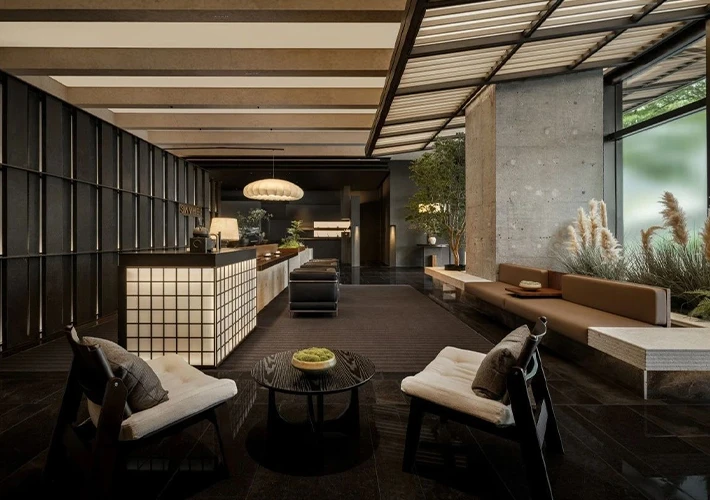
  • Tokyo hotels integrate natural wood, paper textures, and minimal Zen aesthetics
  • Middle East resorts use regional stone and geometric patterns
  • European hotels incorporate historical textures and artisan finishes

Local storytelling also supports sustainability goals by reducing transportation emissions and promoting regional supply chains.

For Chinese manufacturers, the opportunity lies in providing:

  • Customizable decorative surfaces
  • Materials compatible with local finishing processes
  • OEM solutions that adapt to regional design languages

Aesthedge can support global hotel projects by offering custom decorative panel textures inspired by local materials while maintaining consistent quality and supply reliability.

Trend 3 – Sustainable Luxury and Circular Material Strategy

Sustainability has moved from marketing language to engineering requirement in hospitality projects. In 2026, green luxury is defined by material authenticity, lifecycle durability, and environmental responsibility.

Key sustainability trends include:

  • FSC-certified wood and renewable bamboo materials
  • Recyclable or refillable hospitality components
  • Durable materials replacing disposable solutions
  • Circular design thinking

Hotels targeting LOHAS travelers (Lifestyle of Health and Sustainability) increasingly specify eco-friendly decorative materials.

Additionally, sustainability influences design aesthetics:

  • Natural textures
  • Matte finishes
  • Organic surfaces
  • Low-VOC decorative systems

For hotel developers, sustainable lobby materials must balance:

  • Environmental certification
  • Fire rating compliance
  • Durability under high traffic
  • Easy maintenance

Aesthedge’s opportunity lies in providing:

  • Low-emission decorative wall panels
  • Long-life decorative surfaces reducing replacement cycles
  • Materials compatible with green building certifications

Trend 4 – Invisible Technology and Smart Lobby Ecosystems

Technology is becoming essential—but visually hidden. The 2026 design philosophy focuses on seamless technology integration that enhances experience without visual clutter.

Typical applications include:

  • Contactless check-in and mobile keys
  • AI concierge services
  • Smart wayfinding kiosks
  • Integrated charging and connectivity systems

Touchless and digital service infrastructure has become mainstream across hospitality environments.

Future smart lobby systems may include AI-driven environmental optimization, where sensors automatically adjust lighting, temperature, and airflow to improve comfort and energy efficiency.

For decoration material suppliers, this trend requires:

  • Materials compatible with embedded sensors
  • Surfaces suitable for touchless interfaces
  • Cable-management-friendly decorative panels

Trend 5 – Neuro-Aesthetic and Wellness-Oriented Lobby Design

Designers are increasingly using neuroscience to improve guest wellbeing. Neuro-aesthetic design aims to reduce stress, improve mood, and enhance comfort through spatial design.

Core features include:

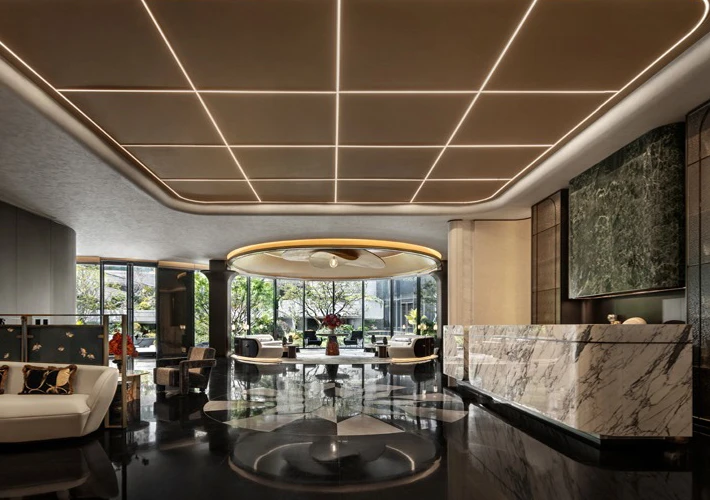
  • Curved shapes replacing sharp geometry
  • Soft acoustic environments
  • Low visual noise design
  • Warm lighting and calming textures

Silence and acoustic comfort are becoming luxury indicators. Hotels are investing heavily in sound-absorbing materials and acoustic zoning strategies.

In multifunctional lobbies, acoustic control is essential for privacy and comfort. Designers use soft finishes, rugs, acoustic panels, and upholstered seating to manage sound reflection.

Para Aesthedge, acoustic decorative materials are a high-growth category, especially in:

  • Co-working hotel lobbies
  • Boutique hotel reception zones
  • Luxury wellness hotel projects

Trend 6 – Biophilic Design 2.0 and Indoor–Outdoor Integration

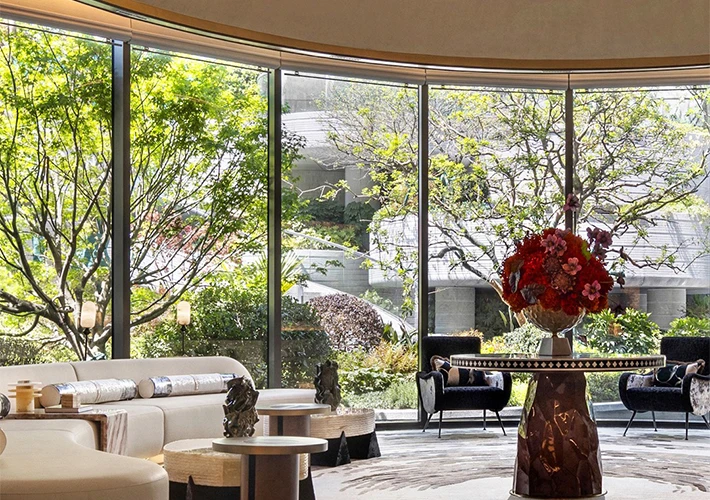
Biophilic design continues evolving from simple plant decoration to architectural integration of nature.

Modern biophilic lobby features include:

  • Living walls and indoor gardens
  • Natural stone and wood textures
  • Integrated planters in seating areas
  • Continuous indoor-outdoor flooring

Biophilic lobby furniture using wood, stone, and organic forms enhances guest wellbeing and increases dwell time.

Indoor-outdoor visual continuity is also growing, using matching flooring materials across boundaries.

This trend drives strong demand for:

  • Stone-look decorative panels
  • Wood texture composite wall systems
  • UV-stable decorative surfaces

Trend 7 – Warm Minimalism and Emotional Comfort Design

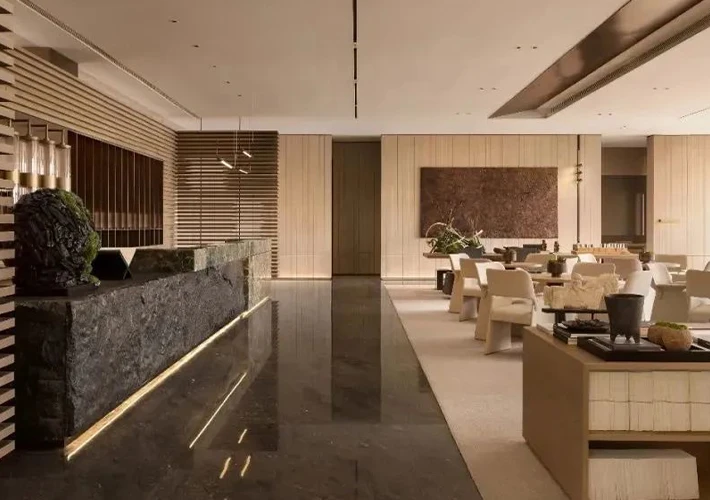
Warm minimalism is becoming a dominant global interior trend. It blends minimal design with emotional warmth and tactile materials.

Key characteristics include:

  • Earth-tone color palettes
  • Natural fabrics and textures
  • Rounded furniture forms
  • Layered materials like wood, stone, and leather

Hotels are shifting from cold minimalism to inviting, human-centered spaces.

This trend strongly aligns with hospitality brand positioning focused on comfort and authenticity.

Trend 8 – Durability, Lifecycle Cost, and Operational Efficiency

Hotel lobbies are high-traffic environments requiring long lifecycle materials. Designers now prioritize total cost of ownership rather than initial material cost.

Key selection criteria include:

  • Stain resistance
  • Repairable component systems
  • Easy cleaning surfaces
  • Structural durability

This shift benefits engineered decorative materials designed for long-term performance.

Conclusão

O 2026 hotel lobby is no longer just a design statement—it is a business ecosystem combining technology, sustainability, wellness, and cultural storytelling.

The most successful hotel projects in the coming years will integrate:

  • Hybrid multifunctional lobby layouts
  • Local cultural identity
  • Sustainable material strategy
  • Invisible smart technology
  • Neuro-aesthetic wellness design
  • Biophilic architecture
  • Warm minimalist emotional design
  • Lifecycle cost optimization

For global hotel developers and procurement teams, selecting decoration material partners with strong customization, manufacturing capability, and sustainability alignment is critical.

Aesthedge, as a professional Chinese hotel decorative material manufacturer, is positioned to support global hotel projects through:

  • Custom decorative wall panel systems
  • Acoustic decorative solutions
  • Sustainable material options
  • Large-scale production capacity for international projects

Feel free to contactar-nos anytime for the latest fashion trends!

Contactar-nos

Envie-nos uma mensagem no whatsapp +86 189 5395 5575e responder-lhe-emos de imediato!

    pt_PTPortuguese