Price of SPC Wall Panels Over the Past Five Years

Published on: 07 Jan, 2026
Índice

Introdução

Stone Plastic Composite (SPC) wall panels have become one of the fastest-growing interior wall decoration materials in the global construction and renovation industry. Known for their waterproof performance, durability, dimensional stability, and fast installation, SPC wall panels are now widely used in residential interiors, commercial buildings, hotels, hospitals, retail spaces, and modular construction projects.

Over the past five years, the global SPC wall panel market has experienced noticeable price fluctuations. These changes were driven by multiple factors, including raw material costs, global supply chain disruptions, energy prices, labor costs, and shifts in market demand. Understanding how SPC wall panel prices have evolved over time is critical for distributors, contractors, developers, and importers looking to optimize procurement strategies and control project costs.

This article provides a comprehensive analysis of SPC wall panel price trends over the past five years, covering historical pricing data, key cost drivers, regional price differences, product segmentation, and future price outlooks. It is designed as a long-form SEO resource for international B2B buyers and industry professionals.

What Are SPC Wall Panels? Market Overview

1.1 Definition of SPC Wall Panels

SPC wall panels, short for Stone Plastic Composite wall panels, are rigid decorative panels made primarily from limestone powder, PVC resin, and stabilizers. Unlike traditional PVC wall panels, SPC panels contain a much higher percentage of stone powder, which gives them superior rigidity, impact resistance, and dimensional stability.

Typical SPC wall panel structures include:

  • SPC core layer (stone powder + PVC)
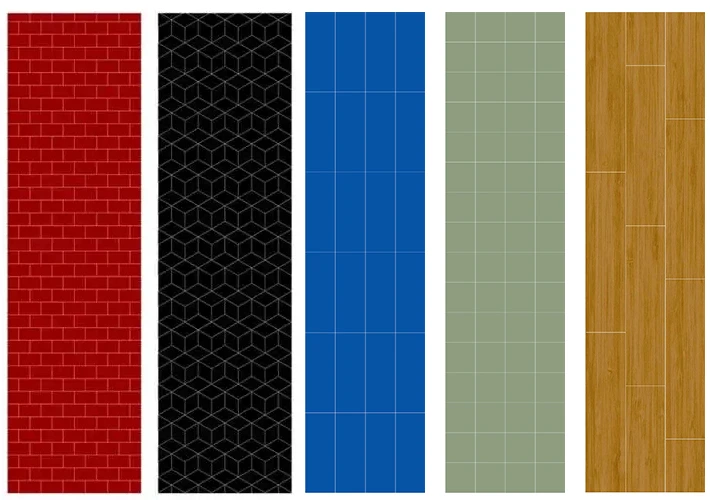
  • Decorative film layer (wood grain, marble, concrete, or custom patterns)
  • Wear-resistant or UV coating layer

Due to their structure, SPC wall panels do not expand or contract easily under temperature changes and perform exceptionally well in high-humidity environments.

1.2 Global Market Growth in the Last Five Years

Between 2019 and 2024, the global demand for SPC wall panels increased significantly. Growth was driven by:

  • Rising renovation activity worldwide
  • Increased demand for waterproof wall solutions
  • Labor cost pressure encouraging faster installation materials
  • Growth of hotels, commercial spaces, and prefabricated buildings

As demand expanded, pricing evolved in response to both market growth and external disruptions.

SPC Wall Panel Price Trends (2019–2024)

2.1 2019–2020: Stable Prices with Gradual Growth

In 2019 and early 2020, SPC wall panel prices remained relatively stable. Raw material supply was consistent, international logistics functioned normally, and manufacturing costs were predictable.

During this period, average export prices for standard SPC wall panels ranged from:

  • USD 5–9 per square meter (factory export price, depending on thickness and surface)

Demand was growing steadily, but supply capacity—especially in Asia—was sufficient to meet market needs.

2.2 2020–2022: Price Increase During Global Supply Chain Disruptions

The COVID-19 pandemic caused unprecedented disruptions to global manufacturing and logistics. SPC wall panel prices rose sharply during this period due to:

  • PVC resin shortages
  • Rising limestone and additive costs
  • Factory shutdowns and labor shortages
  • Container shortages and high ocean freight rates
  • Energy price spikes

From late 2020 through 2022, average SPC wall panel prices increased to:

  • USD 9–15 per square meter

In some regions and for premium designs, prices rose even higher. Freight costs became a major pricing factor, sometimes exceeding product cost itself.

2.3 2022–2024: Price Stabilization and Market Adjustment

From 2022 onward, global supply chains gradually recovered. Container availability improved, raw material supply normalized, and production capacity expanded.

As a result, SPC wall panel prices stabilized within a narrower range:

  • USD 8–13 per square meter

Technological improvements, including automated extrusion lines and more efficient formulations, helped manufacturers control costs and reduce price volatility.

Key Factors Affecting SPC Wall Panel Prices

3.1 Raw Material Costs

SPC wall panels rely heavily on:

  • PVC resin, which is linked to crude oil prices
  • Limestone powder, affected by mining regulations and transport costs

PVC price volatility remains one of the most influential cost drivers in SPC production.

3.2 Energy and Labor Costs

Electricity, natural gas, and labor costs directly impact SPC wall panel manufacturing. Energy price fluctuations—especially during global crises—significantly affect factory operating expenses.

3.3 Logistics and Transportation

International freight costs became a dominant pricing factor during 2020–2022. Even after normalization, shipping costs remain higher than pre-pandemic levels, influencing landed prices for overseas buyers.

3.4 Technology and Automation

Manufacturers that invested in:

  • Automated extrusion systems
  • Advanced mixing technology
  • Waste reduction processes

were better able to stabilize prices and maintain consistent quality.

Regional Price Differences

4.1 Asia (China-Centered Supply Chain)

Asia, particularly China, is the world’s largest SPC wall panel manufacturing hub. High production capacity, mature supply chains, and skilled labor provide strong cost advantages.

Factory prices in Asia are typically the most competitive globally.

4.2 North America and Europe

SPC wall panel prices in these regions are generally higher due to:

  • Import duties
  • Higher labor costs
  • Strict certification requirements
  • Distribution and warehousing expenses

However, demand for certified, high-performance SPC panels remains strong.

4.3 Middle East, Africa, and Latin America

These markets are more price-sensitive and often rely on imported SPC wall panels. Final pricing is heavily influenced by:

  • Shipping distance
  • Local taxes and tariffs
  • Currency fluctuations

SPC Wall Panel Price Segmentation

5.1 By Product Grade

  • Standard SPC wall panels: USD 8–12/m²
  • Mid-range decorative panels: USD 12–20/m²
  • Premium SPC wall panels (UV-coated, 3D texture): USD 20–40/m²

5.2 By Thickness

Common thicknesses include:

  • 6–7 mm: entry-level pricing
  • 8–9 mm: balanced cost-performance
  • 10–12 mm: higher durability and price

Thicker panels generally command higher prices due to material consumption and performance advantages.

5.3 By Certification and Compliance

SPC wall panels with:

  • CE certification
  • Fire resistance ratings
  • Low VOC or eco-certifications

typically carry a price premium, especially in regulated markets.

Procurement Strategies Based on Price Trends

6.1 Long-Term Contracts

Locking in long-term supply agreements can help stabilize costs and reduce exposure to market fluctuations.

6.2 Bulk Purchasing

Larger order volumes significantly reduce unit costs by optimizing production and logistics efficiency.

6.3 Supplier Evaluation

Price should be balanced with:

  • Quality consistency
  • Production capacity
  • Technical support
  • After-sales service

Future Price Outlook

Looking ahead, SPC wall panel prices are expected to:

  • Remain relatively stable
  • Experience moderate fluctuations tied to PVC and energy prices
  • Show price differentiation between low-end and high-performance products

Sustainability requirements and customization trends may drive premium product pricing.

Conclusão

Over the past five years, SPC wall panel prices have evolved through stability, sharp increases, and eventual normalization. These changes reflect broader global trends in raw materials, logistics, and construction demand.

For international buyers, understanding historical price movements is essential for effective budgeting, supplier selection, and long-term procurement planning. As SPC wall panels continue to gain market share worldwide, informed pricing strategies will remain a key competitive advantage.

Contactar-nos

Envie-nos uma mensagem no whatsapp +86 189 5395 5575e responder-lhe-emos de imediato!

    pt_PTPortuguese