Painéis Murais SPC vs. Painéis Murais Tradicionais

Publicado em: 05 Dez, 2024
Índice

In today’s interior decoration and construction industry, wall panels are no longer chosen only for appearance. Buyers, developers, and contractors now place equal importance on durability, moisture resistance, lifecycle cost, installation efficiency, and environmental performance. Against this backdrop, Painéis de parede SPC (Pedra Plástica Composta) are increasingly replacing traditional wall panels in residential, commercial, and public projects.

This article expands on the original comparison by adding optimized structure and deeper analysis, helping global buyers clearly understand how SPC wall panels compare with traditional wall panel materials in real-world applications.

Understanding SPC Wall Panels and Traditional Wall Panels

What Are SPC Wall Panels?

SPC wall panels are manufactured from a composite blend of natural limestone powder, PVC resin, and stabilizers. This formulation creates a rigid core structure with outstanding dimensional stability. Unlike many conventional wall materials, SPC panels maintain their shape even under temperature fluctuations and high humidity.

Core characteristics of SPC wall panels include:

  • High structural rigidity
  • Excellent waterproof and moisture resistance
  • Strong impact and scratch resistance
  • Consistent surface finish with modern decorative films

What Are Traditional Wall Panels?

Traditional wall panels cover a wide range of materials, including solid wood panels, gypsum boards, plywood, MDF, and laminated boards. These products have long been used due to familiarity, local availability, and relatively low upfront costs.

However, traditional panels often rely heavily on the natural properties of the base material, making performance inconsistent across different environments.

Material Composition and Long-Term Durability Comparison

SPC Wall Panels: Built for Stability

Thanks to their stone-plastic composite structure, SPC wall panels resist common problems such as:

  • Warping caused by humidity
  • Cracking due to temperature changes
  • Swelling from water absorption

In properly installed conditions, SPC wall panels typically achieve a service life exceeding 20 years, even in moisture-prone environments such as bathrooms and kitchens.

Traditional Wall Panels: Material-Dependent Performance

Durability of traditional wall panels varies widely:

  • Solid wood panels offer strength but are highly sensitive to moisture.
  • Gypsum boards perform well in dry interiors but deteriorate quickly in damp areas.
  • MDF and plywood are affordable but vulnerable to swelling, mold, and insect damage.

Average lifespan for traditional wall panels ranges from 10 to 15 years, often requiring periodic repair or replacement.

Installation Efficiency and Maintenance Requirements

SPC Wall Panels: Faster and Cleaner Installation

SPC wall panels are designed with click-lock systems or adhesive backing, significantly reducing installation time. Many projects benefit from:

  • Reduced labor costs
  • Minimal on-site cutting
  • Clean installation without wet trades

Maintenance is equally simple. SPC panels only require routine wiping with a damp cloth, with no need for repainting or sealing.

Traditional Wall Panels: Labor-Intensive Processes

Traditional panels often require:

  • Skilled carpentry or drywall finishing
  • Surface treatments such as painting or varnishing
  • Ongoing maintenance, especially for wood-based panels

Over time, maintenance costs can exceed the original material cost.

Design Flexibility and Visual Performance

SPC Wall Panels: Consistent and Modern Aesthetics

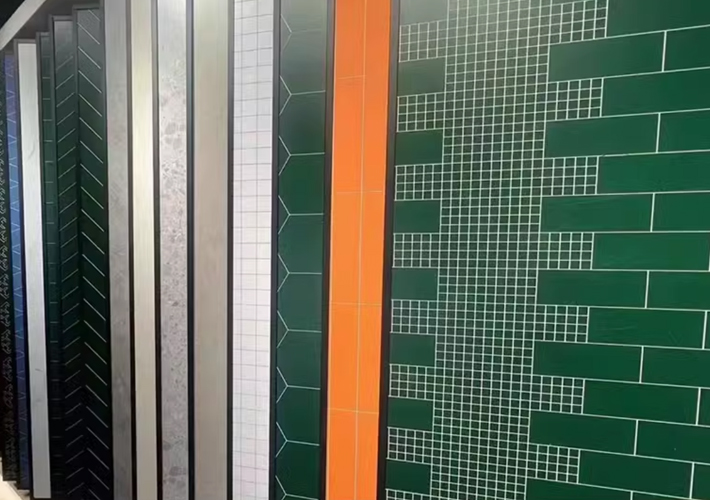
Modern SPC wall panels are available in a wide range of decorative finishes, including:

  • Wood grain textures
  • Marble and stone patterns
  • Concrete and minimalist styles

Advanced surface technologies ensure uniform color, texture consistency, and repeatability, which is particularly important for large-scale commercial projects.

Traditional Wall Panels: Natural but Inconsistent

While wood panels offer natural charm, variations in grain, color, and aging are unavoidable. Gypsum boards provide a neutral look but require additional finishing to achieve decorative appeal.

Customization often increases project complexity and cost.

Cost Analysis: Initial Investment vs Lifecycle Cost

SPC Wall Panels: Higher Value Over Time

Although SPC wall panels may have a slightly higher upfront cost than gypsum boards or MDF, they deliver:

  • Lower maintenance expenses
  • Longer replacement cycles
  • Reduced repair costs

This makes SPC panels highly attractive for long-term investments such as hotels, apartments, offices, and retail chains.

Traditional Wall Panels: Lower Entry, Higher Maintenance

Traditional panels may appear cost-effective initially, but frequent refinishing, moisture damage, and shorter lifespan increase total ownership costs over time.

Environmental Performance and Sustainability Considerations

SPC Wall Panels: Eco-Friendly Manufacturing

SPC wall panels are increasingly produced using:

  • Low-emission PVC formulations
  • Recyclable materials
  • Energy-efficient manufacturing processes

Their long lifespan also reduces material waste over time.

Traditional Wall Panels: Resource-Dependent Impact

Wood-based panels contribute to deforestation if not responsibly sourced. Composite boards like MDF often contain adhesives that limit recyclability and increase VOC emissions.

Application Scenarios Across Residential and Commercial Spaces

Where SPC Wall Panels Perform Best

SPC wall panels are widely used in:

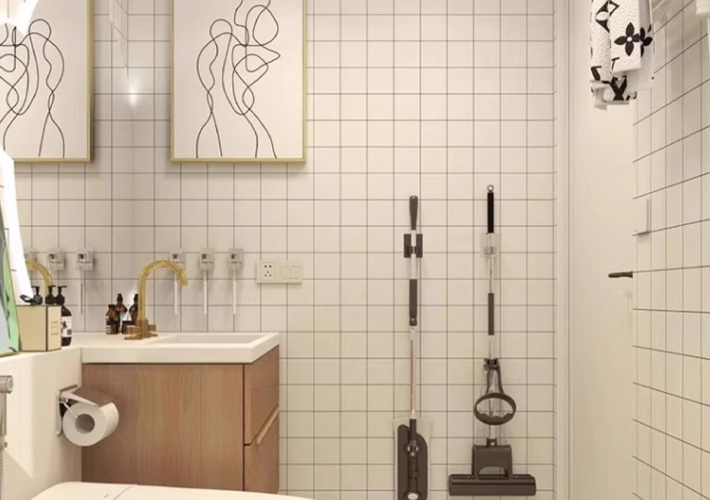
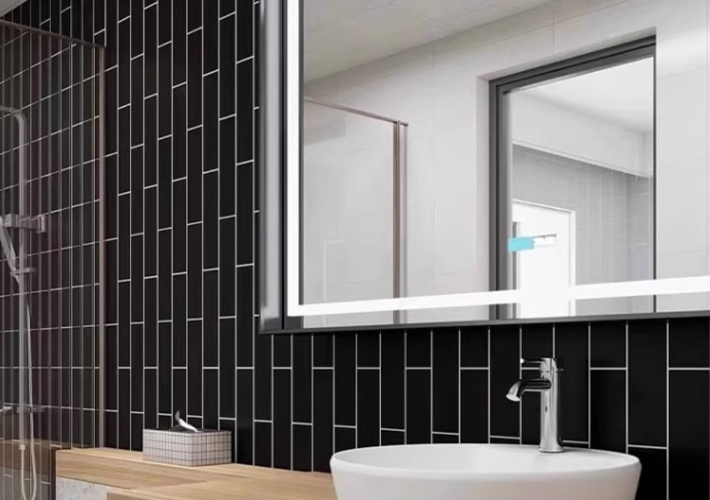
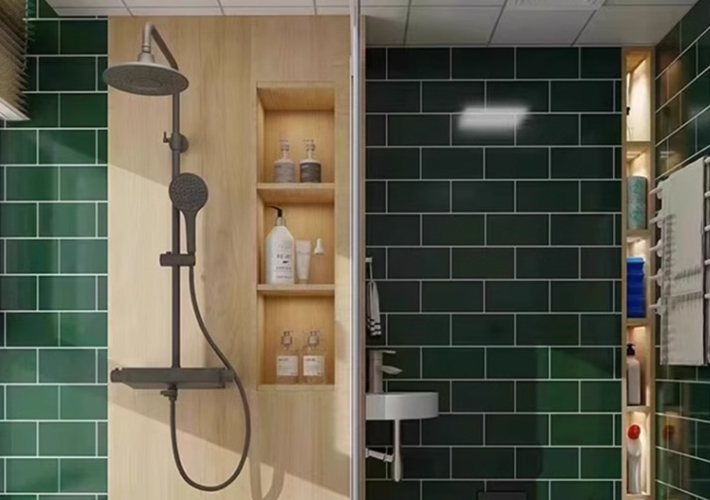
  • Residential interiors (living rooms, kitchens, bathrooms)
  • Commercial spaces (hotels, offices, shopping centers)
  • Public buildings (schools, hospitals, corridors)

Their waterproof and impact-resistant properties make them especially suitable for high-traffic and high-humidity areas.

Suitable Uses for Traditional Wall Panels

Traditional panels remain relevant in:

  • Dry residential spaces
  • Decorative feature walls
  • Projects prioritizing natural materials over performance

However, application scope is more limited compared to SPC solutions.

Pros and Cons Summary for Buyers

Painéis Murais SPC

Vantagens:

  • Excellent moisture and impact resistance
  • Long service life
  • Easy installation and low maintenance
  • Stable and consistent appearance

Limitations:

  • Slightly higher initial cost
  • Dependence on reliable manufacturers for quality consistency

Painéis murais tradicionais

Vantagens:

  • Familiar materials
  • Lower initial purchase price
  • Natural aesthetics (wood)

Limitations:

  • Susceptible to moisture and pests
  • Higher long-term maintenance
  • Tempo de vida mais curto

Conclusion: Choosing the Right Wall Panel Solution

For modern construction and renovation projects, SPC wall panels represent a future-oriented wall solution that balances performance, aesthetics, and cost efficiency. While traditional wall panels still have niche applications, SPC panels offer superior durability, environmental performance, and long-term value.

For global buyers seeking reliable, low-maintenance wall systems suitable for diverse climates and applications, SPC wall panels are increasingly becoming the preferred choice.

Se pretender obter mais informações sobre o produto, pode contactar-nos em qualquer altura!

Contactar-nos

Envie-nos uma mensagem no whatsapp +86 189 5395 5575e responder-lhe-emos de imediato!

    pt_PTPortuguese