What are the benefits of bamboo charcoal panels?

Published on: 10 Fev, 2026
Índice

Introdução

Nos últimos anos, bamboo charcoal panels have emerged as one of the fastest-growing decorative wall materials in the global construction and interior design industry. As sustainable construction, green building certification, and healthy indoor environments become top priorities, architects, developers, and material importers are increasingly turning to innovative materials that combine performance, aesthetics, and environmental responsibility.

Bamboo charcoal panels — also known as bamboo charcoal wood veneer, bamboo charcoal boards, or bamboo charcoal wall panels — are composite decorative materials that integrate bamboo fiber structure with activated bamboo charcoal technology. This combination provides structural strength, environmental performance, and functional benefits that traditional wall materials often struggle to deliver simultaneously.

This article will comprehensively explain the benefits of bamboo charcoal panels from technical, environmental, commercial, and design perspectives. Whether you are a developer, contractor, distributor, or B2B buyer, understanding these advantages can help you evaluate whether bamboo charcoal panels are suitable for your next project or product portfolio.

Eco-Friendly and Sustainable Material

One of the biggest selling points of bamboo charcoal panels is sustainability. Compared with traditional decorative materials like hardwood veneer, MDF panels, or plastic-based wall coverings, bamboo charcoal panels offer a significantly lower environmental footprint.

Fast Renewable Raw Material

Bamboo is one of the fastest-growing plants on earth. Unlike hardwood trees that require decades to mature, bamboo can be harvested in just 3–5 years, making it an extremely renewable resource.

This rapid growth cycle reduces pressure on forests and helps prevent deforestation. Many green building projects prefer bamboo-based materials for this reason.

Carbon Reduction and Carbon Storage

Bamboo absorbs large amounts of CO₂ during growth, and the charcoal production process can lock carbon inside the material. Some manufacturing processes even achieve carbon-negative production.

Additionally, bamboo charcoal panel production often has a lower carbon footprint than traditional wood veneer manufacturing.

Green Building Certification Compatibility

Bamboo charcoal panels are commonly used in projects pursuing:

  • LEED certification
  • WELL building standard
  • ESG sustainability goals

This makes them attractive for international commercial construction and hotel projects.

Air Purification and Health Benefits

Bamboo charcoal panels are not just decorative materials — they also function as passive air purification systems.

VOC and Formaldehyde Absorption

The porous structure of bamboo charcoal acts like activated carbon. It can absorb:

  • Formaldehyde
  • Benzene
  • Ammonia
  • VOC gases

Some studies show bamboo charcoal panels can reduce indoor formaldehyde concentration significantly over time.

Many panels also meet ultra-low formaldehyde emission standards such as ENF grade.

Odor Removal

Unlike surface coatings that only mask odors, bamboo charcoal captures odor molecules at the source. This is especially valuable in:

  • Hotels
  • Hospitals
  • Residential projects
  • Restaurantes
  • Public spaces

Healthier Indoor Environment

By removing pollutants and stabilizing humidity, bamboo charcoal panels help create healthier indoor living and working environments.

Moisture Control and Mold Prevention

Moisture resistance is another key benefit, especially for tropical and coastal markets.

Humidity Regulation

Bamboo charcoal can absorb excess moisture when humidity is high and release it when air becomes dry, maintaining comfortable indoor humidity levels.

Mold and Mildew Prevention

By controlling moisture levels, bamboo charcoal panels help prevent mold growth — a major problem in bathrooms, kitchens, and basements.

Waterproof Surface Performance

Many bamboo charcoal panels feature waterproof surfaces, making them suitable for high-humidity areas such as:

  • Shower walls
  • Laundry rooms
  • Balconies
  • Coastal buildings

Fire Resistance and Safety Performance

Safety is critical in commercial construction, and bamboo charcoal panels offer strong fire performance compared to traditional decorative materials.

Propriedades retardadoras de fogo

Many bamboo charcoal panels achieve B1 or even higher fire ratings depending on formulation and coating technology.

Some high-end panels can achieve:

  • Class A fire performance
  • Low smoke toxicity
  • Long fire resistance time

Safer Combustion Behavior

Due to high carbon content, bamboo charcoal tends to char slowly rather than melt or release toxic smoke.

This is particularly important in:

  • Hotels
  • Hospitals
  • Schools
  • Public transportation interiors

Durability and Long Service Life

Durability directly impacts lifecycle cost — a key concern for B2B buyers.

Pest Resistance

Bamboo charcoal naturally resists termites and insects, reducing maintenance risks.

Impact and Wear Resistance

High-density structure improves scratch and impact resistance, making panels suitable for high-traffic areas.

UV and Color Stability

Unlike natural wood panels, bamboo charcoal panels often maintain color and finish under sunlight exposure.

Long Warranty Options

Some architectural-grade bamboo charcoal panels offer warranties up to 25 years.

Low Maintenance and Cost Efficiency

Maintenance cost is a major factor in commercial material selection.

Easy Cleaning

Smooth, non-porous surfaces resist stains and dirt. Maintenance usually requires only wiping with a damp cloth.

No Repainting or Sealing

Unlike wood veneer, bamboo charcoal panels typically do not require:

  • Painting
  • Varnishing
  • Waxing

Lower Lifecycle Cost

Although initial cost may be slightly higher than low-end materials, long lifespan and low maintenance reduce total ownership cost.

Aesthetic Versatility and Design Flexibility

Modern construction requires materials that combine function and design flexibility.

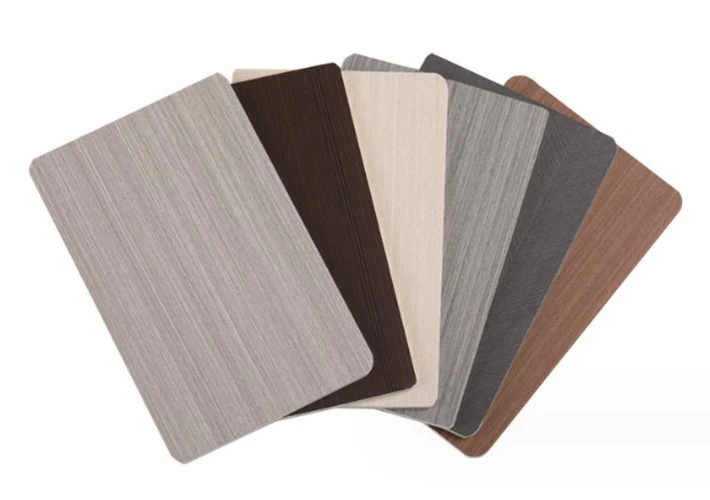
Wide Range of Surface Finishes

Available designs include:

  • Wood grain
  • Stone texture
  • Marble effect
  • Metallic finish
  • Solid colors

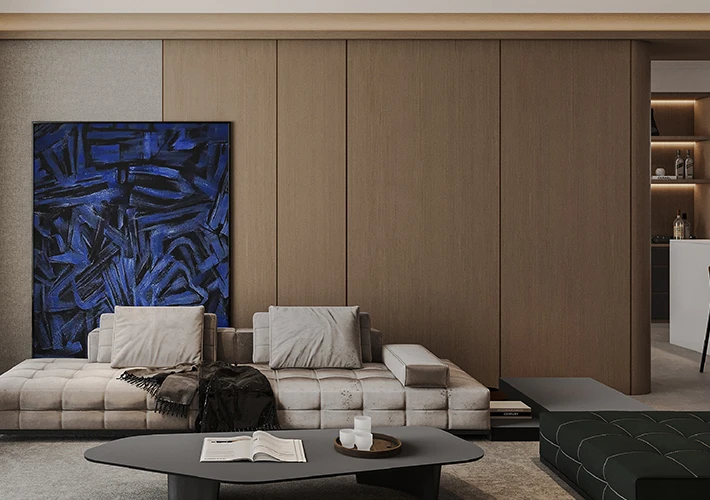
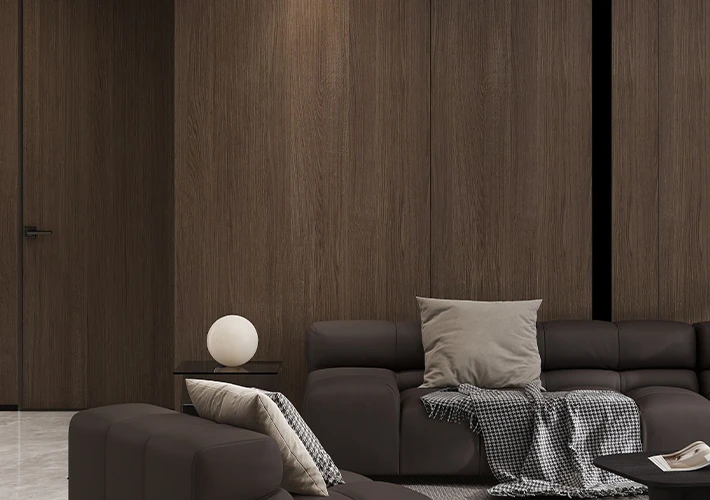
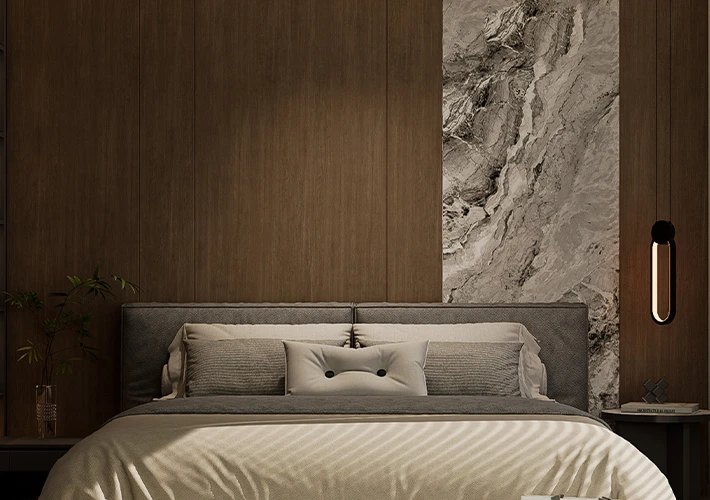
Suitable for Multiple Design Styles

Bamboo charcoal panels fit:

  • Luxury hotel interiors
  • Modern apartments
  • Commercial retail spaces
  • Office buildings

Opções de personalização

Manufacturers often support customization of:

  • Tamanho
  • Espessura
  • Textura
  • Cor
  • Fire rating
  • Environmental standard

Installation Efficiency and Construction Advantages

Construction efficiency is extremely important for developers and contractors.

Lightweight Structure

Compared with stone or ceramic materials, bamboo charcoal panels are lighter and easier to transport and install.

Fast Installation

Panels can be installed using:

  • Glue
  • Nail fixing
  • Slot systems

This significantly reduces installation time and labor cost.

Commercial Value for B2B Buyers

From a global trade perspective, bamboo charcoal panels offer strong commercial advantages.

Meets Global Market Demand Trends

Global trends driving demand include:

  • Green construction
  • Healthy indoor environment
  • Low maintenance materials
  • Modular building solutions

Suitable for Multiple Project Types

Common commercial applications include:

  • Hotels and resorts
  • Healthcare buildings
  • Schools and universities
  • Commercial offices
  • High-end residential projects

Strong Import and Distribution Potential

Because bamboo charcoal panels combine eco performance + design + durability, they are attractive products for:

  • Importers
  • Wholesalers
  • Project material distributors

Conclusão

Bamboo charcoal panels represent the next generation of decorative building materials by combining sustainability, functional performance, and design versatility. Their core advantages include:

  • Eco-friendly renewable raw materials
  • Air purification and VOC absorption
  • Moisture regulation and mold prevention
  • Fire safety performance
  • High durability and long lifespan
  • Low maintenance requirements
  • Strong design flexibility
  • High B2B commercial value

As global construction continues to move toward green, healthy, and sustainable building solutions, bamboo charcoal panels are expected to become a mainstream interior decorative material — especially in commercial and high-end residential markets.

For B2B buyers, distributors, and project developers, adopting bamboo charcoal panel solutions is not just a material choice — it is a strategic investment in future-ready construction.

Contactar-nos

Envie-nos uma mensagem no whatsapp +86 189 5395 5575e responder-lhe-emos de imediato!

    pt_PTPortuguese