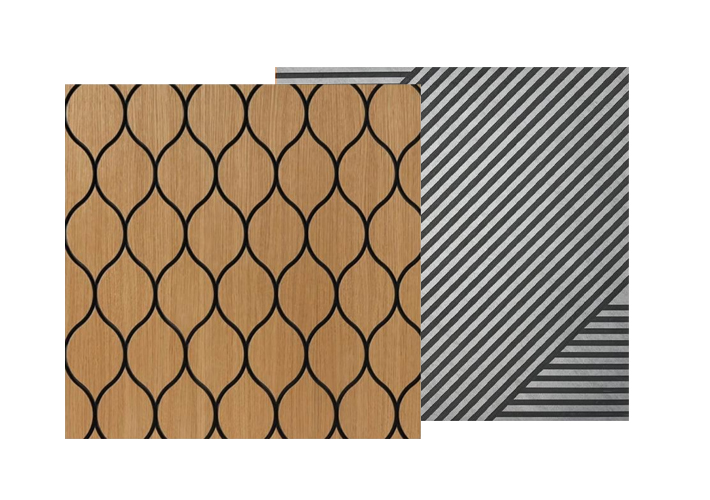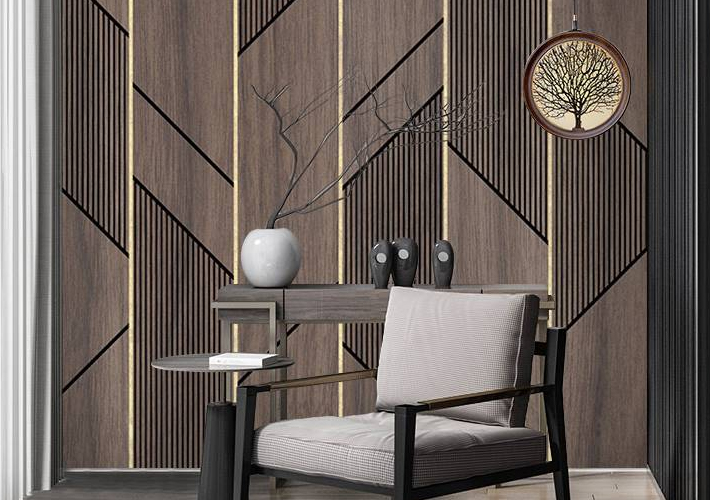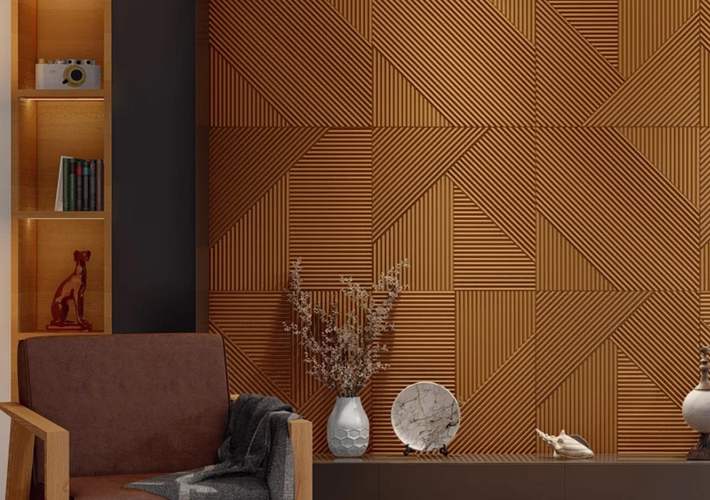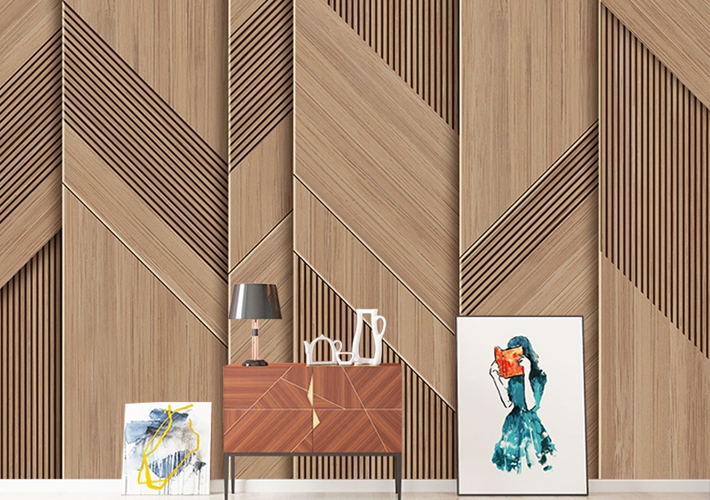
In modern interior design, DIY 3D wall panels have emerged as an innovative and cost-effective solution to enhance aesthetics and functionality. These panels transform plain walls into stylish and textured surfaces, offering a unique way to elevate home and commercial interiors. Their increasing popularity is driven by affordability, easy installation, and eco-friendly options.
This article explores the advantages, materials, installation methods, and various applications of DIY 3D wall panels to help homeowners, designers, and businesses make informed choices.

DIY 3D wall panels are decorative wall covering products designed to add three-dimensional texture, depth, and visual interest to interior surfaces without requiring complex professional installation. Depending on the product, they can be manufactured from PVC, PU foam, bamboo fiber, MDF, or other composite materials.
The main difference between 3D wall panels and conventional flat wall coverings is their raised or recessed surface pattern. Instead of relying only on paint or printed graphics, 3D panels create a physical texture that can enhance light, shadow, and architectural detail.
For homeowners and commercial buyers, DIY 3D wall panels are particularly attractive because they combine decorative performance with relatively simple installation. Many products can be installed using adhesive, nails, or other basic fixing methods, making them suitable for feature walls, bedrooms, living rooms, offices, retail spaces, hotels, restaurants, and exhibition areas.
In simple terms, DIY 3D wall panels are lightweight decorative panels that create a textured wall effect while reducing the installation complexity associated with traditional materials such as brick, stone, or ceramic tile.
1.Aesthetic Appeal and Modern Design
One of the main reasons for the growing popularity of 3D wall panels is their ability to create an elegant and visually engaging environment. Unlike flat painted walls, these panels introduce texture and depth, making spaces look more luxurious and dynamic.
2.Easy DIY Installation
DIY 3D wall panels are designed for quick and hassle-free installation, making them ideal for both homeowners and professional designers.
3.Cost-Effective Alternative to Traditional Wall Materials
3D wall panels provide the same luxurious feel as high-end materials at a fraction of the cost.
| Material Comparison | Approximate Cost per m² | Долговечность | Техническое обслуживание |
|---|---|---|---|
| 3D Wall Panels | $5 - $25 | Высокий | Низкий |
| Керамическая плитка | $20 - $50 | Высокий | Умеренный |
| Real Brick | $40 - $80 | Very High | Высокий |
| Wood Panels | $30 - $100 | Умеренный | Высокий |
By choosing 3D wall panels, users save money on materials, installation labor, and maintenance costs.
4.Lightweight Yet Durable
Most 3D wall panels are made from lightweight yet sturdy materials such as:
Since these panels are lighter than materials like ceramic tiles or real brick, they are easier to handle and do not put excessive stress on walls.
5.Environmental Benefits
Many DIY 3D wall panels are designed with sustainability in mind:

6.Soundproofing and Acoustic Benefits
3D wall panels are often used in home theaters, recording studios, and offices for noise control. Their textured surfaces help absorb and diffuse sound waves, reducing echo and noise pollution.
7.Water and Moisture Resistance
Certain materials, such as PVC and polyurethane foam, are completely waterproof, making them ideal for humid environments like:
Unlike wallpaper or painted walls, these panels do not peel, bubble, or warp due to moisture exposure.
8.Low Maintenance and Long Lifespan
3D wall panels require minimal upkeep. Unlike traditional wall treatments, they do not fade, crack, or require frequent repainting. Cleaning is as simple as wiping with a damp cloth or mild detergent.
9.Versatility and Customization
These panels can be applied to:
Some advanced designs allow interlocking panels, making it easy to create seamless, professional-looking surfaces.
The best 3D wall panel material depends on the installation environment, required appearance, moisture exposure, durability requirements, and budget.
PVC 3D wall panels are a practical choice for areas where moisture resistance and easy maintenance are important. They are commonly considered for kitchens, bathrooms, commercial interiors, and other areas where occasional water exposure may occur.
PU foam 3D wall panels are lightweight and easy to handle. Their relatively low weight makes them suitable for decorative feature walls, TV backgrounds, bedrooms, and creative interior projects where installation flexibility is important.
Bamboo fiber wall panels are often selected by buyers who prioritize natural-looking decorative surfaces and material-related sustainability considerations. They can provide a warm visual appearance while maintaining the textured effect associated with 3D wall design.
MDF 3D wall panels can provide a wood-like appearance and are suitable for interior spaces where a more traditional or furniture-inspired aesthetic is preferred. However, MDF should generally be evaluated carefully for moisture exposure because its performance depends strongly on its construction and surface treatment.
| Материал | Main Advantage | Suitable Applications |
|---|---|---|
| PVC | Moisture resistance and easy maintenance | Kitchens, bathrooms, commercial walls |
| PU Foam | Lightweight and easy to install | Feature walls, bedrooms, TV walls |
| Bamboo Fiber | Natural appearance and decorative appeal | Residential and hospitality interiors |
| MDF | Wood-like appearance | Offices, bedrooms, furniture-style interiors |
For buyers choosing 3D wall panels, the material should be selected based on the actual installation environment rather than appearance alone.

1.Home Decoration
DIY 3D wall panels enhance residential interiors with stylish aesthetics.
2.Commercial and Office Spaces
Businesses use 3D wall panels to create a professional and inviting environment.
3.TV and Entertainment Wall Panels
Installing 3D wall panels behind TVs creates a sophisticated media backdrop. Some designs include LED light integration for a modern touch.
4.Bathroom and Kitchen Backsplashes
Water-resistant 3D wall panels protect against splashes and stains while adding decorative value. PVC and PU panels are especially suited for these spaces.
5.DIY Craft and Artistic Projects
Many DIY enthusiasts use these panels for creative projects like:
6.Event and Exhibition Booths
Для trade shows and special events, lightweight 3D wall panels provide an easy-to-install decorative solution that enhances branding and visual appeal.
Although installation methods vary by product, most DIY 3D wall panels follow a relatively simple installation process.
Step 1: Prepare the wall.
Make sure the wall surface is clean, dry, smooth, and free from dust, grease, or loose paint. Uneven surfaces may affect adhesion and the final appearance.
Step 2: Measure the installation area.
Measure the height and width of the wall and calculate the required panel quantity. It is recommended to purchase some additional material to account for cutting and installation waste.
Step 3: Plan the panel layout.
Before applying adhesive, arrange the panels on the floor or mark reference lines on the wall. This helps maintain pattern alignment and reduces unnecessary cutting.
Step 4: Cut the panels if necessary.
Depending on the material, panels can often be cut with a utility knife, saw, or other suitable cutting tool. Always follow the manufacturer's recommended cutting method.
Step 5: Apply adhesive or fixing materials.
Apply the recommended construction adhesive to the back of the panel or use the specified fixing method. Self-adhesive products can be applied directly after removing the protective backing.
Step 6: Install and align the panel.
Press the panel firmly against the wall and check its horizontal and vertical alignment before moving to the next panel.
Step 7: Finish the edges and joints.
Use suitable trim, sealant, filler, or finishing accessories when required to create a cleaner and more professional appearance.
Step 8: Allow the adhesive to cure.
The curing time depends on the adhesive and environmental conditions. Avoid excessive movement or cleaning until the installation system has fully cured.
The key to a successful DIY installation is proper wall preparation, accurate measurement, correct adhesive selection, and careful panel alignment.
For commercial projects, 3D wall panels can provide a practical alternative to more labor-intensive decorative wall materials. Their lightweight construction, design flexibility, and relatively simple installation can help contractors and interior designers manage both material and installation requirements.
Common commercial applications include:
For B2B buyers, product appearance is only one part of the purchasing decision. Important factors may include panel dimensions, material composition, surface finish, fire-performance requirements, moisture resistance, packaging, MOQ, production capacity, customization options, and delivery time.
When sourcing 3D wall panels from a manufacturer, buyers should also confirm whether the supplier can provide OEM/ODM services, customized colors or patterns, samples, technical specifications, bulk packaging, and export support.

Before purchasing DIY 3D wall panels, consider the following factors:
Choose PVC, PU, bamboo fiber, MDF, or another material according to the application environment and performance requirements.
Larger panels can reduce the number of joints and installation time, while smaller panels may provide greater flexibility for complex layouts.
Choose geometric, wood-look, stone-look, wave, fluted, or other textures according to the interior design concept.
Check whether the product is self-adhesive, glue-fixed, nail-fixed, or designed for another installation system.
For kitchens, bathrooms, basements, and other humid areas, confirm the product's moisture-resistance specifications before purchasing.
Consider whether the surface can be easily cleaned and whether it is suitable for the expected level of daily use.
For wholesale and commercial projects, evaluate the supplier's production capacity, quality control, customization capability, packaging, MOQ, lead time, and export experience.
For large projects, requesting samples before bulk purchasing is recommended because color, texture, surface finish, installation method, and actual product quality can be evaluated more accurately from a physical sample.
1.Growing Demand for Smart and Eco-Friendly Panels
2.Increased Use in Luxury and Minimalist Interiors
3.Advances in 3D Printing Technology
Yes. Many 3D wall panels are specifically designed for relatively simple installation using adhesive, nails, or self-adhesive backing. However, installation difficulty varies according to the panel material, wall condition, panel size, and fixing method.
Some 3D wall panels, particularly certain unfinished or paintable products, can be painted. However, not every panel is designed to accept paint. Always check the manufacturer's surface-treatment recommendations before painting.
Some moisture-resistant or waterproof 3D wall panels can be used in bathrooms, but suitability depends on the material and product specification. Panels intended for wet areas should be selected according to the manufacturer's recommendations.
In many applications, 3D wall panels can reduce material and installation costs compared with more labor-intensive wall treatments. However, the actual project cost depends on the panel material, product quality, installation method, labor rates, and project size.
Some lightweight 3D wall panels can be installed on ceilings, but the fixing method and product weight must be considered carefully. Buyers should confirm that the specific panel is approved for ceiling applications.
There is no single best material for every application. PVC can be suitable where moisture resistance is important, PU is valued for its lightweight characteristics, bamboo fiber can provide a natural decorative appearance, and MDF can offer a wood-like interior finish.
Many manufacturers offer customization options such as colors, patterns, surface finishes, dimensions, packaging, and private-label solutions. For commercial projects, buyers should discuss customization requirements with the supplier before production.
For B2B purchasing, evaluate the manufacturer's production capability, quality control process, product range, customization services, sample policy, MOQ, packaging, lead time, export experience, and after-sales support rather than comparing price alone.
DIY 3D wall panels provide a practical way to add texture, depth, and decorative character to residential and commercial interiors. Compared with traditional wall finishes, their main advantages can include easier installation, lightweight construction, design flexibility, low maintenance, and cost-effective decorative performance.
The right panel, however, depends on the application. PVC may be preferred for moisture-resistant applications, PU foam for lightweight decorative projects, bamboo fiber for natural-looking interiors, and MDF for wood-inspired designs. Buyers should always evaluate the material, installation method, moisture resistance, maintenance requirements, and manufacturer's technical specifications before purchasing.
For homeowners, DIY 3D wall panels can provide an accessible way to create feature walls and upgrade interior spaces. For contractors, designers, hotels, retailers, and wholesalers, they can also serve as a scalable decorative wall solution for commercial projects.
If you are sourcing DIY 3D wall panels for a wholesale or commercial project, working directly with an experienced manufacturer can provide greater flexibility in product specifications, customization, packaging, MOQ, and project support.