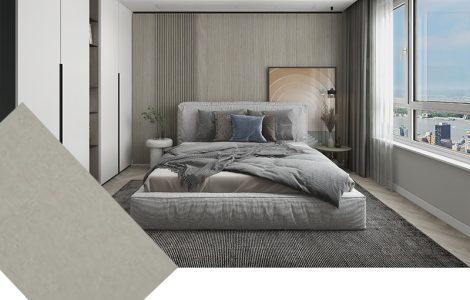
Когда речь идет о дизайне или ремонте вашего дома, одним из важнейших решений, с которым вы столкнетесь, будет выбор подходящей стеновой панели. Выбор стеновой панели не только влияет на визуальную привлекательность вашего интерьера, но и на долговечность, обслуживание и функциональность ваших жилых помещений. Учитывая, что на рынке представлено множество вариантов - каждый со своим уникальным набором функций и преимуществ, - бывает непросто определить, какой из них лучше всего подойдет для вашего дома.
В последние годы инновации в технологии производства стеновых панелей позволили создать целый ряд материалов, отвечающих различным потребностям и предпочтениям. Если вы ищете роскошную отделку, простоту в уходе или улучшенную акустику, то найдется стеновая панель, отвечающая вашим конкретным требованиям. Понимание отличительных характеристик каждого варианта поможет вам сделать осознанный выбор, который будет соответствовать стилю и функциональным потребностям вашего дома.
В этой статье мы рассмотрим некоторые из самых популярных на сегодняшний день вариантов стеновых панелей: Стеновые панели из ДПК, мраморные панели из ПВХ, пенопластовые плиты из ДПК и акустические панели. Каждый тип стеновых панелей имеет свой собственный набор преимуществ и соображений, и, оценив эти факторы, вы сможете выбрать панель, которая лучше всего подойдет для вашего дома. От элегантного внешнего вида мраморных панелей из ПВХ до практических преимуществ плит из вспененного ДПК - мы расскажем вам о ключевых особенностях каждого варианта, чтобы помочь вам сделать лучший выбор для вашего жилого пространства.
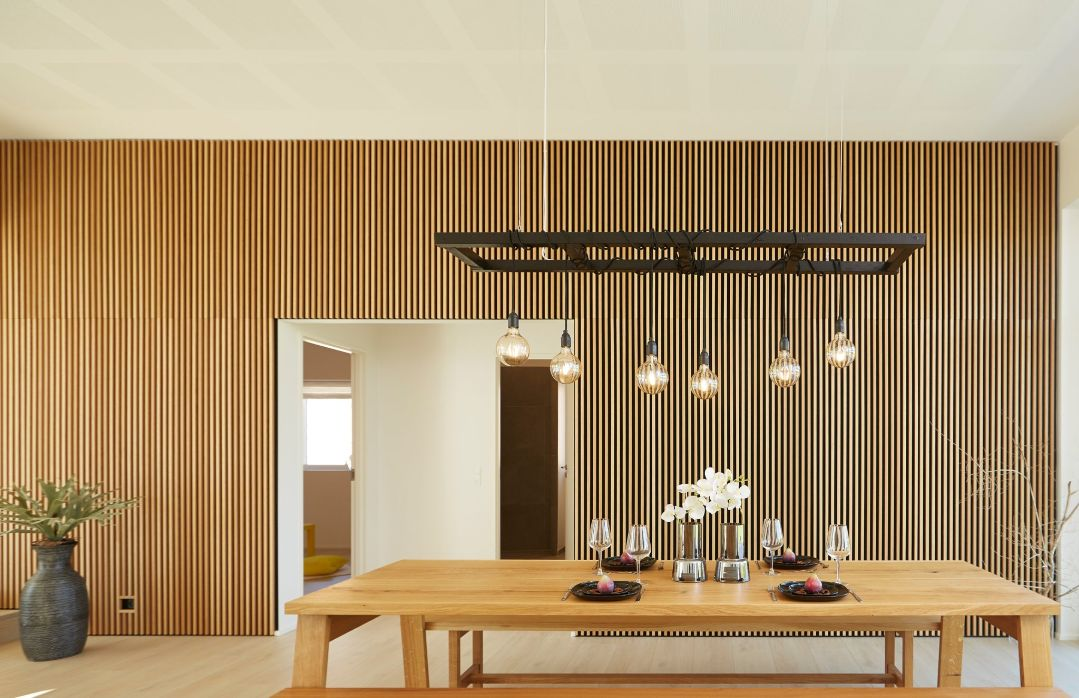
Деревянные панели также очень популярны на кухнях. Стеновые панели из ДПК сочетают в себе красоту и долговечность дерева, пластика и листового материала. Стеновые панели из ДПК позволяют добиться желаемого внешнего вида, обеспечивая при этом тепло и комфорт. Она устанавливается быстрее, проще и чище, чем традиционные стеновые панели.
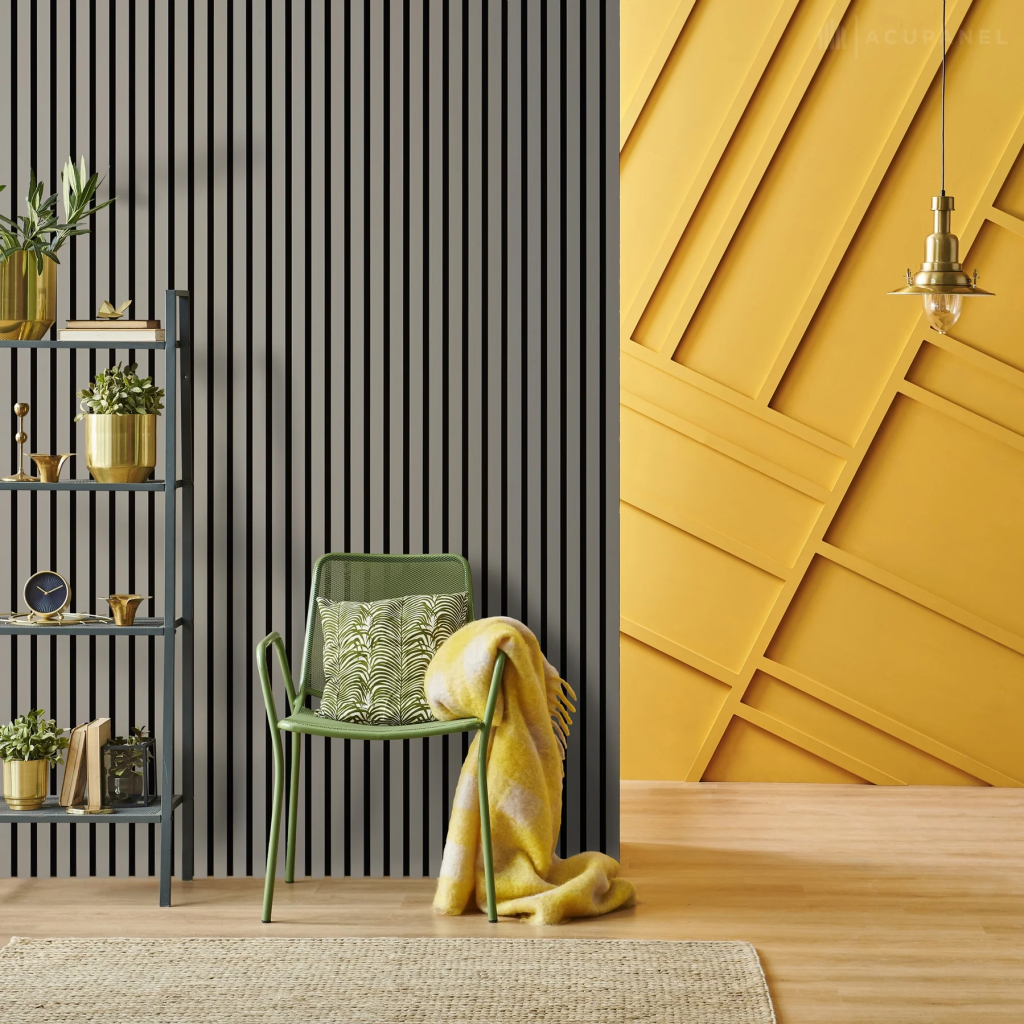
Добавьте текстуру и тепло в любое помещение и создайте более органичный вид, вызывающий чувство спокойствия, расслабления и благополучия. Мы отмечаем эту постоянно растущую тенденцию, предлагая универсальный вид дерева и мрамора в наших стеновых панелях. Позвольте нам помочь вам привнести природу и мир в ваш дом.
2 из 2
Стеновые панели из ДПК являются популярным выбором благодаря сочетанию дерева и пластика, что обеспечивает как эстетическую привлекательность, так и практические преимущества. Они разработаны таким образом, чтобы имитировать внешний вид натурального дерева, обеспечивая изысканный вид без дорогостоящего обслуживания, связанного с настоящим деревом. Панели из ДПК долговечны, водостойки и относительно просты в установке, что делает их подходящими для различных домашних условий. Однако они могут быть более дорогими по сравнению с другими вариантами.
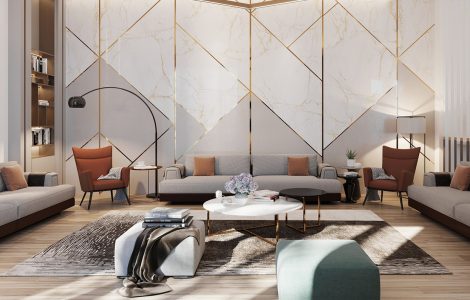
Мраморные панели из ПВХ - отличный вариант, если вы хотите получить роскошный внешний вид по более доступной цене. Эти панели имеют элегантный вид мрамора, но гораздо легче и проще в уходе. Они обладают высокой прочностью и устойчивостью к влаге, что делает их идеальным вариантом для помещений с повышенной влажностью, таких как ванные комнаты или кухни. Однако, хотя они и напоминают мрамор, их отделка может показаться не такой первоклассной, как у настоящего мрамора.
Любая стеновая панель для кухни должна выдерживать неизбежные разливы. В наших коллекциях стеновых панелей из ДПК и мраморных плит из пвх вы найдете самые высокие показатели влагостойкости. Они водонепроницаемы по стандарту 100%, поэтому доски не разбухнут, не покоробятся и не потеряют целостность под воздействием воды.
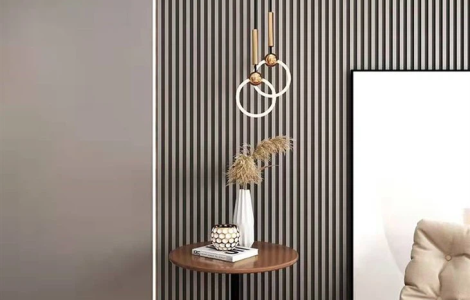
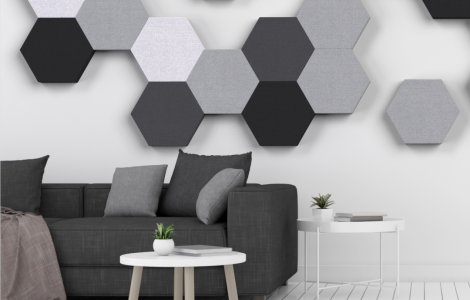
Если приоритетом является контроль звука, акустические панели разработаны специально для улучшения акустики помещения за счет уменьшения шума и эха. Они выпускаются в различных вариантах и могут придать помещению как стиль, так и функциональность. Хотя они отлично подходят для улучшения качества звука, они не могут предложить такой же уровень эстетической гибкости или долговечности, как другие варианты.
Стеновые панели have become one of the most important materials in modern construction and interior decoration. From residential housing to commercial buildings, from hotel projects to public infrastructure, wall panels provide a combination of structural protection, aesthetic value, insulation performance, and installation efficiency. Compared with traditional wall finishing methods such as plastering, painting, or ceramic tiling, modern wall panels offer faster installation, better durability, and more consistent quality.
In recent years, the global construction and decoration market has shifted toward prefabricated, modular, and sustainable materials. Wall panels fit perfectly into this trend because they can be factory-produced with stable quality and installed quickly on site. For B2B buyers, importers, and project contractors, understanding different wall panel types is essential for selecting the right solution for each project.
This comprehensive guide will introduce wall panel types from multiple dimensions, including material classification, functional classification, surface design classification, and application scenarios. Whether you are a developer, contractor, architect, or building materials importer, this article will help you understand the full wall panel ecosystem.
Traditional wall finishes such as plaster, paint, tiles, or solid masonry require long installation times, skilled labor, and ongoing maintenance. In contrast, wall panels offer several technical and commercial advantages.
Wall panels can significantly improve construction efficiency. Many modern panels use click-lock or modular installation systems, reducing labor time and eliminating the need for adhesives or grout in some cases.
From a performance perspective, insulated wall panels can reduce heat loss through walls by up to 25%, improving building energy efficiency, especially in older structures.
Moisture-resistant panels made from PVC or composite materials help prevent mold growth and condensation problems, making them ideal for bathrooms, kitchens, and humid environments.
Additionally, wall panels can hide pipes, cables, or uneven wall surfaces, making them particularly useful in renovation and commercial fit-out projects.
From a B2B perspective, wall panels also offer advantages such as standardized quality, scalable production, and lower long-term maintenance costs.
Material is the most common way to classify wall panels. Each material has its own cost structure, performance characteristics, and application scenarios.
PVC wall panels are lightweight, waterproof, and affordable. They can imitate wood, stone, or metal surfaces and are widely used in kitchens, bathrooms, and commercial interiors.
Преимущества:
Limitations:
Wood panels provide natural texture and strong acoustic performance. They are commonly used in living rooms, offices, and premium commercial interiors.
Преимущества:
Limitations:
Composite panels combine wood powder, polymers, or mineral powder to create durable and stable products. They are widely used in residential and commercial applications.
Преимущества:
Stone panels provide premium aesthetics and strong durability. Faux stone panels provide similar appearance at lower weight and cost.
Decorative panels focus on aesthetics and are widely used in interior design. These include 3D panels, stone-look panels, and wood veneer panels.
Acoustic panels help control noise and improve sound clarity. Slatted acoustic panels can reduce reverberation time by 30–60% in interior spaces.
Insulated panels combine decorative surfaces with thermal insulation cores, helping improve building energy performance.
Fire-rated panels use mineral cores or special coatings to improve building safety.
Surface finish affects visual effect, maintenance, and cleaning performance.
Matt panels provide non-reflective surfaces suitable for bedrooms and offices.
Textured panels simulate wood grain, stone relief, or geometric 3D shapes and are widely used in feature walls.
Provide modern appearance and easy cleaning performance.
Common materials include:
Drywall panels made from gypsum cores are widely used for interior partitions due to easy installation and smooth finish.
Common exterior materials include:
Metal cladding provides strong weather resistance and long service life, while vinyl cladding offers cost-effective residential solutions.
Wood Plastic Composite (WPC) panels are becoming increasingly popular globally, especially in commercial and hospitality projects.
WPC panels are available in solid core and hollow core structures.
Solid WPC panels provide high impact resistance, strong durability, and good sound insulation, making them suitable for exterior and high-traffic areas.
Hollow WPC panels are lighter and more cost-effective, often used in interior decorative applications.
For B2B importers, WPC panels provide a good balance between price, performance, and sustainability.
Interior designers use many panel styles to create visual effects, including:
When selecting wall panels, consider the following factors:
High humidity → PVC or composite
Outdoor exposure → Metal or WPC
Low budget → PVC or laminate
High-end → Wood or natural stone
Fast installation → Click-lock panels
Low maintenance → Composite or PVC
Future development trends include:
The push toward green building standards is driving demand for recyclable composite panels and energy-efficient insulated wall systems.
combine structure, insulation, and aesthetics. Whether using PVC, wood, WPC, metal, or stone panels, each type serves specific performance and design purposes.
For global B2B buyers, understanding wall panel classifications helps reduce project risks, optimize costs, and improve construction efficiency. As construction technology continues to evolve, wall panels will play an even more important role in sustainable and modular building systems.