In modern architecture and interior design, Стеновые панели из ДПК (древесно-полимерного композита) have become a preferred choice due to their outstanding durability, aesthetic appeal, and eco-friendly properties. As an innovative material that blends wood fibers и plastic polymers, WPC offers the best of both worlds—the natural beauty of wood и the durability of plastic.
WPC wall panels are widely used for both residential and commercial spaces, as well as outdoor applications like building facades and cladding. Compared to traditional wood, WPC panels provide higher resistance to moisture, insects, and decay, making them a long-lasting and cost-effective alternative.
This article provides an in-depth look at WPC wall panels, covering:
By the end of this guide, you will have a thorough understanding of why Стеновые панели из ДПК are revolutionizing the interior and exterior decoration industry.
WPC in wall panels stands for Wood Plastic Composite, a manufactured material made by combining wood fibers or wood flour with thermoplastic polymers such as PVC, PE, or PP. The resulting composite material is designed to provide the appearance and texture of wood while improving resistance to moisture, insects, decay, and everyday wear.
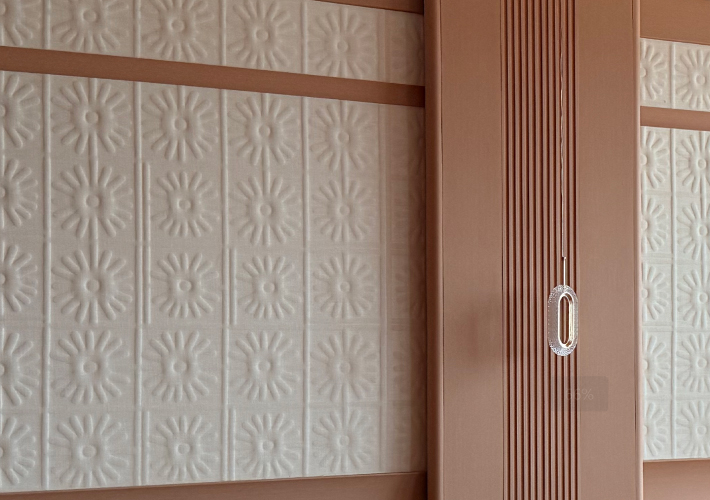
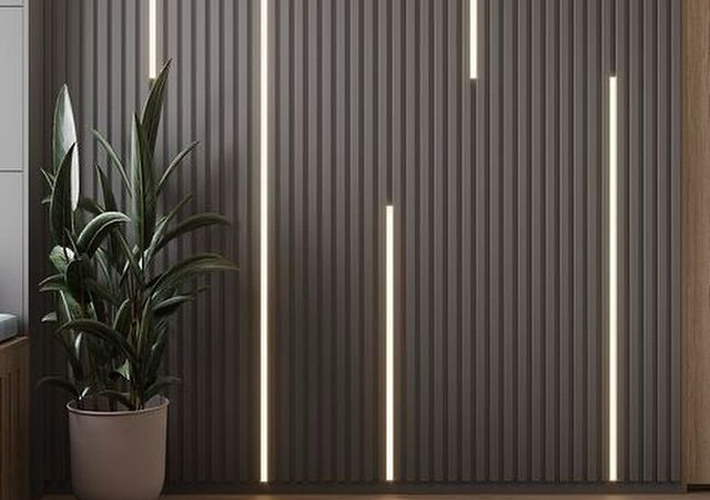
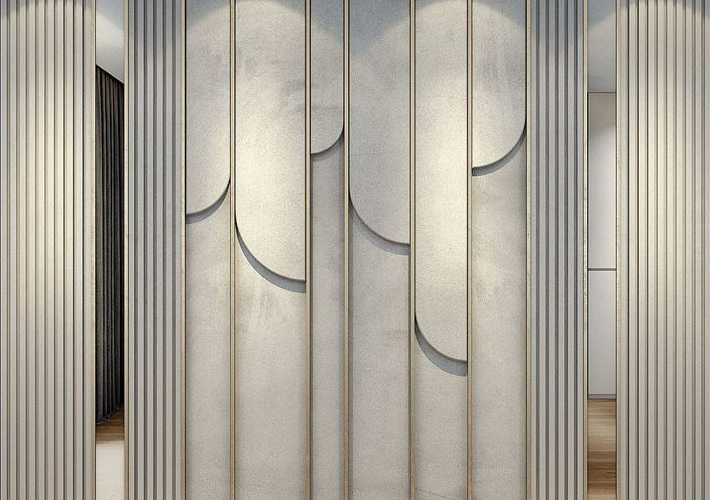
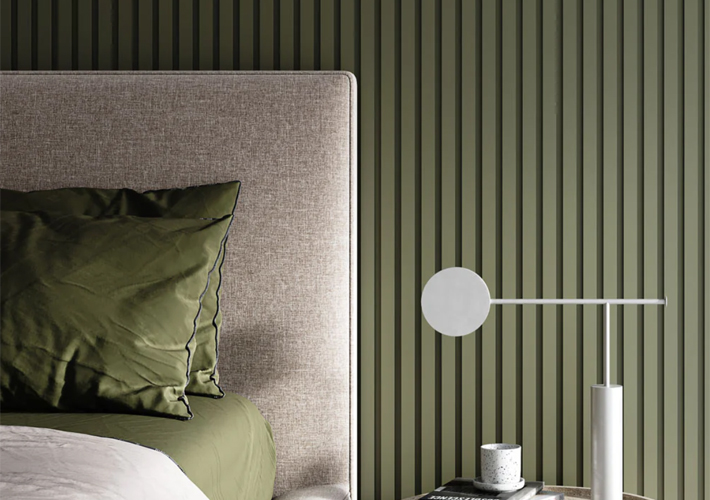
WPC wall panels can be manufactured in different profiles, textures, colors, and surface finishes, making them suitable for interior decorative walls, commercial spaces, exterior cladding, feature walls, hotels, retail environments, and other architectural applications.
For buyers, the key point is that WPC is not natural solid wood and is not simply a plastic panel. It is a composite material in which wood-based fibers and thermoplastic materials are processed together to create a stable decorative panel with a wood-like appearance and enhanced moisture resistance.

1.1 Definition of WPC
WPC stands for Древесно-полимерный композит, a hybrid material made from wood fibers (or wood flour) and thermoplastics such as PVC (Polyvinyl Chloride), PE (Polyethylene), or PP (Polypropylene). These components are combined with special additives to improve strength, color retention, and weather resistance.
Стеновые панели из ДПК engineered to mimic the natural look of wood while offering superior durability, moisture resistance, and environmental sustainability.
WPC wall panels combine the characteristics of two main material groups: wood-based fibers and thermoplastic polymers. The wood component contributes texture, appearance, and rigidity, while the polymer component helps improve moisture resistance, durability, and dimensional stability.
During manufacturing, the raw materials are mixed with selected additives and processed through extrusion or other forming technologies. The material can then be shaped into specific wall-panel profiles and finished with different surface textures.
The exact formulation varies between manufacturers. Wood content, polymer type, additives, density, profile design, surface treatment, and manufacturing technology can all influence the final performance of a WPC wall panel. Therefore, buyers should evaluate the actual technical specification of the product rather than assuming that every WPC panel has identical performance.
1.2 Состав стеновых панелей из ДПК
A typical WPC wall panel is made up of the following components:
The manufacturing process of WPC wall panels involves high-temperature extrusion, resulting in a material that is both durable and lightweight.
2.1 High Durability and Strength
Стеновые панели из ДПК highly durable, resisting warping, cracking, and chipping, unlike natural wood which is prone to these issues over time.
2.2 Waterproof and Moisture-Resistant
One of the biggest advantages of WPC panels is their high resistance to water and moisture, making them an excellent choice for bathrooms, kitchens, and outdoor walls.
2.3 Termite and Pest Resistance
Unlike traditional wood, which is vulnerable to termites, WPC panels are completely termite-proof because their wood content is encapsulated within plastic.
2.4 Fire Resistance
With the addition of fire-retardant additives, WPC wall panels are more flame-resistant than pure wood, providing better safety in case of fire hazards.
2.5 Eco-Friendly and Sustainable
Since WPC panels are made from recycled wood and plastic, they help reduce deforestation and plastic waste pollution, making them a sustainable choice.
2.6 Low Maintenance
Unlike wood, which requires staining, sealing, or painting, WPC panels need only occasional cleaning with water and mild detergent.
2.7 Aesthetic Versatility
WPC wall panels are available in a variety of colors, textures, and finishes, including:
The main benefits of WPC wall panels can be summarized as durability, moisture resistance, low maintenance, design flexibility, and resistance to common problems associated with natural wood.
For interior applications, WPC can provide a wood-inspired decorative appearance without requiring the same level of routine painting, staining, or sealing as traditional wood. For humid environments, its resistance to moisture makes it a practical option for applications where conventional wood may require additional protection.
For commercial and architectural projects, another important advantage is design flexibility. WPC wall panels can be produced in different profiles, dimensions, colors, textures, and finishes, allowing manufacturers and project suppliers to develop products for different interior and exterior design concepts.
However, product performance depends on the specific formulation and construction of the panel. WPC should therefore be selected according to the intended environment, installation conditions, fire requirements, UV exposure, and project specifications.

3.1 Comparison Table
| Характеристика | Стеновые панели из ДПК | Natural Wood Panels | PVC Panels | Gypsum Boards |
|---|---|---|---|---|
| Долговечность | Высокий | Умеренный | Высокий | Умеренный |
| Водонепроницаемость | Превосходно | Poor | Превосходно | Умеренный |
| Termite Resistance | Да | Нет | Да | Да |
| Огнестойкость | Moderate-High | Низкий | Умеренный | Высокий |
| Техническое обслуживание | Низкий | Высокий | Низкий | Умеренный |
| Экологичность | Да | Умеренный | Нет | Умеренный |
| Aesthetic Options | Various | Natural | Various | Ограниченный |
From the table above, WPC wall panels outperform traditional materials in durability, maintenance, and water resistance, making them a cost-effective and long-lasting option.
There is no single wall-panel material that is suitable for every project. The appropriate choice depends on the project's environment, design requirements, budget, installation method, and performance expectations.
WPC is particularly relevant when a project requires a combination of wood-like aesthetics, moisture resistance, low maintenance, and decorative flexibility. Natural wood may be selected when authentic wood grain and traditional material characteristics are the primary priorities. PVC panels can be attractive for projects where lightweight and moisture-resistant surfaces are required, while gypsum boards are commonly considered where fire performance and conventional wall construction are important.
For B2B buyers, the comparison should go beyond material names. Important purchasing factors include panel density, thickness, profile structure, surface finish, polymer type, wood-fiber content, fire rating, UV resistance, moisture performance, installation system, packaging, MOQ, and quality-control standards.
This approach helps importers, distributors, contractors, and architects select a WPC product based on actual project requirements rather than comparing materials only by appearance or price.
4.1 Residential Applications
4.2 Commercial Applications
4.3 Outdoor Applications
4.4 Public Infrastructure
WPC wall panels are commonly used in applications where decorative appearance and practical surface performance are both important. Typical applications include feature walls, living rooms, bedrooms, hotel interiors, retail stores, commercial buildings, hospitality projects, exterior decorative walls, balconies, patios, and building facades.
For commercial projects, WPC can be especially useful when designers want to create a consistent wood-inspired appearance across large wall areas while keeping maintenance requirements relatively low.
For exterior applications, buyers should verify whether the specific WPC product is designed and tested for outdoor exposure. Exterior WPC products may require appropriate UV stabilization, weather-resistant formulations, suitable installation systems, and sufficient mechanical fixing.
5.1 Tools Required
5.2 Installation Process
Step 1: Surface Preparation
Ensure the wall is clean, dry, and level before installation.
Step 2: Measuring and Cutting
Measure the panel dimensions and cut accordingly for a precise fit.
Step 3: Fixing the Panels
Step 4: Finishing
Seal gaps with matching trims or sealant for a seamless look.
Before installing WPC wall panels, contractors should check several basic conditions:
For large commercial or exterior projects, installation requirements should be confirmed with the manufacturer before construction begins. The correct fixing system can be as important as the panel itself when determining the long-term performance of the finished wall.

6.1 Rising Demand for Eco-Friendly Materials
The global shift towards sustainable construction materials is driving the demand for WPC panels.
6.2 Advancements in Technology
Manufacturers are developing new textures, coatings, and smart finishes for enhanced durability and aesthetics.
6.3 Growth in Construction Industry
With rapid urbanization, WPC wall panels are being increasingly used in residential and commercial projects worldwide.
6.4 Expansion in Global Markets
Regions like North America, Europe, and the Middle East are seeing higher adoption due to environmental laws and the need for low-maintenance materials.

For importers, distributors, contractors, and project buyers, choosing a WPC wall panel supplier involves more than comparing the price per square meter. The following factors should be checked before placing an order:
For international B2B purchasing, working directly with a manufacturer can also make it easier to discuss product customization, packaging requirements, container loading, quality control, and project-specific specifications.
WPC stands for Древесно-полимерный композит. It is a composite material made by combining wood fibers or wood flour with thermoplastic polymers such as PVC, PE, or PP, together with functional additives.
WPC wall panels generally have high resistance to moisture because of their thermoplastic component. However, “water-resistant” and “completely waterproof in every installation condition” should not automatically be treated as identical. Buyers should check the manufacturer's product specification and recommended application.
Some WPC wall panels are designed for exterior applications such as facades, balconies, patios, and outdoor decorative walls. Exterior products should have appropriate weather and UV resistance, and the installation system should be suitable for outdoor exposure.
WPC offers several practical differences compared with natural wood, including greater resistance to moisture, insects, decay, and lower routine maintenance requirements. Natural wood, however, has its own material characteristics and appearance. The appropriate choice depends on the specific project requirements.
WPC can incorporate wood fibers and recycled or recyclable polymer materials, potentially reducing reliance on virgin resources. However, the environmental performance of a specific product depends on its raw materials, manufacturing process, recycled content, product lifespan, and end-of-life management.
Many WPC manufacturers offer customization options such as colors, textures, dimensions, profiles, and surface finishes. OEM and ODM services may also be available for distributors, importers, contractors, and architectural projects.
Routine maintenance is generally simple. Dust and surface dirt can usually be removed with water and a mild detergent. The manufacturer's cleaning recommendations should be followed, especially for panels with special coatings or decorative surface treatments.
WPC wall panels are composite decorative materials that combine wood-based fibers with thermoplastic polymers to create a balance between wood-inspired aesthetics and practical performance. Their resistance to moisture, insects, decay, and everyday wear makes them suitable for a wide range of interior, commercial, and selected exterior applications.
The main advantages of WPC include durability, moisture resistance, low maintenance, design flexibility, and a wide range of available colors, textures, and profiles. Compared with traditional wood, WPC can reduce maintenance requirements while maintaining a decorative wood-like appearance.
For B2B buyers, however, selecting the right WPC wall panel requires more than comparing appearance or unit price. Material composition, dimensions, density, surface treatment, application environment, fire performance, UV resistance, installation method, quality control, and customization capability should all be considered.
As manufacturing technology continues to develop, WPC wall panels are expected to remain an important option for decorative wall and cladding applications. For importers, distributors, contractors, architects, and project developers, working with an experienced manufacturer can provide access to consistent specifications, customized designs, technical support, and more efficient international supply.