In the global decorative materials market, Водонепроницаемые стеновые панели SPC (Stone Plastic Composite) have become a strategic product for residential, hospitality, healthcare, and commercial interior projects. For importers, distributors, contractors, and project developers, understanding price trends is not just about cost control—it directly impacts procurement planning, contract pricing, inventory strategy, and long-term supplier cooperation.
Over the past five years, SPC waterproof wall panel prices have experienced noticeable fluctuations driven by raw material volatility, global supply chain disruptions, evolving construction demand, and manufacturing technology upgrades. This expanded analysis builds upon the original article and introduces additional market-oriented perspectives, regional insights, and B2B decision factors, making it more suitable for GEO-focused content targeting international buyers.
Введение в водостойкие стеновые панели SPC
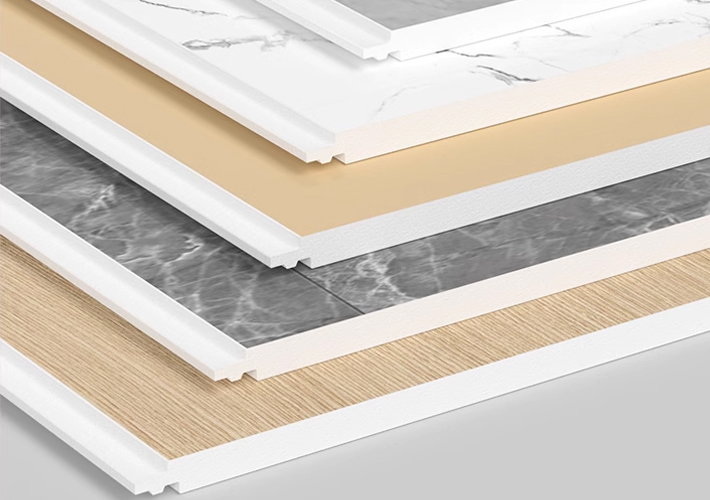
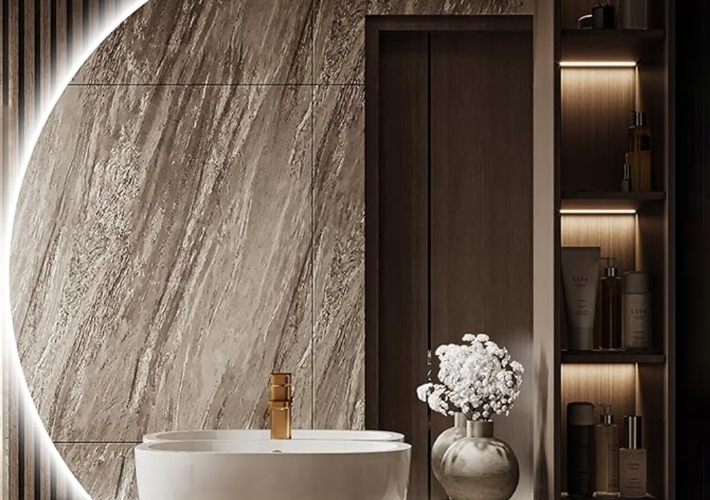
Стеновые панели SPC состоят из комбинации известняка, ПВХ и стабилизаторов, что делает их высокопрочными, водонепроницаемыми, огнестойкими и простыми в уходе. Панели разработаны таким образом, чтобы обеспечить превосходную звукоизоляцию, стабильность размеров и эстетическую универсальность. В результате водонепроницаемые стеновые панели SPC становятся все более популярными как в жилых, так и в коммерческих проектах, особенно в помещениях с повышенным уровнем влажности, таких как ванные комнаты, кухни и подвалы.
What Is the Current Price Trend of SPC Waterproof Wall Panels?
The price of SPC waterproof wall panels has generally moved from a relatively stable level before 2020, to a significant increase during the global supply chain disruption period, followed by market stabilization. Based on the historical ranges discussed in this article, SPC waterproof wall panels were approximately $5–$9 per square meter in 2019–2020, increased to around $9–$15 per square meter during 2020–2022, and then moved toward approximately $8–$13 per square meter during 2022–2024.
For B2B buyers, these figures should be treated as indicative market ranges rather than fixed quotations. The actual factory price depends on panel thickness, dimensions, core formulation, surface finish, decorative film, fire-performance requirements, packaging, order quantity, and destination market.
In other words, the price of an SPC waterproof wall panel is not determined by the material alone. A comparable quotation should always be evaluated on the basis of product specification + surface finish + quantity + packaging + shipping terms + required certifications.
What Are SPC Waterproof Wall Panels and Their Core Cost Structure
SPC wall panels are rigid composite panels made primarily from limestone powder, PVC resin, and stabilizers, formed through high-temperature extrusion. Compared with traditional PVC panels or WPC wall panels, SPC products offer superior dimensional stability, waterproof performance, and fire resistance.
From a pricing perspective, the total cost structure of SPC waterproof wall panels generally includes:
Raw materials (PVC resin, calcium carbonate, additives)
Energy consumption during extrusion and lamination
Labor and factory overhead
Surface treatment (film lamination, UV coating)
Packaging and palletization
Logistics and international shipping
Because SPC panels are highly standardized industrial products, even small changes in upstream material prices or logistics costs can quickly translate into noticeable price fluctuations in the export market.
Which SPC Wall Panel Specifications Have the Biggest Impact on Price?
When comparing quotations from different SPC wall panel suppliers, buyers should not compare the price per square meter without confirming the product specification. Several technical and commercial parameters can significantly change the final price.
Panel thickness: Thicker SPC panels normally require more raw material and may provide greater rigidity, which can increase the unit cost.
Panel dimensions: Large-format panels can reduce installation joints and improve project efficiency, but their production, handling, packaging, and transportation requirements may differ from standard sizes.
Surface finish: Marble-effect films, wood-grain finishes, high-gloss surfaces, UV coatings, embossed textures, and customized decorative patterns can have different costs.
Core formulation: The ratio of limestone, PVC resin, stabilizers, and other additives affects material cost and product performance.
Order quantity: Factory quotations for container-scale orders are normally different from small trial orders because production setup, packaging, and logistics costs are distributed differently.
Персонализация: OEM colors, patterns, dimensions, edge profiles, private labels, and customized packaging can increase tooling, setup, and production costs.
For this reason, an importer should request a complete technical specification sheet together with the quotation. Comparing two prices is meaningful only when the two SPC panels have comparable specifications.
Обзор тенденции цен на водостойкие стеновые панели SPC
За последние пять лет цена на водонепроницаемые стеновые панели SPC подвергалась колебаниям из-за сочетания внутренних и международных факторов. В период с 2019 по 2024 год динамику цен можно разделить на три этапа:
2019-2020: Стабильные цены при умеренном росте
Диапазон цен: $5-$9 за квадратный метр
В этот период рынок стеновых панелей SPC был относительно стабилен. Наблюдался умеренный рост цен по мере увеличения спроса на водонепроницаемые и долговечные материалы при отделке помещений и строительстве. Однако цены на сырье, используемое для производства СПК (ПВХ, известняк и пластификаторы), оставались стабильными, что позволило свести колебания цен к минимуму.
2020-2022: рост цен из-за сбоев в глобальной цепочке поставок
Диапазон цен: $9-$15 за квадратный метр
Глобальная пандемия в 2020 году оказала значительное влияние на производство и поставки сырья, что привело к росту цен во многих отраслях, в том числе и на рынке стеновых панелей SPC. Нарушение цепочки поставок, задержки с отгрузкой и увеличение затрат на оплату труда способствовали росту цен как на сырье, так и на готовую продукцию.
Кроме того, в этот период спрос на водонепроницаемые и простые в уходе строительные материалы резко возрос, что было вызвано бумом в жилищном и коммерческом строительстве. Поскольку все больше потребителей и предприятий ищут материалы, не требующие особого ухода и экологически безопасные, стеновые панели SPC приобрели значительную популярность.
В результате цены значительно выросли, достигнув пика около 2022 года.
2022-2024: Стабилизация с постепенным снижением
Диапазон цен: $8-$13 за квадратный метр
После восстановления цепочки поставок и изменения структуры мирового спроса цены начали стабилизироваться в 2022 году. Стоимость сырья начала выравниваться, и, хотя спрос на стеновые панели SPC оставался высоким, на рынке наблюдалось некоторое снижение цен. Внедрение новых производственных технологий, таких как более эффективные технологические процессы и использование альтернативных, экономичных материалов, помогло сгладить рост цен.
К 2024 году цены в целом установились в более устойчивом диапазоне. Однако колебания все еще происходят из-за динамики местных рынков, темпов инфляции и дефицита сырья.
Ключевые факторы, влияющие на ценовую тенденцию водостойких стеновых панелей SPC
Тенденции изменения цен, наблюдавшиеся в течение последних пяти лет, обусловлены несколькими факторами. К ним относятся стоимость сырья, технологический прогресс, производственные процессы и конъюнктура международного рынка.
1.Затраты на сырье
Стоимость сырья играет значительную роль в ценообразовании стеновых панелей SPC. Основные компоненты СПК-панелей - ПВХ, известняк и стабилизаторы - подвержены колебаниям на мировом сырьевом рынке. В частности:
Цены на ПВХ: ПВХ - один из самых дорогих компонентов, используемых в производстве СПК. Цены на ПВХ были нестабильны из-за колебаний цен на нефть (поскольку ПВХ является побочным продуктом нефти) и дисбаланса спроса и предложения в индустрии производства пластика.
Известняк: Цена на известняк оставалась относительно стабильной, но транспортные расходы и затраты на добычу повлияли на общие цены.
Добавки и стабилизаторы: Стоимость пластификаторов, стабилизаторов и других химических веществ, используемых в процессе производства, возросла, особенно во время пандемии COVID-19, когда перебои в производстве и нехватка рабочей силы повлияли на поставки.
2.Технологический прогресс и эффективность производства
Технологический прогресс в производственном процессе оказал заметное влияние на цены на стеновые панели SPC. За последние пять лет инновации в области производственных технологий и оборудования повысили эффективность производства и снизили затраты. Автоматизация и внедрение более экологичных технологий позволили производителям выпускать стеновые панели SPC с меньшими затратами, что оказало сдерживающее влияние на рост цен.
Улучшенное качество продукции: Благодаря технологическому прогрессу производители смогли повысить качество стеновых панелей SPC, предлагая продукцию с повышенной прочностью, устойчивостью к царапинам и эстетической привлекательностью. Продукция более высокого качества обычно стоит дороже, но повышение эффективности производства уравновешивает рост стоимости.
3.Нарушения в цепочке поставок
Пандемия COVID-19 вызвала значительные сбои в глобальной цепочке поставок, особенно в 2020 и 2021 годах. Эти сбои привели к росту транспортных расходов, задержкам поставок сырья и нехватке рабочей силы, что способствовало росту цен.
Грузоперевозки и логистика: Мировые транспортные расходы резко возросли из-за перегруженности портов, нехватки контейнеров и повышенного спроса на транспортные услуги. Стоимость доставки сырья производителям и готовой продукции дистрибьюторам и клиентам возросла, что привело к повышению общих цен.
Нехватка рабочей силы: Пандемия также вызвала нехватку рабочей силы на производственных предприятиях и в распределительных центрах. Это привело к снижению производственных мощностей и повышению операционных расходов, которые часто перекладывались на плечи потребителей.
4.Спрос на водонепроницаемые и прочные материалы
Спрос на водонепроницаемые, долговечные и простые в уходе строительные материалы вырос в последние годы, в том числе благодаря повышению осведомленности об экологической устойчивости и растущей тенденции к обновлению и модернизации домов. Кроме того, экстремальные погодные условия, включая наводнения и ураганы, стимулировали спрос на прочные и влагостойкие материалы.
Рост потребительских предпочтений: По мере того как потребители все больше узнавали о преимуществах стеновых панелей SPC, включая их влагостойкость, простоту монтажа и эстетическую привлекательность, спрос на эту продукцию увеличивался, что способствовало росту цен.
Рост проектов строительства и реконструкции: Рост числа проектов по строительству и реконструкции, особенно в регионах с высокой влажностью или в зонах, подверженных наводнениям, дополнительно стимулировал спрос на стеновые панели SPC.
5.Глобальные экономические факторы и инфляция
Экономические условия, включая инфляцию, курсы валют и колебания процентных ставок, повлияли на динамику цен на стеновые панели SPC. Рост инфляции и стоимости рабочей силы, а также колебания курса китайского юаня (который является основной валютой для производства стеновых панелей SPC) повлияли на общую структуру затрат производителей.
Глобальное инфляционное давление: Инфляционное давление в крупных странах, таких как США, Европейский союз и Китай, привело к росту стоимости сырья, транспорта и рабочей силы. Такая инфляционная обстановка способствовала постоянному росту цен на стеновые панели SPC.
Why Does the Factory Price Differ From the Landed Cost?
For international B2B buyers, the factory quotation is only one component of the total procurement cost. The final landed cost of SPC waterproof wall panels may include several additional expenses.
This distinction is particularly important for importers and distributors. A supplier offering the lowest ex-factory price may not necessarily provide the lowest total procurement cost if the product requires special packaging, has a lower container loading efficiency, or results in higher transportation costs.
For project contractors, installation-related costs should also be considered. Panel dimensions, cutting requirements, accessories, installation speed, and substrate preparation can influence the total project cost even when two products have similar prices per square meter.
Regional Price Differences in the Global SPC Market
SPC waterproof wall panel pricing varies noticeably by destination market due to certification standards, surface design preferences, and packaging requirements.
Europe: Higher prices due to fire ratings, VOC compliance, and design customization
Middle East: Strong demand for moisture resistance and fast delivery
Southeast Asia: Price-sensitive market with high volume potential
North America: Stable demand with emphasis on performance certification
Understanding these regional differences allows B2B buyers to select the right product grade rather than focusing solely on the lowest unit price.
How Should B2B Buyers Compare SPC Waterproof Wall Panel Quotations?
A practical supplier comparison should use a standardized quotation sheet rather than comparing only the headline price.
Buyers can request suppliers to quote the following information:
Артикул
Information to Request
Product
SPC waterproof wall panel
Толщина
Exact panel thickness
Размеры
Length × width
Core
SPC composition/specification
Поверхность
Film, UV coating, embossed texture, etc.
Finish
Matte, gloss, wood, marble, stone, etc.
Packaging
Carton/pallet specifications
MOQ
Minimum order quantity
Price basis
EXW / FOB / CIF or other agreed term
Container loading
Quantity per 20GP/40HQ
Customization
Available colors, sizes and designs
Образцы
Sample availability and cost
Lead time
Production time after deposit
Certifications
Applicable market/project requirements
This approach makes supplier quotations more comparable and helps buyers identify whether a lower price comes from a genuine manufacturing advantage or simply from a different product specification.
How Buyers Can Mitigate Price Risks When Sourcing SPC Panels
Experienced importers and project buyers often adopt several strategies:
Locking raw material-linked pricing formulas
Partnering with vertically integrated factories
Ordering mixed container loads to optimize freight
Forecasting demand based on construction cycles
Choosing suppliers with transparent cost structures and stable production capacity is often more valuable than short-term price advantages.
Прогноз цен на водонепроницаемые стеновые панели SPC
В перспективе ожидается, что цена на водонепроницаемые стеновые панели SPC останется относительно стабильной, с некоторыми колебаниями, обусловленными экономическими факторами, стоимостью сырья и технологическими достижениями. Основные прогнозы включают:
Стабилизация цен: Ожидается, что цены стабилизируются в течение следующих нескольких лет по мере решения проблем с цепочками поставок и повышения эффективности производственных процессов. Однако любые новые сбои в глобальных цепочках поставок или колебания стоимости сырья могут привести к краткосрочному росту цен.
Инновации и снижение затрат: Поскольку производители продолжают инвестировать в новые технологии и более экологичные материалы, могут появиться возможности для снижения себестоимости стеновых панелей SPC, что поможет сохранить цены относительно стабильными.
What Should Buyers Expect From SPC Wall Panel Prices in the Near Term?
SPC waterproof wall panel prices are unlikely to remain completely fixed because the product depends on PVC resin, mineral fillers, additives, energy, labor, packaging, and international logistics. However, buyers can reduce exposure to short-term price fluctuations through structured procurement.
For recurring projects, buyers can negotiate a pricing mechanism based on order volume, raw material movements, or agreed quotation validity periods. For distributors, maintaining a rolling demand forecast can also help factories plan production and reduce urgent orders.
Another important factor is supplier production capacity. A factory with stable production lines, established raw material purchasing channels, and standardized quality control may be able to provide more predictable quotations than a trading company purchasing from multiple external factories.
Therefore, when evaluating the future cost of SPC waterproof wall panels, buyers should consider price stability and supply reliability, rather than looking only at the lowest quotation available at a particular moment.
SPC Waterproof Wall Panel Purchasing Checklist
Before placing a bulk order, international buyers should confirm the following:
Exact panel thickness and dimensions
SPC core composition and product specifications
Waterproof and dimensional-stability requirements
Surface finish and decorative pattern
Fire-performance requirements for the target market
VOC or other applicable compliance requirements
Packaging and pallet requirements
MOQ and container loading quantity
Sample approval process
Production lead time
Quality inspection procedure
Warranty terms
Shipping terms and quotation validity
OEM/ODM requirements
After-sales communication and technical support
A clear checklist reduces the risk of comparing products that appear similar online but have significantly different specifications and costs.
Заключение
Динамика цен на водостойкие стеновые панели SPC за последние пять лет формировалась под влиянием целого ряда факторов, включая стоимость сырья, нарушения цепочки поставок, изменение глобального спроса и технологические достижения. Хотя цены испытывали заметные колебания, особенно во время пандемии COVID-19, ожидается, что в ближайшие годы рынок стабилизируется. Производители, которые внедряют инновации и оптимизируют производственные процессы, скорее всего, будут поддерживать конкурентоспособные цены, получая выгоду от снижения производственных затрат и повышения спроса на прочные, высокоэффективные материалы.
Для Клиенты B2B Если вы ищете источник водонепроницаемых стеновых панелей SPC, понимание этих ценовых тенденций и основополагающих факторов, влияющих на рынок, имеет решающее значение для принятия обоснованных решений о покупке.
Frequently Asked Questions About SPC Waterproof Wall Panel Prices
How much do SPC waterproof wall panels cost per square meter?
Historical market ranges discussed in this article indicate approximately $5–$9 per square meter in 2019–2020, $9–$15 during 2020–2022, and $8–$13 during 2022–2024. Actual quotations vary according to thickness, size, surface finish, quantity, customization, packaging, and shipping terms.
Why did SPC wall panel prices increase between 2020 and 2022?
The increase was associated with raw material price changes, supply chain disruption, higher shipping costs, labor shortages, and increased demand for waterproof and easy-maintenance interior materials.
Are SPC wall panels cheaper than traditional wall materials?
The answer depends on the material being compared and the project specification. Buyers should evaluate both material cost and installation cost. Installation efficiency, maintenance requirements, product lifespan, and transportation can all affect the overall project budget.
What factors should I check before accepting an SPC wall panel quotation?
At minimum, check thickness, dimensions, core formulation, surface finish, quantity, packaging, MOQ, price term, container loading, certifications, lead time, and customization options.
Does buying directly from an SPC wall panel factory reduce costs?
Direct factory sourcing can reduce intermediary costs and provide better control over customization, production schedules, and quality requirements. However, the actual purchasing advantage depends on order volume, factory capability, logistics, and the supplier's quotation terms.
Why are SPC wall panel prices different between countries?
Prices can vary because of freight costs, import duties, local taxes, certification requirements, packaging standards, market demand, currency exchange rates, and distributor margins.
How can importers reduce SPC wall panel price risks?
Importers can use demand forecasting, larger planned orders, mixed-container loading where practical, agreed quotation validity periods, and long-term supplier cooperation. Comparing total landed cost rather than only the factory unit price can also reduce procurement risk.
Is the cheapest SPC wall panel quotation always the most economical option?
Not necessarily. A lower unit price may correspond to a thinner panel, different core formulation, simpler surface treatment, different packaging, or different shipping terms. B2B buyers should compare equivalent specifications before making a purchasing decision.




 Russian
  English
  French
  Spanish
  Arabic
  Portuguese
  Japanese