Why Bamboo Charcoal Wood Veneer Is Eco-Friendly for Hotels

Published on: 21 Апр, 2026
Оглавление

Introduction: The Rising Demand for Eco-Friendly Hotel Materials

The global hotel industry is undergoing a transformation. With increasing environmental regulations, ESG commitments, and guest awareness, sustainability is no longer optional—it is essential. From luxury resorts to business hotels, developers are prioritizing eco-friendly interior materials that reduce environmental impact without compromising design quality.

Wall decoration materials play a crucial role in this shift. Traditional materials such as solid wood, PVC laminates, and painted drywall often involve high emissions, resource depletion, or limited durability. Шпон бамбукового угольного дерева stands out as a modern alternative that addresses these issues.

For hotel procurement managers, architects, and contractors, understanding the environmental value of this material is key to making informed decisions.

What Is Bamboo Charcoal Wood Veneer?

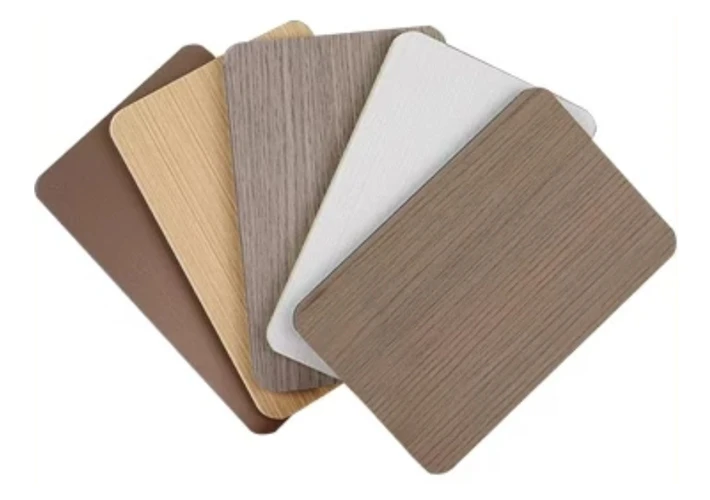
Bamboo charcoal wood veneer is a composite decorative panel made by combining bamboo charcoal powder with environmentally friendly resins and surface films. It replicates the natural appearance of wood while offering enhanced performance characteristics.

Key Components:

  • Bamboo charcoal powder (derived from renewable bamboo resources)
  • Eco-friendly polymer base
  • Decorative surface layer (wood grain, stone texture, or custom finishes)
  • Protective coating for durability

Key Features:

  • Lightweight and easy to install
  • Moisture-resistant and anti-mold
  • Fire-retardant properties
  • Scratch-resistant surface
  • Low VOC emissions

This combination makes it ideal for high-traffic environments like hotel corridors, guest rooms, lobbies, and conference areas.

Renewable Raw Materials: Bamboo as a Sustainable Resource

One of the primary reasons bamboo charcoal wood veneer is eco-friendly lies in its raw material—bamboo.

Why Bamboo Is Sustainable:

  • Fast growth cycle: Bamboo can mature in 3–5 years, compared to decades for hardwood trees
  • High yield per hectare: Produces more biomass than traditional timber
  • Regenerative growth: Can be harvested without replanting
  • Carbon absorption: Absorbs more CO₂ than many tree species

For hotels aiming to reduce their environmental footprint, using bamboo-based materials significantly lowers reliance on slow-growing hardwood forests.

Impact on Global Supply Chains

Compared to traditional wood veneer, bamboo charcoal veneer reduces deforestation pressure. This is particularly important for large-scale hotel projects requiring thousands of square meters of wall materials.

Low VOC Emissions and Indoor Air Quality

Indoor air quality is a critical factor in hotel design, directly affecting guest comfort and health. Bamboo charcoal wood veneer excels in this area.

What Are VOCs?

Volatile Organic Compounds (VOCs) are chemicals emitted from building materials that can cause:

  • Respiratory irritation
  • Allergic reactions
  • Long-term health risks

Eco-Friendly Advantage:

  • Bamboo charcoal naturally absorbs harmful gases
  • Low-emission adhesives are used in production
  • Helps regulate indoor humidity and odors

Hotel Application Benefits:

  • Improves guest room air quality
  • Enhances overall guest experience
  • Supports green building certifications (LEED, BREEAM)

For hotel brands positioning themselves as eco-conscious, this is a major selling point.

Durability and Long Lifecycle: Reducing Material Waste

Sustainability is not just about raw materials—it also involves product lifespan. Bamboo charcoal wood veneer is designed for durability.

Performance Advantages:

  • Resistant to moisture and humidity
  • Anti-mold and anti-bacterial properties
  • Strong surface resistance to scratches and wear
  • Stable structure that resists warping

Why This Matters for Hotels:

Hotels experience high traffic and frequent maintenance cycles. Materials that degrade quickly lead to:

  • Frequent replacements
  • Increased waste
  • Higher operational costs

By contrast, bamboo charcoal veneer offers a longer lifecycle, reducing both environmental impact and long-term expenses.

Energy-Efficient Production Process

Compared to traditional materials like solid wood panels or stone, bamboo charcoal wood veneer requires less energy during production.

Manufacturing Benefits:

  • Lower processing temperatures
  • Efficient use of raw materials
  • Reduced waste generation
  • Advanced recycling systems in modern factories

At Эстедж, production lines are optimized to minimize energy consumption while maintaining consistent product quality. This ensures that buyers not only receive high-performance materials but also contribute to a lower carbon footprint.

Lightweight Structure and Reduced Transportation Emissions

Transportation is a major contributor to carbon emissions in global supply chains. Bamboo charcoal wood veneer offers a distinct advantage due to its lightweight nature.

Ключевые преимущества:

  • Lower shipping weight compared to solid wood or stone
  • Higher container loading efficiency
  • Reduced fuel consumption during transport

For international buyers importing from China, this translates into:

  • Lower logistics costs
  • Reduced environmental impact
  • Improved supply chain efficiency

Versatile Design with Minimal Environmental Trade-Off

A common challenge with eco-friendly materials is limited design options. Bamboo charcoal wood veneer overcomes this limitation.

Design Flexibility:

  • Wood grain textures (oak, walnut, teak)
  • Marble and stone finishes
  • Customized colors and patterns
  • Matte, gloss, or embossed surfaces

Hotel Applications:

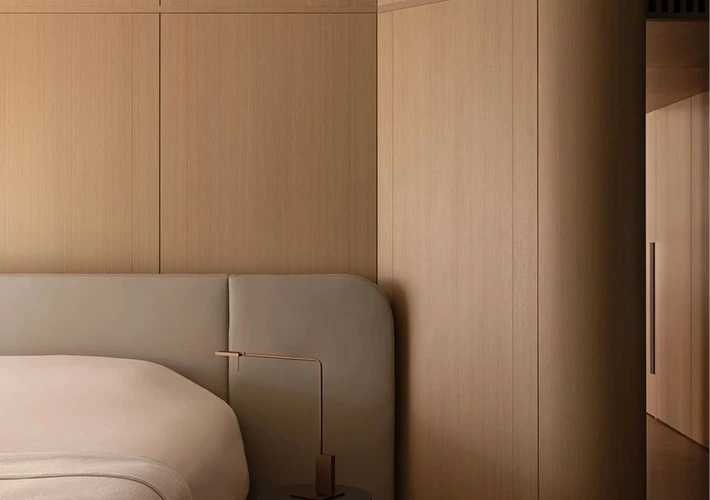
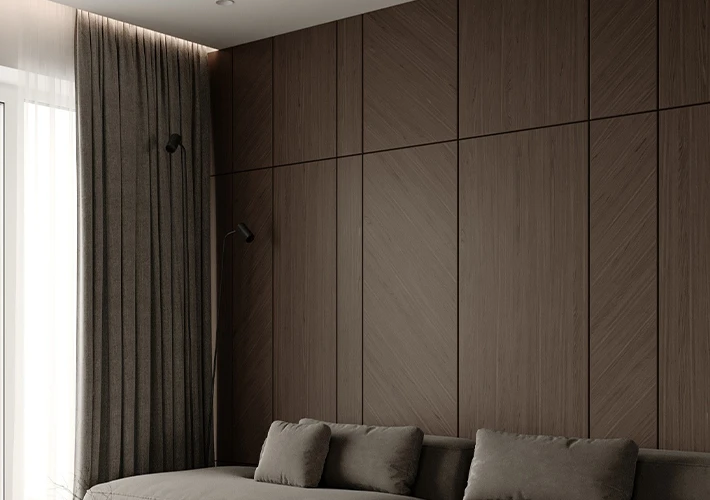
  • Guest room feature walls
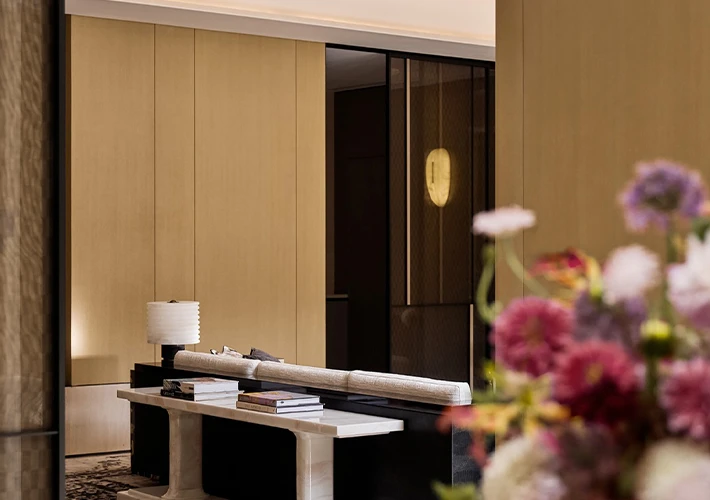
  • Lobby reception areas
  • Elevator interiors
  • Corridor wall cladding

This versatility allows hotel designers to achieve high-end aesthetics without relying on environmentally harmful materials.

Fire Safety and Compliance with Hotel Standards

Safety is a critical requirement in hotel construction. Bamboo charcoal wood veneer meets stringent fire safety standards.

Fire Performance:

  • Flame-retardant properties
  • Complies with international building codes
  • Suitable for commercial applications

This reduces the need for additional chemical treatments, which often contain harmful substances, further enhancing its eco-friendly profile.

Supporting Green Building Certifications

Hotels aiming for certifications such as LEED (Leadership in Energy and Environmental Design) or BREEAM benefit significantly from using bamboo charcoal wood veneer.

Contribution to Certification:

  • Low VOC emissions
  • Sustainable raw materials
  • Energy-efficient manufacturing
  • Durable lifecycle performance

Using such materials can help developers achieve higher certification scores, improving brand reputation and market competitiveness.

Cost-Effectiveness for B2B Hotel Projects

Eco-friendly does not have to mean expensive. Bamboo charcoal wood veneer offers excellent cost-performance balance.

Cost Advantages:

  • Lower material cost compared to solid wood
  • Reduced installation labor (easy to install)
  • Minimal maintenance requirements
  • Long-term durability reduces replacement costs

For large hotel chains and developers, this translates into significant savings across the project lifecycle.

Why Choose Aesthedge as Your Supplier?

As a professional Chinese manufacturer, Aesthedge specializes in producing high-quality bamboo charcoal wood veneer for global markets.

Our Strengths:

  • Advanced production technology
  • Strict quality control systems
  • Custom design capabilities
  • Competitive factory pricing
  • Stable supply for large-scale projects

Export Experience:

We have extensive experience serving clients in:

  • Europe
  • North America
  • Southeast Asia
  • Middle East

Our team understands international standards, packaging requirements, and logistics processes, ensuring smooth project execution.

Real-World Applications in Hotel Projects

Bamboo charcoal wood veneer is widely used in various hotel scenarios:

1. Guest Rooms

  • Headboard feature walls
  • TV background panels
  • Wardrobe surfaces

2. Public Areas

  • Lobby walls
  • Reception desks
  • Lounge areas

3. Corridors

  • Wall cladding for durability
  • Sound absorption enhancement

4. Conference Rooms

  • Decorative acoustic panels
  • Professional and modern aesthetics

These applications demonstrate the material’s versatility and practicality.

Future Trends: Eco Materials in Hospitality

The demand for sustainable materials will continue to grow. Key trends include:

  • Increased adoption of carbon-neutral materials
  • Integration of smart and functional surfaces
  • Greater emphasis on recyclability
  • Stronger environmental regulations worldwide

Bamboo charcoal wood veneer is well-positioned to meet these trends, making it a future-proof investment for hotel developers.

Conclusion: A Smart and Sustainable Choice for Hotels

Bamboo charcoal wood veneer represents a perfect balance between sustainability, performance, and design flexibility. Its eco-friendly raw materials, low emissions, durability, and cost-effectiveness make it an ideal solution for modern hotel projects.

For B2B buyers, especially those sourcing from China, partnering with a reliable manufacturer like Aesthedge ensures consistent quality, competitive pricing, and professional service.

If you are planning a hotel project and looking for eco-friendly wall solutions, Aesthedge is ready to support your business.

Contact us today to get product catalogs, samples, and customized quotations. Let us help you create sustainable, high-quality hotel interiors that stand out in the global market.

Позвоните нам

Отправьте нам сообщение в Whatsapp +86 189 5395 5575Мы ответим вам немедленно!

    ru_RURussian