What Are the Advantages of a Hotel Soundproof Door?

Published on: 15 Abr, 2026
Índice

In the highly competitive hospitality industry, guest experience is everything. From interior design and service quality to cleanliness and amenities, every detail plays a role in shaping customer satisfaction. However, one factor that is often underestimated—but critically important—is noise control.

A hotel room should be a sanctuary where guests can relax, sleep, and work without interruption. This is where hotel soundproof doors come into play. These specialized doors are designed to minimize noise transmission between rooms, corridors, and external environments, significantly enhancing acoustic comfort.

In this comprehensive guide, we will explore the advantages of hotel soundproof doors, their technical features, applications, and why they are becoming a standard requirement in modern hotel construction and renovation projects.

What Is a Hotel Soundproof Door?

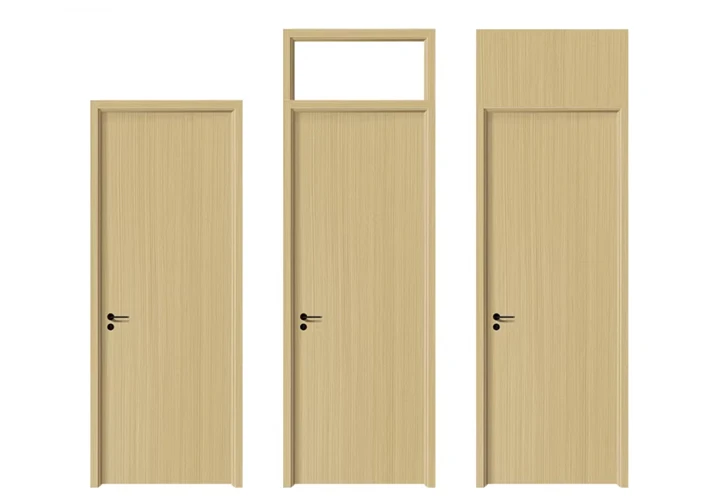
A hotel soundproof door is a specially engineered door designed to reduce or block sound transmission from one space to another. Unlike standard doors, these doors are built with acoustic insulation materials, tight sealing systems, and multi-layer structures to achieve high sound insulation performance.

Key Components:

  • Solid core construction (e.g., mineral core, composite core)
  • Acoustic seals and gaskets
  • Drop-down bottom seals
  • Multi-layer panels (wood, steel, or composite)
  • Soundproof glass (optional for vision panels)

Sound Insulation Rating:

Soundproof doors are typically measured by STC (Sound Transmission Class):

  • STC 30–35: Basic sound reduction
  • STC 40–45: Good for standard hotels
  • STC 50+: Premium luxury hotels

Why Noise Control Matters in Hotels

Noise is one of the top complaints in hotel reviews worldwide. Whether it’s hallway chatter, adjacent room noise, or traffic sounds, unwanted noise can significantly affect guest satisfaction.

Common Noise Sources in Hotels:

  • Corridor footsteps and conversations
  • Adjacent room TV or conversations
  • Elevator and mechanical equipment
  • Street traffic or nightlife noise

Impact of Noise:

  • Poor sleep quality
  • Negative reviews
  • Reduced repeat bookings
  • Lower brand reputation

Investing in soundproof doors is not just about comfort—it’s a strategic business decision.

Key Advantages of Hotel Soundproof Doors

1. Superior Noise Reduction

The most obvious benefit is effective sound insulation. High-quality soundproof doors can reduce noise levels by 30–50 decibels, creating a peaceful environment inside the room.

This is especially important for:

  • Business travelers
  • Light sleepers
  • Luxury hotel guests

2. Enhanced Guest Experience

Quiet rooms directly translate to better guest satisfaction. Guests are more likely to:

  • Sleep better
  • Leave positive reviews
  • Recommend the hotel

In platforms like Booking and TripAdvisor, “quiet room” is often a highlighted feature.

3. Increased Hotel Ratings and Revenue

Better acoustics lead to:

  • Higher online ratings
  • Improved occupancy rates
  • Ability to charge premium room rates

For hotel operators, this means a higher return on investment (ROI).

4. Privacy Protection

Soundproof doors ensure that conversations inside rooms remain private. This is crucial for:

  • Business travelers
  • VIP guests
  • Conference hotels

Privacy is a key selling point in modern hospitality.

5. Compliance with Building Standards

Many countries and regions have strict acoustic regulations for hotels. Soundproof doors help meet:

  • Building codes
  • Fire safety standards (when combined with fire-rated cores)
  • Acoustic certification requirements

6. Energy Efficiency

Soundproof doors often come with tight sealing systems, which also:

  • Prevent air leakage
  • Improve thermal insulation
  • Reduce HVAC energy consumption

This contributes to green building certifications like LEED.

7. Durability and Long Service Life

These doors are built with high-density materials, making them:

  • Impact-resistant
  • Resistente à humidade
  • Longa duração

For hotels, this means lower maintenance costs.

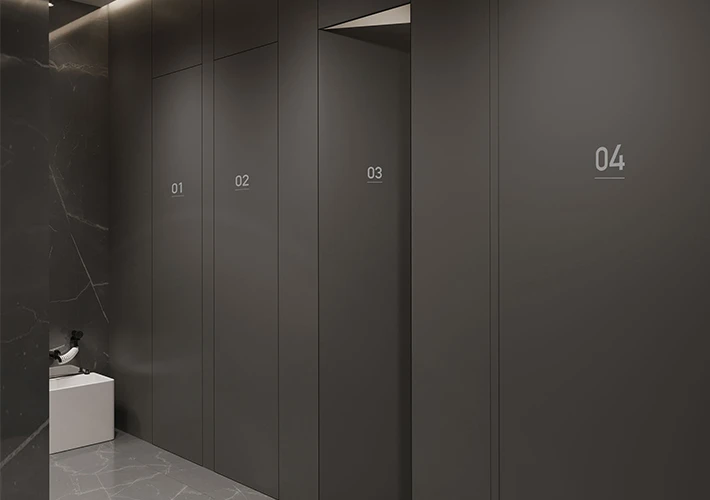
8. Versatile Design Options

Modern soundproof doors are not only functional but also aesthetically flexible:

  • Wood veneer finishes
  • Laminates and PVC coatings
  • Custom colors and textures

They can seamlessly match any interior design style.

Applications of Soundproof Doors in Hotels

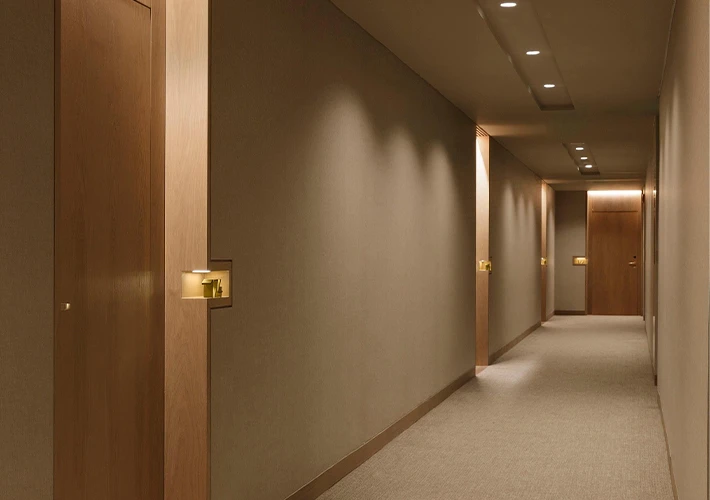
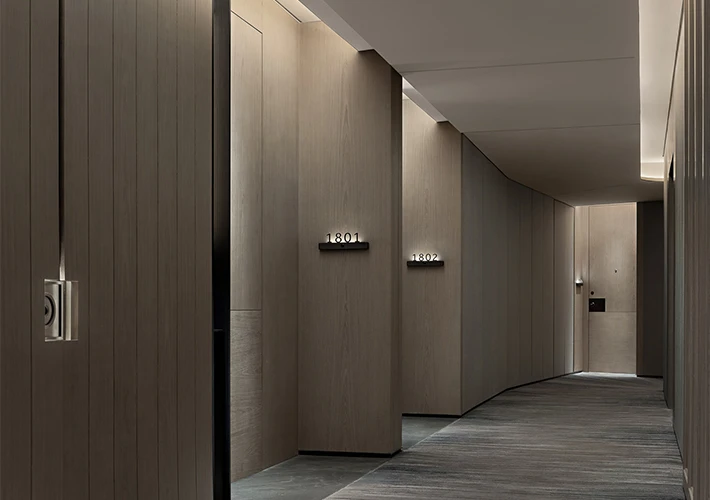
Soundproof doors are widely used across different areas of a hotel:

Guest Rooms

  • Prevent noise from corridors and adjacent rooms
  • Ensure restful sleep

Salas de conferência

  • Maintain confidentiality
  • Improve meeting quality

Ballrooms and Event Spaces

  • Isolate sound between simultaneous events

Recording or Media Rooms

  • Provide professional-level sound control

Service Areas

  • Reduce noise from staff operations

Materials and Technology Behind Soundproof Doors

Understanding the materials helps buyers make informed decisions.

Core Materials:

  • Mineral wool core
  • Honeycomb core (for lighter applications)
  • Solid wood or composite core

Surface Materials:

  • MDF with veneer
  • HPL (High Pressure Laminate)
  • Steel panels

Acoustic Technology:

  • Multi-layer structure for sound absorption
  • Sealing systems to block sound leakage
  • Vibration damping materials

How to Choose the Right Hotel Soundproof Door

For B2B buyers, selecting the right product is crucial.

Key Factors to Consider:

1. STC Rating

Choose based on hotel category:

  • Budget hotels: STC 30–35
  • Mid-range hotels: STC 40
  • Luxury hotels: STC 45+

2. Fire Rating

Ensure compliance with local fire safety standards:

  • 30 min / 60 min / 90 min fire-rated options

3. Door Thickness

Thicker doors generally provide better sound insulation:

  • Typical range: 40mm–70mm

4. Sealing System

Look for:

  • Perimeter seals
  • Automatic drop seals

5. Hardware Quality

  • Hinges
  • Locks
  • Door closers

All hardware should support acoustic performance.

6. Supplier Capability

Choose a supplier with:

  • Serviços OEM/ODM
  • Export experience
  • Quality certifications (ISO, CE)

Cost vs Value: Are Soundproof Doors Worth It?

While soundproof doors are more expensive than standard doors, they offer long-term value.

Cost Factors:

  • Material quality
  • STC rating
  • Customization
  • Quantity (bulk orders reduce cost)

ROI Benefits:

  • Higher room rates
  • Better reviews
  • Reduced complaints
  • Longer product lifespan

For hotel developers and contractors, this is a high-impact investment.

Future Trends in Hotel Acoustic Solutions

The demand for better acoustics is growing rapidly.

Emerging Trends:

  • Smart acoustic doors with integrated sensors
  • Eco-friendly materials (bamboo fiber, recycled composites)
  • Modular installation systems
  • Integration with smart hotel systems

As guest expectations rise, soundproofing will become a standard, not a luxury.

Conclusão

Hotel soundproof doors are no longer optional—they are an essential component of modern hospitality design. From enhancing guest comfort and privacy to improving hotel ratings and operational efficiency, their advantages are clear and measurable.

For B2B buyers such as hotel developers, contractors, and distributors, investing in high-quality soundproof doors means:

  • Delivering superior guest experiences
  • Strengthening brand reputation
  • Achieving long-term cost efficiency

If you are planning a hotel project or renovation, now is the time to prioritize acoustic performance. Choosing the right soundproof door supplier with strong manufacturing capabilities and customization options will ensure your project stands out in a competitive market.

Looking for a reliable China supplier for hotel soundproof doors?
We offer factory-direct pricing, OEM/ODM services, and strict quality control to support your hotel projects worldwide. Contact us today for catalogs, technical specifications, and free samples.

Contactar-nos

Envie-nos uma mensagem no whatsapp +86 189 5395 5575e responder-lhe-emos de imediato!

    pt_PTPortuguese