How to Choose Acoustic Panels for Hotel Meeting Rooms and Corridors

Published on: 24 Jun, 2025
Índice

Introdução

In the hospitality industry, acoustics play a critical role in shaping guest experiences, especially in meeting rooms and corridors. While luxurious finishes and stunning lighting attract the eye, sound quality influences comfort and satisfaction on a deeper level. Poor acoustics can lead to echo, speech distortion, and unpleasant noise—issues that degrade the perceived quality of a high-end hotel.

Painéis acústicos have become an essential solution to these problems. But how do you choose the right acoustic panels for hotel meeting rooms and corridors? This article will guide you through technical criteria, design considerations, material options, and acoustic performance metrics to help you make informed choices for your project.

Why Acoustic Treatment Is Critical in Hotels

1.1 Impact on Guest Experience

In hotel corridors, excessive noise can disturb guests in nearby rooms. Meeting rooms, on the other hand, demand speech clarity and reduced reverberation for presentations and discussions. In both spaces, acoustic control reflects a hotel’s commitment to quality.

1.2 Privacy and Professionalism

Meeting rooms often host business clients, confidential meetings, and events. Acoustic panels improve speech intelligibility and privacy by absorbing sound and preventing it from leaking through walls or ceilings.

Acoustic Performance Metrics You Should Know

Before choosing panels, you should understand the most important acoustic parameters:

2.1 NRC (Noise Reduction Coefficient)

NRC measures the amount of sound a material can absorb, ranging from 0 (no absorption) to 1.0 (full absorption).

  • Corridors: NRC 0.6–0.8 is usually sufficient.
  • Meeting Rooms: NRC 0.8–1.0 is ideal for speech-focused areas.

2.2 STC (Sound Transmission Class)

STC rates how well a building element (like a panel or wall) reduces airborne sound transmission.

  • Para meeting rooms, aim for panels that contribute to an overall STC rating of 50+.

2.3 Reverberation Time (RT60)

RT60 is the time it takes for sound to decay by 60 dB.

  • Ideal RT60 for a meeting room: 0.5–0.7 seconds.
  • Para corridors: shorter is better to avoid echoing footsteps and luggage noise.

Key Criteria for Selecting Acoustic Panels

3.1 Functional Requirements

a. Sound Absorption vs. Sound Blocking

  • Use sound-absorbing panels (like fabric-covered or slat wood) for reducing echo and reverberation inside rooms.
  • Use sound-blocking panels (denser materials like MLV or acoustic gypsum) to prevent sound from entering/exiting the room.

b. Durability and Maintenance

Hotel corridors and meeting rooms see high traffic, so choose panels with:

  • Scratch-resistant surfaces
  • Moisture resistance (for cleaning and sanitation)
  • Fire resistance (meeting local fire code standards)

3.2 Aesthetic Integration

Acoustic panels should blend into or enhance the interior design.

  • Corridors: Use continuous designs that match lighting and color schemes.
  • Meeting Rooms: Consider statement panels that double as decorative features.

Common finishes:

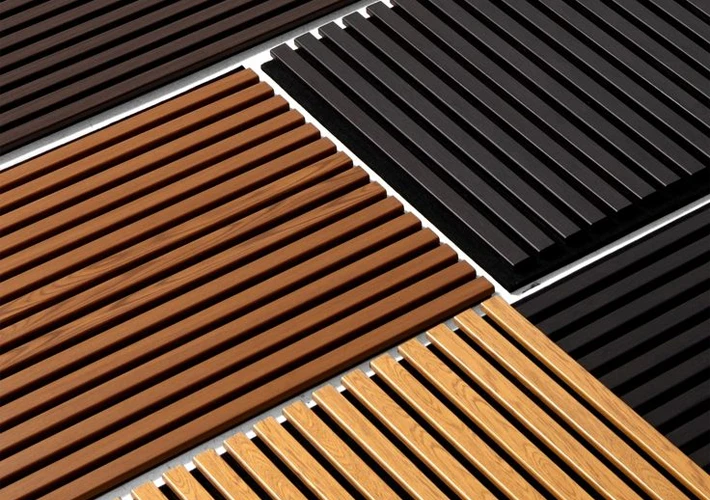
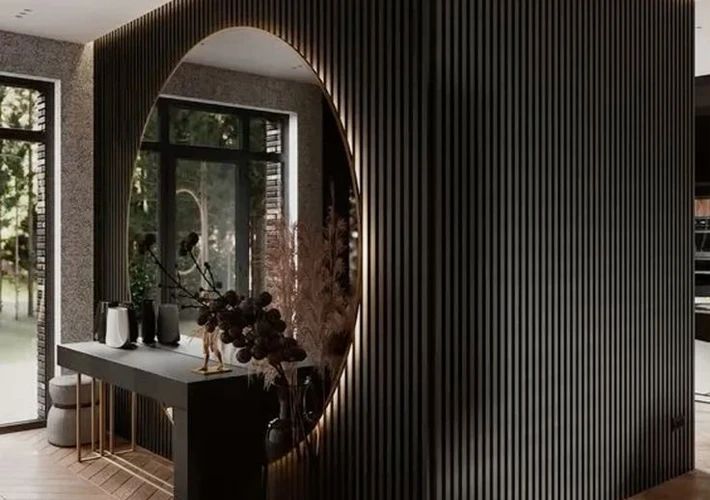
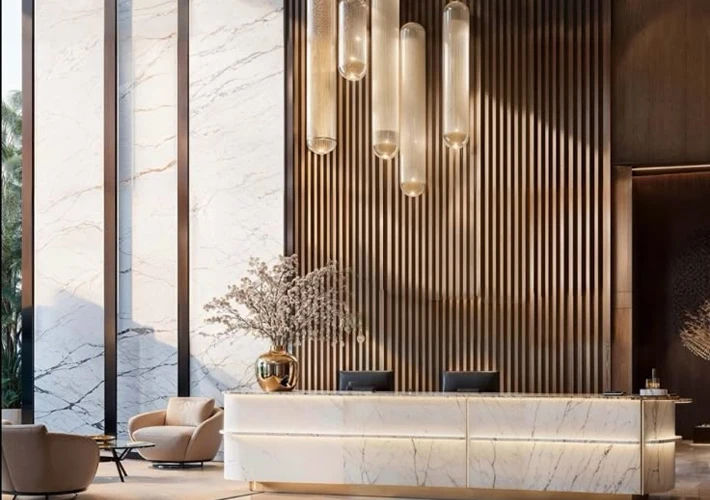
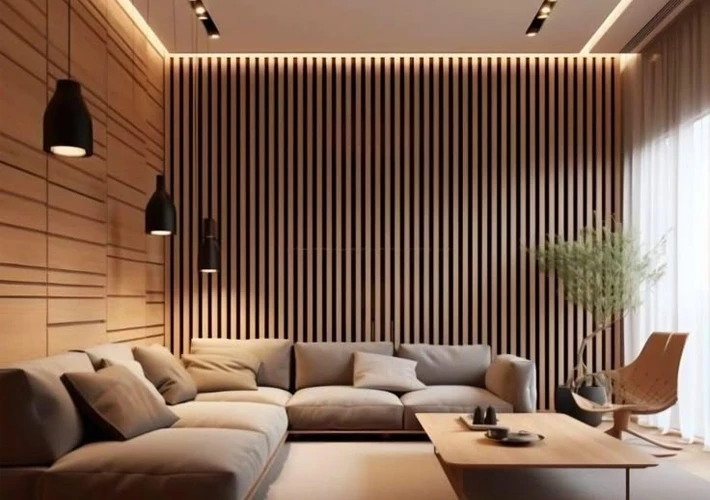
  • Wood slat acoustic panels: Popular for upscale interiors
  • Fabric-wrapped panels: Available in many colors
  • Printed acoustic panels: Custom graphics/logos for branding

3.3 Installation Flexibility

Consider whether the project requires:

  • Wall-mounted panels
  • Ceiling baffles or clouds
  • Modular or movable acoustic dividers

Ease of installation and future maintenance should be considered, especially for ongoing hotel operations.

Best Panel Types for Hotel Meeting Rooms

4.1 Wood Slat Acoustic Panels

Features:

  • High NRC (0.75–0.95 with PET backing)
  • Elegant, modern appearance
  • Flame retardant options available

Aplicações:

  • Behind the speaker/presentation wall
  • Back wall to reduce echo
  • Ceiling for both design and performance

Pros:

  • Luxurious look
  • Easy to clean and install
  • Sustainable options (bamboo charcoal veneer, recycled PET)

4.2 Fabric-Wrapped Panels

Features:

  • Highly customizable in color and thickness
  • NRC up to 1.00 depending on core material (glass wool, foam, etc.)

Aplicações:

  • Sidewalls and rear walls of the meeting room
  • Inside cabinetry or wall niches

Pros:

  • Acessível
  • Easy to replace
  • Good for branding or visual continuity

4.3 PET Polyester Panels

Features:

  • NRC of 0.75–0.90
  • Made from recycled plastic bottles
  • Lightweight and easy to cut

Aplicações:

  • Wall lining
  • Ceiling clouds
  • Behind art installations

Pros:

  • Amigo do ambiente
  • Económica
  • Available in multiple textures and colors

Best Panel Types for Hotel Corridors

5.1 Decorative 3D Panels with Acoustic Backing

Features:

  • Sculptural look with built-in sound absorption
  • NRC ~0.6–0.8

Aplicações:

  • Corridor walls to reduce foot traffic noise

Pros:

  • Decorative and functional
  • Creates a luxury feel

5.2 Vinyl/PU-Coated Acoustic Panels

Features:

  • Easy to wipe clean
  • NRC up to 0.85 with proper core
  • Fire-rated options

Aplicações:

  • Lower portions of corridor walls (impact zone)
  • Near elevators and high-noise zones

Pros:

  • Durable
  • Moisture and stain resistant
  • Ideal for high-traffic areas

Material Comparison Table

Tipo de painelNRCClassificação de fogoAestheticBest For
Wood Slat Panel0.75–0.95Class A (optional)Modern/LuxuryMeeting rooms, ceilings
Fabric-Wrapped Panel0.70–1.00Class B–ASoft/ColorfulSidewalls, offices
PET Polyester Panel0.75–0.90Class B–AMinimal/ModernCorridors, ceiling baffles
3D Acoustic Panel0.60–0.85Class ADecorative/3DCorridors, lobbies
PU-Coated Acoustic Panel0.70–0.85Class AClean/SmoothCorridors, lifts

Erros comuns a evitar

7.1 Ignoring Acoustic Design Early

Many hotel projects treat acoustics as an afterthought. This leads to costly retrofits or ineffective treatment. Always consult acoustic professionals during the planning stage.

7.2 Choosing Only Based on Appearance

While aesthetics matter, ineffective panels with poor NRC or STC can ruin functionality.

7.3 Over-Treatment

Excessive absorption can make a room feel unnaturally quiet and “dead.” A balanced mix of absorption, diffusion, and reflection is key.

Acoustic Design Recommendations by Room Size

Room TypeCeiling HeightRecommended NRC RangeSuggested Placement
Small Meeting Room2.5–3.0 m0.8–1.0Side walls, back wall, part of ceiling
Large Conference Room3.0–4.5 m0.75–0.95Ceiling panels, full rear wall, diffusers up front
Narrow Corridor2.4–3.0 m0.6–0.8Sidewalls, elevator surrounds, corner absorbers

Fire, Sustainability, and Safety Considerations

For hotel public areas, always confirm that acoustic panels comply with:

  • NFPA 701/ASTM E84 fire safety codes
  • Formaldehyde-free materials for health
  • Recyclable or eco-certified panels (like PET, bamboo, or low-emission foam)

This ensures compliance with local regulations and global green building standards such as LEED or BREEAM.

Acoustic Panel Requirements in Different Global Hotel Markets

Hotel acoustic requirements vary significantly across different regions due to building regulations, climate conditions, and design preferences. For international hotel developers and contractors, understanding these regional differences is essential when sourcing acoustic panels.

North America: Focus on Fire Ratings and Speech Privacy

Hotels in the United States and Canada place strong emphasis on:

  • ASTM E84 fire resistance standards
  • High STC ratings for conference rooms
  • Sustainable and LEED-friendly materials
  • Acoustic comfort in business hotels

Meeting rooms in North American hotels often require:

  • NRC 0.85+
  • STC 50+
  • Low VOC materials
  • Certified flame-retardant cores

Wood slat acoustic panels and PET acoustic boards are especially popular in premium hotel projects because they combine modern aesthetics with strong acoustic performance.

For corridors, durable and easy-to-clean surfaces are preferred due to high traffic volumes.

Europe: Sustainability and Minimalist Design Trends

European hospitality projects increasingly prioritize:

  • Eco-friendly materials
  • Recyclable acoustic products
  • Formaldehyde-free panels
  • Scandinavian-inspired minimalist aesthetics

In countries such as Germany, the Netherlands, and Sweden, architects prefer:

  • Natural wood finishes
  • PET recycled fiber panels
  • Lightweight ceiling baffles
  • Acoustic systems integrated into modern interior design

European hotel meeting rooms also tend to favor balanced acoustics rather than excessive sound absorption to maintain a natural communication environment.

Aesthedge supplies environmentally friendly acoustic panels suitable for European green building projects and hospitality renovations.

Middle East: Luxury Finishes and Large Hospitality Spaces

Hotels in the Middle East commonly feature:

  • Large-scale conference halls
  • High ceilings
  • Luxury decorative interiors
  • Strong HVAC systems requiring additional sound control

As a result, acoustic materials used in this region must provide:

  • Strong reverberation control
  • Premium decorative appearance
  • Heat and moisture resistance
  • Long-term durability

Popular options include:

  • Gold-finish wood slat acoustic panels
  • PU-coated acoustic wall systems
  • Decorative 3D acoustic panels

Corridors in luxury Middle Eastern hotels also require impact-resistant wall materials because of frequent luggage traffic and intensive daily use.

Southeast Asia: Moisture Resistance Is Essential

Countries such as Singapore, Thailand, Malaysia, Indonesia, and Vietnam have tropical climates with high humidity levels. Hotel acoustic panels in these regions must therefore offer:

  • Moisture resistance
  • Mold prevention
  • Stable performance under temperature fluctuations
  • Easy maintenance

PET acoustic panels and PU-coated acoustic systems are highly suitable because they resist moisture while maintaining excellent sound absorption performance.

Hotels in Southeast Asia also increasingly use acoustic decorative wall systems in:

  • Rooftop lounges
  • Hotel cafes
  • Co-working spaces
  • Multi-functional conference rooms

This creates strong demand for customizable and decorative acoustic products.

Australia and New Zealand: Demand for Modern Commercial Acoustics

Hotels in Australia and New Zealand increasingly adopt:

  • Open-plan hospitality concepts
  • Mixed-use commercial spaces
  • Modern conference environments
  • Sustainable building certifications

As a result, acoustic panel buyers in these markets look for:

  • Fast installation systems
  • Lightweight materials
  • Natural wood aesthetics
  • Acoustic ceiling solutions

Wood slat acoustic panels remain one of the fastest-growing product categories for hotel interiors because they deliver both visual warmth and acoustic functionality.

Conclusion: The Right Panel Brings Both Comfort and Class

Choosing the right acoustic panels for hotel meeting rooms and corridors is not just about functionality—it’s about crafting an elevated, comfortable guest experience. From improving speech clarity in business meetings to minimizing hallway noise for resting guests, acoustics is a key ingredient in modern hospitality design.

By evaluating performance metrics like NRC and STC, choosing appropriate materials, and ensuring aesthetic integration, you can significantly boost the acoustic comfort and visual appeal of your hotel interiors.

As a trusted Chinese factory brand, Aesthedge offers customizable acoustic panel solutions for global hotel projects, helping contractors, wholesalers, architects, and developers achieve both acoustic performance and modern interior aesthetics.

Contactar-nos

Envie-nos uma mensagem no whatsapp +86 189 5395 5575e responder-lhe-emos de imediato!

    pt_PTPortuguese