Why Are More and More Renovation Projects Starting to Use Bamboo Charcoal Wood Veneer?

Published on: 08 Jan, 2026
Índice

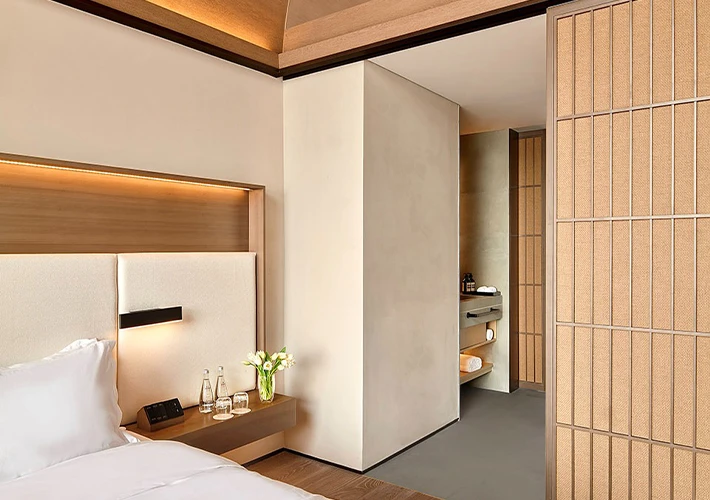
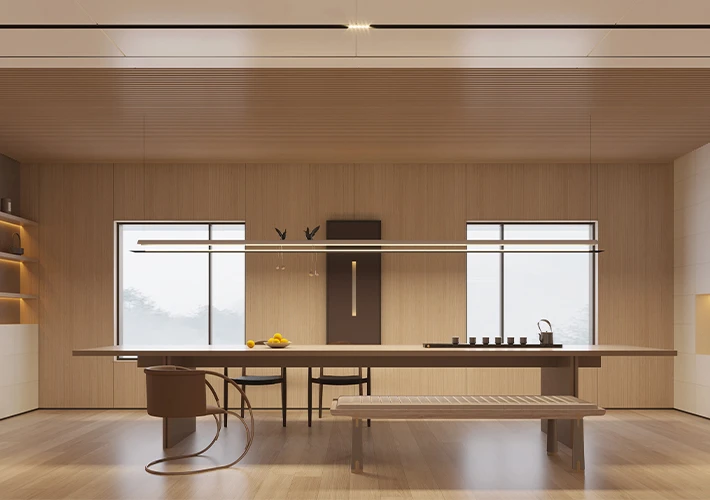
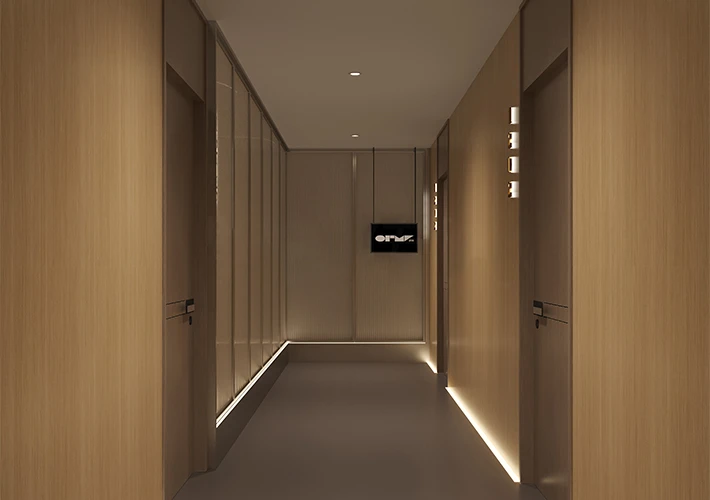
Nos últimos anos, folheado a madeira de bambu e carvão vegetal has rapidly gained popularity in residential, commercial, and public renovation projects. From luxury homes and apartments to hotels, offices, retail spaces, and public buildings, this innovative decorative material is increasingly replacing traditional wall finishes such as solid wood panels, MDF boards, PVC sheets, and stone veneers.

So why are more and more renovation projects choosing bamboo charcoal wood veneer?

The answer lies in a combination of environmental awareness, health concerns, aesthetic demands, functional performance, cost efficiency, and global green building trends. As the renovation industry moves toward sustainability and higher living standards, bamboo charcoal wood veneer has emerged as a material that perfectly aligns with modern requirements.

This article provides a comprehensive analysis of why bamboo charcoal wood veneer is becoming a preferred choice in renovation projects worldwide.

What Is Bamboo Charcoal Wood Veneer?

Bamboo charcoal wood veneer is a new-generation decorative panel made primarily from natural bamboo fiber or bamboo-based substrates. Through high-temperature carbonization, compression, and advanced surface treatment, bamboo is transformed into a stable, durable, and functional decorative board.

Unlike traditional wood veneer, bamboo charcoal wood veneer combines:

  • O natural beauty of wood
  • O functional properties of bamboo charcoal
  • O engineering stability of composite panels

Common structures include:

  • Bamboo charcoal core board
  • Decorative surface films (wood grain, stone grain, fabric texture, metal texture)
  • Protective wear-resistant coating

This structure allows the material to deliver both decorative appeal and performance advantages, making it ideal for modern renovation projects.

Market Background: Why the Demand Is Growing

1.Global Shift Toward Green and Healthy Buildings

Across the world, governments, developers, and consumers are placing greater emphasis on:

  • Indoor air quality
  • Low-emission materials
  • Sustainable and renewable resources

Green building standards such as LEED, WELL, and BREEAM are influencing material selection, especially in commercial and public projects. Bamboo charcoal wood veneer fits perfectly into this trend due to its low formaldehyde emissions and eco-friendly raw materials.

2.Rising Awareness of Indoor Health Risks

Traditional renovation materials often release:

  • Formaldehyde
  • VOCs (volatile organic compounds)
  • Chemical odors

These pollutants can cause long-term health problems. As awareness increases, developers and homeowners are actively seeking healthier alternatives, driving demand for bamboo charcoal wood veneer.

3.Design-Driven Renovation Trends

Modern interior design favors:

  • Natural textures
  • Warm, organic materials
  • Minimalist and biophilic design concepts

Bamboo charcoal wood veneer offers a natural look with modern performance, making it a favorite among designers and architects.

Environmental Advantages of Bamboo Charcoal Wood Veneer

Renewable and Sustainable Raw Materials

Bamboo is one of the fastest-growing plants in the world, reaching maturity in 3–5 years, far quicker than traditional hardwoods. This makes bamboo a highly renewable resource with minimal environmental impact.

By using bamboo instead of slow-growing timber, bamboo charcoal wood veneer helps:

  • Reduce deforestation
  • Lower carbon footprint
  • Promote sustainable forestry

Low Formaldehyde and VOC Emissions

Thanks to advanced production technology, high-quality bamboo charcoal wood veneer achieves:

  • E0 or E1 formaldehyde standards
  • Extremely low VOC emissions

This makes it suitable for:

  • Homes
  • Schools
  • Hospitals
  • Hotels
  • Office buildings

Carbonization for Cleaner Performance

The carbonization process converts bamboo fibers into activated charcoal-like structures, reducing chemical content and enhancing environmental performance.

Health Benefits: A Key Reason for Growing Adoption

Air Purification Capability

Bamboo charcoal has a porous internal structure that allows it to:

  • Adsorb formaldehyde
  • Reduce odors
  • Trap airborne pollutants

When used as wall or ceiling panels, bamboo charcoal wood veneer contributes to improved indoor air quality, especially in newly renovated spaces.

Humidity Regulation

Bamboo charcoal wood veneer naturally absorbs excess moisture when humidity is high and releases it when the air is dry. This helps:

  • Maintain comfortable indoor humidity
  • Reduce condensation
  • Prevent mold growth

Anti-Mold and Anti-Bacterial Properties

The material’s structure and surface treatments help inhibit:

  • Mold
  • Bacteria
  • Mildew

This makes bamboo charcoal wood veneer ideal for environments with higher hygiene requirements.

Aesthetic Advantages: Natural Beauty Meets Modern Design

Realistic Wood Grain and Texture

Modern surface technology allows bamboo charcoal wood veneer to replicate:

  • Oak
  • Walnut
  • Teak
  • Ash
  • Custom wood patterns

It provides the warmth of wood without the instability of solid timber.

Wide Range of Colors and Finishes

Available finishes include:

  • Light Scandinavian tones
  • Dark luxury wood colors
  • Matte or glossy surfaces
  • Stone and fabric-inspired textures

This versatility allows designers to use bamboo charcoal wood veneer in various interior styles, from modern minimalism to luxury commercial spaces.

Cultural and Emotional Appeal

Bamboo symbolizes:

  • Força
  • Sustentabilidade
  • Harmony with nature

In many Asian and international design philosophies, bamboo-based materials enhance a sense of calm, balance, and refinement.

Functional Performance Advantages

Dimensional Stability

Unlike solid wood, bamboo charcoal wood veneer:

  • Resists warping
  • Resists cracking
  • Performs well under temperature and humidity changes

This stability is critical for large-scale renovation projects.

Sound Absorption and Thermal Comfort

The internal structure of bamboo charcoal boards provides:

  • Basic sound absorption
  • Improved thermal insulation
  • Reduced echo in interior spaces

Fire Performance Potential

With proper treatment and compliance standards, bamboo charcoal wood veneer can meet fire-retardant requirements for commercial and public buildings.

Comparison with Traditional Renovation Materials

Bamboo Charcoal Wood Veneer vs Solid Wood Panels

AspectBamboo Charcoal VeneerSolid Wood
StabilityElevadoEasily deforms
Impacto ambientalSustainableDeforestation risk
ManutençãoBaixaElevado
CustoModeradoElevado

Bamboo Charcoal Wood Veneer vs MDF / Particle Board

MDF and particle boards often rely heavily on adhesives, leading to:

  • Higher formaldehyde emissions
  • Poor moisture resistance

Bamboo charcoal wood veneer offers superior health and durability performance.

Bamboo Charcoal Wood Veneer vs PVC Panels

PVC panels are cost-effective but:

  • Lack natural texture
  • May emit plastic odors
  • Perform poorly under high heat

Bamboo charcoal wood veneer delivers a more premium and eco-friendly solution.

Installation and Construction Advantages

Easy Processing and Cutting

Bamboo charcoal wood veneer panels:

  • Can be cut with standard tools
  • Are lightweight
  • Reduce labor intensity

Multiple Installation Methods

Common installation options include:

  • Adhesive fixing
  • Keel system installation
  • Modular snap-on systems

Reduced Renovation Time

Pre-finished surfaces eliminate the need for:

  • Painting
  • Polishing
  • On-site finishing

This significantly shortens renovation timelines.

Expanding Application Scenarios

Residential Renovation

  • Living room feature walls
  • Quartos de dormir
  • Home offices
  • Dining areas

Espaços comerciais

  • Hotels and resorts
  • Office buildings
  • Retail stores
  • Restaurants and cafes

Edifícios públicos e institucionais

  • Schools
  • Hospitals
  • Bibliotecas
  • Exhibition halls

High-End Custom Projects

  • Showrooms
  • Brand experience centers
  • Luxury villas

Cost Analysis and Long-Term Value

Competitive Initial Cost

Compared to high-grade solid wood, bamboo charcoal wood veneer offers:

  • Similar appearance
  • Better stability
  • Lower cost

Low Maintenance Expenses

Its durability reduces:

  • Repair frequency
  • Replacement costs

Added Property Value

Eco-friendly materials enhance:

  • Property appeal
  • Market competitiveness
  • Brand image for commercial projects

Future Trends of Bamboo Charcoal Wood Veneer

Technological Innovation

Future developments include:

  • Enhanced adsorption performance
  • Improved fire resistance
  • Advanced surface textures

Integration with Smart and Modular Design

Bamboo charcoal wood veneer is increasingly used in:

  • Modular construction
  • Prefabricated interiors
  • Smart building systems

Growing International Demand

As global markets focus on sustainability, bamboo charcoal wood veneer is becoming popular in:

  • Europe
  • North America
  • Middle East
  • Southeast Asia

Conclusion: A Material That Matches Modern Renovation Needs

The growing adoption of bamboo charcoal wood veneer in renovation projects is not a coincidence. It is the result of changing lifestyles, stricter environmental standards, higher design expectations, and long-term cost considerations.

By combining:

  • Environmental responsibility
  • Health benefits
  • Aesthetic versatility
  • Functional performance

Bamboo charcoal wood veneer has positioned itself as one of the most promising decorative materials in modern renovation.

As the renovation industry continues to evolve, bamboo charcoal wood veneer is set to play an even more important role in shaping healthier, more sustainable, and more beautiful interior spaces.

Contactar-nos

Envie-nos uma mensagem no whatsapp +86 189 5395 5575e responder-lhe-emos de imediato!

    pt_PTPortuguese